

Psilocybin effects typically last 4 to 6 hours, with onset beginning about 20 to 40 minutes after ingestion and peak effects arriving around 60 to 90 minutes later. Some experiences run shorter or longer, so planning for the full window matters more than relying on one exact clock time.
You may be reading this while deciding whether you have enough time for a mushroom experience today. Perhaps dinner is later, a shift starts in the evening, or you're trying to understand why someone else's timeline sounded nothing like yours. The most useful answer isn't just a number. You need to know when effects begin, when they're strongest, when they fade, and what can stretch or compress each phase.
Understanding the Psilocybin Timeline
A first-time user may take psilocybin at noon, plan to feel normal by late afternoon, and find the experience still unfolding when evening plans begin. The safer approach is to reserve the day for a multi-hour arc, including the time needed to settle afterward, rather than planning around the briefest expected peak.
After oral use, noticeable effects commonly begin within 20 to 40 minutes. Effects often feel strongest around 60 to 90 minutes, while the main experience usually lasts 4 to 6 hours. Controlled clinical settings have reported an active window reaching 6 to 8 hours, and broader study ranges extend from 2.4 to 12 hours. Dose, study conditions, and personal response help explain that spread (clinical review of psilocybin time course, clinical duration analysis).
The same amount can produce a different schedule for each person. Consumption form affects how quickly material is absorbed. Food in the stomach, individual metabolism, tolerance, dose, surroundings, and emotional state can change the onset, intensity curve, and time needed to feel fully settled. A faster beginning may make the experience feel compressed and intense, while slower absorption can leave someone waiting longer and mistakenly assuming the dose is weak.

The clock matters less than the arc
Feeling little after half an hour can tempt someone to take more before the first dose has fully developed. Another person may notice effects quickly and move into a sharper peak. The initial sensations, peak, plateau, comedown, and aftereffects each affect practical planning differently.
Pharmacokinetic research helps explain why the experience can occupy much of the day. Oral psilocin, the active metabolite associated with psychedelic effects, reaches peak blood levels between about 1.05 and 3.71 hours in reported data. Reported elimination half-lives range from roughly 1.23 to 4.72 hours, with several human studies clustering near 2 to 3 hours (clinical duration analysis). Subjective effects may fade before the body has eliminated every trace of the compound.
Practical rule: Plan around the longest reasonable window, not the earliest point at which you expect to feel better.
The Four Phases of a Psilocybin Experience
A person may feel only a faint shift at first, then find the experience intensifying while they are still deciding what to expect. The timeline is an arc, not a fixed level. Knowing its phases helps prevent two common errors, taking more before the first dose has developed and assuming the comedown means every effect has ended.
Phase one, ingestion and onset
After oral ingestion, early effects commonly begin within 20 to 60 minutes. Attention may feel different, bodily sensations may become unusual, mood may shift, and visual changes or less-rigid thinking may appear. Physical discomfort or nervous anticipation can arrive before the psychedelic effects become clear.
The first part is often the least predictable. Food, preparation, product form, and individual digestion can change the pace, so these opening minutes do not reliably show how intense or long the full experience will be. A delayed beginning is not, by itself, evidence that the dose has failed.
Phase two, come-up and peak
The strongest effects often develop around 1 to 3 hours after ingestion, with many clinical descriptions placing the peak nearer 60 to 90 minutes. Perception, time awareness, emotions, and thought patterns may all feel substantially altered during this phase.
Intensity can rise in waves rather than reaching one clean high point. Anxiety may be most pronounced later than expected, even around 180 to 240 minutes, according to clinical guidance on psilocybin effects. Someone who feels calmer after the initial peak may still need reassurance and a quiet setting.
Phase three, plateau
During the plateau, intensity may hold relatively steady instead of continuing to climb. It often overlaps with roughly hours 2 to 4, although the boundaries vary. Visual, emotional, and cognitive effects can remain strong, while the experience feels less like a rapid ascent.
This is a useful period for simple orientation. Familiar music, a calm room, and a trusted support person can help someone stay grounded while effects continue.
Phase four, comedown and return
The comedown generally develops around hours 4 to 6, as the main effects soften. Visual changes and altered thinking may fade first, while fatigue, emotional sensitivity, reflection, or a lingering strangeness remain.
Return to baseline works gradually. Feeling less altered does not automatically mean someone is ready to drive, work, make major decisions, or handle demanding responsibilities. The body and mind may need more time to settle.

The following video reinforces the differences between onset, peak, plateau, and offset:
How Consumption Method Changes Your Timeline
The method of consumption changes how quickly psilocybin reaches the bloodstream and how concentrated the experience feels. Oral mushrooms usually produce the familiar gradual arc, while preparations that deliver active compounds more quickly can create a shorter, more compressed window.
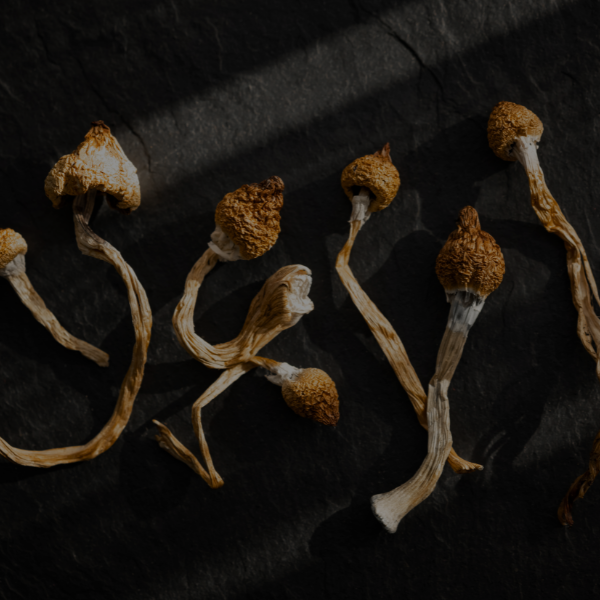
Raw mushrooms commonly follow the standard 4 to 6 hour pattern, with onset often developing over 20 to 40 minutes. Chewing thoroughly and swallowing the material still leaves digestion as part of the process, so the beginning may feel incremental rather than sudden.
Mushroom tea can feel faster because extraction occurs before consumption. Some guides place tea onset around 15 to 30 minutes, but that range isn't included in the clinical data supplied here, so treat it as a qualitative possibility rather than a fixed promise. Faster absorption may also make the rise feel more concentrated.
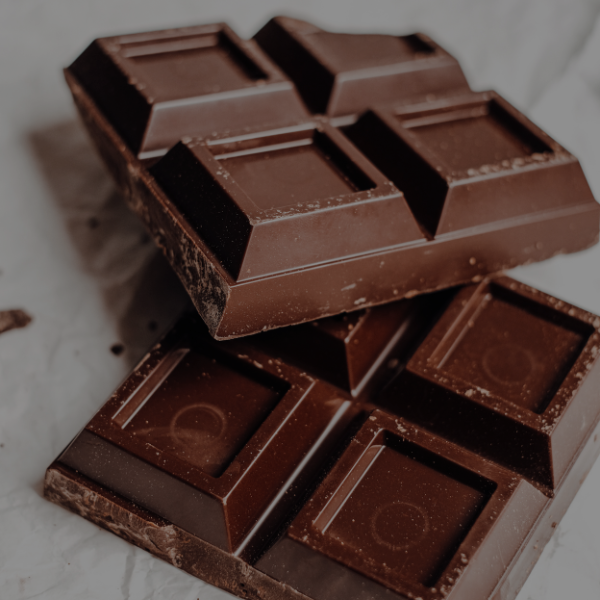
Edibles such as gummies and chocolates can behave differently again. Their ingredients, digestion, and stomach contents may delay the beginning, while the overall experience can feel more extended. Capsules generally resemble other swallowed products, with timing influenced by the capsule contents, digestion, and whether food is present.
| Method | Onset Time | Peak Effects | Total Duration |
|---|---|---|---|
| Raw mushrooms | Usually 20 to 40 minutes | Around 60 to 90 minutes | Commonly 4 to 6 hours |
| Mushroom tea | Often feels faster | May arrive sooner and feel compressed | May feel slightly shorter |
| Gummies or chocolates | May be delayed by digestion | Can arrive later | May feel more extended |
| Capsules | Gradual oral onset | Develops as absorption proceeds | Often follows the oral window |
For a detailed discussion of onset timing, see this guide to how long mushrooms take to work. A person with a fixed afternoon schedule may prefer a method with a more predictable oral arc, while someone planning a quiet evening may be less concerned about a slower start. The important point is to avoid assuming that every product reaches its strongest effects on the same schedule.
Route differences are also visible in clinical pharmacology. Oral psilocin reaches peak plasma concentration at about 1.7 to 2.2 hours, while intravenous psilocin has a half-life of about 74 minutes and reported subjective effects lasting only 15 to 30 minutes. Faster systemic delivery creates a shorter, more compressed window, while oral dosing slows absorption and extends the rise and decline (route-of-administration review).
Biological and Situational Factors That Influence Duration
A planned evening can become difficult if the effects rise later, last longer, or feel more intense than expected. Duration depends on biology and context, so the same amount may follow a different timeline from one day to another, or between two people.
Biological variables
Metabolism influences how quickly psilocin rises and falls. Body weight and composition can affect the experience, but neither predicts duration reliably on its own. Recent use may reduce subjective intensity through tolerance. Food in the stomach can also make the beginning feel slower or softer than an oral product taken with less food.
Dose and mushroom potency matter too. A higher dose may intensify effects and lengthen them modestly, although a stronger experience is not just a mild experience stretched over more hours. The 2023 oral-dose study found mean subjective-effect durations of 5.5 to 6.4 hours across 15, 25, and 30 milligrams. The pattern suggests modest dose-related lengthening rather than a dramatic extension.
These variables work like overlapping dials, not a single timer. Potency may set the intensity, while metabolism and recent use influence how quickly the experience changes.
Situational variables
Mindset can change the felt length of an experience. Anxiety, anticipation, unfamiliar surroundings, interpersonal tension, and sensory overload may make difficult moments seem prolonged. A familiar, quiet setting can make the same clock time easier to manage.
Other substances add uncertainty. Combinations may alter intensity, impairment, side effects, and your ability to judge whether the experience is ending. Review potential combinations before taking anything, and use this psilocybin drug interaction guide as a starting point for questions to discuss with a qualified clinician.

Clinical findings show substantial variation in onset, peak timing, and total duration across doses and study conditions. Reported experiences may last from a few hours to much longer, so averages cannot predict your exact day. Leave enough flexibility for a delayed rise, an extended peak, and a slower return to baseline.
Planning Around the Full Duration Window
The practical answer to “how long does psilocybin last” should include more than the active trip. Blocking out 6 to 8 hours gives room for a slower onset, a longer experience, and the transition into a calm post-experience state. This planning window reflects the broader clinical discussion of active effects lasting up to 6 to 8 hours in some controlled settings (clinical review of duration).
Start only when you have no urgent obligation waiting at the other end. Don't schedule work, driving, childcare, travel, or important conversations later in the day. A clear schedule removes the pressure to force the experience to end on demand.
Prepare the environment first
Set up the room before ingestion. Put water, simple food, blankets, comfortable clothing, tissues, a phone charger, and familiar music within reach. Reduce avoidable stimulation by handling messages, deliveries, pets, and household tasks beforehand.
A trusted, sober support person can provide reassurance and practical help if the experience becomes confusing or emotionally intense. Their role isn't to control the experience. It's to stay calm, keep the environment safe, and recognize when outside medical help may be needed.
Treat food and hydration as comfort decisions
A heavy meal may make oral onset feel slower or less predictable, while taking something on an empty stomach can feel physically sharper for some people. Choose a light, familiar meal rather than experimenting with unusual foods. Sip water normally, but don't force excessive amounts.
Keep the wind-down period open. Even after the central effects fade, you may want low lighting, quiet conversation, a shower, gentle music, or sleep. The goal is to make the entire day manageable, not to squeeze the experience into the smallest possible slot.

Schedule for recovery, not just intensity. The last noticeable visual change isn't always the moment when your attention, coordination, and judgment are fully dependable.
Aftereffects and Detection Windows
The end of the main trip doesn't necessarily feel like an immediate return to ordinary life. Some people describe an afterglow, with a brighter mood, increased reflection, emotional openness, or a sense of mental clarity. Others feel tired, physically drained, emotionally tender, or ready for quiet rather than conversation.
These responses can coexist. A person may feel grateful and reflective while still lacking the concentration needed for work. Another person may feel mostly normal but remain mentally fatigued. Neither response gives a universal timetable for resuming demanding activities.
Subjective effects and bodily clearance are different
Psilocin can remain detectable in urine for up to 24 hours in some cases, even after acute effects have ended (clinical guidance on detection and aftereffects). Detection isn't the same as impairment, and a detectable metabolite doesn't prove that someone still feels psychedelic effects. Conversely, feeling mostly normal doesn't prove that every trace has cleared.
This distinction matters for planning. If you're deciding whether to drive, return to work, use machinery, handle money, or make a high-stakes decision, judge readiness by clear attention, stable coordination, emotional steadiness, and adequate rest. If any of those remain uncertain, wait and arrange another way to meet the obligation.
For a broader explanation of bodily clearance and timing, consult this guide to how long psilocybin stays in the system. Sleep can also be affected by stimulation, late timing, lingering thoughts, or physical discomfort, so don't assume that the end of visual effects guarantees immediate rest.
Give the next day some flexibility
A gentle morning may be more realistic than a packed schedule. Eat something familiar, drink fluids normally, avoid adding other substances to “balance out” the experience, and make space for reflection if you want to write down what you remember. If distress, confusion, severe agitation, dangerous behavior, or concerning physical symptoms continue, seek urgent medical assistance rather than trying to manage the situation alone.
Safety Strategies for the Complete Experience
Safety begins before the first effects and continues until you're rested and functioning normally. The timeline itself is a safety tool, because uncertainty can increase anxiety and encourage rushed decisions.
Keep the first experience conservative
New users have less information about their personal response, product potency, stomach sensitivity, and emotional reactions. A lower amount may still feel powerful, and increasing the amount doesn't guarantee a better experience. Higher doses can intensify effects and extend the duration modestly, as shown by the modest difference in mean durations across 15, 25, and 30 milligrams in a controlled oral-dose study (2023 oral-dose study).
Don't make rapid judgments during the early onset. The peak can develop later, and anxiety can rise as late as 180 to 240 minutes in some participants (clinical guidance on psilocybin effects). If the effects feel mild at first, patience is safer than impulsive escalation.
Build support into the setting
Choose a familiar, physically safe space with no need to deal with traffic, water, heights, cooking equipment, or unfamiliar public areas. Keep the temperature comfortable, remove hazards, and agree in advance on how a sober support person can help.
A sitter can offer simple reassurance, reduce stimulation, and help you remember that the experience will change. They shouldn't argue with every perception or overwhelm you with questions. Short, calm statements and a quieter room often work better than trying to force the experience into a particular direction.
Respond calmly if intensity rises
If the experience becomes too intense, move to a quieter space, lower the lights, slow your breathing, sip water, and focus on one familiar sensory detail. Avoid driving, taking more substances, or making major decisions. Ask the support person to stay nearby and keep communication simple.
A difficult wave is not automatically a permanent problem. Reduce stimulation, protect the body from hazards, and seek professional help when symptoms are severe, dangerous, or medically concerning.
The experience can also last longer than expected without meaning that something has gone wrong. Review the timing, avoid adding substances, and continue basic safety measures. If someone becomes unresponsive, has trouble breathing, experiences a seizure, develops severe chest pain, or may harm themselves or someone else, contact emergency services immediately.
Respecting the whole duration window is more useful than chasing a precise finish time. Prepare the room, clear the schedule, arrange sober support, and leave enough time for the aftereffects to settle before returning to activities that require full judgment.
The Magic Mushroom Delivery offers raw mushrooms, infused chocolates, gummies, capsules, mushroom coffee, and educational resources covering effects, duration, dosing considerations, and responsible use. Visit The Magic Mushroom Delivery to review its product categories and plan your questions around the full experience timeline before making a purchase.