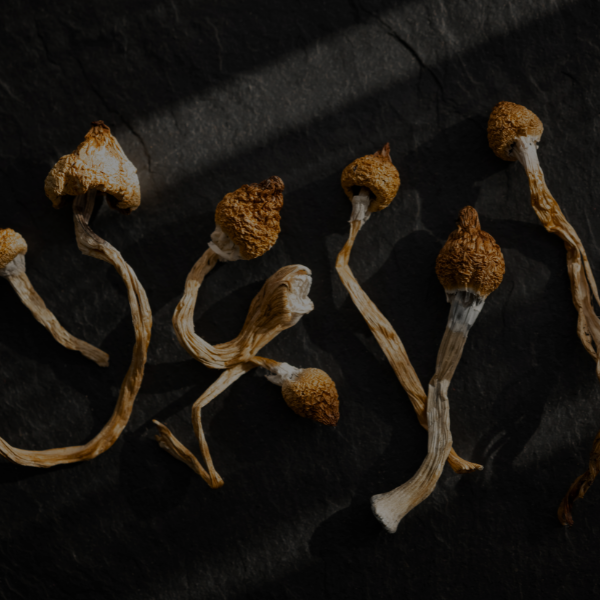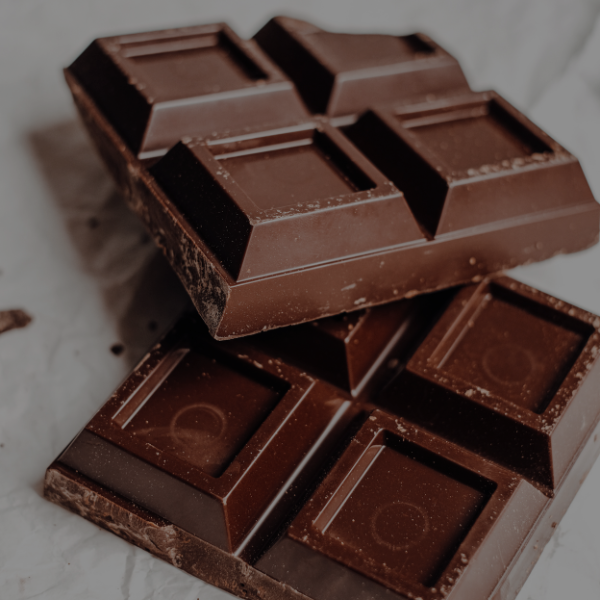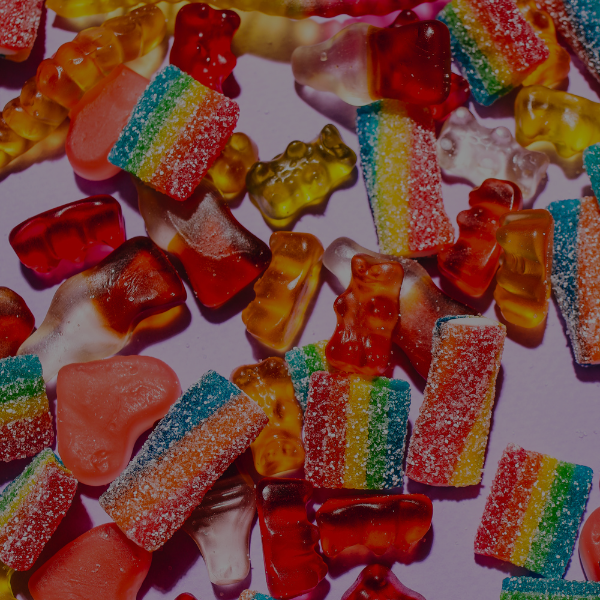
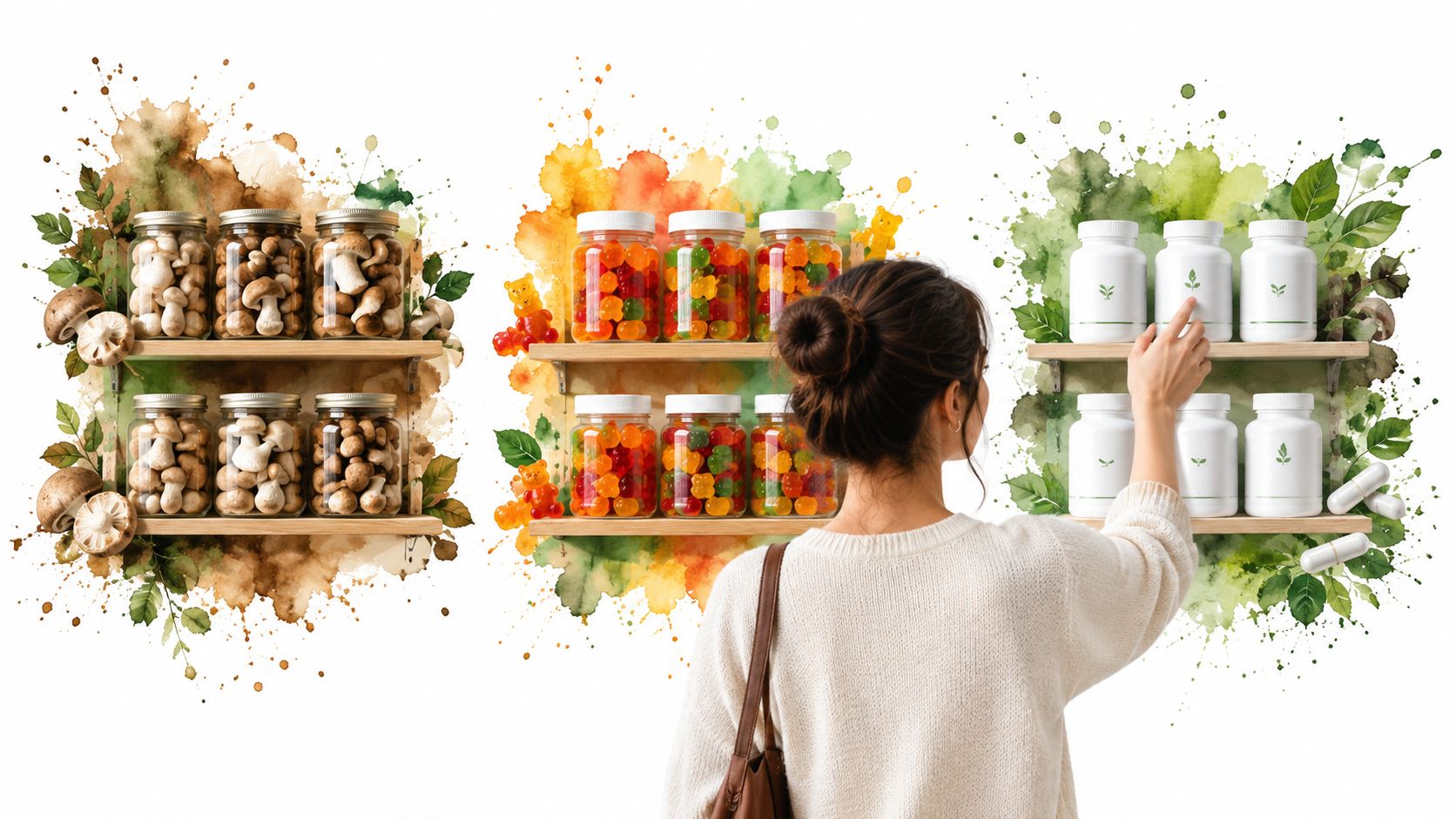
You're comparing jars of dried mushrooms, gummies, and capsules on a phone screen, trying to work out which option gives you the clearest idea of what you're taking. The capsule may look like the tidy, measured choice. But a familiar format doesn't guarantee a reliable dose: the first question isn't how many capsules are in the bottle, it's what the label can prove.
That distinction matters in a U.S. population where psilocybin exposure is not rare. The National Center for Complementary and Integrative Health's overview of psilocybin reports that 9.68% of U.S. adults had used psilocybin at least once, based on nationally representative survey data collected from 2015 through 2018. That figure describes prior use, not purchases of capsules. For anyone considering a product, the practical priorities are clear labeling, batch-level testing, and a plan for safety.
What Magic Mushroom Capsules Actually Are
At a shelf of dried mushrooms, gummies, and capsules, it's easy to assume the capsule is automatically the most predictable option. A magic mushroom capsule is typically a shell filled with ground mushroom material, often from Psilocybe cubensis or a related species. The shell may be gelatin or a plant-based alternative, and the product may be marketed by capsule count, mushroom weight, or measured active-compound content.
Capsules appeal to people who want a discreet format that's easy to carry and doesn't taste like mushrooms. They can also make serving sizes easier to describe. But a capsule is a delivery format, not a dose. A count or fill weight doesn't tell you how much psilocybin or psilocin is present unless the finished batch has been tested and the label reports those measurements clearly.
That's also why it's important to separate psychedelic mushroom products from functional mushroom supplements. A product made with mushrooms such as lion's mane or reishi doesn't necessarily contain psilocybin, and the word “mushroom” on a label doesn't settle the question. Look for the named species and a specific account of the ingredients, rather than assuming every mushroom capsule has the same purpose.
Capsules don't remove the need for caution about mindset, surroundings, or the possibility of an uncomfortable experience. Nor should a conventional-looking shell be taken as evidence of consistent contents. Treat the packaging as a claim that needs verification, not a substitute for it.
How Psilocybin Works in the Body
Think of psilocybin as a wrapped candy and psilocin as the candy inside. After you swallow a capsule, the body converts psilocybin into psilocin, the compound that produces the main psychoactive effects. The analogy isn't a complete description of metabolism, but it offers a useful reminder: swallowing a capsule doesn't mean the full effect is immediate.
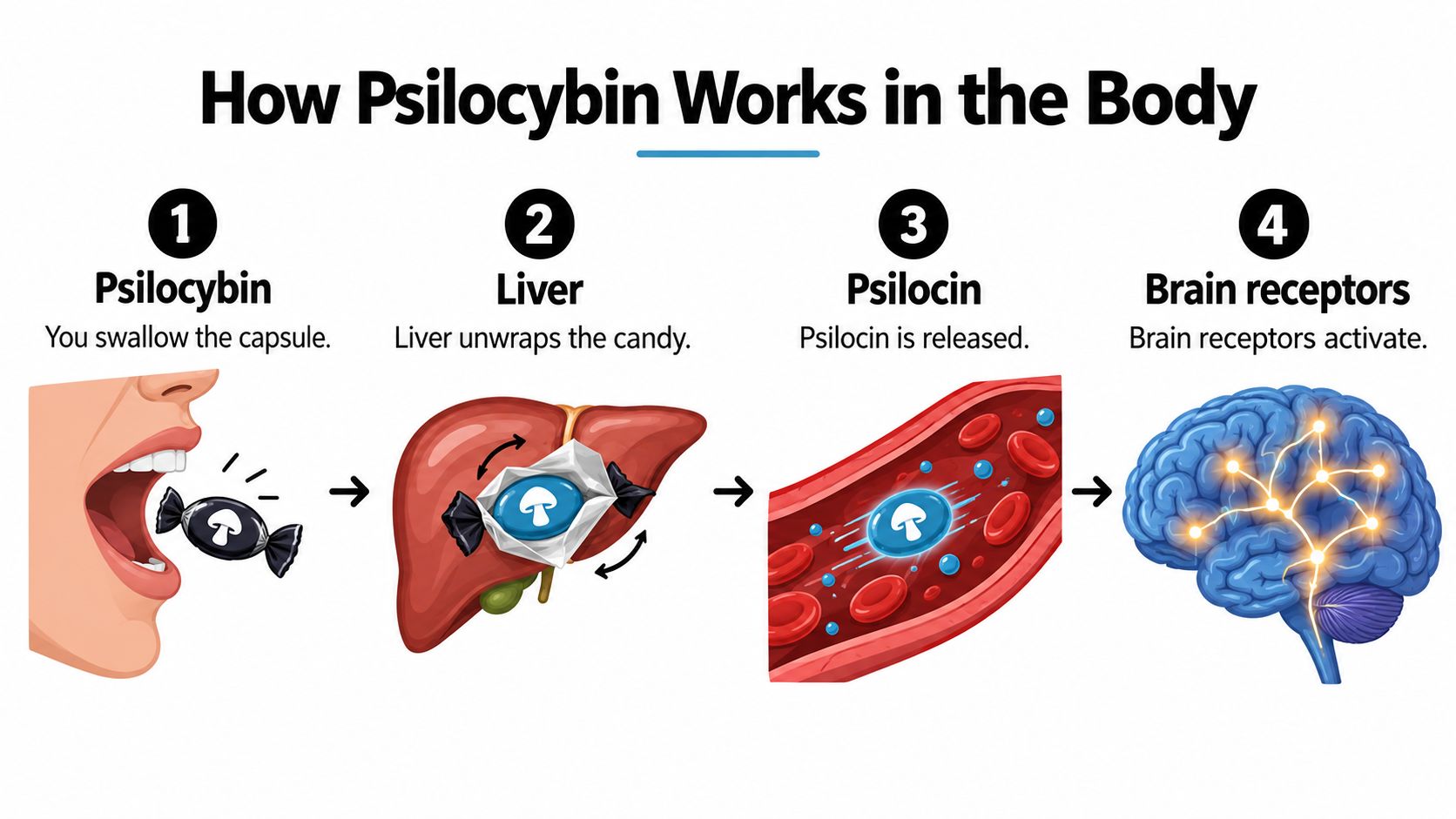
A review of psilocybin pharmacokinetics reports that plasma psilocin typically reaches its maximum concentration about 1.05 to 3.71 hours after dosing, with an average near 2 hours in controlled studies. In the core dose-ranging study, reported elimination half-lives were roughly 1.4 to 1.8 hours. A half-life describes how quickly the amount in the body declines; it doesn't mean the subjective experience ends on that schedule.
The gap between swallowing a capsule and reaching peak concentration is exactly why early redosing can be a bad call. If you take more because you don't feel much at first, the original dose may still be absorbing. The combined effect can be stronger than you intended, and the capsule's appearance won't help you judge what's happening internally.
Here's a short video that illustrates the basic conversion and timing concepts:
Food, sleep, stress, other substances, and previous experience can all affect how a person experiences a session. Don't treat a past response as a precise forecast for the next one. And don't assume body weight alone can predict the result: in a controlled dose-ranging study, weight didn't significantly influence pharmacokinetics or subjective effects.
Dosing Levels from Microdose to Higher Dose
The most useful label tells you the amount of measured psilocybin, not just the weight of mushroom powder. Those are different quantities. A capsule's stated fill weight can include mushroom material with variable active-compound content, so a tiered dose description is only meaningful when the product's contents are clearly quantified.
The ranges below are a way to understand common dose language, not a recommendation or a universal dosing guide. The onset and peak timing reflect oral pharmacokinetic data discussed above. “Peak window” here refers to when effects may be strongest, not how long the entire experience lasts.
| Tier | Milligrams | Typical onset | Peak window | Intensity |
|---|---|---|---|---|
| Microdose | 5 mg or less | Gradual; timing varies | Not reliably predictable | Intended to be subtle, but not guaranteed to be imperceptible |
| Low exploratory | 8–15 mg | Gradual; timing varies | Often within the first few hours | May be noticeable and impairing |
| Mid | 15–25 mg | Gradual; timing varies | Often within the first few hours | Can be intense and psychologically demanding |
| Higher | 25 mg and above | Gradual; timing varies | Often within the first few hours | Greater potential for strong effects and distress |
The clinical capsule dose research describes controlled amounts of active compound, not generic capsule counts or mushroom weights. A supervised dose-escalation protocol used 0.3, 0.45, and 0.60 mg/kg, with absolute dose ranges of 18.8–36.6 mg, 27.1–54.0 mg, and 36.3–59.2 mg across participants, and at least four weeks between sessions (study protocol). Those are clinical study conditions, not instructions to reproduce outside supervision.
Practical rule: If you're new, “more” isn't a sensible first answer. Don't use a capsule count as a substitute for verified milligrams, and don't escalate based on impatience.
For a closer look at how labels and amounts are commonly described, see this guide to psilocybin capsule dosage. If you're considering use, prioritize reliable product information and qualified medical advice over a dose chart.
Why Capsule Labels Mislead and What to Verify
“500 mg of mushroom” tells you how much material is in the capsule. It doesn't establish how much active compound is there. An analytical study of Psilocybe cubensis biomass found that a nominal 3 g amount could contain 19.8 to 46.2 mg of combined psilocybin and psilocin, a substantial spread for the same stated mushroom weight (study on mushroom biomass standardization). That's why a capsule's fill weight alone is a weak measure of potency.
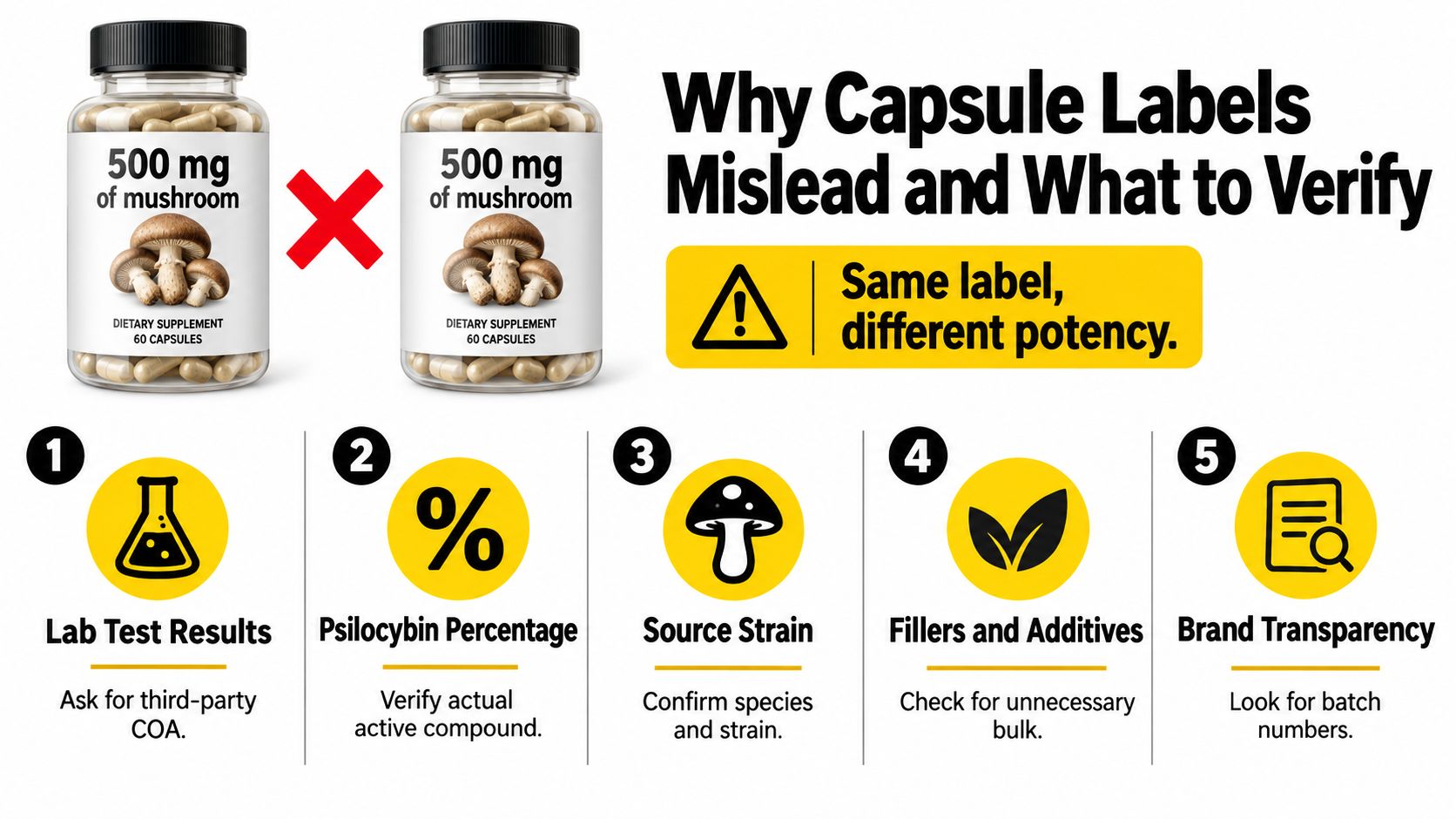
A buyer needs evidence for two separate questions: what ingredient is present, and how consistently is it measured? A product might identify the expected compound but still provide no assurance that each capsule has a uniform amount. Ask for a certificate of analysis tied to the specific lot, not a generic report for a different product or an earlier batch.
A buyer's verification checklist
Before buying, look for:
- Batch-specific results: The lot number on the package should match the certificate of analysis.
- Separate compound measurements: The report should identify and quantify psilocybin and psilocin separately.
- Testing details: Ask which validated analytical method the lab used and whether the laboratory's accreditation can be verified.
- Contaminant screening: Look for testing information relevant to the product's ingredients and manufacturing.
- Complete ingredient disclosure: The label should identify fillers, capsule materials, and other additives, not hide them behind a “proprietary blend.”
- Traceable product information: Check for a manufacturing or batch date and a clear link between the report and the package.
The concern isn't hypothetical. A 2025 analysis of retail mushroom edibles found that none of the 12 tested products contained detectable psilocybin, while eight contained undisclosed psychoactive constituents, including synthetic tryptamines, cannabinoids, caffeine, or kava-related compounds. The products were mainly gummies and one chocolate, not capsules, so don't treat the result as a direct test of capsule products. It does show why appearance and supplement-style packaging can't verify what's inside.
For a practical explanation of third-party lab testing, focus on reports that identify the actual product and lot. If a seller can't provide that evidence, don't confuse a polished label with proof.
If the seller can't show analysis for the lot you're buying, treat the label as marketing.
Capsules Compared with Gummies, Tea, and Raw Mushrooms
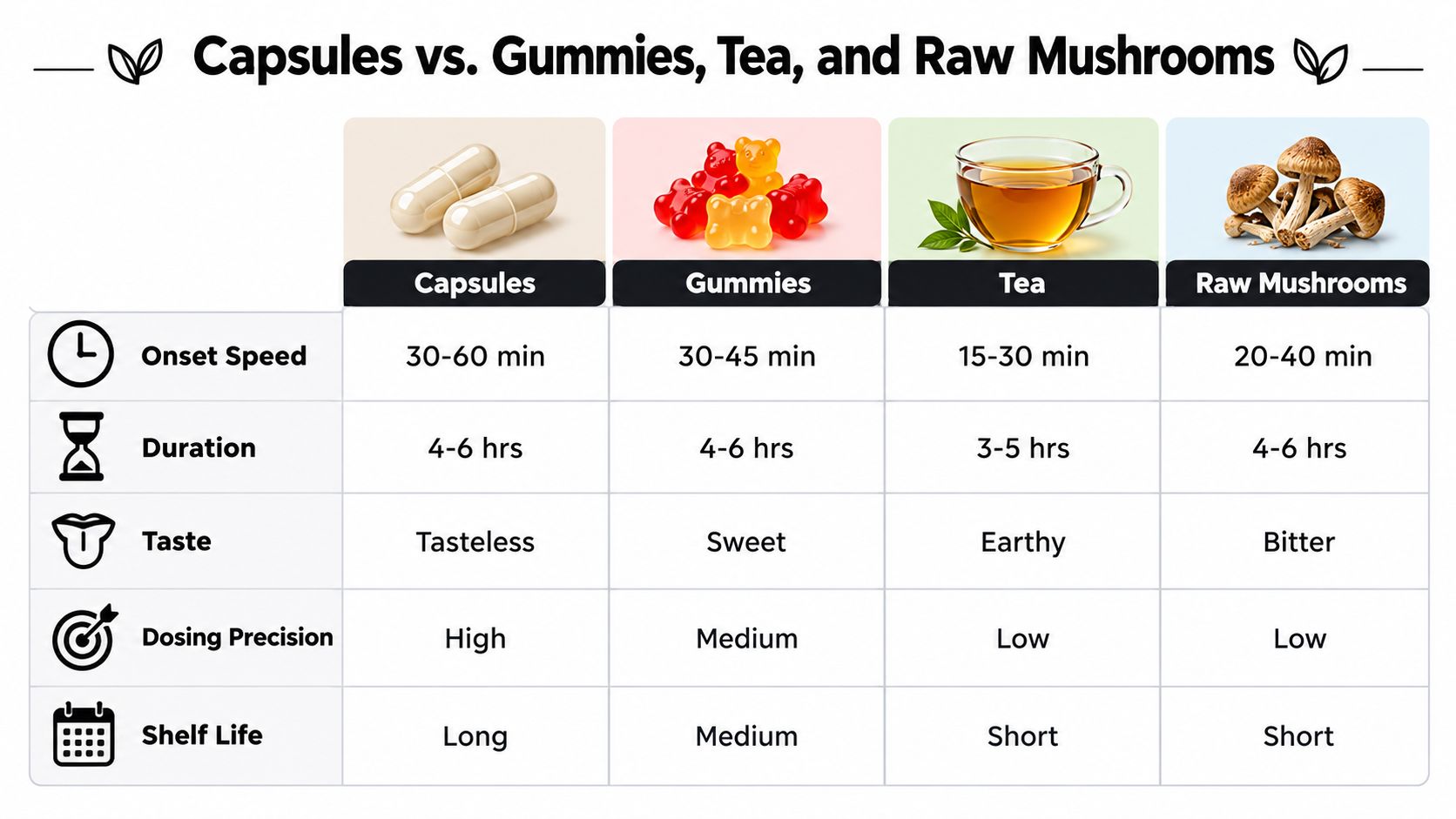
Different formats trade convenience for taste, preparation, or control. Capsules are compact and mask the flavor, but they're only more precise when the contents are measured. Gummies and chocolates may be easier to take, while tea takes preparation and raw mushrooms leave more room for variation in both taste and material.
The comparison below is qualitative. Timing varies with the product, the person, and the conditions of use; don't treat a neat-looking chart as a prediction for an individual experience.
| Format | Onset | Duration | Discretion | Dose control | Taste and prep |
|---|---|---|---|---|---|
| Capsules | Oral, gradual | Can vary | High | Better only with tested, clearly labeled contents | Little taste; minimal preparation |
| Gummies | Oral, gradual | Can vary | High | Depends on labeling and whether portions can be divided reliably | Sweet; little preparation |
| Chocolate | Oral, gradual | Can vary | High | Depends on verified contents and portioning | Masks bitterness; little preparation |
| Tea | Oral, may feel quicker | Can vary | Lower than a capsule | Harder to measure consistently without testing | Earthy; requires preparation |
| Raw dried mushrooms | Oral, gradual | Can vary | Low | Fill weight doesn't establish active content | Bitter; no preparation required |
Choose by what you need, not by what looks easiest. A planner may prefer capsules if the label is backed by batch testing. Someone who dislikes the taste may consider an edible format, but still needs to verify the ingredients and amount. Tea suits someone willing to prepare a drink and accept that the contents may be harder to standardize. Raw mushrooms appeal to people who prefer the material in its unprocessed form, but that preference doesn't resolve potency variation.
If you're weighing tea against other formats, this overview of magic mushroom tea effects can help clarify what to consider. None of these formats makes an uncertain product predictable. Verification matters more than the shape of the product.
Safety, Contraindications, and When to Seek Help
Before considering a capsule, be candid about your health history and medications. Talk with a clinician or pharmacist first if you have a personal or family history of psychosis or mania, a cardiovascular condition, a seizure disorder, or are pregnant. Get specific advice about serotonergic medicines and other psychoactive substances rather than relying on a general claim that a particular combination is safe.
The U.S. Drug Enforcement Administration's psilocybin fact sheet lists possible effects including nausea, vomiting, muscle weakness, impaired coordination, panic, paranoia, anxiety, and psychotic-like episodes. It also notes that severe psychological reactions are more likely at higher doses. That's a reason to take the person's circumstances seriously, not just the number printed on a package.
Microdosing isn't a safety guarantee
A smaller amount doesn't establish that an experience is risk-free. Government guidance doesn't define a risk-free threshold, and a maximum tolerated human dose hasn't been established. Clinical research also uses defined compounds, screening, and support conditions; those safeguards shouldn't be assumed for a retail product.
If you choose to proceed, arrange a sober, trusted person, use a familiar environment, and keep a working phone within reach. Don't combine substances casually, and don't drive or take on responsibilities that depend on sound judgment and coordination.
Seek emergency help for serious symptoms
Call emergency services for chest pain, a seizure, extreme agitation, persistent vomiting, dangerous confusion, or behavior suggesting loss of contact with reality. Tell responders what may have been taken, when it was taken, and whether other substances or medicines were involved. If the person is confused or distressed, stay with them and keep the setting as calm and safe as you can while help is on the way.
Age Requirements, Discreet Ordering, and Smart Buying Habits
A careful purchase starts with the rules that apply where you live. Retailers may set an age-verification requirement, and shipping or access conditions can differ by jurisdiction. Confirm the current requirements for your location directly with a qualified local source and the seller before placing an order.
Discreet, tracked packaging can help protect privacy, but the buyer should still know what they ordered and be able to match the package to its documentation. A seller's customer-service contact, product details, and lot-specific test report should be easy to locate. If essential information appears only after checkout, that's a reason to pause.
Before buying, check the basics:
- Match the lot: Confirm that the certificate of analysis corresponds to the package you'll receive.
- Read the active amount: Look for measured psilocybin and psilocin, not only mushroom weight or capsule count.
- Review all ingredients: Check the capsule shell, fillers, and other additives.
- Assess the seller: Look for clear product information, customer-service access, and reviews you can evaluate critically.
- Confirm delivery details: Understand the packaging, tracking, and jurisdiction-specific conditions before ordering.
Confidence comes from being able to verify the product, not from trusting a familiar-looking bottle. If a retailer won't answer basic questions about ingredients, testing, and the lot, choose not to buy.
The Magic Mushroom Delivery offers capsule products alongside other mushroom formats, with product information and educational resources for shoppers. Review the available documentation and your local requirements before making a decision, and visit The Magic Mushroom Delivery to explore its offerings.