
When you're dealing with chronic pain, it can feel like you're just putting a band-aid on a bigger problem. But what if you could work with your body and brain to get to the root of the issue? That's the exciting promise behind using mushrooms for pain relief.
This isn't about one single miracle cure. Instead, think of it as two totally different, powerful tools nature has given us: functional mushrooms that tackle inflammation, and psilocybin mushrooms that can actually change how your brain perceives pain.
Two Paths to Pain Relief

The conversation around managing pain is getting a serious upgrade. People are moving beyond just conventional options and exploring how certain mushrooms can provide a more holistic solution. It’s all about understanding that different fungi work in completely different ways.
It’s helpful to think of it as having two specialists on your team: a physical therapist and a neurologist.
The Physical Therapist: This is where functional mushrooms like Reishi and Cordyceps come in. They go to work on the "body" of the problem, primarily by dialing down inflammation—a major culprit behind chronic pain from conditions like arthritis.
The Neurologist: This is the job of psilocybin mushrooms. They focus on the "brain" aspect, fundamentally altering how your central nervous system processes and emotionally reacts to pain signals.
This dual-pronged approach is catching the eye of wellness experts and scientific researchers alike. The real draw is the ability to target pain from multiple angles, which can lead to relief that actually lasts.
Functional vs. Psilocybin
Getting a handle on these two categories is the first step. Functional mushrooms are like your daily support system, working gradually in the background. Psilocybin, on the other hand, offers a more profound opportunity to reset your brain’s entire relationship with pain.
By targeting pain through both anti-inflammatory action and neurological recalibration, mushrooms offer a multi-faceted strategy that traditional methods often overlook. This is why a growing number of people are turning to them for managing persistent, hard-to-treat pain conditions.
For example, recent clinical trials looking at psilocybin-assisted therapy have shown incredible results for people with chronic pain. One study found that participants reported a stunning 9.5-point decrease in pain severity just one month after their session. You can read the full research about these chronic pain findings to see just how significant this is.
To make the distinction crystal clear, this table breaks down the two different paths to relief.
Two Paths to Pain Relief: Functional vs Psilocybin Mushrooms
| Attribute | Functional Mushrooms (e.g., Reishi, Cordyceps) | Psilocybin Mushrooms ('Magic Mushrooms') |
|---|---|---|
| Primary Mechanism | Reduces inflammation and supports immune function. | Alters pain perception in the brain via serotonin receptors. |
| Target Pain Types | Inflammatory pain (e.g., arthritis, muscle soreness). | Neuropathic and centralized pain (e.g., cluster headaches, phantom limb pain, fibromyalgia). |
| Expected Outcome | Gradual reduction in pain and swelling over time. | Potential for rapid and sustained changes in pain intensity and emotional response. |
By separating these pathways, it's obvious that "mushrooms for pain relief" isn't a one-size-fits-all term. It covers a rich and varied set of options. Now, let’s dive deeper into the science of how each type works its magic.
How Mushrooms Work to Reduce the Sensation of Pain
To get how mushrooms can help with pain, it’s best to think of them as two very different specialists. One works on your body, tackling the physical source of the problem. The other goes straight to your brain, changing the way you actually feel and process pain.
Let’s break down the science behind these two pathways. Functional mushrooms are like a dedicated repair crew for your body’s systems, while psilocybin is more like a powerful software patch for your brain. Each one offers a unique route to feeling better.
The Anti-Inflammatory Crew: Functional Mushrooms
Imagine chronic pain is like a fire alarm that’s stuck on, blaring away inside your body. That "fire" is inflammation—a normal immune response that’s gone into overdrive, causing constant aches and discomfort in conditions like arthritis or nagging muscle soreness. Functional mushrooms, especially types like Reishi and Chaga, are full of bioactive compounds that act like a team of expert firefighters.
Their main tools are beta-glucans and triterpenes. These compounds work to modulate your immune system, essentially telling it to take a breath and stop pumping out so many inflammatory signals, known as cytokines. By turning down the volume on that inflammatory alarm, these mushrooms can slowly dial back the physical source of your pain, bringing relief over time.
Here’s how they get it done:
- Balancing the Immune Response: Instead of just masking the pain, they help your immune system find its balance so it stops creating unnecessary inflammation.
- Fighting Oxidative Stress: Many of these mushrooms are loaded with antioxidants. They clean up the cellular junk and damage that fuel both inflammation and pain.
- Boosting Overall Health: By supporting your gut and other vital systems, they help build a stronger, more resilient foundation for long-term comfort.
By going after the root cause of inflammatory pain, functional mushrooms offer a foundational approach to wellness. They don’t just put a band-aid on the symptom; they help bring balance back to the very systems that are causing the pain.
This slow-and-steady, body-first method is perfect for managing ongoing inflammatory issues and building up your physical resilience.
The Brain Rewiring Specialist: Psilocybin
While functional mushrooms get to work on the body, psilocybin takes a totally different approach—it targets the brain's pain processing center directly. Picture your brain having a complex control panel for pain, complete with dials that adjust not just the intensity of a pain signal but also your emotional response to it. Psilocybin gets in there and starts tweaking those dials.
Its active compound, psilocin, latches onto specific serotonin receptors, especially the 5-HT2A receptor. These receptors are clustered in the parts of your brain that manage both how you perceive pain and how you feel about it, like the anterior cingulate cortex (ACC).
This interaction is what makes it so different from a typical painkiller. It doesn’t just block the signal. Instead, it seems to completely change how your brain interprets that signal. It can turn down the volume on the emotional distress and negativity tied to the pain, effectively separating the physical feeling from the suffering it causes. This is why people often say that while they can still feel the pain, it just doesn’t bother them anymore.
Incredible research is digging into this exact mechanism. Animal studies have shown that psilocybin creates lasting pain relief in chronic pain models by activating these serotonin receptors. In one study, when scientists injected psilocin right into the anterior cingulate cortex—the brain's hub for pain and emotion—it produced the same powerful pain relief as when given to the whole body. You can read more about how psilocybin targets brain circuits for pain relief from Penn Medicine.
This neurological "rewiring" helps explain why psilocybin shows so much potential for tough-to-treat conditions like cluster headaches and phantom limb pain, where the problem isn't just in the body, but in the brain's signals themselves.
The Science Behind Mushroom-Based Pain Management
While personal stories about mushrooms easing pain are powerful, what’s really exciting is that the science is finally starting to back them up. Researchers are diving deep into how these natural compounds work, moving the conversation from personal accounts to solid, evidence-based potential.
The research is unfolding along two distinct paths. On one hand, studies on functional mushrooms are confirming their potent anti-inflammatory effects. On the other, research into psilocybin is revealing its unique ability to change how the brain processes and perceives chronic, hard-to-treat pain.
Psilocybin's Impact on Neuropathic Pain
Some of the most incredible research is looking at how psilocybin affects severe, centralized pain. This isn't your typical ache or sprain; it's pain where the problem lies in the brain's signaling system itself. Think of conditions like cluster headaches or phantom limb pain, which have historically been almost impossible to manage effectively.
Clinical studies are starting to paint a very promising picture. For instance, psilocybin has shown a remarkable ability to reduce the frequency of cluster headaches. One major study found participants experienced a 50% decrease in attack rates. In a follow-up, ten participants who got a second dose saw their weekly attacks plummet from an average of 18.4 to just 9.8. You can dig into the data from these cluster headache findings for yourself.
What makes psilocybin so different is that it seems to operate on a totally different level from traditional painkillers. Instead of just masking the pain signals, it appears to actually reset the neural circuits that are creating the painful experience to begin with.
This dual-action approach is what makes mushrooms so fascinating for pain management. They can either tackle the physical source of inflammation or recalibrate the brain's interpretation of pain.

This ability to work on both inflammation and brain signaling gives mushrooms a unique versatility in addressing different kinds of pain.
Functional Mushrooms and The Fight Against Inflammation
Now, let's look at the other side of the coin: functional mushrooms like Reishi, Chaga, and Cordyceps. The science here consistently highlights their powerful anti-inflammatory properties, making them a fantastic option for pain that stems from inflammation, such as arthritis.
The strength of these mushrooms lies in their dense concentration of bioactive compounds.
- Triterpenes: Found in abundance in mushrooms like Reishi, these compounds are known for their ability to modulate the immune system and dial down inflammatory responses.
- Polysaccharides (Beta-Glucans): These complex carbs, especially prominent in Turkey Tail and Chaga, help balance immune function and calm overactive inflammatory pathways.
- Antioxidants: Many functional mushrooms are loaded with antioxidants that fight oxidative stress—a major driver of the chronic inflammation and cellular damage that leads to pain.
Research shows that these compounds work synergistically to lower the body's inflammatory markers. For someone dealing with rheumatoid arthritis or just general muscle and joint pain, this can mean a gradual but sustained reduction in discomfort. It's a different mechanism than the rapid neurological shift seen with psilocybin; it’s more of a long-term, foundational approach to restoring balance. If you want to dive deeper into how psilocybin works, our guide on the psilocybin effects on the brain is a great place to start.
By looking at the hard data, it’s easy to see why mushrooms for pain relief are being taken so seriously. The science strongly suggests that both functional and psilocybin mushrooms offer unique, evidence-backed ways to manage pain, giving real hope to those searching for effective alternatives.
Choosing High-Quality Mushroom Products for Your Needs

Alright, now that you’ve got the science down, let’s talk about putting that knowledge into practice. With a booming interest in mushrooms for pain relief, the market is flooded with options—each one designed for a different purpose and preference.
You'll find everything from the raw, whole mushroom itself to precisely dosed capsules and even tasty edibles like chocolates and gummies. Knowing how to tell them apart is your first step toward making a choice you can feel good about.
Matching Product Format to Your Pain Relief Goals
Picking the right product format can be a game-changer for hitting your goals. If you're looking for consistent, daily support with functional mushrooms, convenience and accurate dosing are probably your top priorities. For the more profound experiences associated with psilocybin, other factors will guide your choice.
Here's a quick rundown of the most common formats you’ll come across:
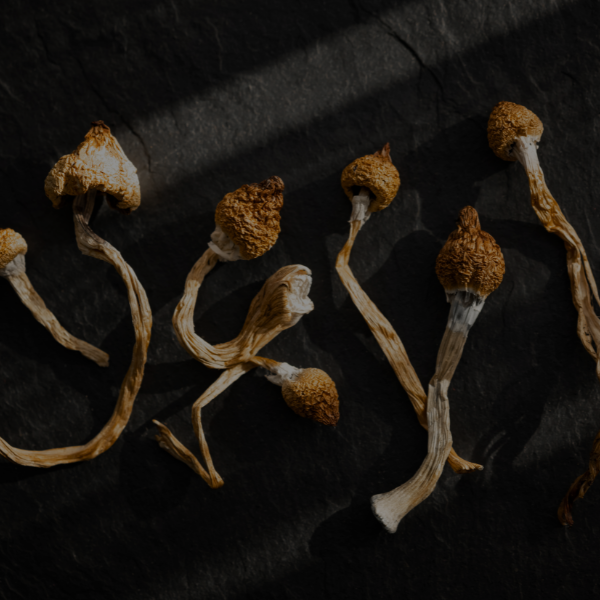
Whole Dried Mushrooms: This is the most traditional way to go, giving you a direct connection to the mushroom in its natural form. It's perfect for anyone who enjoys the ritual of preparing tea or wants total control over their dose, though it does require a bit of careful measurement.
Capsules: For anyone who values consistency and convenience, capsules are a fantastic option. They deliver a pre-measured dose of mushroom extract, which makes managing a daily functional mushroom regimen or a psilocybin microdosing schedule incredibly simple.
Edibles (Gummies & Chocolates): These are a delicious and approachable way to get your dose. Edibles are excellent for masking the earthy flavor of mushrooms and offer a straightforward, pre-dosed format that’s both discreet and easy to enjoy.
Tinctures and Extracts: These liquid formulas are absorbed quickly and offer amazing dosing flexibility. You can adjust your serving drop by drop, making tinctures a great choice for fine-tuning your ideal dose or mixing it into your favorite drink.
For managing chronic inflammatory pain, capsules are often the go-to for their consistent, low-dose delivery. On the other hand, someone looking to rewire their brain's perception of pain might opt for whole mushrooms for less frequent, more intentional sessions.
How to Identify a Reputable and Safe Source
Just as crucial as the format is the source. The quality, potency, and safety of mushroom products can vary wildly from one brand to the next. Knowing what to look for is absolutely essential for your safety and for getting the results you want.
The single most important factor when choosing a product is transparency. A trustworthy company will be completely open about its sourcing, lab testing, and ingredients. That’s how you gain the confidence that what’s on the label is exactly what’s in the bottle.
When you're looking at a retailer like The Magic Mushroom Delivery, there are a few key quality markers to keep an eye on. These signs of a high-quality operation ensure the product you get is both safe and effective for your pain management journey.
To make sure you’re getting a top-tier product, always look for these things:
Third-Party Lab Testing: This is completely non-negotiable. Reputable sellers will always provide a Certificate of Analysis (COA) from an independent lab. This document verifies the product's potency (like the amount of psilocybin or beta-glucans) and proves it’s free of nasty contaminants like heavy metals, pesticides, or mold.
Organic Sourcing: Mushrooms are like little sponges—they absorb everything from their environment. Choosing products made from organically grown mushrooms is your best bet to avoid ingesting any unwanted chemicals.
Clear Labeling: A good label will tell you everything you need to know: the mushroom species, the exact amount per serving, whether it’s from the fruiting body or mycelium (fruiting bodies are generally better), and a complete list of any other ingredients. Vague labels are a huge red flag.
Extraction Method: For functional mushrooms, you want to see terms like "dual-extract." This means the producer used both hot water and alcohol to pull out the full spectrum of beneficial compounds from the mushroom. If you're ready to explore, you can learn more about the best functional mushroom supplements and what sets them apart in our detailed guide.
Arming yourself with this checklist helps you see past the marketing hype and make a decision based on real, verifiable quality. It's the best way to ensure your journey with mushrooms for pain relief is as safe and beneficial as it can possibly be.
Protocols for Safe Dosing and Responsible Use

When you’re looking to mushrooms for pain relief, your approach is everything. A mindset built on safety, responsibility, and clear goals is your best bet for a positive outcome. This is true whether you’re using functional mushrooms for their anti-inflammatory power or psilocybin to shift how your brain processes pain.
Think of this section as your roadmap to responsible use. We'll break down the key ideas you need to move forward confidently, covering different dosing strategies and the universal rules that always apply.
The Universal Rule of Dosing
No matter what kind of mushroom you're taking, one principle stands above all others: start low and go slow. This isn't just a catchy phrase—it's about respecting these powerful natural compounds and giving your body the space to adapt. It’s always easier to add a little more later than to deal with the consequences of taking too much, too soon.
It’s like adding spice to a new recipe. You can always sprinkle in more, but you can’t take it out once it's mixed in. This careful approach helps you find your personal “sweet spot”—the smallest effective dose that gives you the relief you want without any unwelcome side effects.
Dosing Functional Mushrooms for Daily Support
For functional mushrooms like Reishi or Lion’s Mane, the name of the game is consistency. These mushrooms work their magic over time, building up their anti-inflammatory and supportive effects in your system. This slow-and-steady approach makes them a fantastic tool for managing chronic pain tied to inflammation.
So, how much should you take? The exact amount can vary depending on the mushroom and how concentrated the product is.
- Follow Product Guidelines: Always check the packaging first. Reputable brands provide clear serving size suggestions, and that's the best place to start your journey.
- Typical Ranges: As a general rule, daily doses for powders or extracts usually land somewhere between 500mg and 2,000mg.
- Listen to Your Body: Pay close attention to how you feel. The goal is consistent use, so find a dose that fits easily and comfortably into your daily routine.
Remember, the effects are cumulative. You'll likely notice the benefits for pain and inflammation becoming more apparent with steady, long-term use.
Understanding Psilocybin Dosing for Pain Relief
Dosing gets a bit more complex when you're using psilocybin mushrooms. Here, the goal isn't just about the physical amount but also the kind of experience you want. This is where you’ll hear terms like microdosing and macrodosing. For an even deeper dive, our comprehensive psilocybin dosage guide is an excellent resource.
Microdosing means taking a sub-perceptual amount—usually 0.1 to 0.3 grams of dried mushrooms—on a set schedule. The idea is to tap into the therapeutic benefits, like a better mood and altered pain signals, without any of the classic psychedelic effects. You can go about your day completely normally.
Macrodosing, on the other hand, is a full-on psychedelic experience. Taking a larger, intentional dose can be a powerful way to rewire your relationship with chronic pain on a much deeper level.
Set and Setting: The Two Pillars of a Safe Psilocybin Experience
"Set" is all about your mindset—your intentions, mood, and what you expect from the experience. "Setting" is your physical environment and the people you're with. A calm, comfortable, and safe setting combined with a positive mindset is absolutely critical for a constructive journey.
Because psilocybin can temporarily raise your heart rate or cause some anxiety, being in a secure and supportive space is non-negotiable.
Psilocybin Dosing Guide for Pain Management
To help you make an informed choice, this table breaks down the common dose ranges for psilocybin and the kinds of effects you can generally expect from each.
| Dose Level | Dried Mushroom Amount (grams) | Expected Effects & Use Case |
|---|---|---|
| Microdose | 0.1 g – 0.3 g | Sub-perceptual. Used for long-term mood support and potential pain modulation without any intoxicating effects. |
| Low Dose | 0.5 g – 1.5 g | Mild euphoria, brighter senses, and slight shifts in thinking. A great starting point for beginners or for gentle relief. |
| Moderate Dose | 1.5 g – 3.0 g | Clear visual and auditory changes, deep introspection, and major shifts in perception. Best for intentional therapeutic work. |
| High Dose | 3.0 g+ | An intense psychedelic experience with powerful visuals and the potential for profound insights. For experienced users in a controlled, safe setting only. |
Ultimately, whether you're adding a functional mushroom to your morning coffee or planning an intentional psilocybin session, responsible use is the foundation for success. By starting low, knowing your product, and preparing your mind and environment, you're creating the best possible conditions to find real relief from your pain.
Frequently Asked Questions About Mushrooms and Pain
With all the buzz around mushrooms for pain, it's completely normal to have questions. Let's cut through the noise and get straight to the practical answers you're looking for, connecting the science with your own wellness path.
How Long Until I Feel Pain Relief?
This is the big question, and the answer really breaks down into two different timelines, depending on whether you’re talking about functional mushrooms or psilocybin.
Think of functional mushrooms like Reishi or Chaga as a long-term strategy for your body. Their magic is cumulative. You won't feel a huge shift overnight. Instead, with consistent daily use over a few weeks, you might start to notice that background inflammatory pain, stiffness, and general discomfort are gradually fading. It's all about building a healthier foundation from the inside out.
Psilocybin mushrooms, on the other hand, can work much, much faster. When you take a moderate to high dose, you can feel changes in your pain perception during the experience itself, which usually lasts 4 to 6 hours. Many people report their pain just doesn't bother them as much, or it even seems to vanish for a while. The truly wild part is that for some folks, especially those dealing with stubborn nerve pain, that relief can stick around for weeks or even months after just one session.
Here's the key difference: Functional mushrooms work slowly to cool down physical inflammation in your body. Psilocybin works quickly to rewire how your brain actually processes and emotionally reacts to pain signals.
Can I Combine Functional and Psilocybin Mushrooms?
Absolutely. Not only can you, but it's a popular practice often called "stacking." The idea is to tackle pain from two different angles at once, creating a powerful one-two punch.
Stacking pairs the slow-and-steady, body-based benefits of functional mushrooms with the fast-acting, brain-focused reset of psilocybin.
- The Body-Focused Crew: A daily dose of functional mushrooms like Reishi, Turkey Tail, or Lion's Mane works around the clock to manage underlying inflammation, give your nerves support, and build up your body's overall resilience.
- The Brain-Focused Specialist: A planned, intentional psilocybin journey every so often can help shatter chronic pain cycles, disconnect the emotional baggage tied to pain, and create lasting shifts in how your brain handles those signals.
For instance, someone might take a Lion's Mane supplement every day to help support nerve health while planning a monthly macrodose of psilocybin to deal with the deep-seated, neurological side of their pain. Many see this as a far more complete way to manage complex pain.
How Do Mushrooms Differ from Traditional Painkillers?
Mushrooms and conventional painkillers like ibuprofen (an NSAID) or opioids are playing two completely different games. Grasping this difference is crucial to understanding why mushrooms are such a unique option.
Most traditional painkillers are designed to block signals or just paper over the symptoms.
- NSAIDs work by shutting down enzymes that create prostaglandins—the chemicals that shout "inflammation!" and "pain!" to your body. They're great for short-term inflammatory pain but can cause things like stomach problems if you use them for too long.
- Opioids attach to specific receptors in your brain and spinal cord, basically putting a roadblock in front of the pain signal. They're very effective at blocking the sensation of pain, but they don't fix the underlying problem and carry a serious risk of dependence and other major side effects.
Mushrooms, on the other hand, take a much more holistic approach.
- Functional Mushrooms act as "immunomodulators." They don't just shut down inflammation; they help your immune system find its balance so it doesn't overreact in the first place. Think of it as fixing the faulty wiring instead of just silencing the fire alarm.
- Psilocybin doesn't block pain. Instead, it gets in there and changes how your brain interprets the pain signals it receives. It can help untangle the physical sensation from the emotional suffering that often comes with it, which can be life-changing.
Who Should Be Cautious with Mushrooms for Pain?
While the potential here is exciting, mushrooms aren't a one-size-fits-all solution. It's vital to be smart and cautious, and talking to a doctor or healthcare professional you trust is always the best first move.
Some people need to be especially careful:
- Individuals with Pre-existing Mental Health Conditions: While psilocybin is being studied for things like depression, it can be a real risk for anyone with a personal or family history of psychosis or schizophrenia. If you're going to explore it, a safe, therapeutic setting is a must.
- People on Certain Medications: Mushrooms can interact with other drugs. Functional mushrooms might interfere with blood thinners or blood sugar meds. Psilocybin should never be mixed with certain antidepressants (like SSRIs) or other psychiatric medications without a doctor's supervision.
- Pregnant or Breastfeeding Individuals: There just isn't enough research on how most mushrooms affect you during pregnancy or while breastfeeding. It's best to play it safe and avoid them during this time.
- Those with Mushroom Allergies: This one might seem obvious, but if you know you're allergic to mushrooms, you should steer clear of all mushroom-based products.
Using them responsibly is everything. When you understand the potential risks and get professional advice, you can make a smart, informed choice about whether exploring mushrooms for pain relief is right for you.
Ready to explore high-quality, trusted mushroom products for your wellness journey? At The Magic Mushroom Delivery, we offer a curated selection of organic, lab-tested functional and psilocybin mushrooms to support your goals. Visit us online to find the right product for you.