
Psytrance, short for psychedelic trance, is a fast electronic music style built around 138-150 BPM and a tightly interlocked kick-and-bass pattern. It's the kind of sound that can pull you in before you even know what you're hearing, and then suddenly you're asking why every act on the lineup seems to orbit the same strange, luminous world.
You've probably seen it the same way most newcomers do, on a festival poster, in a late-night YouTube rabbit hole, or in a playlist where the track titles sound like they belong to another planet. The music is only half the story, though. Psytrance makes a lot more sense once you understand the scene behind it, because this genre grew up as a social culture as much as a sound.
Stepping Into the World of Psytrance
You're standing on an outdoor dancefloor after midnight, and the crowd is moving like one body under strobe light and smoke. The bass doesn't just hit, it locks in, and suddenly the whole space feels coordinated without anyone giving directions. That's the basic psytrance experience, a genre that turns rhythm into shared momentum.
Psytrance is a subgenre of trance and electronic dance music shaped by the Goa beach-party scene in India. Histories of the style place its formative period in the early 1990s, with one account noting that Goa-specific labels appeared around 1993 and that the scene's global spread also began around then, while another places the first Goa psytrance wave's “golden age” in 1994–1997. That timeline matters because it shows this wasn't a random EDM trend, it grew out of a long-running backpacker and club network connecting India, Europe, and Israel. The genre's origin story is a movement story as much as a music story. A post-colonial history of psychedelic trance
Why the label matters
People often call everything “fast trance,” but psytrance has its own identity. The beat pattern, the production choices, and the festival culture all point in the same direction, a music built for continuous motion and communal immersion.
Practical rule: if a track feels like it's trying to hypnotize you through repetition, pressure, and color rather than through a big vocal hook, you're probably in psytrance territory.
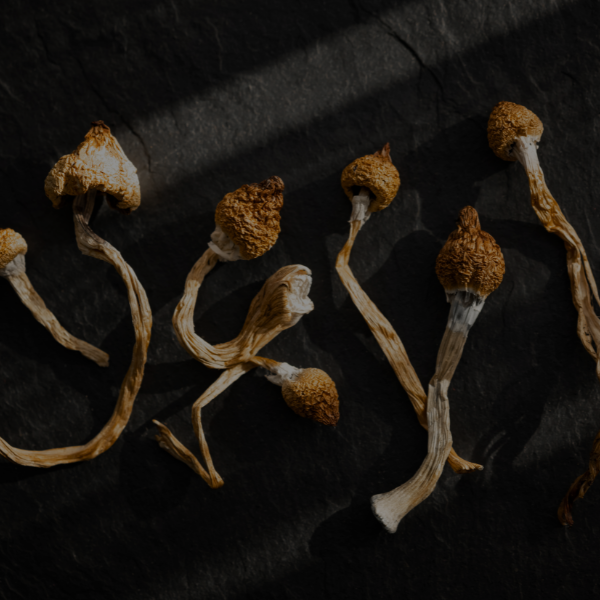
That's also why the rest of the genre makes more sense when you hear it as a scene. The music is tied to outdoor gatherings, visual art, and long-form dancing in a way that mainstream club EDM usually isn't. If you're curious about how that broader psychedelic atmosphere gets described in other contexts, this trippy reference from The Magic Mushroom Delivery gives a good sense of the visual language people often associate with altered, surreal experiences.
The Sound and Architecture Behind the Music

Psytrance works because its low end behaves like a machine with two parts designed to move together. A short, tuned kick lands on every quarter note, and a rolling bass pattern fills the spaces between those hits, usually in 16th-note motion. Instead of hearing kick and bass as separate layers, you hear one continuous engine pushing the track forward. Melodigging's psytrance production overview
The tempo gives the music its stride
The most common tempo zone sits around 138-150 BPM, which is quick enough to feel relentless but still controlled. That speed gives dancers a steady forward pull, like driving in a gear that's high enough to stay fast but low enough to keep the engine responsive. Some substyles sit a little lower or higher, but the shared feeling is the same, motion that never fully relaxes.
The reason this works so well on a big system is simple. The kick needs space, the bass needs to stay tightly organized, and neither one can smear across the other. That's why mix decisions like sidechain, gating, and spectral separation matter so much in psytrance, they keep the low end clean enough to stay powerful.
The upper layers bring the psychedelic part
Once the rhythm section is locked, the top end starts painting. You'll hear shimmering hi-hats, lush pads, acid-style leads, and little vocal fragments that feel more like texture than lyrics. Those sounds don't usually try to sing a melody in the pop sense, they swirl, flicker, and bend around the groove.
The strongest psytrance tracks feel engineered for propulsion first, decoration second.
That's the key to hearing the genre properly. If you listen only for a drop, you miss the craft. If you listen to how the low end and the sparkly top end interact, the track starts to feel like a designed environment instead of just a song.
Origins on the Goa Beaches and the Global Spread
A lot of psytrance history starts with movement. The late 1960s hippie trail brought international wanderers to Goa, and the beach circuit kept evolving through years of music swapping, community building, and border-crossing culture. By the late 1980s and early 1990s, returning travelers and DJs were shaping outdoor parties into something new, and the sound was settling into the identity we now call psytrance. A post-colonial history of psychedelic trance
Goa turned a party into a language
Goa was not just a local scene forming in isolation. It became a meeting point where Indian beaches, European club culture, and Israeli dance music sensibilities blended into a single recognizable style. By the early 1990s, Goa-specific labels were appearing, and the genre's global spread started to speed up. Multiple histories converge on that moment because the scene had become self-aware enough to name itself.
The spread that followed was fast and wide. By the end of the 1990s, the style was firmly established in places like Europe, Israel, Japan, South Africa, and Australia, which shows how much the music depended on travelers and festival networks. Rather than traveling as a packaged commercial product, psytrance moved through people carrying tapes, records, and ideas from one dancefloor to the next.
Samothraki showed how big it could get
A useful anchor for that international leap is the Samothraki Dance Festival in Greece. A 2013 academic paper describes it as drawing over 30,000 people from more than 80 nationalities during its 2001–2003 peak years. That gives a clear sense of what psytrance had become by the early 2000s, a transnational festival culture built for large outdoor gatherings rather than small club rooms. TTG 2013 paper on Samothraki Dance Festival
That history is why psytrance still feels tied to pilgrimage, movement, and gathering. The scene did not begin with one city inventing a sound and exporting it. It grew through a network of people carrying a way of listening and socializing across continents.
The Main Subgenres Every Newcomer Should Know
Psytrance isn't one single flavor. It's a family, and each branch changes the emotional tone by adjusting pace, bass character, and the amount of space left in the arrangement. If you know the major substyles, you can walk into a lineup and hear the difference almost immediately.
The basic map
Full-on sits near the energetic end of the spectrum, usually brighter, more melodic, and built for peak-time momentum. Progressive psy pulls the tempo back and leans into a groovier, steadier flow, which makes it feel more patient and late-night friendly. Forest and dark psy tend to go deeper, rougher, and more eerie, with a darker palette and a stronger sense of texture than melody.
Goa trance is the older, more direct ancestor in spirit, with a classic psychedelic character and a strong link to the genre's early history. Tech-psy and psytech borrow more from techno's precision and propulsion, so the arrangements can feel tighter and more mechanical while still keeping psychedelic detail.
| Psytrance Subgenres at a Glance | Typical BPM | Bass Character | Signature Vibe |
|---|---|---|---|
| Full-on | 140-150 BPM | Punchy and driving | Bright, melodic, peak-time energy |
| Progressive psy | 130-140 BPM | Smoother and groovier | Steady, rolling, late-night flow |
| Forest / dark psy | 145-155 BPM | Dense and textured | Eerie, deep, atmospheric |
| Goa trance | Varied, often fast | Classic rolling low end | Organic, nostalgic, highly psychedelic |
| Tech-psy / psytech | Varied, often fast | Tight and mechanical | Sharp, minimal, techno-leaning |
How to choose your first branch
If you like melody, start with full-on. If you want to settle into a longer groove, start with progressive psy. If you're drawn to shadowy sound design and less obvious hooks, dark and forest styles might click faster. The family resemblance is obvious once you know what to listen for, but the personalities are different enough to shape the whole night.
Listening shortcut: follow the bass character first, not the synths. Once your ear locks onto the low end, the rest of the style becomes easier to sort.
The Scene, Festivals, and Dancefloor Etiquette
Psytrance is built for gatherings, not just for playback. The genre came up through outdoor parties, and that context still shapes everything from stage design to how people move on the floor. If you've only known club EDM, psytrance can feel less like a show and more like a temporary village built around sound.

Why the setting matters so much
Large outdoor events suit psytrance because the music is long-form and immersive. There's room for decor, light shows, and themed stages, but there's also room for the kind of dancing that doesn't need a VIP section or a drop every minute. The scene values shared space, and that shows up in how people dress, move, and look after each other.
The social layer matters just as much as the sound. Independent writing on psycultures describes psytrance as a community centered on festivals, personal transformation, and collective experience, which helps explain why the vibe feels different from mainstream club culture. Psycultures and collective experience
Basic dancefloor etiquette that actually helps
- Respect personal space. Psytrance dancefloors can get crowded, so give people room to move without pressure.
- Carry water and pace yourself. Long sets reward steady energy more than sprinting out of the gate.
- Keep your footprint light. If you bring something in, take it back out. That goes for trash, gear, and your own mess.
- Treat photos carefully. A lot of people come to disconnect from being watched, so don't assume everyone wants a camera in their face.
The emotional tone of the scene is often gentler than outsiders expect. People are there to dance hard, yes, but they're also there to build a temporary community around music, visuals, and mutual care. If you want a playful sideways look at festival downtime, these ideas for things to do on a trip sit in the same broader world of mindful, experience-focused planning.
Starter Tracks, Key Labels, and Production Basics
The easiest way into psytrance is to listen with intention, then follow the artists and labels that shaped the sound. Early Goa-era names give you the genre's roots, while modern full-on and progressive producers show how the style evolved without losing its engine. If you start with a few reference points instead of a random shuffle, your ear learns faster.
Where to begin listening
A practical starting path is to sample three lanes. First, classic Goa material from the foundational era, because that's where the genre's psychedelic DNA is easiest to hear. Second, modern full-on tracks, because they show the current peak-time sound and the polished low-end design. Third, progressive and darker cuts, because they reveal how much variety the genre can hold while still staying recognizably psytrance.
Several artists are worth following as touchstones, including early names tied to the Goa and psy-trance lineage and later scene figures who pushed the production side forward. The research material here points to artists like Simon Posford, Astrix, Infected Mushroom, Hallucinogen, Union Jack, X-Dream, and others as meaningful reference points in the wider trance ecosystem. You don't need to know every name at once, just enough to hear how the style changed across generations.
What beginners should learn first in production
The most important production skill is balancing the kick and bass so they feel like one instrument. That's the core of the genre, and everything else sits on top of it. After that, a new producer should learn how to shape leads and atmospheres without cluttering the low end, because psytrance falls apart fast when the mix gets muddy.
The tools don't need to be exotic. Most producers work in a DAW they're comfortable with, then lean on synths, EQ, compression, and careful low-end control. The genre rewards patience more than flashy tricks, since the punch comes from discipline, not from piling on sounds.
Studio advice: if the kick doesn't read clearly on a bad speaker, the rest of the track won't save it.
For a more vibe-heavy rabbit hole into listening culture, this guide to songs people like while stoned sits close to the same curiosity that draws many newcomers toward psychedelic genres in the first place.
Beginner FAQs for the Curious Newcomer
A typical psytrance set often feels longer than a standard club slot because the music is designed for gradual buildup and sustained flow. That's part of why it works best when you settle in instead of treating every track like a standalone hit.
For clothing, think practical and layered, especially at outdoor festivals. You want shoes you can stand in for a long time, clothing that handles heat and cool nights, and enough comfort to dance without thinking about it. The scene isn't about fashion rules, it's about being able to move.
You absolutely can enjoy psytrance without any altered-state context. Plenty of people come for the rhythm, the visuals, the community, or the sheer physicality of the bass. The genre's appeal is bigger than any single experience around it.
If you're wondering how it differs from regular trance, the short answer is the engine. Psytrance usually leans harder into the kick-and-bass pulse, the psychedelic textures, and the festival atmosphere, while regular trance often centers bigger melodic arcs and more obvious breakdowns. If you have one hour to start, pick one classic Goa track, one modern full-on track, and one progressive cut, then listen for what stays the same across all three.
The Magic Mushroom Delivery is a useful next stop if you're exploring psychedelic culture with care and curiosity. It offers a broad educational and product-oriented gateway for adults in the U.S. who want to learn more about mushrooms and related experiences. Visit The Magic Mushroom Delivery to explore its selection and resources at your own pace.