
You're probably here because the first step feels fuzzy. You've heard people talk about shrooms, seen products online, maybe noticed mushroom content everywhere, and now you want a straight answer to one practical question: shrooms how to find them safely.
That question usually leads in two very different directions. One path is controlled and convenient: finding products through a vetted online seller. The other is older and more hands-on: learning to spot mushrooms in the wild. Both can be real options. They are not equally beginner-friendly, and confusing them is where people get into trouble.
The safest way to approach this topic is to separate curiosity from action. Curiosity says, “I want to learn what's out there.” Action says, “I want a reliable way to access mushrooms without guessing.” Once you make that distinction, the process gets much clearer.
Starting Your Search for Shrooms
It often starts the same way. Someone is sitting with ten browser tabs open, one article says to forage, another points to gummies, and a third uses so much slang that the whole topic feels harder than it should. If that is where you are, the first job is simple. Narrow the question.
“Shrooms how to find” can mean two very different things. You might be trying to find a product from a seller you can evaluate before you buy. Or you might be trying to learn how wild mushrooms are identified in the field. Those are separate skills, and treating them like the same task causes avoidable mistakes.
A safer search starts with your goal, not your curiosity alone.
If you want a controlled buying process, start by learning where to buy magic mushrooms online from vetted sellers. If you feel drawn to foraging, treat it like learning a new outdoor skill, the way you would learn map reading or plant identification. It takes time, repeated practice, and respect for risk.
A helpful way to sort your options is to ask four plain questions:
- Do you want predictable products? Online retail is usually easier to assess because you can review labels, ingredients, and store policies before making a choice.
- Do you want to identify mushrooms yourself? Wild foraging requires training, patience, and local knowledge. It is not a beginner shortcut.
- Are you new to mushroom products overall? Fewer variables usually means better safety. A known product is easier to evaluate than an unknown mushroom outdoors.
- Do you need convenience and privacy? A well-run digital storefront is easier to review carefully than a field guide used in real time.
Here is the rule that keeps beginners out of trouble: pause any time you cannot clearly explain what the item is, where it came from, and why you trust that source.
That mindset matters because “finding shrooms” no longer means only spotting something growing outside. For many beginners, it means finding a source that explains its products clearly, uses consistent labeling, and gives you enough information to make a calm decision. The mushroom matters, of course. The sourcing process matters first.
Navigating the Online Mushroom Marketplace
For most adults looking for a straightforward answer to shrooms how to find, the online route is the least confusing. You're not trying to identify a species from cap shape, stem texture, or bruising patterns. You're evaluating a store, a product page, and the information that comes with it.

What a strong online storefront looks like
A trustworthy marketplace should feel organized, not chaotic. You should be able to tell what's being sold, how it's categorized, and what kind of experience each product format is meant for. That matters because dried mushrooms, capsules, chocolates, gummies, and mushroom coffee all create different buying decisions.
A good product page usually answers basic questions without forcing you to hunt for them:
| What to check | Why it matters |
|---|---|
| Product form | Dried mushrooms and edibles require different expectations around use and storage. |
| Clear labeling | You should know exactly what category you're browsing. |
| Ingredient transparency | Blended products need especially clear ingredient lists. |
| Usage guidance | Educational context helps beginners avoid impulsive choices. |
Some readers want one place to compare formats before ordering. A practical example is this guide on where to buy magic mushrooms online, which shows how curated category pages can simplify the search process.
What makes online sourcing easier for beginners
The biggest advantage of online sourcing is control. In nature, two mushrooms that look similar may be very different. In a well-run store, the goal is the opposite: reduce ambiguity.
Here's what to prioritize when browsing:
Product variety with a reason
Variety is useful when it helps you choose. It's less useful when it feels random. A solid store explains why someone might prefer capsules over dried mushrooms, or chocolates over loose material.Educational support
Beginners need plain language. Look for stores that explain product types, expected differences, and basic care or storage.Visible testing information
If a seller discusses lab testing or Certificates of Analysis, that's a sign they understand customer safety concerns and are willing to be examined, not just believed.
The best online marketplace doesn't just sell products. It reduces guesswork.
Red flags during browsing
If the site makes dramatic promises, hides basic product details, or uses vague descriptions for everything, step back. You're not just shopping. You're checking whether the seller respects the customer enough to be clear.
A clean online experience should leave you feeling informed, not rushed. If you end a browsing session with more confusion than you started with, that store hasn't earned your trust yet.
How to Verify an Online Shroom Vendor
Finding a product is easy. Verifying the seller takes more discipline. Many people often move too quickly at this stage.

Use a simple four-point check
You don't need advanced industry knowledge to vet a vendor. You need a repeatable checklist and the patience to use it.
Read customer feedback carefully
Don't just look for praise. Look for specific comments about delivery, packaging, product clarity, and support. Short, generic reviews tell you less than detailed ones.Check site professionalism
A serious retailer invests in a functioning site, readable product pages, and consistent information. Broken pages, thin descriptions, and sloppy copy suggest weak internal standards.Look for lab transparency
Third-party testing matters because it shows the seller is willing to document what they offer. If testing is mentioned, it should be easy to locate and understand.Test support before buying
Send a basic question. Ask about product categories, order steps, or what information they provide after purchase. The response tells you a lot about how they treat customers.
For people comparing brands, this Real Mushrooms brand page is a useful example of how product-focused pages can present information in a more structured way.
What “trustworthy” feels like in practice
Trust usually shows up in small details. The seller doesn't dodge straightforward questions. Product naming is consistent. The checkout process looks secure. Information is easy to find without clicking through a maze.
A quick comparison can help:
| Vendor signal | Good sign | Caution sign |
|---|---|---|
| Reviews | Specific, balanced, recent feedback | Only vague praise |
| Product pages | Detailed and readable | Thin or inconsistent |
| Lab info | Clearly referenced and accessible | Mentioned vaguely or missing |
| Support | Prompt and informed | Slow, unclear, evasive |
“If a vendor won't help you before the order, they probably won't help you after it.”
One mistake to avoid
Don't confuse a polished brand voice with actual transparency. Nice visuals help, but they aren't proof of quality. Verification means checking what the business shows you, not what the design makes you feel.
That mindset keeps online ordering grounded. You're not looking for hype. You're looking for signs of care, competence, and consistency.
The Art of Discreet and Responsible Ordering
Once you've found a seller you trust, the ordering process should feel calm and predictable. That matters because privacy is often one of the biggest concerns for first-time buyers.

What to expect from a professional order flow
Responsible ordering starts before checkout. Read the product page fully. Make sure you understand the form you're buying, any stated packaging details, and whether the company explains shipping clearly.
Then pay attention to these points:
Discreet packaging
Professional retailers usually ship in plain, unmarked packaging. That protects privacy and keeps the delivery process low-profile.Secure checkout
The payment page should look legitimate and function smoothly. If anything feels improvised or inconsistent, stop.Order communication
A good seller confirms the order, provides tracking when available, and keeps you informed without forcing you to chase updates.
Responsible ordering means not rushing
People sometimes rush the final step because they feel they've already done the research. But checkout is still part of the safety process. Here, you confirm the seller's standards are carried through to fulfillment.
Ordering insight: A discreet package is helpful, but clear communication is what makes the whole experience feel reliable.
It also helps to think beyond delivery day. Ask yourself where the product will be stored, who has access to your space, and whether you've chosen a format you understand. Responsible ordering isn't only about getting a box to your door. It's about making sure the full chain, from click to storage, stays thoughtful and private.
Exploring Wild Mushrooms with Caution
You spot a mushroom in a grassy field that seems to match a photo you saw online. The cap shape looks close. The color seems right. That is the point where beginners often feel more certain than they should.

Wild foraging can be rewarding as a study practice, but it asks for a different level of care than buying from a verified online retailer. You are not identifying one simple, uniform product. You are sorting through multiple species, changing growth stages, weather effects, and look-alikes that can appear convincing to an untrained eye.
Habitat knowledge helps narrow a search. It does not confirm identity.
Some mushrooms associated with psilocybin are found in grassy areas and pastures. Others prefer wood-rich debris or decaying material. That information is useful in the same way a neighborhood can help you find a house. It gets you into the right area, but it does not tell you which door is safe to open.
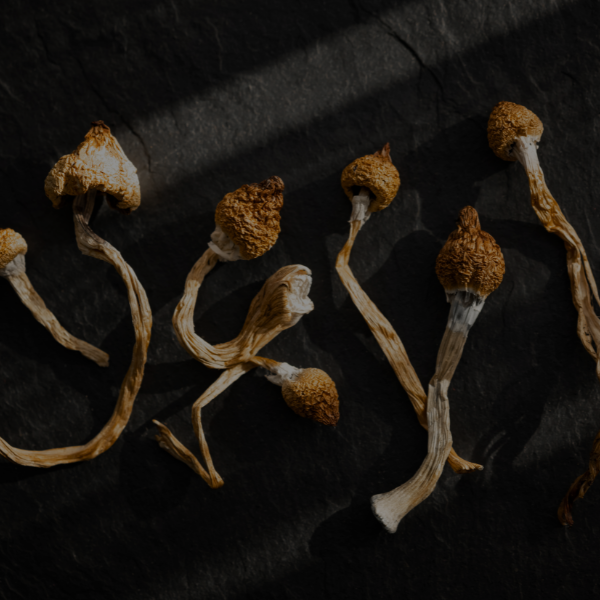
Visual clues can also mislead. Blue bruising is often discussed as a field sign, but it should never be treated as proof on its own. Color shifts vary by age, handling, moisture, and species. Photos add another layer of confusion because lighting can flatten details that matter, such as gill attachment, stem texture, or the way bruising develops over time.
If you want a beginner-friendly comparison point, this guide to common mushroom look-alikes and visual traits shows how easy it is for two mushrooms to look similar at first glance while being very different in practice.
Urban foraging needs more skepticism, not less
Parks, mulch beds, and cultivated edges can seem easier than remote areas because they are close by and easy to revisit. New foragers often assume that convenience lowers risk. It does not.
Urban spots can produce confusing mixes of species in human-disturbed material. Ground contamination is also harder to judge than it appears. Herbicides, roadside runoff, pet waste, and treated landscaping materials all add uncertainty before identification even enters the picture.
A practical field note from The Level's article on picking shrooms is that accessible public areas can create a false sense of confidence. Easy access does not equal easy identification.
Keep these points in mind:
Wood chips and mulch can attract attention quickly
They can also contain several similar-looking species growing side by side.Phone photos are a starting point, not an answer
Identification often depends on details a single image cannot capture clearly.Condition matters as much as appearance
Old, damaged, waterlogged, or partially dried specimens are harder to assess safely.Location does not make a mushroom trustworthy
A city park, trail edge, or backyard still requires the same careful verification.
Wild mushroom identification is a trained skill, not a fast visual match.
A short visual explainer can help reinforce why in-person expertise matters:
What a responsible beginner actually does
A careful beginner studies first and collects later, if at all. That usually means using regional field guides, learning seasonal patterns, taking clear notes on habitat and physical features, and getting confirmation from an experienced mycology group or qualified identifier before considering anything further.
There is also a safer mindset that helps. Observation counts. You do not need to harvest a mushroom to learn from it. Taking photos, recording where it was found, and comparing those notes with expert feedback builds skill without turning uncertainty into risk.
For many newcomers, that is the smartest role for foraging. It is an education path, not the easiest sourcing method.
Your Next Steps to a Safe Shroom Experience
If you came here asking shrooms how to find, the clearest answer is this: find the safest process first, then find the product.
For most newcomers, that means starting with a vetted online vendor rather than trying to identify wild mushrooms on sight. Online sourcing lets you slow down, compare options, read product details, and evaluate the seller before anything arrives. It gives you a more controlled starting point.
Foraging has value, but it works best as a study practice. It rewards patience, regional knowledge, and expert feedback. It doesn't reward confidence without training.
A good decision usually looks like this:
- Choose online sourcing if you want consistency, privacy, and a more predictable buying experience.
- Choose foraging education if you're interested in mushroom knowledge as a long-term skill and you're willing to learn carefully.
- Choose caution every time if anything feels uncertain, unclear, or too fast.
Start with the option that gives you the fewest unknowns.
That approach isn't less adventurous. It's more responsible. And responsibility is what gives people the best chance at a confident, grounded mushroom experience.
If you want a straightforward place to browse mushroom products with educational support, discreet delivery, and a clear online ordering experience, The Magic Mushroom Delivery is a practical next stop for adults 21+ who want to explore their options carefully.