

A lot of people search for how to get most high when what they really mean is something a little more nuanced. They don't just want stronger effects. They want the experience to feel bigger, clearer, more emotional, more insightful, and less chaotic.
That difference matters.
If your only strategy is “take more,” you're leaving out the factors that often shape the journey most. A profound experience usually starts before anything is consumed. It comes from preparation, mindset, comfort, pacing, and what you do with the experience afterward. If you get those pieces right, the journey often feels deeper and more meaningful without turning into a rough ride.
The Foundation of a Profound Journey
The most reliable way to improve a psychedelic experience is to improve the conditions around it.
With psilocybin, set and setting matter more than many people expect. Set means your inner state. Your mood, expectations, stress level, intention, and emotional readiness. Setting means the outer environment. The room, the lighting, the sounds, the people around you, and whether you feel safe there.
Research-backed guidance on underserved care and context emphasizes that outcomes from psilocybin use are profoundly shaped by context, and that trust in your environment and support systems is a key determinant of the experience. It also notes that increasing safety, comfort, and predictability is often more effective for a positive outcome than increasing the dose, as discussed in this context-focused care article.

Start with your set
People often get confused here because “mindset” sounds vague. It's not. It's practical.
If you go into a journey while scattered, sleep-deprived, emotionally flooded, or secretly trying to force a breakthrough, that inner friction can show up strongly once the effects build. If you go in grounded and honest, the experience usually has more room to unfold.
A useful pre-journey check looks like this:
- Emotional state: Ask yourself whether you feel steady enough for an altered state today.
- Intention: Pick a simple reason for the journey. “I want clarity,” “I want to reflect,” or “I want to reconnect with myself” is enough.
- Mental clutter: Spend a little time journaling before you begin. Write down what's on your mind so you're not carrying it all in circles.
- Body readiness: If you're exhausted, overstimulated, or already anxious, waiting can be the smarter move.
Practical rule: Don't use a bigger dose to overpower a messy mental state. Clean up the mental state first.
Build a setting that feels safe
A good setting doesn't need to be fancy. It needs to feel secure.
Think of the room as part of the experience. Harsh lights, constant phone alerts, messy surroundings, and people drifting in and out can pull attention outward at the exact moment you need calm and trust. A soft, private, predictable space usually works better.
Set up your space before the day begins:
- Choose one main room. A bed, couch, or floor nest with pillows and blankets works well.
- Reduce interruptions. Silence notifications, lock the door if appropriate, and make sure you won't need to answer calls or handle errands.
- Keep comfort items nearby. Water, tissues, a light snack for later, and a place to lie down.
- Use gentle sensory input. Soft lighting, familiar music, and comfortable clothes help more than people think.
Choose your company carefully
The people around you can either deepen trust or create tension.
If you'll be with someone else, ask a simple question: do I feel more relaxed around this person, or more self-conscious? That answer matters. A calm, grounded sitter or trusted friend can make it easier to surrender to the experience. Someone who's chatty, distracting, judgmental, or unpredictable can pull the whole thing off course.
If you want to go deep, don't just prepare the dose. Prepare the room, the day, and the emotional tone.
A lot of “bad trips” are really bad containers. The medicine amplifies what's already there. When the container is thoughtful, the experience usually has more space to become positive, surprising, and useful.
Choosing Your Product and Potency
Once your foundation is solid, the next choice is form and potency.
Many readers seek a perfect formula. There isn't one. Product type changes convenience and feel, but it doesn't remove the basic truth that individual response varies a lot. Verified guidance on individualized care notes that two people can take the same amount and have very different experiences, and that factors like body size, metabolism, concurrent medications, sleep, food intake, and mental state can be more influential than dose alone, as summarized in this individualized care resource.
Common product forms
Different formats appeal to different people. The best one is usually the one you can dose carefully and understand clearly.
| Product form | What people like about it | What to watch for |
|---|---|---|
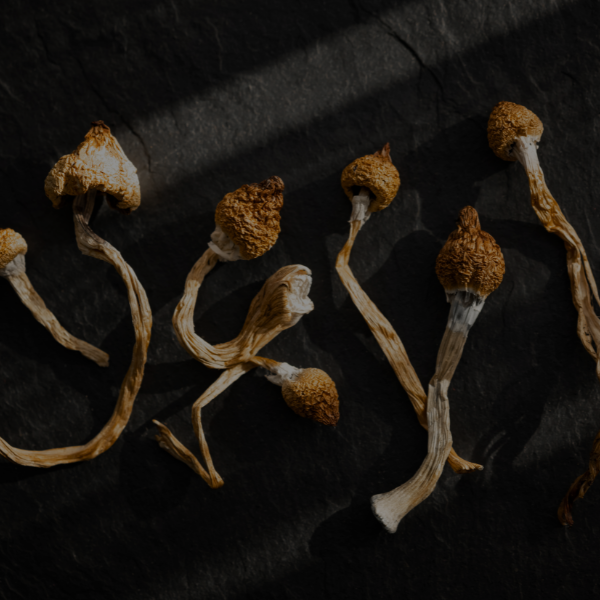
| Raw mushrooms | Familiar, direct, easy to identify by weight | Taste can be unpleasant, potency can vary |
| Capsules | Simple, discreet, no mushroom taste | Slower-feeling ritual for some users, depends on labeling clarity |
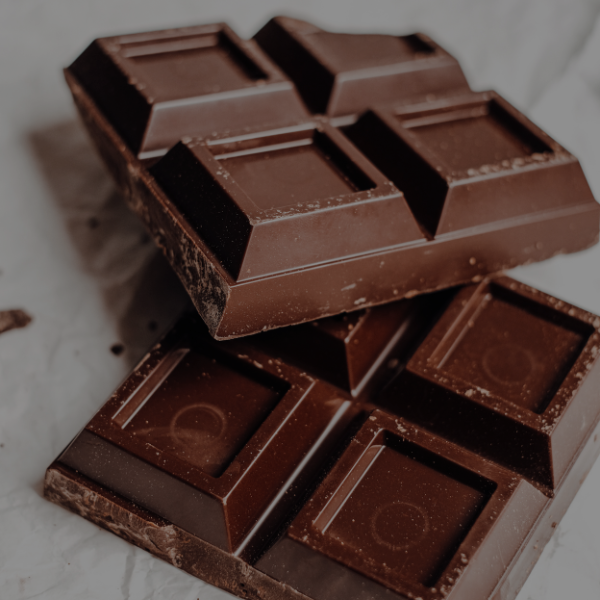
| Chocolates | Easier taste, approachable for beginners | Can tempt people to treat it casually like candy |
| Gummies | Convenient and portioned | Easy to overdo if you stop paying attention |
| Tea | Gentler ritual, sometimes easier on the stomach | Effects can feel different from chewing whole material |
If you want a broader explanation of why one batch or format may feel different from another, this guide on magic mushroom potency is a useful companion.
A general dosage guide
The table below gives a general frame for dried P. cubensis. It's a starting reference, not a promise about exactly how you'll feel.
| Dose Level | Dried P. Cubensis (grams) | Expected Effects |
|---|---|---|
| Micro | 0.1 to 0.3 | Subtle shifts in perception, mood, or focus, often without a full psychedelic arc |
| Low | 0.5 to 1.0 | Mild sensory enhancement, emotional softening, light changes in thought flow |
| Moderate | 1.0 to 2.5 | Noticeable visual and emotional effects, altered time sense, deeper introspection |
| High | 2.5 to 5.0 | Strong immersion, intense visuals, ego softening, less control over direction |
The confusing part is that this chart is only a map. It is not your body.
Why “same dose” doesn't mean “same trip”
Two friends can eat the same amount and one may feel gently expanded while the other feels fully launched. That doesn't mean the product is inconsistent. It often means the people are different that day.
Here are common variables that change intensity:
- Sleep quality: A tired mind can feel more fragile or more reactive.
- Food intake: A fuller stomach may slow onset. A lighter stomach may make effects come on more noticeably.
- Previous experience: Familiarity can change how a person relates to the rising effects.
- Current stress: Anxiety can amplify uncertainty, even at modest amounts.
- Body and metabolism: People process substances differently.
Conservative dosing is not timid. It's how you learn your own response without turning curiosity into damage control.
If your real goal is how to get most high in the sense of going deeper, the smarter move is often to start lower than your ego wants, observe carefully, and build future choices around your own pattern instead of somebody else's story.
Optimizing Consumption and Timing
How you take psilocybin shapes the beginning of the experience more than many people expect.
Some people chew and swallow. Some make tea. Some mix the material with food. None of those methods makes preparation irrelevant. The better question is which method fits your body, your stomach, and the kind of start you want.
Pick a method you can stay relaxed with
If chewing whole mushrooms makes you tense up before you even begin, that tension matters. Tea can feel gentler for some people, especially if stomach discomfort tends to distract them. Mixing with a small amount of food may help with taste, though it can also affect how quickly you notice the onset.
A few common approaches:
- Whole mushrooms: Straightforward and easy to track if you've weighed them carefully.
- Tea: Often chosen by people who want a softer ritual and less focus on texture.
- With light food: Useful if the taste is a hurdle, though heavy meals can change pacing.
- Focused preparation methods: Some people explore methods discussed in guides like this overview of lemon tek mushrooms, but any method should still be approached cautiously and with a clear understanding of your own sensitivity.
Time your day like it matters
A protected day changes everything.
If you're trying to squeeze a journey into a half-free afternoon between obligations, part of your mind will stay hooked into clock-watching. That makes surrender harder. You don't want to be wondering when to answer a text, walk the dog, or show up somewhere.
Use a simple day-of checklist:
- Clear your schedule. Give yourself enough space before, during, and after.
- Handle responsibilities early. Eat, shower, tidy up, and finish anything that might nag at you later.
- Turn off notifications. Silence is part of the container.
- Tell the right person if needed. If a trusted sitter is helping, make expectations clear before anything starts.
Consider a sober sitter for support
If you're inexperienced, feeling nervous, or planning a stronger session, a sober and trusted person can help keep the experience anchored. The key word is trusted. You want someone calm, not someone who will pepper you with questions or start managing your emotions for you.
A good sitter usually does three things well:
- Stays steady: Their calm helps your nervous system settle.
- Protects the space: They handle practical interruptions so you don't have to.
- Offers simple reassurance: Short reminders like “you're safe” or “this will pass” often work better than long speeches.
The ideal schedule leaves you with nowhere to rush and nothing to perform.
That protected container is one of the biggest differences between a scattered experience and a meaningful one. If you're serious about how to get most high in a way that feels rich and not reckless, timing is part of the dose.
Safely Enhancing Your Experience
Once the effects begin, enhancement doesn't have to mean adding more.
A lot of the most effective ways to deepen a trip are environmental. They help you lean in without forcing the intensity upward. Small changes can redirect the emotional tone quickly.
Use sensory cues on purpose
Music is one of the strongest tools you have. Vocal-free, ambient, or emotionally warm playlists usually work better than songs with jarring lyrics or aggressive shifts. Pre-select the playlist. You probably won't want to make choices mid-journey.

Closing your eyes can also deepen the experience. People sometimes chase intensity by looking for more stimulation, but internal attention often reveals more than an overstimulating room does. A blanket, eye mask, or dim room can help.
Shape the atmosphere instead of escalating the dose
Here are a few low-risk ways to enrich the experience:
- Change the music: If the mood turns tense, softer sound can shift it.
- Step into safe nature: A quiet yard, porch, or familiar outdoor spot can feel expansive if the setting is controlled.
- Adjust your body position: Lying down often helps if things feel fast or overwhelming.
- Keep water nearby: Not as a ritual, just basic comfort.
- Have simple snacks for later: Fruit, crackers, or tea can feel grounding during the comedown.
If you're still exploring product formats, retailers such as The Magic Mushroom Delivery offer educational content on difficult experiences alongside listings for raw mushrooms, chocolates, gummies, and capsules. That kind of comparison can help you think more clearly about format and preparation rather than defaulting to “more.”
Know what not to do
The biggest mistake during a rising experience is panic dosing. People sometimes feel impatient, assume “it isn't working,” and take more too soon. Then both amounts arrive together.
A better response is usually to wait, breathe, change one environmental factor, and let the experience unfold. If things feel challenging, reduce stimulation before making any major decision.
Integrating the Journey Afterward
The trip doesn't end when the visuals fade.
If you only chase the peak, you miss the part that often gives the experience lasting value. Integration means taking what came up and turning it into reflection, action, or understanding. That's where an intense night becomes something more than a strange memory.
Capture what happened while it's fresh
The morning after is a good time to write, even if your notes are messy.
Don't worry about making your experience sound profound. Just record what stood out. What felt beautiful, difficult, surprising, emotional, or confusing? What did you notice about yourself? Which moments still feel alive when you think back on them?
A few prompts help:
- What felt important?
- What emotion kept returning?
- Did anything feel unresolved?
- What do I want to carry into daily life?
Some of the clearest insights arrive after the peak, when your mind can finally put language around what you felt.
Give the experience a place to land
Integration isn't only journaling. Some people process better by talking, walking, drawing, praying, resting, or spending quiet time in nature. The point is to create a bridge between the altered state and ordinary life.
That bridge might look like this:
| Practice | How it helps |
|---|---|
| Journaling | Turns impressions into usable thoughts |
| Art or music | Expresses feelings that are hard to summarize |
| Conversation with a trusted person | Helps organize what was meaningful |
| Time in nature | Lets the nervous system stay open without overload |
| Gentle routine the next day | Adds stability after a big internal experience |
If you want a visual reset before you reflect further, this short video can be a calm companion.
Don't force a lesson
Not every journey delivers a neat answer. Sometimes the value is emotional release. Sometimes it's wonder. Sometimes it just shows you where you don't feel settled yet.
That still counts.
People get stuck when they think every experience needs a grand conclusion. It doesn't. Integration can be as simple as noticing one truth and living a little differently because of it.
Frequently Asked Questions
What if I start feeling anxious during the experience
Start with the environment. Lower the stimulation, sit or lie down, and slow your breathing. Change the music if it feels sharp or unsettling.
If a trusted sitter is with you, ask for simple reassurance, not analysis. Short reminders work better than complicated conversation. You want grounding, not more mental noise.
Is eating during the trip okay
Yes, if your body wants it.
Many people don't feel hungry during the stronger phase, but light food can feel welcome later. Simple options usually work best. Think fruit, toast, crackers, or tea instead of anything heavy or greasy.
What if it feels like nothing is happening
Wait longer before deciding that.
One of the most common mistakes is taking more too early because the onset feels subtle. Effects can build gradually, especially depending on your body, your food intake, and the form you used. Give the experience time to arrive before making changes.
Should I keep talking through the experience
Only if talking feels supportive.
Some people process out loud. Others go much deeper in silence. If words start pulling you away from the experience, it's fine to stop talking, close your eyes, and just notice what's happening.
Can changing rooms really help that much
Yes, sometimes immediately.
A different light level, a quieter space, a softer blanket, or stepping from a cluttered room into a calmer one can change your whole emotional tone. Small environmental shifts matter because altered states tend to make sensory details feel bigger.
What does the comedown usually feel like
The comedown often feels quieter, softer, and more reflective than the peak.
You may feel peaceful, thoughtful, emotionally tender, or mentally tired. Some people want to talk. Some want silence. This is a good time for water, a light snack, and no pressure. Let your system settle.
How do I know if I'm actually trying to go deep or just trying to overpower myself
Ask what you hope a stronger experience will do for you.
If your answer is vague, competitive, or based on proving something, pause. If your answer is about insight, connection, emotional honesty, or spiritual curiosity, preparation will help you more than impulsive escalation. Depth usually responds to care better than force.
Is there a simple definition of how to get most high without making the experience worse
Yes. Build the strongest container, not just the strongest dose.
That means a clear intention, a calm mind, a safe room, no interruptions, careful product choice, conservative dosing, supportive music, and time afterward to integrate. If you do those things well, the experience often becomes fuller and more meaningful without getting needlessly rough.
If you're comparing formats for a future journey, The Magic Mushroom Delivery is one option to browse for raw mushrooms, chocolates, gummies, capsules, and educational material that can help you plan more carefully.