
You're probably here because you've seen two mushroom products that both look like “the same dose,” yet people describe them very differently. One feels light and manageable. Another feels much deeper, faster, or longer-lasting. That disconnect confuses a lot of people.
The reason is simple. Magic mushroom potency isn't just about how many grams you eat. It's about how much of the active material is inside those grams, how evenly it's distributed, and in some cases, whether the product contains the broader mix of compounds found in whole mushrooms.
If you understand that one idea, you make better choices. You stop treating mushrooms like identical pieces by weight and start treating them like products with real variation, just like coffee beans, cannabis flower, or beer with different ABV.
Understanding Magic Mushroom Potency
Potency means concentration. With magic mushrooms, that usually refers to how much psilocybin and psilocin are present in the material.
A simple way to think about it is alcohol. Two drinks can both be 12 ounces, but if one is light beer and the other is a strong IPA, they won't hit the same way. Mushrooms work similarly. Two piles can weigh the same, but the stronger one contains more active compounds per gram.

Why grams alone can mislead you
People often talk about mushrooms in grams because that's easy to see on a scale. But a scale only tells you weight, not strength.
The better lens is milligrams per gram, often written as mg/g. That tells you how much active compound is packed into each gram of mushroom material. If one gram contains more active material than another, it's more potent even though the weight is identical.
Historically, magic mushrooms were often estimated to contain 0.2% to 0.4% psilocybin, but modern testing shows a much wider range. Some cultivated Psilocybe cubensis strains have tested from 0.2 mg/g to more than 19 mg/g, a difference described as nearly 100-fold at the extremes in the U.S. Department of Justice fact sheet.
What that means in plain English
If “mg/g” sounds too technical, it is similar to chocolate chips in cookies.
- Same cookie size: Two cookies can weigh the same.
- Different chip density: One might have far more chocolate chips packed into it.
- Different experience: You'd still call both “one cookie,” but they're not equal in what you get.
That's what trips people up with mushroom dosing. “One gram” sounds exact. In practice, it may not be.
Practical rule: Weight tells you how much mushroom you have. Potency tells you how strong that mushroom may feel.
The compounds people mean when they say strength
Psilocybin gets most of the attention, and for good reason. It's one of the main compounds tied to the psychedelic experience. Psilocin matters too. In real mushroom material, both help shape what people call potency.
That's why strong education starts with concentration, not folklore. A strain name can hint at reputation, but magic mushroom potency is a chemistry question first.
What Determines a Mushroom's Strength?
Strength starts long before a dried mushroom reaches a jar, bag, capsule, or chocolate. Potency is shaped by the mushroom's full life cycle, from genetics through storage.
Some people assume potency is fixed by strain name alone. It isn't that simple. Genetics matter, but they're only one piece of the outcome.

Genetics set the baseline
Species and strain influence what a mushroom is capable of producing. That's why some names develop reputations for feeling gentler, while others are treated with more caution.
Still, reputation isn't measurement. Genetics can point you in a direction, but they don't guarantee the exact result in the final product. If you want a sense of how growers and consumers often discuss stronger varieties, this guide to most potent mushrooms gives useful context.
Growing conditions shape the final result
A mushroom is a biological product, not a factory-made tablet. The material it grows on, the environment it grows in, and how healthy the fruiting process is all affect the end result.
Two tomato plants can be the same variety, but sunlight, water, soil, and harvest timing still change flavor and quality. Mushrooms behave the same way. The genetics may match, but the final potency can still differ.
Harvest timing matters
When a mushroom gets picked can influence the composition you end up consuming. Growers often pay close attention to development stage because mushrooms aren't chemically static while they're growing.
For a buyer, the practical takeaway is this: a product's consistency depends partly on how disciplined the cultivation and harvesting process was. Potency doesn't appear magically at the end. People shape it through decisions made all along the way.
Strong products usually come from strong process control, not just a famous strain name.
Drying and storage can protect or reduce quality
Post-harvest handling matters more than many people realize. Heat, rough storage, and uneven drying can change the quality of the material over time.
Here's the part many shoppers miss. Potency isn't only about what the mushroom had at harvest. It's also about what was preserved afterward. A carefully dried and stored batch usually gives you a more dependable experience than material that sat in poor conditions.
Why product form changes the conversation
Whole dried mushrooms, powders, capsules, and chocolates don't present strength the same way. A whole mushroom keeps the natural variation visible. A blended powder can smooth some of that variation if it was properly mixed. A finished edible may feel more consistent when the input material was homogenized well.
That's why product choice is also a potency question:
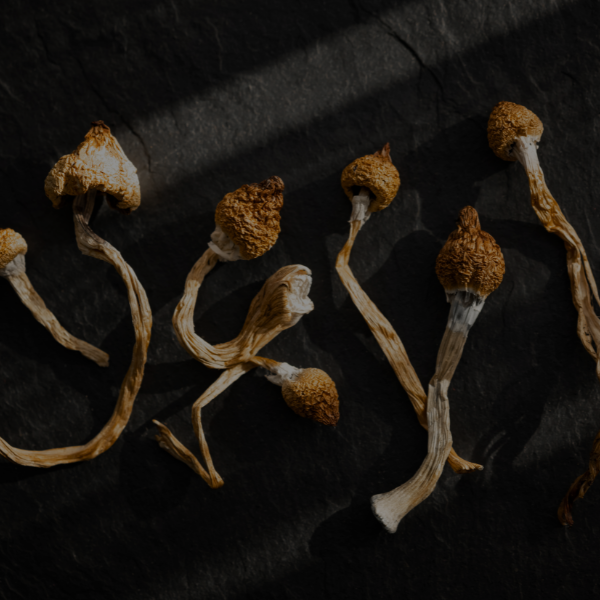
- Whole mushrooms keep the original fruiting bodies intact, which can preserve more natural variation from piece to piece.
- Powders and capsules can be more even if the batch was thoroughly blended.
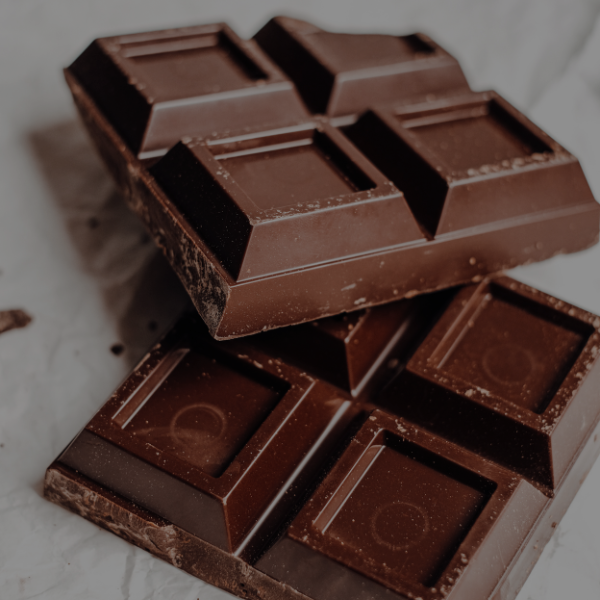
- Chocolates and infused products may offer better consistency when the producer uses well-homogenized material.
People often ask, “What's the strongest mushroom?” A more useful question is, “How was this particular product grown, handled, and standardized?”
How Potency Is Measured and Why It Varies
You buy two products that each claim a similar dose. One is whole dried mushrooms. The other is a capsule made from blended mushroom powder. On paper, they look close. In practice, they may not feel the same.
That gap starts with how potency is measured, and with what a label can and cannot tell you.
What mg per g really means
Labs usually report potency as milligrams per gram, often written as mg/g. That number is a concentration. It tells you how much of a compound is packed into each gram of material.
A simple way to read it is this: mg/g works like the strength of coffee grounds, not the size of the mug. One gram is just weight. If one gram contains more active compounds than another gram, the experience can be stronger even though the scale shows the same number.
That also helps clear up a common point of confusion. A gram of mushrooms is not a fixed experience. It is only a gram of material. The effect depends on what is inside that gram. For a clear overview of the two compounds people discuss most often, see this guide to psilocin and psilocybin.
How labs measure potency
Reliable testing starts with a representative sample. Analysts dry the material, grind it, extract the active compounds with solvents, and then run the extract through lab instruments that can separate and measure specific molecules. The goal is straightforward. Find out how much psilocybin, psilocin, and sometimes related compounds are present in the sample.
The testing itself can be very precise. The tricky part is the sample.
If the sample comes from a powder that was mixed thoroughly, the result usually reflects the batch more closely. If the sample comes from one piece of a whole mushroom product, the result may describe that piece well but the rest of the bag less well. The U.S. Pharmacopeia describes validated analytical approaches for measuring psilocybin-related compounds in mushrooms and mushroom products in its overview of analytical methods for psilocybin and psilocin.
Why potency varies so much
Variation happens on two levels.
First, one batch can differ from another. Second, individual mushrooms within the same batch can differ from each other. That is why two stems from the same bag can produce noticeably different experiences.
Whole mushrooms are a lot like fruit from the same tree. They share a source, but they do not all weigh the same or contain the same amount of sugar. Mushroom potency works similarly. The active compounds are biological products, and biology rarely comes out perfectly even.
This is also why visual cues mislead people. Cap color, stem thickness, and bruising may influence expectations, but they do not give you a dependable concentration reading.
Why the same labeled dose can still feel different
This is the part many shoppers miss. Potency is not only about total psilocybin on a label.
Whole mushrooms contain a mix of compounds, including psilocybin, psilocin, baeocystin, norbaeocystin, and other naturally occurring components that researchers are still studying. Extracts and highly standardized products may narrow that chemical picture. So two products with the same stated psilocybin content can still land differently for some people.
That is often described as an entourage effect. The idea is simple. A whole mushroom product may behave more like a full orchestra, while a more isolated extract can act more like a solo instrument. Both can be strong. Both can be useful. They just may not feel identical, even at similar labeled doses.
Why homogenization matters
Homogenization means grinding and mixing material thoroughly so the active compounds are spread more evenly through the batch.
Soup is a good comparison here. If the pot is stirred well, each spoonful tastes closer to the same. If it is not stirred, one bowl may get most of the salt and spices. Mushroom powder works the same way. A well-blended batch can make capsules, chocolates, or measured powders feel more consistent from serving to serving.
That does not guarantee a stronger experience. It usually means a more predictable one, which is often what matters most for safety.
A Practical Guide to Dosing with Potency in Mind
Good dosing starts with humility. If you don't know the concentration, don't assume the label, strain name, or previous experience tells the whole story.
That doesn't mean dosing has to feel mysterious. It means you make decisions based on product type, consistency, and your own sensitivity. If you want a general framework for planning intake by product and experience level, a psilocybin dosage guide can help you organize that thinking.
A simple way to think about product choice
Start by asking three questions:
Is this whole mushroom or a homogenized product?
Whole mushrooms may vary more from piece to piece.Is there any testing or batch information?
Clear potency information gives you a stronger basis for planning.Is this full-spectrum mushroom material or something closer to isolated psilocybin?
That can affect how the experience feels, not just how strong it looks on paper.
Comparative Potency of Common Psilocybe Cubensis Strains
| Strain | Typical Potency Tier | General Characteristics |
|---|---|---|
| Golden Teacher | Moderate | Often described as approachable and balanced |
| B+ | Moderate | Commonly discussed as broad and steady in effect |
| Penis Envy | High | Often treated as more intense and approached with extra caution |
| Albino varieties | Moderate to High | Reputation varies by lineage and batch |
| Amazonian | Moderate to High | Often described as energetic or expansive |
This table is a practical reference, not a lab report. Strain reputation helps with orientation, but it doesn't replace measured potency.
Why equal labeled doses may not feel equal
Here's the nuance many articles skip. Potency is not only about milligrams of psilocybin.
Emerging research summarized by Marijuana Moment reported that a 2025 study found full-spectrum psychedelic mushroom extract had a more potent and prolonged effect on synaptic plasticity than chemically synthesized psilocybin alone, supporting an entourage-effect explanation in which other mushroom compounds may shape the experience, as covered in this report on the enhanced effects of natural mushrooms compared to synthesized psilocybin.
That matters because whole mushrooms can contain additional compounds beyond psilocybin alone. If two products are labeled with the same psilocybin amount, they still may not feel identical in onset, texture, or duration.
Key takeaway: Matching a psilocybin number doesn't always guarantee a matching experience.
Practical dosing habits that respect variability
- Start lower when the product is unfamiliar. New batch, new format, new strain, same rule.
- Favor consistency over bravado. A smaller, predictable experience is easier to build from than an unexpectedly intense one.
- Be extra careful with mixed or infused products. If the material was blended well, they may be more even. If not, assumptions can still fail.
- Treat full-spectrum products as their own category. A whole-mushroom capsule, raw dried mushroom, and isolate-style product may not land the same way.
If you're shopping across formats, The Magic Mushroom Delivery lists whole mushrooms, capsules, chocolates, gummies, and coffee, which is useful because product form itself changes how you think about consistency and expected feel.
How Preparation Methods Influence Your Experience
You and a friend can each take a product labeled with the same mushroom dose and still end up describing two different rides. One may feel smoother and slower. The other may come on quicker, feel more concentrated, or sit differently in the body. Preparation is often part of that difference.
Coffee is a useful comparison here. The same beans can become a cold brew, a pour-over, or an espresso. The caffeine source is the same, but the drinking experience changes because the preparation changes what gets extracted, how fast you consume it, and how it hits you. Mushrooms work in a similar way.

Tea, lemon, and edibles compared
Preparation changes at least three practical things. It changes how much mushroom material you consume, how evenly the active compounds are distributed, and how quickly your body encounters them.
Tea is the clearest example. Instead of chewing the full dried material, you steep it and drink the liquid. Many people report that this feels easier on the stomach, partly because there is less fibrous mushroom matter to digest. The total experience can still be strong, but the body feel may be different from eating the same mushrooms dry.
Lemon preparations are popular for a different reason. Acid and finely broken-down material can change the way the dose is taken in, which is why some users describe a faster or sharper onset. Faster onset does not automatically mean a higher dose. It often means the same dose is arriving in a different way.
Edibles add another layer. A chocolate or gummy made with well-ground, thoroughly mixed mushroom material can be more even from piece to piece than random fragments of dried caps and stems. That matters for predictability. If the mixing was poor, though, one square can still hit differently from the next.
Whole mushrooms and extracts do not always feel interchangeable
Labeled doses can confuse people. A raw mushroom product and an extract may list a similar amount of active compounds, yet the experience may not match perfectly.
Whole mushrooms contain more than isolated psilocybin alone. As noted earlier, researchers and consumers alike have raised the question of whether other naturally occurring compounds help shape the character of the trip. That is the entourage-effect angle. It does not guarantee one format is better. It means the format can change the texture of the experience, not just the math on the label.
A simple way to picture it is this. The label tells you how much fuel is in the tank. Preparation affects how that fuel gets delivered to the engine.
What each method tends to change
Tea
Often easier to consume, often easier on the stomach, and sometimes perceived as a cleaner onset.Lemon tek
Often chosen by people who want a quicker-feeling start. The peak can feel more abrupt for some users.Chocolates and other edibles
Convenient and easier to portion. Consistency depends heavily on how finely the mushrooms were ground and mixed.Raw dried mushrooms
Closer to the original whole-mushroom profile. They can be less uniform piece to piece, especially if caps and stems vary in concentration.Extract-based products
Often designed for more standardized dosing, but they may feel different from full-spectrum mushroom products even at a similar labeled dose.
Storage still matters. Powder, capsules, and edibles all hold up better when kept cool, dry, and away from excess air and light. Good preparation cannot rescue poorly stored material.
So if someone asks which method is "most potent," the better question is more practical. Which format gives you the consistency, onset, body feel, and whole-mushroom or extract profile you want?
Making Informed Choices for a Safe Journey
The biggest lesson is straightforward. Magic mushroom potency is a moving target. Weight matters, but concentration matters more. Product form matters too. Whole mushrooms, powders, capsules, chocolates, and extracts can all behave differently.
The most grounded approach is to look for transparency, respect variability, and avoid guessing from appearance alone. Lab-tested and well-homogenized products usually give you a better shot at consistency than random, uneven pieces.
If you're new to a batch or format, start low and give yourself room to learn from the experience. If you're experienced, the same rule still helps. Familiarity can build confidence, but it doesn't erase batch variation.
Adults 21+ should use mushrooms responsibly, store products carefully, and avoid treating strain names or packaging style as proof of exact strength. Education is what makes the experience more predictable.
When you choose products, choose information too.
If you want to compare formats and shop with potency in mind, The Magic Mushroom Delivery offers whole mushrooms, capsules, chocolates, gummies, and other mushroom products alongside educational resources that can help you make more informed decisions.