
You're comparing product pages, wondering whether a gummy is a mushroom product, and trying to decide whether “discreet delivery” means anything beyond a marketing phrase. The difficult part of learning how to buy magic mushrooms isn't finding a checkout page. It's determining whether the product, seller, delivery method, and your own plans fit together responsibly.
A smart purchase begins before browsing. Verify the rules that apply where you live, identify the product accurately, look for lot-specific laboratory evidence, and plan storage and aftercare before placing an order. That approach matters because the market includes psilocybin mushrooms alongside Amanita products, functional supplements, nootropic blends, and edibles with labels that may not match their contents.
Understanding the Legal Framework Before You Buy

You find a product that looks suitable, but the first question is not its flavor or shipping speed. Confirm whether buying, possessing, transporting, and receiving it is allowed where you live. Federal law classifies psilocybin as a Schedule I controlled substance, and access remains restricted across most U.S. states. Oregon's licensed psilocybin service model and Colorado's regulated healing-center system are the two widely recognized state-level frameworks, both limited to adults 21+, according to this U.S. legal-status overview.
Oregon Measure 109 established the country's first licensed psilocybin service model. Colorado's Proposition 122 later decriminalized personal possession and created a regulated framework for future access. These changes do not create an ordinary nationwide retail market. Some cities and states use local decriminalization or limited medical-use measures, and those rules may differ substantially from state-level licensed access.
Start with your location, not the seller
A retailer's shipping map shows where it claims to deliver. It does not establish that your purchase is permitted. Review the rules for possession, transport, and delivery in your state and local area. The legal question can arise at checkout, while a package is in transit, and when it arrives at your address. For a broader explanation of how jurisdictions treat legal psychedelic mushrooms, read the relevant legal guidance before relying on a product page.
Use this screening checklist:
- Possession: Check how state and local authorities treat possession.
- Transport: Determine whether moving the product across state lines creates additional restrictions.
- Service model: Confirm whether the offering fits a licensed service or healing-center framework.
- Age rules: Treat 21+ verification as a basic requirement wherever a legal pathway applies.
- Marketing language: Read “discreet shipping” as a delivery description, not proof of compliance.
The Magic Mushroom Delivery's legal mushroom information can provide background, but retailer wording cannot replace your own jurisdiction check.
Practical rule: Filter by jurisdiction first. Confirm product identity and verification before placing anything in the cart.
Walking Through the Purchase Process Online
A legitimate-looking online purchase should feel transparent from the first product page. Categories should distinguish raw mushrooms from infused chocolates, gummies, capsules, and mushroom coffee instead of grouping every mushroom-related item under one vague label. The product description should identify what the item is, what it contains, how it's packaged, and whether batch-specific laboratory documentation is available.
The Magic Mushroom Delivery provides one example of a catalog organized around these categories, with online ordering, age verification for customers 21+, product information, customer reviews, and shipping choices that include next-day, two-day, and tracked delivery. That description doesn't replace your own review of jurisdiction and documentation. For background on the company and its stated operating model, consult its company background research.

What a careful checkout should show
Browse by product type first, then open the full product page rather than relying on a thumbnail or promotional banner. Reviews can help you understand packaging, communication, and delivery experience, but they can't confirm chemical identity or potency. Seasonal offers, including “Buy 3, Get 1 Free,” should also remain secondary to lab evidence and clear labeling.
A proper age gate should appear before checkout or payment confirmation. It should clearly communicate the minimum age requirement rather than treating age verification as an invisible formality. At checkout, review the exact product, quantity, shipping destination, delivery method, and total before paying.
Shipping labels need careful interpretation. “Standard,” “next-day,” “two-day,” and “tracked” describe logistics, not authorization. Discreet packaging should mean an ordinary exterior without revealing product details, while tracking should give you a way to monitor the parcel and identify delivery problems. Payment options and customer-service contact details should be presented openly. A seller that hides basic purchase terms, avoids questions about documentation, or pressures you to buy immediately deserves extra scrutiny.
Choosing the Right Product Format for Your Goals
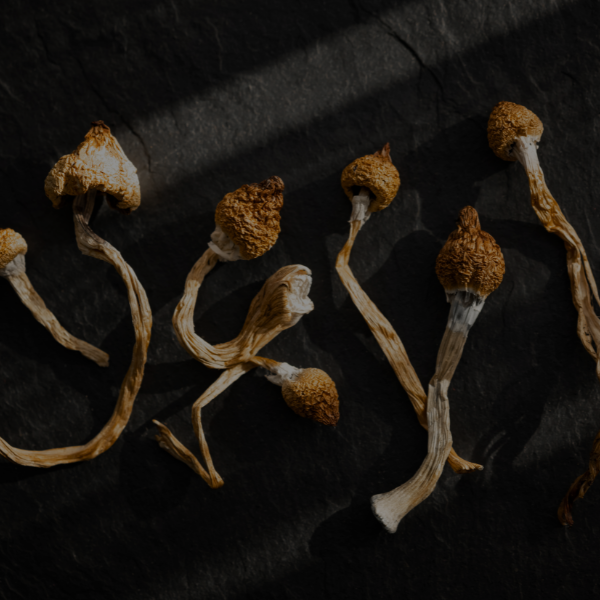
The product format changes how you evaluate identity, dosing, storage, and convenience. Raw dried mushrooms offer the most direct traditional format, but visual familiarity doesn't prove species identity or potency. Infused chocolates and gummies can be easier to portion socially and may mask the mushroom flavor, yet they require stronger scrutiny because the active ingredient is less visible and the label may describe a blend rather than a defined mushroom product.
Capsules can suit someone who values a measured presentation, provided the listing identifies the contents and supplies credible testing. Mushroom coffee occupies a different category in many catalogs and may contain functional mushrooms or other ingredients rather than psilocybin. Amanita muscaria products, which are associated with muscimol, also aren't interchangeable with psilocybin products. The product name alone isn't enough.

Match the format to the decision you're making
| Format | What to examine | Practical tradeoff |
|---|---|---|
| Raw dried mushrooms | Species, appearance, batch documentation, and packaging | More recognizable, but natural variation can make consistency harder to judge |
| Gummies | Active ingredients, identity testing, potency per unit, and contaminant screening | Convenient and discreet, but particularly vulnerable to misleading labels |
| Chocolates | Ingredient list, serving information, melting protection, and lot number | Flavorful and portable, though the chocolate can obscure the product identity |
| Capsules | Contents per capsule, batch ID, and certificate of analysis | Neat and easy to store, but only useful when the stated contents are verified |
| Mushroom coffee | Whether it contains psilocybin, functional mushrooms, or a nootropic blend | Familiar daily format, but often confused with psychoactive products |
“Best” depends on your actual purpose. Someone seeking a traditional mushroom format may prioritize identity and storage. Someone focused on measured portions may prefer a capsule or clearly portioned edible, but only after confirming the testing. Someone looking for a functional beverage should read the ingredient panel carefully so they don't mistake a wellness supplement for a psilocybin product.
Reading Product Pages and Lab Reports Like a Pro
A product page makes a claim. A certificate of analysis, or CoA, provides evidence that can support or undermine that claim. Start by locating the exact product identity, species, format, lot number, test date, and laboratory name. If the page shows a report for a different batch, the document doesn't verify the item in your cart.
The need for this scrutiny is concrete. In one Oregon investigation, all 12 tested gummies marketed as psilocybin products contained zero psilocybin, and seven contained undisclosed active ingredients, according to the documented testing-risk review. That finding makes a visible label a weak benchmark. A product can look polished, use familiar psychedelic language, and still fail basic identity testing.

Read the report, not just the badge
A useful CoA should connect the document to the specific product in several ways:
- Identity testing: Look for testing that identifies psilocybin and psilocin when those compounds are claimed.
- Potency information: Check whether the report states the measured amount or concentration, rather than displaying only “lab tested.”
- Contaminant screening: Look for panels covering microbes, heavy metals, and other relevant contaminants.
- Batch matching: Confirm that the lot or batch number on the report matches the number on the product page or package.
- Laboratory details: The report should identify the testing laboratory and provide a date or other traceable information.
A “proprietary blend” can conceal the very information you need. Missing lot numbers, cropped reports, vague claims about “natural actives,” celebrity associations, and testimonials that substitute for analysis are all reasons to pause. A seller's testing page can be a useful starting point, such as this resource on third-party lab testing, but you should still inspect the actual document for the item and batch you're considering.
Verification beats presentation. A clean package and confident product description can't replace identity, potency, and contaminant data.
Dosing Basics You Should Know Before Your First Order
Purchase planning becomes easier when you understand the timing curve. A typical acute experience may begin 20 to 40 minutes after use, reach peak subjective effects around 60 to 90 minutes, and remain active for roughly 4 to 6 hours, according to this clinical pharmacology review. Food, individual physiology, product form, and product composition can affect how the experience feels and when it develops.
The most common planning mistake is assuming that a delayed onset means the first amount wasn't effective. That assumption can lead someone to take more before the initial effects have fully developed. A safer purchasing mindset is to plan for the complete active window, avoid obligations, and make sure you won't need to drive, work, or manage other people during that period.
Retail products aren't clinical protocols
A randomized, placebo-controlled trial evaluated a single 25 mg dose with psychological support in 104 adults over 6 weeks, as documented in the JAMA clinical trial. That fixed clinical protocol doesn't translate directly into a retail serving recommendation. Clinical material is measured, supervised, and embedded in a structured setting, while a consumer product may vary by species, batch, preparation, and labeling quality.
Treat “microdose,” “full dose,” and similar marketing terms as descriptions that require context, not as guarantees. Read the serving information, identify the active ingredient, and avoid comparing a claimed amount from one format with a claimed amount from another unless the testing method and units are clear.
Storage, Discreet Delivery, and Aftercare Essentials
The buying process doesn't end when the tracking page says delivered. Check the exterior of the package for damage, compare the contents with your order, and retain the product label and lot information. Discreet packaging should protect privacy without hiding the seller's identity, product documentation, or customer-service route.
Fresh mushrooms need more attention than shelf-stable formats. Storage guidance places fresh mushrooms in refrigeration around 32–38°F, or approximately 0–1.1°C, with reported usable windows ranging from about 3–5 days under some commodity guidance to about 7–10 days under other consumer guidance, depending on packaging and conditions. The mushroom storage manual supports the importance of cool storage, while practical food-safety guidance recommends breathable packaging rather than sealed plastic.
Protect the product from trapped moisture
Keep fresh mushrooms in a paper bag or their original breathable carton. Avoid washing them before storage, and use sliced mushrooms sooner than whole ones. Sliced mushrooms may last only 1–2 days, according to this fresh and dried mushroom storage guide.
Dried products and sealed edibles should remain in their original packaging, away from heat, light, children, and pets. Follow the label's storage instructions, and don't combine products in an unmarked container. If the packaging is wet, swollen, damaged, unusually odorous, or missing its identifying information, don't rely on appearance alone to decide that it's safe.
Aftercare belongs in the plan before use. Choose a calm setting, keep water available, avoid mixing substances, and arrange support from a trusted sober adult when appropriate. A short journal entry afterward can record the product, batch, timing, setting, and subjective effects, giving you useful information without turning one experience into a medical conclusion.
Frequently Asked Questions From First-Time Buyers
How do psilocybin products differ from Amanita and functional mushrooms?
They're different product categories. Psilocybin mushrooms contain psilocybin, while Amanita products are associated with muscimol and ibotenic acid. Functional mushroom supplements and nootropic blends may contain ingredients such as lion's mane or other non-psychoactive compounds. Read the species and active-ingredient information instead of assuming that every product labeled “mushroom” produces the same experience.
What makes a vendor look trustworthy?
Look for clear product identity, a matching lot number, accessible certificates of analysis, potency information, contaminant screening, age verification, customer-service details, and transparent shipping terms. A polished website isn't enough. If the seller won't answer a direct question about the batch or provides only a generic “lab tested” badge, waiting is more sensible than guessing.
Does same-day or next-day California shipping change the product itself?
No. Faster delivery changes logistics, not identity, potency, testing, or your responsibility to check the applicable rules. A rapid shipping option can also create pressure to order before you've reviewed the product page, CoA, storage needs, and delivery conditions.
When should I wait?
Wait if you can't confirm what the product contains, the report doesn't match the lot, the packaging is unclear, the seller uses unexplained proprietary language, or you haven't planned a suitable setting and aftercare. More information is often the most useful next step. A purchase should feel informed, not rushed.
The Magic Mushroom Delivery offers online access to raw mushrooms, infused chocolates, gummies, capsules, and mushroom coffee, along with age verification, product education, customer reviews, and discreet shipping options. Compare its product information and testing materials with the verification standards in this guide, then visit The Magic Mushroom Delivery when you're ready to research your options carefully.