
You're halfway through a salad when your stomach starts to swell. The sliced mushrooms looked as harmless as cucumber, but now you're dealing with gas, cramping, or nausea and wondering whether raw mushrooms are safe to eat.
The answer depends on which mushroom you ate, how it was prepared, how much you consumed, and how quickly symptoms appeared. Culinary mushrooms, wild mushrooms, and psilocybin-containing mushrooms can all produce overlapping digestive complaints, yet the underlying risks are very different. This guide separates those two lanes so you can better understand ordinary digestive intolerance, possible poisoning, and symptoms that need urgent medical attention.
Why Eating Raw Mushrooms Hits Different
A diner at a salad bar may load a plate with firm, white button mushrooms, assuming they behave like another raw vegetable. Within less than an hour, bloating and abdominal discomfort can make that assumption feel less certain. Mushrooms aren't plants, though, and the body doesn't process their structure in quite the same way.
Fungal cell walls contain chitin, a tough structural material that humans digest poorly. The Swiss health information page on mushroom digestion explains that much of the mushroom matrix can pass through the gut with limited breakdown. That helps explain why some people experience gas, cramps, nausea, or diarrhea after eating raw or insufficiently cooked mushrooms.
The same bite can create different problems
A small serving of a cultivated button mushroom may cause nothing more than temporary digestive discomfort. Another person may react more strongly because of individual sensitivity, a large portion, poor storage, contamination, or an allergy. Wild mushrooms add a separate problem, because an edible-looking specimen may be misidentified or may require thorough cooking.
Heat also changes naturally occurring compounds. Agaritine, found in Agaricus species, is reduced substantially during cooking, while some irritant compounds in other mushrooms are also weakened by heat. These chemical changes matter, but they don't turn cooking into a universal antidote. A deadly species remains dangerous even when someone prepares it carefully.
The question becomes more complicated when “raw mushrooms” means psilocybin-containing varieties rather than culinary mushrooms. In that lane, nausea and vomiting can occur alongside changes in perception, coordination, heart rate, blood pressure, mood, and mental status. The digestive symptom may look similar, but the risk driver is pharmacological rather than poor digestibility.
The practical starting point: Identify the mushroom before interpreting the symptom. “Raw” describes preparation, not the substance's complete risk profile.
Two Types of Raw Mushrooms, Two Different Risk Profiles
A raw button mushroom and a raw psilocybin mushroom can both be followed by nausea, yet the underlying hazards may be completely different. Identify the mushroom first, then interpret the symptom.
The culinary and wild-edible lane includes button, cremini, portobello, oyster, shiitake, morels, chanterelles, and other mushrooms sold or identified as food. Raw or undercooked specimens raise questions about digestibility, storage, contamination, personal sensitivity, and accurate species identification. Morels and certain other wild mushrooms can cause illness without thorough cooking, even when they are commonly eaten after proper preparation. The Food Protection Trends discussion of raw mushroom risks explains why edible wild mushrooms and psilocybin mushrooms belong in separate categories.
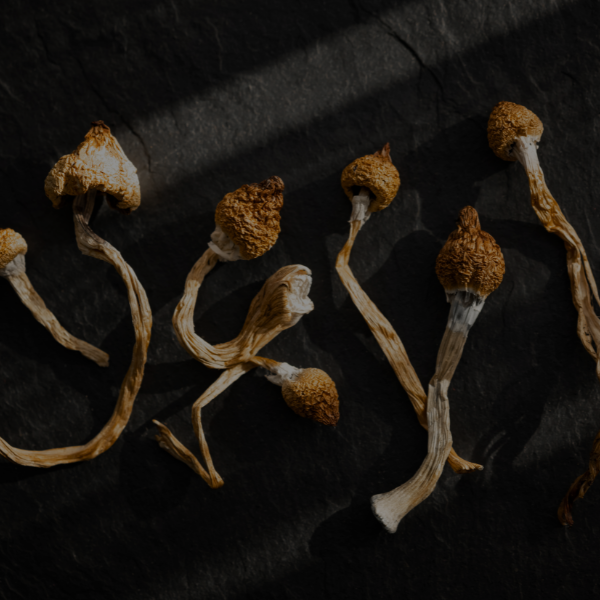
The psilocybin lane includes species such as Psilocybe cubensis, Psilocybe semilanceata, and related varieties. Here, the concern extends beyond how well the mushroom breaks down. Psilocybin-containing mushrooms may cause nausea or vomiting along with increased heart rate, blood pressure changes, confusion, impaired coordination, and altered perception. A stomach complaint may look familiar, while the main risk comes from psychoactive effects.

Why symptoms can overlap
Chitin is a firm, fibrous polymer in fungal cell walls. Human digestion breaks it down poorly, so raw tissue can pass through the digestive tract relatively intact. That resistance may contribute to bloating, gas, cramps, and loose stool.
Agaritine, associated with Agaricus species such as familiar cultivated mushrooms, is another reason raw and cooked preparation are discussed. It has been studied for potential carcinogenic activity in rodents. A technical analysis reports that boiling for five minutes can move about 50% of agaritine into the cooking liquid and destroy another 20% to 25%, while longer simmering can leave only about 10% of the original amount in the mushroom tissue according to the cited technical analysis.
Psilocybin mushrooms add a nervous-system mechanism. Perceptual changes, anxiety, confusion, and impaired coordination may accompany nausea. Nausea alone cannot identify the cause. It may reflect chitin, a wild-mushroom toxin, contamination, or psychoactive effects.
A food-preparation risk versus a pharmacology risk
For culinary mushrooms, cooking mainly addresses digestibility and food safety. For psilocybin mushrooms, identity, potency, mental state, surroundings, interactions, and physical safety also matter while perception and coordination change.
Two people can vomit after eating mushrooms and still face very different risks. The symptom overlaps. The hazard does not.
Common Digestive Reactions and How Fast They Show Up
A person may eat a small serving of raw mushrooms and develop gas or fullness soon afterward. Another may vomit, develop diarrhea, or become confused. Those symptoms can look similar at first, yet the risk depends on which mushroom was eaten and how quickly the reaction develops.
In a clinical study of raw mushroom ingestion, 74% of patients developed symptoms within 6 hours. Nausea or vomiting occurred in 82%, while diarrhea occurred in 68%. Hospitalization lasted more than 24 hours in 11% of patients, and 2.8% died after acute hepatic failure following raw mushroom consumption clinical study data.
These figures describe a particular group of reported cases, not every episode of indigestion. A known culinary mushroom may cause temporary digestive discomfort, while an unidentified wild mushroom or psilocybin variety can create a different medical problem despite overlapping stomach symptoms.
| Symptom | Typical onset | Frequency | Likely cause |
|---|---|---|---|
| Bloating and gas | Often soon after eating | Common, but no universal frequency is established in the verified data | Poor breakdown of chitin, individual sensitivity, or fermentation of undigested material |
| Nausea or vomiting | Frequently within the first several hours | Nausea or vomiting occurred in 82% of patients in one clinical study | Irritation, poor digestibility, foodborne illness, species-specific toxins, or psilocybin effects |
| Diarrhea | Within several hours, sometimes later with toxins | Reported in 68% of patients in the same study | Gastrointestinal irritation, toxin exposure, contamination, or psychoactive-mushroom effects |
| Persistent or worsening symptoms | May continue or intensify beyond the early period | No general frequency is established | Possible toxic species, delayed toxin, severe dehydration, or another medical problem |
What usually looks less dangerous
Temporary gas, mild fullness, or modest cramping after a small amount of a known culinary mushroom can result from its firm raw structure and difficult-to-digest material. If the person stays alert, can drink fluids, and steadily improves, the episode may settle without major complications.
The interpretation changes if the mushroom was wild, unidentified, raw morel, poorly stored, or obtained from an uncertain source. A reaction that begins quickly can still involve a toxin or contaminant. Rapid onset does not prove safety.
Signs that deserve medical attention
Seek urgent help for repeated vomiting, severe diarrhea, inability to keep fluids down, confusion, fainting, trouble breathing, severe abdominal pain, blood in stool, or symptoms that continue to intensify. Delayed vomiting or diarrhea deserves particular caution because some mushroom toxins begin after an apparently symptom-free interval.
A U.S. epidemiology review recorded 133,700 mushroom exposure cases over 18 years, averaging 7,428 cases per year. Eighty-three percent were unintentional, 62% occurred in children under 6, 704 cases caused major harm, and 52 fatalities were reported large U.S. epidemiology review. Many exposures may be mild, but severe or unexplained symptoms should not be watched casually at home.
Raw Versus Cooked and What Heat Actually Changes
Heat changes a mushroom's structure and surface, but it cannot make every species safe. The main practical effects involve texture, digestibility, certain heat-sensitive compounds, and surface contamination.
| Property | Raw | Cooked, 5 to 10 minutes |
|---|---|---|
| Chitin and texture | Firmer structure, harder to break down, more likely to feel heavy for sensitive people | Softer texture and generally easier digestion |
| Agaritine in Agaricus species | Higher starting amount | Reduced substantially; boiling for five minutes moves about 50% into cooking liquid and destroys another 20% to 25% |
| Microbial load | Surface organisms may remain after a quick rinse | Heat reduces many surface microbes |
| Wild-mushroom toxin risk | Identification remains essential | Cooking doesn't reliably neutralize amatoxins or every species-specific toxin |
| Flavor and texture | Crisp, firm, sometimes rubbery | Softer, more savory, and often easier to chew |
Chitin does not disappear during cooking. Softening the mushroom matrix does, however, make it easier to chew and may reduce the heavy, bloated feeling some people get from raw mushrooms. Sautéing, steaming, or another thorough cooking method can improve tolerance for a known culinary species.
Agaritine, found naturally in Agaricus species, can also decrease substantially with cooking. The listed cooking conditions describe a reduction, not a guarantee that every concern has been removed. Raw cultivated mushrooms should not automatically be treated as dangerous, and cooked mushrooms should not be treated as risk-free.
A rinse only removes some visible dirt. It does not reliably remove every microorganism or surface irritant, and it does not replace heat. Storage is another separate issue. Mushrooms that are slimy, moldy, strongly discolored, or foul-smelling should be discarded rather than rescued by cooking.
Cooking improves the odds of tolerance, but identification matters more than temperature when a wild mushroom is involved.
For readers comparing fresh and dried products, this fresh-versus-dried mushroom guide explains why drying changes texture and handling without functioning like cooking. The safety rule remains simple: never rely on cooking to identify or neutralize an unknown mushroom.
When Symptom Timing Tells You Something Serious
A person may eat raw mushrooms at lunch and feel fine, then develop severe vomiting later that evening. That delay matters. Symptom timing acts like a diagnostic clock. It cannot identify the mushroom by itself, but it helps separate early irritation from toxins whose effects emerge after the body has had time to absorb them.
Symptoms that start soon after eating can reflect poor digestibility, contamination, allergy, or a rapidly acting toxin. Symptoms that appear after a longer symptom-free period deserve greater caution, especially if vomiting or watery diarrhea becomes persistent or severe. Culinary and psilocybin mushrooms can share early stomach symptoms, yet their risk drivers differ, so timing must be read alongside the mushroom's identity and the person's other symptoms.

Use the clock without trusting it too much
Gas or mild cramping soon after eating known supermarket mushrooms may point to poor digestibility. Sweating, salivation, severe cramps, or vomiting soon after an unknown wild mushroom raises a different concern: toxin exposure. The same time window can contain both mild digestive upset and serious poisoning.
A toxicology review describes gastrointestinal syndrome as a common early presentation of mushroom poisoning. Amatoxin-containing mushrooms typically cause persistent gastrointestinal symptoms beginning more than 6 hours after ingestion, and illness can progress to organ damage. A temporary improvement after the first wave of stomach illness does not prove that the danger has passed.
What to do when timing raises concern
Contact emergency services or a poison center promptly if symptoms are severe, delayed, or worsening. In the United States, Poison Control can be reached at 1-800-222-1222. Collapse, breathing trouble, seizure, severe confusion, or signs of shock require emergency care immediately.
Do not induce vomiting unless a medical professional instructs you to. Keep leftover mushrooms, packaging, purchase details, or a clear photograph. Those details can help specialists identify the exposure more reliably than an estimate of portion size alone.
If the exposure involved a psilocybin product, this guide to psilocybin drug interactions offers background. It does not replace urgent clinical advice when symptoms are severe or the substance is uncertain.
Beyond Stomach Upset Neurological and Species-Specific Reactions
Raw or undercooked mushrooms can affect more than the digestive tract. Reported reactions include headache, vertigo, sleepiness, palpitations, dizziness, balance problems, and disorientation, particularly with certain wild species reported species-specific reactions.
Some Inocybe and Clitocybe species contain muscarinic compounds. Their cholinergic pattern may include sweating, excessive saliva, tearing, slowed heart rate, abdominal cramping, vomiting, and diarrhea. That pattern is different from the altered perception and psychological effects associated with psilocybin, even though both can leave a person frightened and physically unwell.
Three patterns clinicians may separate
Cholinergic symptoms suggest excessive parasympathetic activity. Look for heavy sweating, salivation, tearing, small pupils, abdominal symptoms, and a slow pulse.
Psychoactive effects may involve altered perception, intensified emotions, anxiety, confusion, impaired judgment, and poor coordination. Heart rate and blood pressure can change, and nausea or vomiting can occur.
Toxic encephalopathy involves a more concerning change in neurological status, such as persistent disorientation, unusual sleepiness, severe balance problems, or reduced responsiveness. The cause may be species-specific and can require hospital monitoring.
Repeated consumption of raw or undercooked Pleurocybella has been linked with gastrointestinal-encephalopathy reports, including fatalities in Japan. That history illustrates why “I ate this mushroom before and felt fine” isn't a reliable identification method.
Allergic reactions form another category. Handling raw shiitake stems has been associated with contact dermatitis in sensitive people, while ingestion can provoke symptoms in someone with a mushroom allergy. Wheezing, facial swelling, throat tightness, or widespread hives should be treated as an emergency.
Alcohol and medications can complicate either lane. They may worsen sedation, confusion, blood pressure changes, or poor decision-making during a psychoactive experience, while an unknown wild mushroom creates its own toxicology risk. If you seek care, list every substance taken, including supplements, prescriptions, alcohol, and other mushrooms.
Staying Safe Practical Habits Before and After You Eat
Safety starts before the first bite. Each habit targets a specific failure mode, from misidentification to poor storage to delayed recognition of poisoning.
Before preparation
- Identify the species: Eat raw only when the mushroom is a known culinary variety from a reliable source. Don't eat a wild mushroom based only on color, shape, a photograph, or someone else's confidence.
- Choose clear sourcing: Buy fresh mushrooms from a reputable grocer, farm, or clearly labeled vendor. Keep packaging when possible, because it can help clinicians trace the product.
- Inspect the surface: Avoid mushrooms that are slimy, foul-smelling, visibly moldy, or badly damaged. A quick rinse can remove dirt, but it doesn't replace safe sourcing or adequate cooking.
- Consider cooking first: People who are sensitive to raw mushroom texture may tolerate thinly sliced, thoroughly cooked mushrooms better. Cooking can reduce agaritine in Agaricus species and soften the matrix, but it doesn't neutralize every wild-mushroom toxin.

If you're considering psilocybin mushrooms
Keep this separate from culinary experimentation. Know what product you have, avoid combining it with alcohol or medications without professional guidance, choose a calm setting, and have a sober, trusted person available if altered perception or coordination becomes difficult.
Start with safety planning rather than trying to predict an exact reaction. Potency, individual sensitivity, prior experience, mental health, other substances, and surroundings all affect what happens. If someone becomes severely confused, unresponsive, dangerously agitated, has chest pain, has trouble breathing, or can't stay physically safe, seek emergency help.
For additional background on questionable mushroom appearance and spoilage concerns, review this guide to black mold on mushrooms. Don't use a smell test or a visual shortcut to decide that an unknown wild mushroom is edible.
After symptoms begin
Write down the mushroom identity, time eaten, time symptoms began, symptoms, and substances used. Keep a sample or photograph, and call Poison Control for guidance when the species is unknown or symptoms are significant. Emergency care is appropriate for severe dehydration, repeated vomiting, confusion, fainting, breathing difficulty, seizures, severe abdominal pain, or rapidly worsening illness.
Key Takeaways on Eating Raw Mushrooms Side Effects
A raw mushroom can leave one person comfortable and send another to the bathroom with cramps and diarrhea. The outcome depends on species, preparation, serving size, storage, and individual sensitivity. In culinary mushrooms, chitin contributes to a tough structure that humans digest poorly. Cooking can improve texture and tolerance, and it substantially reduces agaritine in Agaricus species. Heat does not make an unidentified wild mushroom safe.

Use two lanes to interpret the risk:
- Known culinary mushrooms: A raw serving may be tolerated, although cooking can make it easier to digest.
- Wild mushrooms: Misidentification and undercooking create the main dangers. Cooking alone cannot correct a wrong identification.
- Psilocybin mushrooms: Nausea and vomiting may resemble food-related upset, while altered perception, confusion, poor coordination, and autonomic changes suggest psychoactive effects.
- Symptom timing: Early symptoms can reflect irritation or a rapidly acting toxin. Symptoms that persist or begin more than 6 hours after ingestion need urgent evaluation, since amatoxin-containing mushrooms can progress to organ damage, as noted in the earlier toxicology review.
Raw mushrooms may cause no reaction, temporary digestive upset, or a species-specific toxin, contamination, allergy, or psychoactive response. Unknown mushrooms, severe symptoms, or vomiting and diarrhea that are delayed or worsening call for Poison Control or emergency medical care. Waiting for certainty can delay treatment.
For product information and educational resources, visit The Magic Mushroom Delivery. Identify the product category, prepare it as directed, and match your safety decision to the mushroom you consumed.