
When you're getting into the world of functional mushrooms, you’ll quickly learn that precision isn't just a nice-to-have—it's the absolute key to a reliable and effective experience. A 1 gram scale is the one tool that truly separates blind guesswork from predictable, repeatable outcomes. It’s what ensures you get the exact results you’re looking for, whether that's for daily wellness, enhanced focus, or a deeper journey inward.
Why Precise Measurements Matter for Your Wellness Journey

Working with powerful natural products like psilocybin or other functional mushrooms demands consistency. Even a tiny difference in your dose can completely change your experience, potentially turning a planned microdose for a productive workday into something… well, a lot more distracting. This is where using a 1 gram scale shifts the game from vague estimation to pinpoint accuracy, a crucial step in responsible use.
Think about it. Let's say you're aiming for a sub-perceptual dose to get your creative juices flowing. Without a scale, you might just eyeball a small piece. The problem is, mushroom density and size are incredibly deceiving. A piece that looks right could easily be double your intended amount, sending your day in a completely different direction. Your precision scale quickly becomes your most trusted ally in this process.
The Impact of Inaccuracy
Relying on guesswork introduces a level of randomness that completely undermines why you're using these products in the first place. When your doses are inconsistent, it becomes impossible to track what’s working for you, turning your wellness practice into a total roll of the dice. You simply can't fine-tune your regimen without reliable data.
A good scale gives you that data, helping you dial in the perfect amount for your unique needs. By measuring with precision, you can:
- Get predictable effects: You'll know exactly what to expect each and every time.
- Track your progress: You can reliably document how different amounts affect you, making it easy to find your sweet spot.
- Maximize your supply: No more waste. You use only the exact amount you need.
This push for precision isn't just a niche trend; it's a massive movement. The global market for electronic scales is expected to jump from US$5.6 billion in 2026 to US$7.7 billion by 2033, partly because more people are bringing this level of accuracy into their homes for wellness. A reliable scale is a small investment that dramatically cuts down the risks of improper dosing.
A huge misconception is that you can just "eyeball" small amounts. But the density of dried mushrooms varies wildly. Two pieces that look identical in size could have a weight difference of 50% or more. This is exactly why a 1 gram scale is non-negotiable.
Ultimately, getting a good scale is an investment in your safety and the overall effectiveness of your journey. It gives you the power to take complete control of your experience. For more on figuring out your ideal amount, you can also dive into our detailed psilocybin dosage guide.
Choosing the Right 1 Gram Scale for Your Needs
When it comes to measuring your doses, grabbing the first cheap scale you find online just won’t cut it. The specific features of your 1 gram scale directly impact its accuracy, and when you’re working with potent materials, even tiny mistakes can throw your entire experience off.
Think of a quality scale as a small but essential investment. It’s the key to consistency, safety, and truly understanding how different amounts affect you. Not all scales are created equal, so let’s get into what really matters.
Readability: The Foundation of Precision
The first thing you need to lock down is readability. This number tells you the smallest increment the scale can actually measure. You’ll generally see two options: 0.1g and 0.01g.
0.1g Readability: These scales measure in tenths of a gram. They’re fine for measuring larger amounts (well over a gram), but they just don’t have the pinpoint accuracy needed for smaller, more sensitive doses.
0.01g Readability: These scales get down to the hundredth of a gram. This is the gold standard for anyone serious about dialing in their dose, especially if you're microdosing where even a tiny variance can make a big difference.
For total control over your experience, a scale with 0.01g readability is what you want. The difference in price is usually minimal, but the difference in precision is massive.
Essential Scale Features for Dosing
Beyond readability, a few other functions are non-negotiable for accurately measuring mushroom products. These features make the process smooth and guarantee you get a good reading every single time.
Tare Function: This will quickly become your most-used button. The tare function zeroes out the scale. It lets you put a weighing tray, a piece of paper, or a small bowl on the scale, hit "tare," and then add your material. The scale will then only show the weight of what you've added, ignoring the container completely.
Calibration Weight: A lot of good scales come with a calibration weight, like a small 10g or 50g metal piece. Calibrating is how you make sure your scale stays accurate over time. Getting a model that includes a weight saves you the hassle and cost of buying one separately.
Protective Cover: That plastic lid isn't just for looks. It protects the sensitive weighing platform from dust, damage, and accidental pressure—all of which can mess with its accuracy. It also makes the scale way more durable if you plan on taking it anywhere.
To help you decide, here’s a quick comparison of the features we’ve talked about.
1 Gram Scale Feature Comparison
This table breaks down the key features to look for when choosing a scale for your dosing needs, from microdosing to larger measurements.
| Feature | What It Means | Why It Matters for Mushroom Dosing |
|---|---|---|
| Readability | The smallest increment the scale can measure (e.g., 0.1g, 0.01g). | 0.01g is essential for microdosing and making precise adjustments. 0.1g is only suitable for larger amounts. |
| Tare Function | A button that resets the display to zero, ignoring the weight of a container. | Lets you weigh your dose directly in a tray or bowl without doing any math. This is a must-have for clean, accurate weighing. |
| Calibration | The process of checking and adjusting the scale's accuracy using a known weight. | Ensures your readings are consistently accurate over the life of the scale. Models with an included weight make this easy. |
| Protective Cover | A lid or cover that protects the weighing surface. | Keeps the sensitive sensor safe from dust, spills, and damage, preserving its accuracy and extending its lifespan. |
Choosing a scale is about getting the right tool for the job. You wouldn't use a kitchen measuring cup for a shot of espresso, right? The same logic applies here.
The demand for these little devices has exploded. The electronic weighing scales market is expected to hit USD 7.97 billion by 2030, partly because more people are turning to precise at-home wellness practices. We've come a long way from bulky lab equipment to the pocket-sized scales that are now essential. For more on this trend, check out the full industry research.
Choosing a scale is like choosing any other important tool—you want the right one for the job. Investing a few extra dollars in a model with 0.01g readability, a tare function, and a calibration weight will pay for itself in accuracy and peace of mind.
Calibrating and Using Your Scale for Accurate Results
So you've got a quality 1 gram scale. That's a great first step, but the real magic—getting accurate, repeatable measurements—happens in how you use it. Consistent calibration and solid technique are what separate frustrating guesswork from the reliable results you're after.
Think of it like tuning a guitar before you play. Over time, little things like temperature shifts, being moved around, or just general use can cause a scale’s internal sensors to drift. Re-calibrating simply resets it to a true zero, so you can trust every measurement, every time.
Setting Up Your Weighing Station
Before you even hit the "on" button, where you put your scale can make or break your accuracy. You need to create a stable, controlled environment.
Your weighing station should be:
- Totally flat and level. A wobbly or tilted surface is the number one cause of bad readings. A sturdy desk or countertop is your best bet.
- Stable and free of vibrations. Avoid rickety tables. I’ve seen sensitive 1 gram scales jump around just from someone walking past.
- Away from any drafts. This is a big one. Keep your scale away from open windows, fans, or AC vents. Even breathing too heavily on it can be enough to alter the reading.
Making a clean, dedicated spot for weighing is a small habit that has a huge payoff. This simple prep work knocks out the most common sources of error right from the start.
Mastering the Tare Function
The "tare" or "zero" button is your best friend for clean, no-fuss weighing. This function tells the scale to ignore the weight of your container, so you're only measuring the good stuff.
It’s simple. Just turn on your scale and let it settle at 0.00g. Place your empty weighing tray, a small piece of folded paper, or a capsule on the platform.
Once the weight of the container shows up, just press the tare button. The display will go right back to 0.00g. Now, when you add your mushroom product, the number you see is only the weight of the product itself. No mental math, no mess on your scale.
Why Precision Matters So Much
The 1 gram scale has fundamentally changed psilocybin exploration for the better. We know that precise measurement can reduce anxiety incidents by up to 25% for first-timers. It's no surprise the market for these devices is projected to grow from USD 5.4 billion in 2025 to USD 9.1 billion by 2035, all driven by this need for accuracy.
Calibrating your scale weekly can maintain up to 99% accuracy, which is critical for consistent results. In fact, 85% of wellness seekers report having better outcomes when they use a scale.
This chart breaks down the key things to look for when you're choosing a scale.

As you can see, it really boils down to readability, capacity, and portability. Finding the right balance of these three is key.
Pro Tip: Always calibrate your scale if you move it to a new spot or if you haven't used it in a week or more. A quick calibration check takes less than a minute and is the best insurance against an inaccurate dose.
Once you have your accurate measurement, you can start to understand what that means for your experience. To help with that, our magic mushroom calculator is a great tool for translating weight into expected effects.
Practical Techniques for Dosing Different Mushroom Forms

Alright, you've got your scale zeroed in and ready to go. Now comes the hands-on part—actually weighing out your dose. Mushrooms come in all shapes and sizes, from whole dried caps to fine powders and even chocolates. Each one needs a slightly different approach to get that measurement just right.
Getting comfortable with these techniques is the key to a consistent and reliable experience, no matter what form you're working with. Your 1 gram scale is the star of the show, but how you handle the mushrooms is just as important.
Measuring Whole and Crumbled Mushrooms
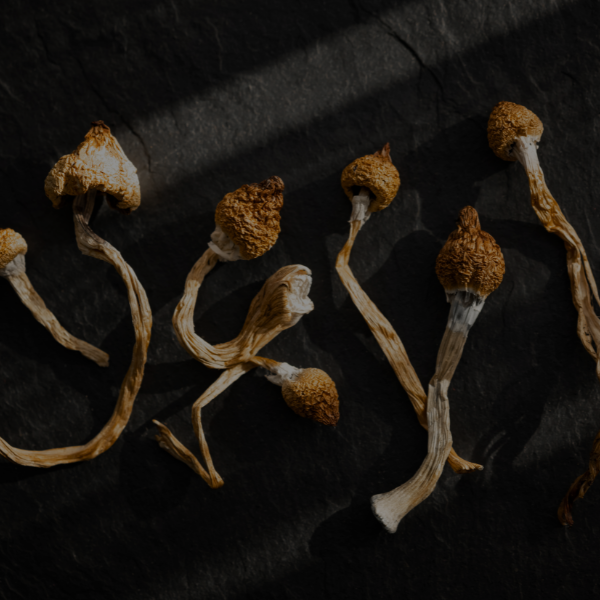
Working with whole dried mushrooms can be tricky. It's tempting to think that two pieces of the same size will have the same weight, but it's rarely that simple. A small, dense mushroom can easily weigh more than a big, airy-looking one.
Here’s how to get an accurate dose every time:
- Break it down. Don't hunt for that one "perfect" piece. Instead, break or crumble larger mushrooms into smaller, more manageable bits. This gives you way more control to nudge the weight up or down until you hit your target.
- Use your tray. Pop a weighing tray or a small piece of paper on your 1 gram scale and hit the tare button to zero it out. Then, slowly add the crumbled pieces until the display shows your desired weight.
- Grind for consistency. If you're prepping several doses at once, do yourself a favor and grind all the mushrooms into a coarse, uniform powder first. This mixes everything together, averaging out any potency differences between the caps and stems for a much more predictable result.
You'll also notice a big difference between handling dried and fresh mushrooms, which impacts more than just weight. To learn more about how they compare in potency and use, check out our guide on dried mushrooms vs fresh mushrooms.
Working with Powders and Capsules
Powders are fantastic for accurate dosing since the material is already consistent. The only real challenge? They can get messy if you're not careful.
For powders, always tare your weighing tray first. Then, use a small tool—a micro-scoop is perfect, but the tip of a clean knife works too—to add the powder little by little. This keeps you from accidentally overshooting your dose.
If you’re making your own capsules, the process is just as precise:
- Place one empty half of a capsule on the scale and press tare.
- Carefully fill that half with your pre-weighed powder.
- Give it one last check on the scale before sealing the capsule.
This little bit of extra effort ensures every single capsule is spot-on.
A clean, organized workspace is your best friend here. It’s not just about being neat—it prevents contamination and makes the whole process smoother and more accurate. A little organization really does go a long way.
Dosing Infused Edibles Like Chocolates
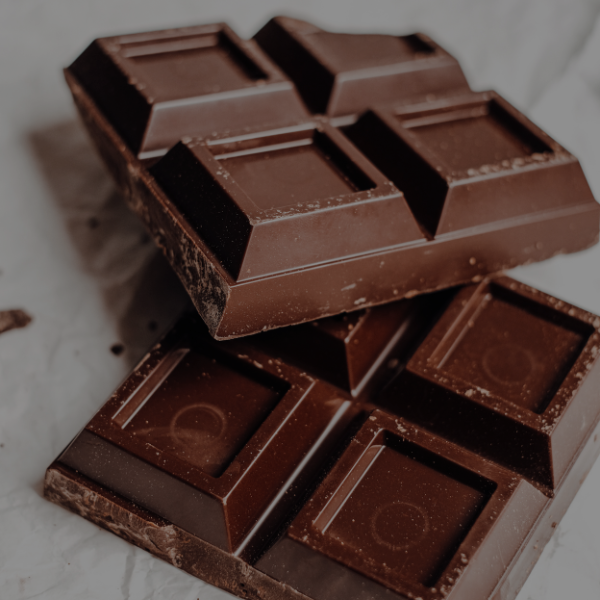
Edibles like chocolate bars are a whole different ballgame. You can't just weigh a random piece and know the dose, because the active ingredient is mixed throughout the entire product.
Your first step is to check the packaging. It should tell you the total psilocybin content and the total number of pieces. For example, a 3.5g bar broken into 10 squares means each square contains roughly 0.35g.
But what if you want a dose that isn't a perfect square? Time to break out the scale. Let’s say you want a 1g dose from that 3.5g bar. First, weigh the entire unopened bar to find its total weight. If the bar weighs 50g, you can do some quick math: every gram of chocolate has 0.07g of psilocybin (3.5g psilocybin ÷ 50g chocolate).
To get your target 1g dose, you would need to weigh out approximately 14.3g of the chocolate.
Proper Care and Discreet Storage for Your Scale
Think of your 1 gram scale as a precision tool. Just like any high-quality gear you rely on, a little TLC goes a long way. Keeping it in top shape ensures your measurements are always spot-on, while smart storage protects your privacy and the scale itself.
A few simple habits will extend its life and save you the headache of wonky readings later on. It’s a small effort that pays off in consistency and peace of mind.
Maintaining Your Scale for Peak Accuracy
Good maintenance is pretty simple. Your main mission is to shield the delicate weighing platform and its internal load cell from gunk, moisture, and any accidental damage.
First things first, always keep your scale clean. A quick sweep with a soft, dry brush after each use is all it takes to clear away any leftover powder. I find that a small, clean paintbrush or a dedicated makeup brush works wonders for getting into the nooks and crannies.
Spills happen. If you get something sticky or wet on the scale, don't panic, but act fast. Power it down, then grab a soft cloth and dampen it just a bit with isopropyl alcohol to gently wipe the mess away. Never, ever spray liquid directly on the scale or dunk it in water—that's a surefire way to fry the sensitive electronics inside.
Don't forget about the batteries. If your scale uses the replaceable kind, pop them out if you’re putting it away for more than a few weeks. This simple step prevents battery acid from corroding the contacts. If your display starts flickering or the numbers are jumping all over the place, weak batteries are almost always the culprit.
A dead giveaway that it might be time for a new scale? It just won't hold its calibration. If you calibrate it and the readings start drifting wildly within minutes, or it gives you different weights for the same item, the load cell is probably shot.
Creative and Discreet Storage Solutions
For many of us, keeping our wellness tools private is a big deal. The good news is, you don’t need a secret vault. A little creativity is all it takes to find a storage spot that’s both discreet and protects the scale from getting banged around.
Here are a few ideas I’ve seen work great:
- Hollowed-Out Book: It’s a classic for a reason. A fake book blends right in on a shelf and provides a hard shell, protecting your scale from getting crushed.
- Repurposed Tech Box: Still have the box from an old hard drive, webcam, or a nice pair of headphones? They make a perfect disguise. These boxes often come with foam inserts you can easily cut to create a custom, snug fit for your 1 gram scale and its accessories.
- Dopp Kit or Toiletry Bag: A basic toiletry bag tucked into a closet or drawer is totally inconspicuous. It’s also a great way to keep everything—your scale, a weighing tray, and other small tools—organized and in one place.
The "where" is just as important as the "how." Always choose a spot that’s cool, dry, and stable. You’ll want to avoid humid areas like a bathroom or anywhere with big temperature swings. A steady environment helps your scale stay calibrated between uses, so it's accurate and ready to go whenever you are.
Your 1 Gram Scale Questions, Answered
Even with the best tools, stepping into the world of precision dosing can bring up a few questions. This is where you'll find quick answers and troubleshooting tips from people who have been there. Getting truly comfortable with your 1 gram scale is the last piece of the puzzle, giving you the confidence that every single measurement is on point.
We get asked these questions all the time. Whether you’re just starting out or trying to perfect your method, these insights will help you get the most out of your scale.
How Often Should I Calibrate My Scale?
For solid, everyday accuracy, it’s best to calibrate your scale at least once a week. You should also recalibrate it anytime you move it to a different spot or a new surface. If you're dialing in a precise microdose, calibrating it right before you measure is the only way to guarantee a perfect reading.
Think of it like a musician tuning their instrument before a performance. It’s a small, quick step that ensures everything is perfectly aligned for the result you’re after.
Why Is My Scale Giving Me Inconsistent Readings?
Jumpy or inconsistent readings are almost always caused by something in your environment. The three usual suspects are an uneven surface, air drafts, or batteries that are on their way out.
- Check your surface: Make sure the scale is on a solid, flat counter—not a wobbly table or a soft mousepad.
- Block the drafts: Move it away from fans, open windows, and AC vents. Believe it or not, even breathing too close can throw off a sensitive 1 gram scale.
- Swap the batteries: If the numbers are flickering or jumping wildly, fresh batteries will often fix the issue in seconds.
Tackling these simple things will usually stabilize your scale and bring back the reliable accuracy you need.
What's the Difference Between 0.1g and 0.01g Readability?
This is probably one of the most critical things to understand when you’re picking out a scale. "Readability" just means the smallest increment the scale can actually detect and display.
A scale with 0.1g readability measures in tenths of a gram. That's generally okay for larger amounts, but it just doesn't have the pinpoint accuracy you need for smaller, more sensitive doses.
A 0.01g scale, on the other hand, measures all the way down to the hundredth of a gram. This higher level of precision is absolutely essential if you're measuring very small amounts where even a tiny bit of variance can make a big difference. For anyone serious about managing their wellness protocol, a 0.01g scale is the only way to go.
A huge mistake people make is thinking their regular kitchen scale will do the job. Most kitchen scales only measure in whole grams and are nowhere near sensitive enough for accurate dosing. This lack of precision can lead to wildly inconsistent results, which is why a dedicated 1 gram scale with 0.01g readability is a non-negotiable tool.
Ready to take the guesswork out of your wellness routine? The Magic Mushroom Delivery offers a curated selection of premium mushroom products to help you on your journey. Explore our collection and experience the difference that quality and precision can make. Visit us at https://themagicmushroomdelivery.com.