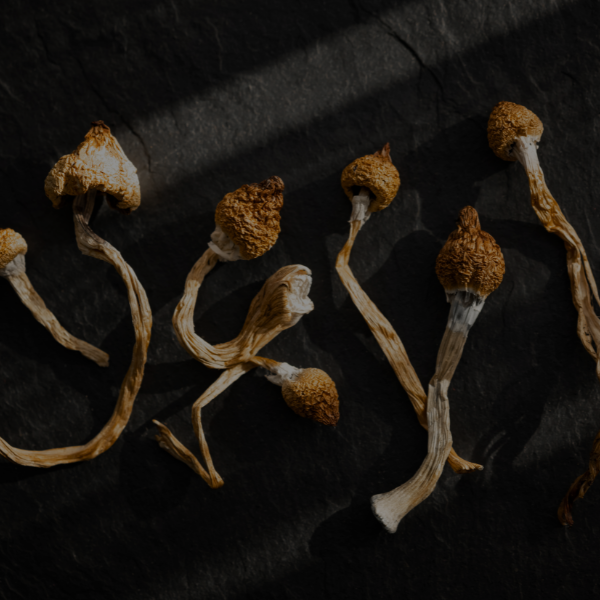

Are people talking about White Lotus effects and meaning the mushroom, the TV-driven travel trend, or the water lily plant? That mix-up is more common than many might assume, and it causes a lot of confusion fast.
This guide is about White Lotus as a Psilocybe cubensis mushroom strain. It is not about the HBO travel phenomenon sometimes called the White Lotus effect, and it is not about Nymphaea lotus, the white lotus flower. Those are separate subjects with different effects, different compounds, and very different expectations.
That distinction matters because beginners often search one term and land in a completely different conversation. Someone looking for mushroom strain guidance might end up reading about destination tourism after The White Lotus TV series, where travel organizations warn that sudden screen-driven attention can push visitor demand into a single hotspot and create overtourism pressures, price increases, and strain on local capacity, which is why they recommend spreading demand across locations and off-peak periods, as noted by Travel With Care's White Lotus effect brief. Helpful for travel planning, yes. Helpful for understanding a cubensis strain, not really.
If you're here because you want a clear, grounded explanation of the mushroom strain's personality, you're in the right place. White Lotus tends to attract people who want a journey that feels thoughtful, visually rich, and emotionally readable rather than messy or aggressively disorienting.
An Introduction to the White Lotus Experience
White Lotus has built a reputation as a strain people choose when they want more than simple intensity. Many users aren't looking to be overwhelmed. They want a trip with shape, mood, and a sense of inner direction.
That's why this strain gets so much curiosity. People often describe White Lotus as having a visual and introspective character. In plain language, that means it may bring noticeable patterning, color enhancement, and a reflective headspace that turns attention inward without always feeling harsh or chaotic.
Why the name causes confusion
The phrase “White Lotus” already carries baggage. Some people know it from the TV show. Others know it as a plant name. A few assume all three are connected.
They aren't.
- The mushroom strain refers to a variety within Psilocybe cubensis
- The TV usage refers to a pop-culture travel effect tied to the show's filming locations
- The flower refers to Nymphaea lotus, a different organism with a different chemical profile
The safest starting point is simple. Make sure the “White Lotus” you're reading about is the same White Lotus you actually mean.
What makes this strain stand out
White Lotus usually appeals to adults who want a trip that feels beautiful, inward, and emotionally textured. Instead of chasing brute force, they're often chasing clarity, mood, and a smoother sense of flow.
That doesn't mean every experience looks the same. Mushroom effects vary from person to person. Your mindset, environment, amount taken, sleep, food, and comfort level all matter. Still, strain identity can shape the overall tone, and White Lotus is often discussed as a strain with a more refined, contemplative feel.
What Exactly Is the White Lotus Mushroom Strain
White Lotus is a Psilocybe cubensis strain. The easiest way to understand that is to think about apples. A Granny Smith and a Honeycrisp are both apples, but they don't taste or feel the same. In the same way, White Lotus and Golden Teacher are both cubensis strains, but people may seek them out for different reasons.

Strain means variety, not a different species
Readers often misunderstand this concept. A strain is not a whole new kind of mushroom. It's better understood as a named variety within the same broad species.
That means White Lotus shares the core cubensis identity, but people talk about it as having its own style. That style usually includes:
- A distinctive visual tone with patterning and color shifts
- A reflective headspace that can support journaling, music, or inward focus
- A balanced feel that many users describe as easier to work with than more forceful strains
None of that means it behaves identically for everyone. Strain descriptions are best treated like a map, not a guarantee.
It is not the white lotus flower
This point deserves a hard stop because the names sound so similar.
White Lotus mushroom effects do not come from the white lotus flower. The flower, Nymphaea lotus, is described in the background material as containing compounds such as aporphine, with an entirely different profile tied to that plant. By contrast, the mushroom strain belongs to Psilocybe cubensis and is discussed in mushroom use because of psilocybin-based effects.
If someone mixes up those two categories, they may expect the wrong timeline, the wrong body feel, and the wrong psychological character.
Quick rule: same name, different substance. The mushroom and the flower should never be treated as interchangeable.
Why this distinction matters in practice
When people ask about White Lotus effects, they're usually trying to answer practical questions:
- Will it feel visual or mostly mental?
- Is it suited to quiet introspection or social energy?
- How cautiously should I approach dosage?
Those are mushroom questions. They need mushroom-specific answers. Once you separate White Lotus the strain from White Lotus the show and White Lotus the flower, the picture gets much clearer.
The Signature Psychological and Visual Effects
Some strains get described as loud, chaotic, or heavily body-focused. White Lotus usually gets talked about in a different way. People often reach for it when they want a trip that feels cleaner in its visuals and more reflective in its emotional tone.

The mental atmosphere
A common White Lotus experience starts with a gentle shift in attention. Music may seem more layered. Thoughts may feel less linear. Emotions you've been skimming past can move into the foreground.
For some people, that creates euphoria with clarity. For others, it opens a more contemplative mood. Instead of racing from idea to idea, the mind may settle into one memory, one question, or one feeling and stay with it long enough to reveal something useful.
This is one reason White Lotus gets linked to introspection. It often suits settings where you want to be present with your own experience rather than constantly distracted by external stimulation.
White Lotus often feels less like being dragged through a storm and more like being invited into a vivid, unusual conversation with your own mind.
That doesn't mean it's automatically easy. Introspection can be beautiful, but it can also surface tension, grief, uncertainty, or buried worries. The strain's “calm” reputation should be understood as a stylistic tendency, not a promise of comfort in every moment.
The visual character
Visually, White Lotus is often associated with refined, intricate effects rather than a muddy or cluttered field. People frequently describe:
- Pattern enhancement on walls, fabrics, leaves, and shadows
- Stronger color saturation that makes ordinary objects feel newly vivid
- Gentle halos or glow effects around lights and edges
- A sense of visual symmetry where shapes appear more connected or meaningful
If you're curious about how mushroom visuals can range from subtle enhancement to immersive patterning, this guide to mushroom visual effects offers a useful broader reference point.
A room with soft lighting, plants, artwork, or textured blankets can feel especially alive under a visual strain. White Lotus tends to suit that kind of environment. Harsh lighting and clutter, on the other hand, may feel less inviting and more mentally noisy.
Here's a visual summary to make those traits easier to grasp.
What the full journey can feel like
The classic White Lotus arc often combines three threads at once. First, there's a rise in sensory richness. Second, there's emotional softening or openness. Third, there's a tendency for thoughts to become symbolic, personal, or unexpectedly insightful.
A typical White Lotus-style journey: softening into the body, noticing colors and textures sharpen, then drifting into a thoughtful inner space where memory, meaning, and beauty start talking to each other.
That combination explains why some people save White Lotus for solo reflection, art, music, journaling, or quiet time with someone they trust. It's not only about seeing more. It's also about feeling more legibly.
Understanding Potency Onset and Duration
Potency questions sound simple, but they hide a problem. People want one fixed answer, and mushrooms rarely work that way. With White Lotus, the wiser approach is to think in ranges and tendencies rather than absolutes.
Potency in practical terms
White Lotus is often treated as a strain that can land in the moderate-to-strong range depending on the batch, your sensitivity, and the amount taken. That places it in the category where caution makes sense, especially if you're new or returning after a long break.
A useful mindset is not “How strong is White Lotus?” but “How strong might this amount feel in my body today?” That question is better because it includes the variables that shape the outcome.
Those variables include:
- Your personal sensitivity
- Whether you've eaten recently
- How much sleep you got
- Whether you're taking it as raw dried mushrooms or in tea
- The specific batch and how it was stored
Onset can feel fast or gradual
The onset is often noticed as a subtle shift rather than an instant launch. You might first feel it in your body. Maybe your stomach feels fluttery, your breathing gets more noticeable, or the room starts to seem slightly “different” before obvious visuals appear.
For some, the come-up feels exciting. For others, it's the most awkward part of the journey because the mind is adjusting to a new state while not fully there yet.
Practical rule: don't judge the whole experience by the first stage. The come-up often feels less stable than the peak.
Tea may feel quicker and smoother for some people. Eating dried mushrooms can feel slower or heavier in the stomach. There's no universal timeline that fits every person, so avoid stacking more early just because the first signals seem mild.
Duration usually unfolds in phases
Instead of obsessing over exact clock times, it helps to think in stages.
| Phase | What it often feels like |
|---|---|
| Come-up | Anticipation, body awareness, emotional shifts, early sensory changes |
| Peak | Strongest visuals, deepest introspection, altered time sense, emotional amplification |
| Come-down | Softer visuals, calmer thinking, physical tiredness, reflective afterglow |
The peak is where White Lotus tends to show its defining character most clearly. That's when the visuals, emotional openness, and symbolic thinking often overlap.
The final stage is usually gentler, but don't assume it's over the moment intensity drops. Many people remain quite impressionable and mentally open well after the strongest effects fade. Keep your schedule clear, stay in a calm environment, and leave room for rest.
How to Dose White Lotus for Your Ideal Journey
Dosing starts before the scale. Your set and setting matter just as much as the amount. If your mood is shaky, your room is chaotic, and your plan is vague, even a modest amount can feel harder to process.
A better approach is to match the dose to the kind of experience you want. Are you hoping for a subtle perceptual lift? A creative afternoon? A highly immersive inward session? Different goals call for different levels of intensity.
Start with intention, not ego
Some people make the mistake of choosing a dose based on what sounds impressive. That usually backfires. White Lotus tends to reward people who approach it with curiosity and restraint.
Before taking any amount, ask yourself:
- Do I want gentle support or full immersion?
- Am I in a stable mood today?
- Will I have enough uninterrupted time?
- Do I have a quiet place to land if the trip gets emotional?
If you want more general context on weighing amounts and matching dose to experience level, this psilocybin dosage guide is a helpful companion resource.
White Lotus Dosage Guide
| Dose Tier | Grams (Dried) | Expected Effects & Intensity |
|---|---|---|
| Microdose | 0.1 to 0.3 g | Subtle or barely noticeable psychedelic effects. May feel like a slight shift in mood, attention, or sensory appreciation without a full trip. |
| Beginner | 0.5 to 1 g | Light effects. Mild visual enhancement, emotional softening, and a gentle altered state that still allows a sense of grounding. |
| Standard | 1 to 2.5 g | Clear White Lotus character. More visible patterning, stronger introspection, altered time sense, and a fuller psychedelic arc. |
| Experienced | 2.5 to 3.5 g | Strong effects. Deep immersion, pronounced visuals, emotional intensity, and a greater need for preparation and support. |
How to choose the right tier
A microdose isn't the right pick if you want the famous White Lotus visuals. It's more appropriate for someone who wants a very light touch and plans to stay functional.
A beginner dose suits first-timers best. It gives you enough space to learn how your body and mind respond without jumping straight into the deep end.
A standard dose is often where people feel the strain's identity most clearly. This range is usually the sweet spot for introspection, music, visuals, and emotional openness.
An experienced dose is not just a bigger version of the same trip. It can become a different kind of event entirely. More preparation, more surrender, and more support are often needed.
Safety Precautions and Harm Reduction Practices
Good experiences rarely happen by accident. People create them. They prepare the room, choose the timing, control the dose, and protect the space from avoidable stress.
That's why harm reduction isn't a side note. It's the structure that holds the whole journey together.

Build a supportive environment
Your setting should make it easy to relax. Clean the room. Lower the lighting. Put water nearby. Choose music in advance so you're not fumbling with screens during the experience.
If you're taking a stronger dose, a trusted sober sitter can make a huge difference. Their job isn't to entertain you. Their job is to stay calm, practical, and reassuring if you become confused or emotionally flooded.
Reduce avoidable risks
A lot of difficult experiences begin with preventable mistakes. Common ones include taking too much too quickly, mixing substances, tripping in a stressful social setting, or ignoring mental readiness.
Use these as baseline practices:
- Start lower than your ego wants: you can learn a lot from a modest first session
- Avoid mixing substances: adding alcohol or other drugs makes the experience less predictable
- Stay hydrated and lightly nourished: you don't need a feast, but you also don't want to be depleted
- Keep obligations off your calendar: pressure from texts, work, or social demands can turn into anxiety fast
If you want a fuller explanation of warning signs and negative responses, this article on adverse effects is worth reading before you begin.
Calm surroundings don't guarantee a smooth trip, but chaotic surroundings often guarantee a harder one.
Know when extra caution makes sense
Some people should be much more careful than others. If you have a history of severe anxiety, panic, psychosis-spectrum symptoms, or other serious mental health concerns, a psychedelic experience can be more destabilizing.
That doesn't mean panic. It means take your own history seriously. If you have underlying medical or psychiatric concerns, professional guidance matters more than strain hype.
A simple notebook can also help after the experience. Write down what came up, what felt helpful, and what you'd change next time. Integration turns a strange night into something you can put to use.
Is White Lotus the Right Strain for You
White Lotus usually appeals to people who want a trip with a particular flavor. Not just “strong” or “mild,” but visually elegant, emotionally open, and inwardly focused. If that combination sounds attractive, it may be a strong fit.
It may suit you especially well if you're drawn to questions like these:
- Do I want a strain that feels reflective rather than rowdy?
- Am I hoping for beautiful visuals, not just intensity?
- Do I value emotional clarity and creative thought during a trip?
- Am I willing to prepare carefully and respect the dose?
It might be less ideal if you want a very social, lighthearted, externally focused experience. White Lotus often seems better matched to music, solitude, nature, art, trusted company, and inner exploration.
The best strain isn't the one with the biggest reputation. It's the one whose personality matches your intention.
That's the essential decision point. If you want a mushroom experience that can feel contemplative, visually rich, and meaningfully personal, White Lotus stands out. If you prefer something simpler or more casual, another strain may fit better.
The goal isn't to chase a name. It's to choose with care, understand what you're taking, and create the conditions for a safe, grounded, positive journey.
If you're looking for a trusted place to explore mushroom products and education, The Magic Mushroom Delivery offers a wide selection for adults 21+, along with practical guides on effects, dosage, and responsible use.