
Mushroom coffee is a 50:50 blend of ground coffee beans and dried, extracted medicinal mushroom fruiting bodies, and it typically contains about 40 to 80 mg of caffeine per serving, which is roughly 50% less than standard drip coffee at 95 to 200 mg. In simple terms, it's coffee redesigned to give you a gentler caffeine experience while adding mushroom extracts that many people associate with focus, calm, or daily wellness support.
If you're reading this with a mug beside you and wondering whether mushroom coffee is a clever wellness upgrade or just another internet trend, you're in the right place. A lot of people get curious about it for the same reason. They like the ritual of coffee, but they don't love the shaky hands, edgy feeling, or midday slump that can come with a stronger brew.
There's one more reason this topic gets confusing. The phrase mushroom coffee gets used for two very different products. One is a functional daily drink made with mushrooms like Lion's Mane or Reishi. The other is a psychoactive product intended for a very different kind of experience. If you've ever felt like guides lump these together and leave you more confused than informed, that confusion makes sense.
Your Morning Brew Reimagined
You want coffee to help you feel switched on, not overstimulated. That's the gap mushroom coffee tries to fill. It keeps coffee in the picture, but changes the formula by blending it with mushroom extracts that are naturally caffeine-free.

For many beginners, the first surprise is that it usually doesn't taste like a bowl of mushrooms. Most products still taste recognizably like coffee, though often a little earthier or smoother. That matters because for many, this isn't just about ingredients. It's about protecting the comfort of a morning habit while changing how that habit feels.
Why people are paying attention
Mushroom coffee has moved far beyond a niche shelf in a wellness shop. The category's rise has been dramatic. The global mushroom coffee market expanded from an estimated USD 2.3 billion in 2023 to a projected USD 4.5 billion by 2030, with a CAGR of 9.8%, according to Strategic Market Research's mushroom coffee market analysis.
That growth tells you something useful. People aren't only buying coffee for caffeine anymore. They're looking for drinks that fit a broader wellness routine, and mushroom coffee sits right in that overlap between familiar ritual and functional promise.
Practical rule: If regular coffee feels too intense but you still want a coffee ritual, mushroom coffee is often appealing because it changes the experience without asking you to give up the cup.
The phrase means two different things
Confusion often arises regarding what is mushroom coffee. Sometimes it has a simple answer: coffee blended with functional mushroom extracts for everyday use. Other times, people use the same phrase to describe a very different product meant for altered perception, mood shifts, or creative exploration.
If you don't separate those two worlds, nothing else about benefits, effects, or safety makes much sense. So let's sort that out clearly.
The Two Worlds of Mushroom Coffee
The easiest way to understand mushroom coffee is to split it into two categories based on purpose.
Functional mushroom coffee
This is the version most grocery shoppers and wellness consumers mean. It's built for daily use and usually contains mushrooms such as Lion's Mane, Reishi, or Cordyceps. These mushrooms are used for their wellness reputation, not for producing a psychedelic experience.
A common formula is a 50:50 blend of ground coffee beans and dried, extracted medicinal mushroom fruiting bodies, which leads to approximately 40 to 80 mg of caffeine per serving, compared with 95 to 200 mg in standard drip coffee, as explained in this evidence-based guide to mushroom coffee and caffeine. That lower caffeine level is a big part of the appeal.
People often choose this type because they want one or more of these outcomes:
- Smoother energy: Less caffeine can feel gentler than a regular cup.
- Focus support: Lion's Mane is often chosen by people interested in cognitive support.
- Calmer evenings or stress support: Reishi is frequently associated with relaxation.
- Workout or daytime drive: Cordyceps often appears in products aimed at active lifestyles.
If you're new to the category, it helps to learn the basics of adaptogenic mushrooms and how they're commonly used.
Magic mushroom coffee
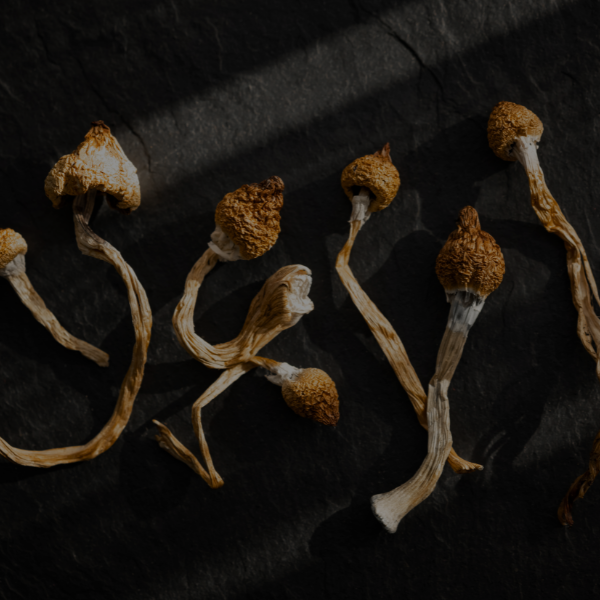
This is a different product category entirely. Instead of being centered on wellness-style mushroom extracts, it's centered on a psychoactive mushroom ingredient and is used for a different experience. People who seek this kind of coffee usually aren't looking for a gentler morning caffeine swap. They're looking for mood elevation, sensory shifts, reflective experiences, or creative exploration.
The setting, intention, and expected effects are all different from functional mushroom coffee. So is the way you think about dose. With functional coffee, the question is often, “Does this fit my routine?” With magic mushroom coffee, the question is more like, “What kind of experience am I choosing, and am I prepared for it?”
These aren't competing versions of the same product. They serve different goals, create different effects, and belong to different use contexts.
Functional Coffee vs. Magic Mushroom Coffee at a Glance
| Feature | Functional Mushroom Coffee | Magic Mushroom Coffee |
|---|---|---|
| Primary ingredients | Coffee plus functional mushroom extracts such as Lion's Mane, Reishi, or Cordyceps | Coffee blended for a psychoactive mushroom experience |
| Main purpose | Daily wellness ritual, often with smoother caffeine intake | Intentional altered-state, mood, or exploratory experience |
| Typical effects | Coffee-like alertness with a gentler feel and mushroom-specific wellness positioning | Noticeable mental and perceptual shifts that go beyond ordinary caffeine |
| How people use it | Morning or daytime beverage | Deliberately, with attention to dose, setting, and timing |
| Best for | People who want a coffee alternative with functional ingredients | People seeking a more immersive and intentional experience |
Evidence-Backed Benefits and Effects
The biggest mistake people make is assuming every mushroom coffee produces every claimed benefit. It doesn't. What you feel depends on the type of product, the mushroom used, and whether the formula contains a meaningful amount of extract.
What functional mushroom coffee may offer
Functional mushroom coffee gets most of its appeal from pairing a smaller caffeine hit with mushrooms that people choose for specific wellness goals.
Lion's Mane is usually the first name you'll hear when people talk about focus, mental clarity, or productivity.
Reishi often shows up in blends marketed around calm, balance, or a less wired feeling.
Cordyceps is commonly associated with daytime energy and performance-oriented routines.
That all sounds promising, but the dosage matters more than the label design. A product can list a trendy mushroom and still provide too little of it to line up with amounts used in research.
The dosage gap most shoppers miss
A key limitation in many products is simple: there may not be enough mushroom extract in a serving to match the amounts used in studies. A typical serving provides 250 to 500 mg of mushroom extract, while cognitive trials for Lion's Mane used 3,000 mg per day, a 6 to 12-fold deficit, according to this breakdown of mushroom coffee benefits and formulation limitations.
That doesn't mean a product is useless. It means you should set realistic expectations.
If a mushroom coffee label sounds like it promises supplement-level effects from a tiny scoop, pause and read the serving details carefully.
A helpful way to think about functional mushroom coffee is this:
- Best-case use: A lower-caffeine coffee ritual with thoughtfully chosen extracts.
- Less realistic expectation: A dramatic shortcut to every benefit associated with full-dose mushroom supplementation.
For a broader look at common claims and how to think about them, this guide to the benefits of mushroom coffee can help.
Effects people seek from magic mushroom coffee
The second category works on a completely different level. People don't usually choose it for a subtle productivity boost. They choose it for experience.
Some look for a lifted mood or a fresh perspective. Others are interested in creative exploration, emotional openness, or a sense of connection that feels far outside the normal coffee range. The experience can be thoughtful, playful, intense, or introspective depending on the person, setting, and dose.
That's why comparisons between the two categories matter so much. Functional mushroom coffee is usually about supporting the day you already planned. Magic mushroom coffee is often about stepping out of your ordinary mode and entering a more intentional one.
Important Safety and Risk Considerations
Any product with mushrooms deserves the same common-sense caution you'd use with supplements, herbs, or stronger specialty beverages. Start by checking the ingredients, follow the label, and talk with a healthcare professional if you're pregnant, breastfeeding, managing a health condition, or taking medications.

Risks people often overlook
A lot of online content stays vague and says things like “watch for interactions,” but some risks are more specific than that. One example is Chaga. Existing coverage often misses the oxalate load risk of Chaga-rich mushroom coffee for kidney stone patients, even though Chaga is a common ingredient and contains high oxalates that can contribute to kidney stone formation in high amounts, as noted in Food & Wine's discussion of mushroom coffee safety concerns.
If you have a history of kidney stones, that point matters. “Natural” doesn't automatically mean low-risk for every body.
Smart ways to approach your first try
A careful first step usually looks like this:
- Read the ingredient list: Don't assume every blend contains the same mushrooms.
- Check your own risk factors: Kidney stone history, allergies, and medication use all matter.
- Start with a small serving: This helps you notice digestive or sensitivity issues early.
- Avoid stacking variables: If you're trying a new coffee, don't pair it with several other new supplements that day.
Go slow enough that you can tell what your body is actually responding to.
For psychoactive mushroom coffee, safety is less about rushing toward an effect and more about being deliberate. Your environment, your mindset, and your dose all shape the experience. A calm setting and a low starting point tend to be far wiser than treating it like an ordinary cup of coffee.
How to Choose a High-Quality Mushroom Coffee
A flashy front label doesn't tell you much. Actual quality clues are usually on the side or back of the package.

Read past the buzzwords
The first thing to check is what part of the mushroom the product uses. A label that clearly names the species and identifies fruiting body extract gives you more useful information than one that hides behind vague blend language.
Another term worth watching is mycelium on grain. Some buyers avoid it because it can mean the final powder contains a substantial amount of the grain growing medium rather than a more concentrated mushroom extract. If a label is vague, that's usually a reason to be cautious.
Why extraction method matters
This is one of the most important quality signals. Dual extraction means using both water and alcohol to pull different compounds from the mushroom. That matters because alcohol extraction captures compounds such as triterpenes in Reishi that water alone misses, as explained in this article on mushroom coffee and extraction differences.
So if a product features Reishi and talks about full-spectrum benefits, but only mentions hot-water extraction or says nothing at all, that's a gap worth noticing.
Here's a quick shopping filter:
- Good sign: The label names the mushroom species and extraction method.
- Better sign: It specifies fruiting body extract.
- Caution sign: It relies on vague phrases like “proprietary blend” without clear details.
- Another caution sign: It makes dramatic promises but says little about sourcing or testing.
If you want a useful benchmark for what transparent testing should look like, review these mushroom product quality assurance standards.
A short walkthrough can also help you spot quality clues faster:
A simple buyer's checklist
When you're comparing two products, use this short list:
| What to check | Why it matters |
|---|---|
| Named mushroom species | You can tell what you're actually buying |
| Fruiting body disclosure | It suggests a more intentional formulation |
| Extraction details | Different methods capture different compounds |
| Dose transparency | It helps you judge whether the product is mostly ritual or meaningful extract |
| Testing information | It signals accountability and quality control |
The best mushroom coffee brands don't make you guess. They tell you what's inside, how it was processed, and why that formula was built the way it was.
Preparing Your First Cup and Finding Your Dose
The practical side is refreshingly simple. Most functional mushroom coffees brew just like regular coffee. If it's a powder, you stir it into hot water. If it's ground, you can use a drip machine, French press, pour-over, or whatever method already fits your morning.
For functional mushroom coffee
Treat your first cup like a small experiment. Start with the suggested serving, drink it at a time when you can notice how it feels, and pay attention to energy, focus, and stomach comfort. Many people use this category as a daily ritual rather than a once-in-a-while event.
For magic mushroom coffee
The mindset should be different. This isn't the kind of product to gulp absentmindedly on the way to work. Start low, go slow, and choose a time and place that support a calm, intentional experience. If you're exploring for the first time, simplicity helps. A comfortable setting, a clear plan, and no pressure to “feel something huge” usually lead to a better experience.
Small, intentional doses teach you more than jumping in too fast.
The best first cup is the one you understand. Know which category you're choosing, read the label closely, and match the product to the experience you want.
If you're ready to explore carefully chosen functional and psychoactive mushroom products, The Magic Mushroom Delivery offers a curated selection along with educational resources that can help you make a more informed choice. It's a practical place to browse mushroom coffee, learn about product types, and shop with a clearer sense of what fits your goals.