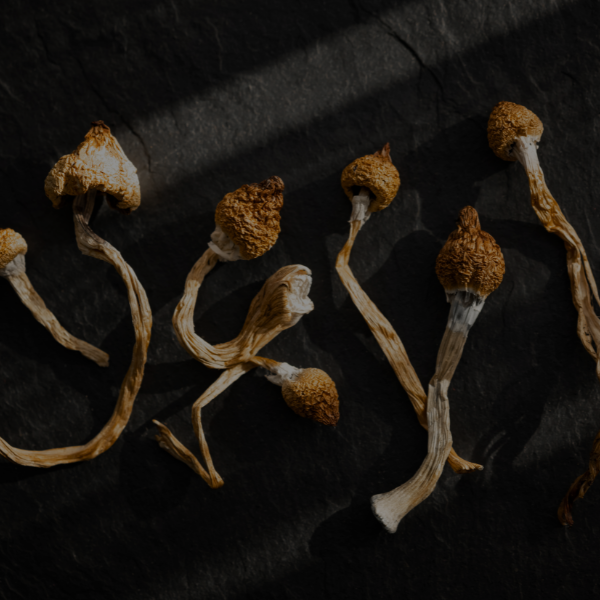

You're probably here because the phrase Treasure Coast mushrooms keeps popping up and it means two different things depending on who's talking. One person means mushrooms associated with Florida's humid coastal ecology. Another means the well-known Treasure Coast strain of Psilocybe cubensis. That overlap confuses a lot of people, especially first-timers trying to learn what's wild, what's cultivated, what's safe, and what's just marketing language.
That confusion matters. With mushrooms, small differences in wording can lead to big differences in expectations. A strain name isn't the same as a field guide. A white cultivated variety isn't the same thing as a white mushroom found outdoors. And a product label that sounds confident doesn't always tell you what you need to know about consistency or sourcing.
Exploring Florida's Fungal Treasures
Florida's Treasure Coast has the kind of natural setting that makes mushroom talk feel almost inevitable. Think of a morning paddle through a slow river channel, wet grass at the edges, thick air, and the sense that everything living there likes warmth and moisture. In a place like that, fungi don't feel rare. They feel built into the environment.

That setting helps explain why the name stuck. The Treasure Coast strain of Psilocybe cubensis was originally collected in the Florida coastal region known as the Treasure Coast, and the region's warm, humid subtropical habitat, nutrient-rich soil, and high humidity create strong growing conditions for the species. It naturally appears from February to December in that environment, according to this background on the Treasure Coast strain's Florida origins.
Why the name causes confusion
When people say “Treasure Coast mushrooms,” they might be referring to:
- A Florida place: The broader coastal region and its fungal habitat.
- A named cubensis strain: A cultivated and recognized variety in the mushroom community.
- A general vibe: Products, spores, or discussions inspired by the region rather than something gathered there.
That's where readers often get tripped up. They assume the strain name means any mushroom found around the Treasure Coast belongs in the same conversation. It doesn't.
Practical rule: Treat a strain name like a cultivar name, not a blanket label for every mushroom in the region.
A useful way to think about it
A simple comparison helps. “Treasure Coast” works a bit like a grape variety named after the region where it became known. The place matters. The strain identity also matters. But they're not interchangeable.
For beginners, the safest starting point is this: Treasure Coast mushrooms usually refers to a specific Psilocybe cubensis strain with roots in Florida's subtropical environment. Once that's clear, it becomes much easier to understand identification, potency, and safe sourcing without mixing wild mushrooms into the same category.
The Famous Treasure Coast Mushroom Strain Explained
If you strip away the hype, the Treasure Coast strain is easiest to understand as a recognized variety of Psilocybe cubensis with a strong reputation among people who discuss cultivated mushrooms. It's widely known for vigorous growth and for producing reliably enough that many enthusiasts remember it by name.
What people mean by the strain
A strain name helps people group mushrooms by shared traits, much like gardeners talk about one tomato variety versus another. You're not claiming that every individual specimen looks identical. You're describing a family resemblance.
With Treasure Coast, growers and collectors often talk about:
- Caramel to golden-toned caps in typical presentations
- Clustered growth habits, where fruits can appear in dense groupings
- A dependable, energetic reputation compared with strains that are fussier or more variable in presentation
That last point is one reason the strain gets so much attention. Some mushrooms earn a following because they're exotic. Treasure Coast tends to earn its place because people see it as approachable and productive.
What it is not
It's not helpful to use “Treasure Coast” as a catchall term for any mushroom from Florida. The strain name points to a specific cubensis lineage and community identity. That distinction matters because people often jump from hearing “it came from Florida” to assuming a wild mushroom in Florida must be related. That leap causes problems.
Here's the cleaner framework:
| Question | Better way to think about it |
|---|---|
| Is Treasure Coast a place? | Yes, it's a Florida coastal region. |
| Is Treasure Coast also a strain name? | Yes, for a known Psilocybe cubensis variety. |
| Does every mushroom found there count as Treasure Coast? | No. Region and strain are not the same thing. |
Why people keep coming back to this strain
Treasure Coast has a “prolific gardener” reputation. Some strains are discussed as temperamental. Treasure Coast is usually described more like a plant that likes to grow once conditions are right. That doesn't mean every batch will behave the same way. It means the strain's identity is tied to steady performance and broad familiarity.
The name matters less than the context. Ask whether someone is talking about a wild mushroom, a cultivated variety, or a packaged product.
For a newcomer, that one habit clears up a lot of noise. Instead of chasing strain mythology, you start asking practical questions about appearance, source, and consistency.
Foraging in Florida A Word of Caution
Florida makes foraging look inviting. Warm fields, pasture edges, and coastal humidity can give people the impression that a little online reading plus a sharp eye is enough. It isn't.
The biggest problem is that the romantic version of foraging leaves out the part where misidentification can make someone seriously ill. Mushrooms don't reward overconfidence. They punish it.

The white mushroom mistake
One especially dangerous assumption shows up around Albino Treasure Coast. People hear the name, then imagine they might spot a pale or white mushroom outdoors and identify it as something rare and desirable. That's the wrong instinct.
A useful warning appears in this Albino Treasure Coast safety discussion: a white mushroom found in the wild is more likely to be a toxic look-alike than a special strain like Albino Treasure Coast, which is a cultivated hybrid with no wild counterpart. That gap in understanding can lead to fatal misidentification.
Why beginners get fooled
New foragers usually focus on one or two visible features. Maybe the cap shape looks close enough. Maybe the color seems right. Maybe the habitat “feels” correct. But mushroom identification doesn't work well when you cherry-pick traits.
A risky thought process often looks like this:
- “I found it in the right climate.” Habitat helps, but it doesn't confirm identity.
- “The cap looks similar.” Many unrelated mushrooms overlap visually.
- “The online photo seems close.” Photos flatten details and hide critical differences.
That's why field confidence can be misleading. The more cautious person often makes the safer call.
A better alternative to guessing
If your goal is learning, study local mycology through photos, habitat notes, and careful comparison without ingesting anything you can't verify beyond doubt. If your goal is product use, wild foraging is the wrong shortcut.
This guide on how people try to find mushrooms is a useful reminder that curiosity and safety aren't the same skill set. Interest in mushrooms is good. Acting on uncertain identification isn't.
Wild mushroom identification is not a “close enough” activity.
The grounded takeaway
Foraging has educational value. It can sharpen observation and deepen respect for ecosystems. But for most readers, especially anyone drawn in by the Treasure Coast name, the practical answer is simple: don't treat Florida's outdoors as your supply chain.
The safer mindset is to separate appreciation from consumption. Learn from the wild. Don't trust it casually.
Functional vs Psychoactive Mushrooms
A lot of newcomers lump all wellness mushrooms into one bucket. That's understandable, but it creates confusion fast. Functional mushrooms and psychoactive mushrooms serve different purposes, and people usually choose them for very different reasons.
Functional mushrooms for everyday routines
Functional mushrooms are typically used in a support role. People add them to daily habits the same way they'd use tea, coffee, or supplements.
Common examples include:
- Lion's Mane: Often chosen by people who want a focus-friendly ritual.
- Reishi: Usually associated with calm, evening routines, or general wellness habits.
- Cordyceps: Common in conversations about energy and physical drive.
You'll see these ingredients in capsules, powders, and drink blends. If you want a plain-language primer, this overview of adaptogenic mushroom products and how people use them is a helpful starting point.
Psychoactive mushrooms for altered experience
Psychoactive mushrooms are different. People seek them for changes in perception, mood, and consciousness. That puts them in a separate category from a morning mushroom coffee or a routine supplement stack.
The key distinction isn't whether one category is “better.” It's whether you're matching the product to the intention.
| If you want… | People often look at… |
|---|---|
| A steady daily ritual | Functional mushrooms |
| A support product in coffee, powder, or capsules | Functional mushrooms |
| A more introspective or perspective-shifting experience | Psychoactive mushrooms |
Why mixing the categories causes trouble
Confusion often starts with language like “mushroom wellness.” That phrase can cover a lot of ground. But a person shopping for Lion's Mane gummies is not solving the same problem as someone researching Treasure Coast mushrooms.
Choose by intention, not by trend. “Mushroom” is too broad to be useful on its own.
A simple habit helps: before you buy anything, ask what role it's supposed to play in your life. Daily support, situational use, flavor, ritual, or a deeper experiential purpose. Once you do that, the range of products gets much easier to understand.
Understanding Treasure Coast Potency and Dosing
Potency is where many readers want certainty, and it's also where certainty gets overstated. The right starting point is honesty: Treasure Coast mushrooms can vary from batch to batch.
According to this Psilocybe cubensis potency overview, whole dried mushrooms contain between 0.37% and 1.30% psilocybin, and a commonly referenced standard dose is 2 to 3 grams, which roughly equates to 30 to 45 mg of psilocybin. That gives you a practical frame, but not a guarantee for every mushroom in every package.

What those percentages mean in real life
The typical perspective avoids alkaloid percentages, focusing instead on outcomes. The practical lesson is that two mushrooms that look similar may not feel equally strong. That's why “eyeballing it” is such a poor method.
A few variables can shift the experience:
- Batch variation: Even within the same named strain, strength can differ.
- Mushroom part: Caps and stems don't always match perfectly.
- Storage and age: Product handling can affect consistency.
A calmer way to approach dose decisions
Instead of chasing a “correct” number, use a conservative process.
- Start lower than your ego wants to. Curiosity and confidence aren't the same thing.
- Use a scale, not guesswork. Visual estimates are unreliable.
- Stay with one batch at first. Don't mix products and then wonder what changed.
- Take notes. A simple log beats memory.
Why phenotype claims deserve skepticism
Some product descriptions lean hard on words like “stronger,” “premium,” or “above average.” Sometimes those descriptions may reflect real differences. Sometimes they're mostly branding.
A sensible consumer asks a better question: what evidence supports the claim? If there's no clear potency information, treat the language as suggestive, not definitive.
Smaller, measured steps teach you more than a bold first dose ever will.
Skill with Treasure Coast mushrooms isn't finding the biggest experience. It's learning how to judge your response carefully enough that the next decision is better than the last one.
How to Safely Source Mushroom Products
Once you stop treating the wild as the obvious answer, a different question takes over. How do you tell whether an online mushroom seller is careful, transparent, and worth trusting?
That matters even more with Treasure Coast products because public data doesn't neatly map every phenotype or variation. A useful caution from this Treasure Coast strain analysis is that there's a lack of public data on potency variations between different Treasure Coast phenotypes, including standard and Albino forms, and marketing claims aren't always backed by scientific HPLC data. In plain English, labels can sound more precise than the evidence behind them.

What a careful buyer should look for
A trustworthy vendor usually makes it easier to slow down and make a good decision. A weak vendor pushes urgency, mystery, or hype.
Look for signs like these:
- Age checks that are visible: If a site serves adults, it should act like it.
- Clear product descriptions: You should know whether you're looking at raw mushrooms, capsules, gummies, chocolates, or functional products.
- Consistency language with substance behind it: Vague confidence isn't enough.
- Professional packaging and shipping practices: The buying experience should feel organized, not improvised.
- Accessible educational content: Good sellers help customers understand what they're buying.
Questions worth asking before you order
Not every useful question is technical. Some are basic consumer protection.
| Ask this | Why it matters |
|---|---|
| What exactly is the product form? | “Mushrooms” can mean several very different things. |
| Does the description explain expected use clearly? | Ambiguity usually helps the seller, not the buyer. |
| Does the company discuss quality standards openly? | Silence is information too. |
| Is there guidance for responsible, measured use? | Serious vendors don't rely on impulse buying alone. |
Quality signals matter more than strain mythology
People often obsess over names like Treasure Coast, Albino Treasure Coast, or another headline strain. The more useful focus is whether the vendor behaves like a serious curator.
That includes things like quality assurance and testing practices for mushroom products. You don't need flashy jargon. You need signs that someone is paying attention to consistency, handling, and customer education.
Here's a quick visual overview of what thoughtful product selection can involve:
A simple sourcing checklist
Use this when you're comparing options:
- Read the listing twice: The first read catches excitement. The second catches missing details.
- Check whether the site separates functional and psychoactive categories clearly: That shows the seller understands the products.
- Notice the tone: Education is a good sign. Pressure is not.
- Favor vendors that stand behind curation: If potency claims are loose across the market, curation becomes more important.
- Keep your first order simple: One product, one format, one baseline.
The safest sourcing mindset is practical, not romantic. You're not hunting for lore. You're looking for clarity.
Continuing Your Mycological Journey
Treasure Coast mushrooms attract attention because they sit at the intersection of place, strain identity, and curiosity. That's also why they confuse people. The smartest readers separate those layers early. Florida's Treasure Coast is a real ecological setting. Treasure Coast is also a known cubensis strain. Those aren't the same thing.
The biggest safety lesson is straightforward. Sourcing beats foraging for almost everyone reading this. Wild identification carries risks that beginners tend to underestimate, especially when strain names blur the line between cultivated products and mushrooms found outdoors.
Good next steps for learning more
Keep your education practical and grounded:
- Follow educational mushroom blogs: The best ones explain products, formats, and use cases in plain language.
- Read vendor learning hubs carefully: A solid retailer should teach, not just sell.
- Join thoughtful online communities: Look for spaces where people compare notes responsibly instead of competing over extremes.
Curiosity works best when it stays paired with patience.
If you keep that balance, Treasure Coast mushrooms become a lot less mysterious. You don't need to know everything at once. You just need to ask better questions, trust hype less, and build your understanding one informed step at a time.
If you're looking for a reliable place to explore mushroom products with clear categories, discreet shipping, and educational support, The Magic Mushroom Delivery is worth a look. Their online shop brings together functional mushroom options and psilocybin products in one place, with a focus on adult customers who want convenience, privacy, and a more informed buying experience.