
You've probably had this moment already. You hear that reishi is one of the classic wellness mushrooms, then someone warns you that it tastes awful. Suddenly the question isn't “Should I try it?” It's “How bad is it, really?”
That hesitation makes sense. Reishi has a serious reputation, and not because it's delicate or easygoing. Its flavor can be intense the first time. But the good news is simple: reishi mushroom taste is manageable once you understand what creates it and which formats make it easier to work with.
There's no need to force down a harsh cup and hope for the best. A few smart choices around preparation, pairing, and product type can make reishi much more approachable. If you're exploring it for stress support or looking into broader wellness uses, resources on reishi mushroom for anxiety often spark the same question first: what does it taste like in real life?
Demystifying the Reishi Mushroom Taste
Reishi tends to surprise people twice. First, by how strong its flavor is. Second, by how quickly that flavor starts to make sense once you stop expecting it to behave like a culinary mushroom.
If your mental picture of mushrooms comes from cremini, shiitake, or portobello, reishi can feel like a category error. It isn't the kind of mushroom you sauté for dinner. It's usually approached more like an herbal material. That shift matters because reishi mushroom taste is less “mushroomy” in the familiar food sense and more bitter, woody, and medicinal.
That doesn't mean it's unpleasant for everyone. It means it asks for the right expectation.
Why people get thrown off
A lot of guides give a one-word answer. Bitter. That's true, but it's incomplete. Bitterness can mean bright and pleasant, like grapefruit peel, or deep and stubborn, like over-extracted herbs. Reishi lands in the second camp.
People also assume bitterness means something went wrong. With reishi, that usually isn't the case. The bitterness is part of its identity.
A useful mindset: Don't judge reishi the way you'd judge a soup ingredient. Judge it the way you'd judge a strong botanical tea.
The more helpful question
Instead of asking whether reishi tastes good on its own, ask this: Which form of reishi fits my palate? Tea, powder, tincture, and capsules all create very different experiences.
That's the practical path. You don't need to love plain reishi tea to use reishi well. You just need to know what you're working with.
What Does Reishi Mushroom Actually Taste Like
The short answer is this: reishi tastes very bitter, earthy, and woody. Reference material consistently describes it that way, and some consumer guides compare it to tree bark or cork when cooked. The bitter edge is so strong that sensory testing of some reishi extracts has rated bitterness at 10/10, as noted in the NCBI reference on Ganoderma lucidum.

If you've never tried it, a few comparisons help.
Flavor notes you're likely to notice
- Bitterness first: Not candy-bitter or coffee-bitter. More like concentrated herbal bitters.
- Woody body: Think bark, dry roots, or the scent of a forest floor after rain.
- Earthy undertone: Dense, grounded, and slightly dark rather than fresh or grassy.
- Medicinal finish: The aftertaste often lingers and feels closer to an apothecary brew than a comfort tea.
That's why people often say they “respect” reishi before they “enjoy” it.
Helpful comparisons
Reishi doesn't taste exactly like these things, but these analogies get you close:
- Unsweetened herbal decoctions
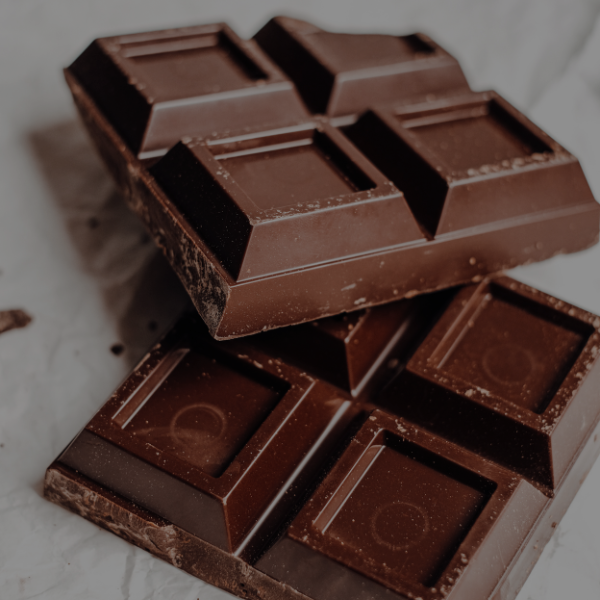
- Very dark cacao with no sugar
- Walnut skin bitterness
- A cup infused with bark, roots, and bitter herbs
If you brew it strongly, the texture of the flavor can feel almost dry, even if the drink itself is watery. That's part of the woody impression.
Reishi rarely tastes soft or rounded on its own. It has edges, and that's why pairing matters so much.
Why it doesn't taste like dinner mushrooms
This is one of the biggest points of confusion. People hear “mushroom” and expect umami. Reishi usually doesn't show up that way. It's not prized as a sauté pan ingredient. Its flavor profile sits much closer to tonic herbs than to culinary fungi.
So if you're wondering whether reishi tastes like mushroom broth, the answer is usually no. Reishi mushroom taste is more botanical than savory.
The Science Behind Reishi's Bitter Flavor
A lot of herbs taste the way they work. Reishi is a good example.
Its bitterness comes largely from a group of compounds called triterpenes, including ganoderic acids. These are part of reishi's natural chemical makeup, especially in the fruiting body. So the sharp, lingering bite in a cup of reishi is not a mystery or a sign that something went wrong in preparation. It reflects what is present in the mushroom itself.

Triterpenes are the main reason reishi tastes bitter
If you have ever tasted cocktail bitters, unsweetened tonic herbs, or the peel of a very bitter citrus fruit, you already know the basic idea. Certain plant and fungal compounds hit the tongue with a firm, drying bitterness that tends to linger. Reishi behaves in that same family of flavors.
Ganoderic acids matter here because they are among the triterpenes associated with reishi's distinctive profile. In practical terms, more extraction of these compounds usually means a more assertive cup.
Why the bitterness shows up so clearly in tea
Reishi is dense, woody material. To get useful compounds out of it, people usually simmer or extract it rather than cook it like a dinner mushroom. Hot water helps pull some of those bitter constituents into the liquid, which is why tea can taste stronger than someone expects from a "mushroom."
That surprise causes a lot of confusion.
People hear mushroom and expect broth, savoriness, or umami. Reishi often behaves more like a tonic herb. If you use it in a decoction or even in reishi tea bag blends and mushroom tea bags, the drink can carry a medicinal, bark-like bitterness because the water is pulling out the compounds responsible for that character.
Extraction changes flavor intensity
A useful way to think about this is like steeping black tea. A brief steep gives you structure and some bite. Leave it too long, and the tannic edge becomes much harder to ignore. Reishi follows a similar pattern, though its bitter chemistry is different.
Here is the practical pattern commonly observed:
- Shorter extraction: less bitterness in the cup
- Longer extraction: more persistent bitter notes
- More concentrated liquid: stronger herbal and medicinal character
- Repeated simmering or stronger formulas: a deeper, more challenging finish
Why that bitterness can be reassuring
This can be reassuring.
Bitterness does not guarantee quality by itself, and the harshest product is not automatically the best one. But a distinctly bitter reishi product often signals that you are tasting real reishi chemistry rather than a neutral filler or a heavily diluted blend.
That shift in perspective helps. Reishi is not failing your taste test. It is expressing the compounds that make it reishi.
How Preparation Methods Affect Reishi's Taste
Preparation has a huge effect on the day-to-day experience of reishi. The same mushroom can feel challenging in one format and almost effortless in another.
FreshCap notes that reishi is too tough and bitter to be considered a culinary mushroom, so it's almost always processed. One common tea method uses about 5 grams of dried reishi slices per 4 cups of water, simmered to manage extraction, as described in this reishi preparation guide.
Reishi Taste by Preparation Method
| Method | Taste Intensity | Best For |
|---|---|---|
| Tea or decoction | High | People who don't mind bitter herbal drinks |
| Powder | Medium to high | Smoothies, lattes, cocoa, coffee blends |
| Tincture | Concentrated but brief | Quick use with minimal sipping |
| Capsules | None | People who want no flavor at all |
If you like convenience, some people also explore mushroom tea bags because they simplify the routine, though the flavor still depends on what's inside and how long it steeps.
Tea and decoction
This is the most traditional-feeling route and usually the boldest in flavor. You're meeting reishi head-on. The cup can be grounding and satisfying if you already enjoy bitter tonics, roasted roots, or medicinal teas.
The downside is obvious. If you're sensitive to bitterness, tea is the format most likely to test you.
Powder in drinks
Powder is often easier because you can build a recipe around it. Instead of asking reishi to stand alone, you combine it with stronger, friendlier flavors like cacao, cinnamon, or coffee.
This doesn't erase the taste completely. It blends it into something rounder.
Tinctures
Tinctures condense the experience. Many people prefer this because the taste is brief. You take it quickly, often with a little water or another beverage after.
If you dislike sipping bitterness but don't want capsules, tinctures can be a practical middle path.
Capsules
Capsules remove taste from the equation. That's their main advantage. If reishi's flavor keeps stopping you from trying it, capsules solve the taste problem immediately.
The best reishi format isn't the most traditional one. It's the one you'll actually use consistently.
A simple decision guide
Choose your format based on your tolerance:
- Love strong herbal teas: Start with sliced reishi or decoction blends.
- Like lattes or smoothies: Start with powder.
- Want speed: Try a tincture.
- Don't want any taste at all: Pick capsules.
Recipes and Pairings to Improve the Flavor
Reishi becomes much easier to live with. Consumers typically don't need a miracle trick. They need pairings that make sense with bitterness.
The best companions are usually warming spices, deep roasted flavors, and creamy textures. Ginger, cinnamon, cardamom, cacao, dark coffee, and oat milk all help because they don't fight reishi's personality. They meet it with enough presence to balance it.

A lot of content stops at “reishi is bitter,” but people want actual masking strategies. That gap is part of why flavor pairings matter so much, as discussed in this guide to making reishi more palatable. If you like naturally rich sweeteners and earthy pairings, mushroom honey can also point you toward flavor combinations that soften harsher botanical notes.
Pairings that work well
- Ginger: Adds warmth and a bright spicy lift.
- Cinnamon: Softens the medicinal edge and makes the aroma feel fuller.
- Raw cacao: Matches reishi's dark, bitter depth instead of clashing with it.
- Oat milk: Brings body and smoothness.
- Coffee: Shares roasted bitterness, so the blend feels more familiar.
Sweetness helps, but structure helps more. Creamy, spicy, and roasted flavors do more for reishi than sugar alone.
Reishi chai latte
- Brew your reishi tea or prepare reishi powder in hot water.
- Add cinnamon, ginger, and cardamom.
- Pour in warm oat milk.
- Sweeten to taste if you want a softer finish.
This works because chai spices create a strong aromatic frame around the bitterness.
Cacao reishi evening cup
- Stir reishi powder into hot water or warm milk.
- Add unsweetened cacao.
- Mix in cinnamon.
- Sweeten if needed until the drink tastes balanced, not sugary.
Cacao is one of the best masks for reishi because both ingredients carry dark, serious flavor.
Here's a visual walkthrough if you want more preparation ideas:
Reishi coffee blend
If you already drink coffee, this is often the easiest starting point. Add a modest amount of reishi powder to a strong coffee base, then round it out with milk or a milk alternative and cinnamon.
Coffee doesn't make reishi disappear. It makes the profile feel intentional.
Your Reishi Taste Questions Answered
Reishi has a strong personality, but it doesn't have to become a daily struggle. To improve the experience, it's often beneficial to stop treating it like a food ingredient and start treating it like a bitter botanical. Once you match the format to your tolerance and pair it with the right flavors, reishi mushroom taste becomes workable, and sometimes even enjoyable.
Can you eat reishi raw or cook it like a normal mushroom
Usually, that's not how people use it. Reishi is widely described as too tough, woody, and bitter for normal culinary use, which is why it's commonly processed into tea, extract, powder, tincture, or capsules.
Does sweetener fix the taste
It can help, but it usually doesn't solve the whole problem by itself. Sweetness softens bitterness, but reishi also has woody and medicinal notes. Creamy textures and spices usually do more.
Which form tastes the least intense
Capsules remove taste entirely. Tinctures keep the experience brief. Powder can be easy to hide in strongly flavored drinks.
Is reishi supposed to taste this bitter
Yes. Strong bitterness is a normal part of reishi's profile.
Do all reishi products taste the same
No. The format, extraction style, and how concentrated the product is all change the experience. Tea tends to show the bitterness most clearly, while blended drinks can make it feel much gentler.
If you're ready to explore reishi and other mushroom products from a trusted online shop, The Magic Mushroom Delivery offers a curated selection along with educational resources that make it easier to choose the format that fits your goals and your taste.