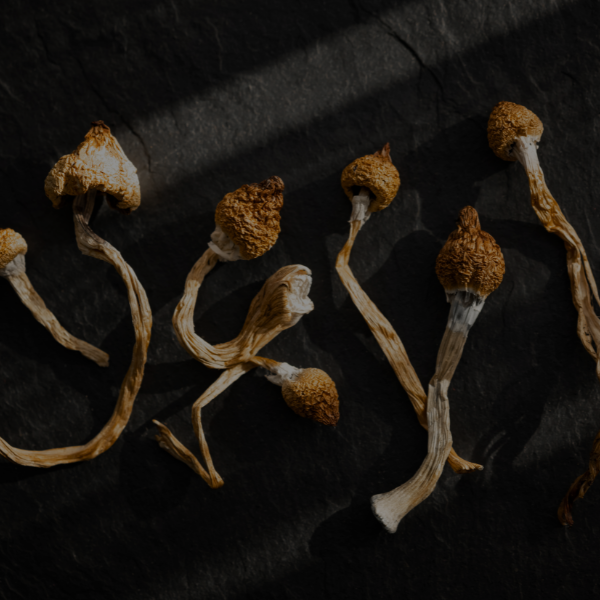

You're probably here because mushroom tea bags sound simple, but the category doesn't. One product looks like a daily wellness tea. Another promises a deeper inner experience. Some bags contain plain mushroom material, others use concentrated extracts, and the brewing advice online often turns into a fog of vague claims.
That confusion makes sense. Mushroom tea now sits at the intersection of wellness culture, traditional plant use, and more intentional consciousness-focused experiences. It's also a fast-growing category. The global mushroom tea market was valued at about $935.9 million in 2024 and is projected to reach $1,023 million in 2025, which reflects how quickly curiosity has moved into everyday buying habits.
Your Journey into Mushroom Tea Begins Here
Some people reach for mushroom tea bags because coffee feels too harsh, capsules feel too clinical, and raw mushrooms feel intimidating. Tea feels familiar. You heat water, steep, sip, and pay attention to how you feel. That simple ritual is part of the appeal.

There are really two different conversations inside the phrase “mushroom tea.” One is about functional mushrooms such as lion's mane, chaga, cordyceps, or reishi, which people often use as part of a daily wellness routine. The other is about psychoactive mushroom tea, where the goal is not everyday support but a more noticeable shift in perception, mood, or introspection.
Those two worlds overlap in format, but not in purpose.
A useful way to think about it: mushroom tea bags are a delivery method, not a single experience. The bag tells you how it's served. The ingredient tells you what kind of journey it belongs to.
If you're new, that distinction removes a lot of pressure. You don't need to learn everything at once. Start by matching the tea to the reason you want it. Are you looking for a calm evening ritual, a more focused workday, gentler digestion than whole mushrooms, or a more measured way to approach a deeper experience?
The good news is that tea is one of the easiest formats to understand once you know what to look for. A well-made bag can make brewing cleaner, dosing more consistent, and the whole process less messy than powders or loose pieces. The rest comes down to three things: what's in the bag, how you brew it, and how carefully you choose it.
What Exactly Are Mushroom Tea Bags
At the most basic level, mushroom tea bags are exactly what they sound like. They're porous sachets filled with mushroom material meant to be steeped in hot water, much like chamomile or peppermint tea. The difference is that the active compounds come from mushrooms rather than leaves or flowers.
Two common types in the bag
The first type contains ground or cut whole mushroom material. Think of this like chopped herbs in a standard tea bag. You're relying on hot water to pull useful compounds out of the mushroom during steeping. These teas often taste earthier and may feel more like a food-based infusion.
The second type contains mushroom extract powder or a blend of extract and supporting ingredients. This is closer to instant hot cocoa than loose-leaf tea. The mushroom has already been processed to concentrate compounds before it ever reaches the bag, so the brew may feel cleaner, stronger, or more consistent from cup to cup.
Why that difference matters
A tea bag filled with plain mushroom matter and a tea bag filled with extract can look similar on a shelf, but they won't always brew the same way.
Here's the simplest comparison:
| Type | What's inside | Typical experience |
|---|---|---|
| Whole material | Ground or cut mushroom pieces | Earthier flavor, more traditional infusion |
| Extract blend | Concentrated mushroom extract, sometimes with tea or botanicals | Often more consistent, sometimes easier to dissolve or dose |
If you've ever compared fresh ginger tea to ginger powder in a drink mix, you already understand the idea. Both are “ginger,” but the brewing behavior, strength, and taste can be very different.
That's why reading the ingredient panel matters. It helps set expectations before the kettle is even on.
Functional vs Psychoactive The Two Worlds of Mushroom Tea
The biggest mistake beginners make is assuming all mushroom tea bags are meant for the same kind of use. They aren't. These are two separate lanes, and it helps to treat them that way from the start.

Functional mushroom tea
Functional teas are usually built around mushrooms such as lion's mane, reishi, chaga, or cordyceps. These are non-psychoactive. People typically choose them for routine use, often as part of a morning or evening habit.
The effects here are usually subtle. A person might describe them as supportive rather than dramatic. That could mean the tea feels grounding, easier on the stomach than capsules, or easier to stick with because the ritual is pleasant.
A good analogy is broth versus an energy shot. Functional tea tends to fit into the rhythm of ordinary life. You drink it, notice how it sits with your body, and evaluate it over time.
Common reasons people choose functional mushroom tea bags include:
- Daily habit: They want something they can work into a consistent routine.
- Gentle format: Tea feels more approachable than powders or pills.
- Flavor pairing: Mushrooms often blend well with cacao, cinnamon, ginger, mint, or black tea.
Psychoactive mushroom tea
Psychoactive mushroom tea belongs to a different category. The goal here is not background wellness support. It's a more direct change in perception, cognition, or emotional processing.
For many people, tea feels like a more intentional format than chewing dried mushrooms. The act of brewing slows things down. It creates a clear beginning. It can also feel gentler and easier to approach, especially for people who don't enjoy the texture of whole mushrooms.
The same cup-shaped object can carry two very different intentions. One is part of your routine. The other may become part of a more carefully chosen experience.
That difference affects everything else: setting, timing, expectations, and how carefully you think about dose.
Choosing the lane that fits your goal
A simple self-check helps:
- If you want daily support, look at functional blends.
- If you want a shift in perception or introspection, you're in the psychoactive category.
- If you aren't sure which one you're holding, don't brew until the label and ingredient list make that clear.
Clarity here saves a lot of confusion later.
Brewing Your Perfect Cup A Step-by-Step Guide
Brewing mushroom tea bags well isn't about turning your kitchen into a lab. It's about understanding one practical idea: preparation affects bioavailability, which means it affects how much of the useful material ends up available for your body to absorb. The scientific literature summarized in this mushroom tea preparation reference notes that water temperature and steeping time matter for extraction.

Start with the water, not the bag
A common mistake is pouring aggressively boiling water onto every tea by default. That works for some drinks, but mushroom tea often benefits from a little more care.
Think of brewing like washing something delicate. Water that's too cool may not pull enough out. Water that's too harsh can flatten flavor and create a rougher cup. The sweet spot depends on the material in the bag, but the broader rule is simple: hot enough to extract well, not so hot that you treat every tea the same way.
A practical brewing routine
Use this as a calm starting point:
- Read the label first. If the brand provides brewing directions, start there rather than guessing.
- Heat fresh water. Let it stop roaring before you pour if the tea seems delicate or highly processed.
- Steep with intention. A short steep may give you a lighter cup. A longer steep usually deepens flavor and extraction.
- Taste before adjusting. If the first cup is weak, increase steep time next round before adding more bags.
- Keep notes. Water amount, steep time, and whether you drank it on an empty or full stomach can all shape the experience.
Why steep time changes the result
Steeping isn't just about strength. It's about what gets pulled into the water and how balanced the cup feels.
A short steep can leave a tea tasting thin. An overly long steep can push the earthy side too far, especially with whole mushroom material. Extract-based tea bags usually behave more predictably, while whole-fruiting-body blends may need more patience.
Practical rule: if your first cup tastes like flavored hot water, the issue may not be the product. It may be extraction.
Some people also add lemon, ginger, or honey. These don't turn a weak tea into a strong one, but they can improve the drinking experience. Ginger can make the cup feel easier on the stomach. Lemon can brighten an earthy flavor. Honey can soften bitterness.
For a visual walkthrough of handling and preparation, this guide on how to prepare magic mushrooms can help you think through setup and process before you brew.
A simple demonstration can also make the process feel less abstract:
Small variables matter more than people think
Three cups made from the same box can feel different if you change the water amount, shorten the steep, or rush the ritual. That doesn't mean mushroom tea bags are unreliable. It means they respond to method.
That's good news. Once you find your preferred process, you can repeat it with much better consistency.
Understanding Effects and Responsible Dosing
Effects depend first on which world of mushroom tea you're in. Functional teas usually feel subtle. Psychoactive teas are more noticeable and deserve a more deliberate approach.
What functional tea usually feels like
Functional mushroom tea bags rarely announce themselves in a dramatic way. Many people notice them the way they notice a good sleep routine or a steady morning walk. The effect can be supportive, not theatrical.
That's why chasing an instant “hit” with functional tea often leads to disappointment. The better question is whether the tea fits your routine, digestion, and goals well enough that you'll use it consistently.
Why dosing precision matters more with psychoactive tea
With psychoactive tea, consistency matters a lot more. One of the strongest arguments for tea bag formats in clinical-style use is measured dosing. According to reporting on clinical research, psilocybin tea bags used in research contain exactly 25 mg per bag and showed a 30 to 50 percent lower incidence of nausea than raw mushrooms, along with a more consistent onset time.
That doesn't mean every retail tea bag works like a clinical product. It does show why precision and preparation matter. A measured tea bag is more like a pre-portioned recipe than a handful of loose ingredients. You remove some guesswork before you even start.
A responsible way to think about dose
Instead of thinking only in terms of “strong” or “weak,” think in terms of intention:
- Light intention: You want a gentler, more observational experience.
- Reflective intention: You're setting aside time and space for inward focus.
- Routine intention: You're using a functional blend as part of daily wellness, not for altered perception.
Start with the experience you're trying to create, then choose the format and amount that match it. Don't do it the other way around.
If you want a more detailed framework for choosing amounts, this psilocybin dosage guide offers a more specific reference point.
Other variables people overlook
Dose isn't the only factor. Your stomach contents, mindset, environment, and brewing method all shape how a tea feels. Tea can also come on differently from whole mushrooms because the active material is already in liquid form by the time you drink it.
That's one reason experienced users still keep notes. Responsible use isn't about acting nervous. It's about removing avoidable surprises.
Choosing Quality Tea Bags What to Look For
Not all mushroom tea bags deserve the same level of trust. Some brands are careful and transparent. Others rely on vague language, flashy packaging, or ingredient lists that raise more questions than they answer.
That matters more than many buyers realize.
A 2025 report summarizing a JAMA Network Open study found that some retail “magic mushroom” products contained no psilocybin and instead included undisclosed ingredients such as caffeine and synthetic psychedelics. That's why third-party lab verification isn't a luxury. It's one of the clearest safety signals a buyer can ask for.

What good transparency looks like
A trustworthy product page should help you answer basic questions without detective work.
Look for:
- Clear ingredient identity: The listing should tell you what mushroom is included, not hide behind broad wellness language.
- Form disclosure: You should be able to tell whether the bag contains whole material, extract, or a blend.
- Testing information: Third-party lab results or clear verification steps are worth prioritizing.
- Packaging details: Tea bag material, storage guidance, and freshness information all signal care.
Red flags worth taking seriously
Some warning signs are simple:
- Mystery blends: If the label leans on branded names but doesn't clearly identify contents, pause.
- No lab access: If testing is mentioned but there's no way to review it, that's not much help.
- Overblown promises: Claims that sound instant, dramatic, or too polished often deserve extra scrutiny.
- Unclear source trail: If you can't tell where the mushrooms came from or how the tea is made, you're buying blind.
How to verify without overcomplicating it
You don't need a chemistry degree. You need a short checklist.
| Check | Why it matters |
|---|---|
| Ingredient list | Confirms what's actually in the tea bag |
| Lab report access | Helps verify identity and consistency |
| Seller education | Shows whether the company explains use clearly |
| Packaging specifics | Suggests attention to handling and storage |
One practical benchmark is whether a seller invests in education alongside product listings. For example, The Magic Mushroom Delivery's guide to finding a real mushrooms brand outlines the kinds of trust signals buyers should review before purchasing.
If a brand wants your money but doesn't want to show its homework, keep looking.
That single habit can save a lot of regret.
Frequently Asked Questions About Mushroom Tea
How should I store mushroom tea bags
Keep them in a cool, dry place away from moisture, heat, and strong light. A sealed container helps preserve aroma and keeps the bags from picking up kitchen smells.
Can I mix different mushroom tea bags
You can, but it's smarter to try each one on its own first. That gives you a clearer read on flavor, strength, and how your body responds before you start combining blends.
What do mushroom tea bags taste like
Most have an earthy base. Some taste woody or brothy, while others become much more approachable when paired with ginger, mint, cacao, cinnamon, citrus, or honey.
Are tea bags better than capsules
Not automatically. Tea bags are often easier for people who want a ritual, gentler digestion, and more control over the brewing experience. Capsules may feel simpler for people who want speed and less flavor.
If you want mushroom products plus education in one place, The Magic Mushroom Delivery offers functional and psilocybin mushroom formats alongside guides that help adults 21+ make more informed choices about preparation, dosing, and product quality.