
You're probably here because edibles sound appealing, but also a little unpredictable. Maybe you've seen cannabis gummies at a dispensary, noticed mushroom chocolates in wellness conversations, or heard very different stories from friends. One person says edibles are smooth and convenient. Another says they waited, felt nothing, took more, and regretted it.
That mix of curiosity and caution is reasonable.
Edibles can be useful, enjoyable, and practical for many adults. They can also be confusing because “edible” describes a format, not a single kind of experience. A cannabis gummy, a psilocybin chocolate, and a functional mushroom capsule may all look similar on a shelf, but they can differ a lot in purpose, onset, intensity, and duration.
The most helpful way to think about the pros and cons of edibles is to stop asking whether edibles are “good” or “bad.” A better question is, what kind of edible is this, what are you hoping it will do, and what trade-offs come with that format?
That's where people usually need the most guidance. Not hype. Not fear. Just clear information.
Your Guide to Navigating the World of Edibles
Many adults first approach edibles with the same two thoughts at once: this could fit my lifestyle and I don't want to get in over my head. That tension matters because edibles often look simple from the outside. A gummy is just a gummy. A chocolate square looks familiar. A beverage feels easy to understand.
But the experience doesn't always match the packaging.
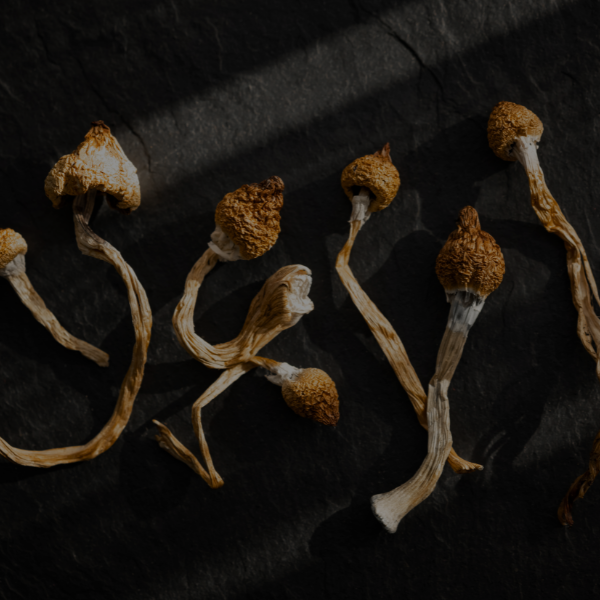
Edibles now cover a wide range of products. Some are made with cannabis. Some are made with psilocybin. Others use functional mushrooms such as lion's mane or reishi for non-intoxicating wellness goals like focus, routine, or relaxation. Lumping them all together can create confusion, because the format is shared, while the expected effects may be very different.
Here's a practical way to sort them:
- Cannabis edibles usually appeal to people who want a smoke-free option and a longer-lasting experience.
- Psilocybin edibles are often chosen by adults who prefer a measured, food-based format over raw mushrooms.
- Functional mushroom edibles are usually about convenience and habit. Think coffee blends, gummies, and chocolates that fit into a daily routine.
A useful mindset: judge an edible by its ingredient, dose, intended use, and timing. Don't judge it by appearance alone.
The biggest mistake beginners make isn't always taking too much. Sometimes it's expecting every edible to behave the same way. A cannabis brownie and a mushroom chocolate may both be “edibles,” but that label tells you almost nothing about how fast they work, how long they last, or what kind of planning they require.
That's why safe decision-making starts with basic literacy. You want to know what the product is, how your body handles it, and where the common trouble spots show up. Once those pieces are clear, the pros and cons of edibles become much easier to weigh without guesswork.
What Are Edibles and How Do They Work
An edible is any product you eat or drink to consume an active ingredient. In this category, that might mean a gummy, chocolate, capsule, baked good, or beverage. The form matters more than people think, because texture, ingredients, and formulation can affect how consistently the product is absorbed.
The main types people encounter
One often encounters edibles through one of three avenues:
| Type | Common forms | Typical reason people choose it |
|---|---|---|
| Cannabis edibles | Gummies, chocolates, beverages | Smoke-free use and longer-lasting effects |
| Psilocybin edibles | Chocolates, gummies, capsules | Easier format than raw mushrooms for planned experiences |
| Functional mushroom edibles | Gummies, coffee, capsules, chocolates | Convenience and routine use |
What links these products is the route they take through the body. You eat them first. Your digestive system and liver do the next part.

The scenic route through the body
A simple analogy helps here. Inhalation is like a direct flight. Edibles are the scenic route. When you inhale, effects arrive faster because compounds move through the lungs quickly. When you eat an edible, the product has to travel through digestion and then pass through the liver before the full experience develops.
That delay isn't a design flaw. It's part of how oral products work.
For cannabis, that liver step is especially important. The compound is converted through hepatic metabolism into 11-hydroxy-THC, a secondary metabolite associated with a stronger and longer-lasting experience. Public guidance summarized by American Addiction Centers' overview of edible risks notes that effects can persist for 6 to 12 hours, compared with 2 to 4 hours that are typical of inhalation.
Why readers get confused
People often expect “small food item” to mean “small effect.” That assumption can backfire.
A tiny chocolate square may produce a long experience. A beverage may feel gentler at first, then build gradually. A gummy taken after a big meal may land differently than the same gummy taken on an empty stomach. Product form, digestion, and metabolism all shape the result.
Edibles ask for patience up front in exchange for a longer runway of effects later.
That trade-off helps explain why some adults love edibles and others avoid them. If you want something discreet and sustained, the scenic route may suit you. If you need speed or precise moment-to-moment control, it may feel frustrating.
The Primary Benefits of Choosing Edibles
The strongest case for edibles isn't that they're perfect. It's that they solve specific problems better than other formats do. For the right person and the right goal, that matters a lot.
Smoke-free and easier on the lungs
One of the clearest advantages is that edibles avoid inhalation. According to The Recovery Village's discussion of edible risks and benefits, edibles eliminate exposure to carcinogenic particulates and combustion byproducts, which makes them a safer alternative for people who want to avoid the risks linked to smoking, including adults with asthma, COPD, or other respiratory concerns.
That doesn't make every edible low-risk. It does mean the lung trade-off is straightforward. If smoke irritates you, a food-based format may be a more comfortable option.

Private, portable, and familiar
Edibles also fit everyday life in a way many adults appreciate. There's no smoke, no lighter, no strong smell, and often no obvious visual cue that you're consuming anything unusual. A gummy in a tin or a wrapped chocolate can be easier to store and carry than many inhaled products.
That discretion is part of the appeal across categories:
- Cannabis gummies may work for adults who don't want visible vapor or odor.
- Psilocybin chocolates can feel more approachable than eating raw mushrooms.
- Functional mushroom products often blend easily into a normal routine.
For readers exploring mushroom chocolates specifically, this guide to how mushroom chocolate effects can feel in real use gives a practical example of why format changes the experience.
Longer-lasting support
Duration is another major advantage. Some people don't want a short burst. They want a slower, steadier arc. That may matter for an evening at home, a planned introspective session, or sustained symptom support.
Here's where edibles often shine:
- For extended relief: many adults prefer a format that doesn't require repeated dosing.
- For a planned window of time: a longer experience may feel more settled and less stop-and-start.
- For routines: functional mushroom edibles can be easier to use consistently than powders or teas.
Practical fit: edibles tend to work best when you have time, privacy, and a clear reason for choosing a longer experience.
The format can feel more approachable
A final benefit is psychological. Some adults feel more comfortable eating a measured product than inhaling something. The ritual feels familiar. That can reduce friction for first-time users who want a slower, more intentional entry point.
Of course, approachable packaging can be a double-edged sword. That becomes important when we talk about risks.
Understanding the Risks and Drawbacks
The downsides of edibles usually come from one core problem. Your body is still deciding what the first dose feels like while your mind is deciding whether to take more.
That gap creates most of the trouble.

Delayed onset changes behavior
Public-health guidance notes that edible effects often begin about 30 to 90 minutes after consumption and can take 2 to 3 hours to reach full intensity, as summarized in this review of edible timing and emergency-visit data. That delay often leads people to take additional amounts before the first dose has fully kicked in.
The same source notes that 10.7% of cannabis-related emergency-room visits from 2014 to 2016 involved edibles, even though edibles represented less than 1% of cannabis sales in that period. That mismatch is one of the clearest warning signs in the pros and cons of edibles conversation. The problem isn't only potency. It's unpredictable timing.
The same label can feel different on different days
A second drawback is variability. Two experiences with the same product may not feel identical. Food intake, body weight, metabolism, and product formulation can all change how a dose lands.
That's one reason adults get confused by identical milligram labels. The number on the package isn't the whole story. Real-world experience can shift based on what you ate, how your body processes the product, and how the edible was made.
Who needs extra caution
Some groups face a steeper learning curve than others.
- New users may misread the delayed onset as “nothing is happening.”
- Older adults may be more vulnerable to unpleasant or acute reactions.
- Anyone mixing substances may find the experience harder to predict.
- Households with kids or pets face an added storage risk when products resemble candy or treats.
Later reporting summarized by AARP's guide to weed gummies and health risks found that in California, cannabis-related emergency-room visits rose by 1,808% among adults age 65 and older from 2005 to 2019. The same article notes a 2024 study that found regular cannabis use was associated with a 25% higher risk of heart attacks and a 42% higher risk of stroke. It also reports that sudden short-term problems such as severe anxiety and cardiovascular symptoms were more common among edible users than among smokers and vapers.
That doesn't mean every adult should avoid edibles. It means the format deserves respect, especially for beginners and older users.
A short visual overview can help reinforce those points:
Mastering Your Experience Through Dosing and Safety
A good edible experience usually looks boring at the start. You read the label. You choose a calm setting. You take less than you think you need. Then you wait longer than you want to.
That's not overcautious. That's how adults reduce avoidable mistakes.
Read the product before you read your body
Start with the package. You want to know four things: what ingredient is active, how much is in one serving, how much is in the full package, and whether the product is meant to be split.
If you're using highly palatable products such as chocolates or gummies, be extra deliberate. Public guidance summarized by Moose Labs' review of edibles versus smoking notes that product format changes risk and dose predictability, and that candy-like products increase accidental exposure risk. The same overview notes that identical milligram labels can still produce different real-world experiences because body weight, food intake, and metabolism vary.
A simple habit helps: leave the product on the counter, read it twice, then portion what you plan to take and put the rest away.
Build a setting that works with the format
Edibles reward preparation more than speed. If you're trying a cannabis edible, a psilocybin edible, or even a new functional mushroom product, choose a day when you don't need to drive, problem-solve under pressure, or stay socially “on.”
A supportive setup often includes:
- A calm place: home is easier than a crowded or unpredictable environment.
- A clear schedule: don't take a long-lasting edible right before responsibilities.
- Water and light food: simple comforts matter.
- A trusted person nearby: especially if the product or category is new to you.
If you're unsure whether you've taken enough, waiting is usually safer than adding more.
Handle storage like it matters
One of the least glamorous parts of edible safety is storage. It matters because these products often look familiar and appealing. Keep them sealed, labeled, and out of reach of children and pets. Don't toss them loose into a pantry or fridge where someone could mistake them for ordinary snacks.
For a practical home checklist, this guide on how to store edibles safely covers the habits that reduce mix-ups and accidental use.
If you took too much
Overconsumption feels frightening mainly because it can last a while. The best response is usually supportive, not dramatic.
Try this:
- Stop taking more.
- Move somewhere quiet and comfortable.
- Sip water and keep stimulation low.
- Remind yourself that the effects are temporary.
- Ask a trusted person to stay with you if needed.
If symptoms feel severe or medically concerning, seek professional help.
Edibles Versus Other Consumption Methods
Edibles make the most sense when you compare them to the alternatives. The question isn't “which method wins.” The question is which method matches your goal today.

For rapid relief
If you want effects quickly, inhaled methods usually feel easier to steer in real time. You notice the shift sooner. You can pause sooner. That makes smoking or vaping more intuitive for adults who care most about fast feedback.
Edibles are a weaker fit for that goal. As Leafwell's discussion of edible benefits and trade-offs notes, edibles may be better for longer-lasting relief at roughly 6 to 12 hours, but they're a poor fit for symptoms needing rapid relief. The same guidance also stresses that “longer lasting” isn't automatically better, because it can mean longer episodes of impairment.
For sustained support
If your priority is duration, edibles often move to the front. That's true for adults seeking a longer evening arc, and it's one reason many people choose cannabis edibles over inhaled formats.
The trade-off looks like this:
| Goal | Better fit | Why |
|---|---|---|
| Fast feedback | Smoking or vaping | Effects arrive sooner |
| Longer-lasting support | Edibles | Effects tend to stay around longer |
| Less odor | Edibles | No smoke and usually no lingering smell |
| Easier to stop quickly | Inhaled methods | Shorter runway |
For discretion and routine
Edibles also work well for privacy. There's no visible smoke cloud and usually no obvious smell. That matters for adults who value a low-profile format or dislike the ritual of inhalation.
For mushroom users, format choice can matter just as much as ingredient choice. This overview of the best way to take mushrooms is useful if you're comparing capsules, chocolates, gummies, and raw forms based on comfort and timing.
The best method is the one that matches your pace, your setting, and the kind of experience you actually want.
The Takeaway Finding Your Balance with Edibles
The pros and cons of edibles come down to one central trade-off. You give up speed in exchange for duration. For some adults, that's exactly the point. For others, it's the reason edibles feel inconvenient or intense.
That trade-off applies across categories, even though the ingredients may differ. Cannabis edibles, psilocybin chocolates, and functional mushroom gummies may all share the same food-based format, but they don't serve the same purpose. A smart choice starts with knowing what product you're taking, why you're taking it, and how much time you're prepared to give the experience.
Edibles tend to work best when you approach them with patience, planning, and respect for variability. They're often appealing because they're smoke-free, discreet, and familiar. They can become difficult when people expect instant feedback from a format that doesn't work that way.
If you remember one thing, make it this: an edible isn't just a dose. It's a timeline. The more you understand that timeline, the easier it becomes to use edibles in a way that feels informed rather than uncertain.
Reliable education makes a real difference. Adults usually make better decisions when they know what to expect, what can go wrong, and how to lower risk without panic or shame.
If you're exploring mushroom edibles and want product information alongside practical education, The Magic Mushroom Delivery offers adults 21+ a place to browse psilocybin and functional mushroom formats such as chocolates, gummies, capsules, and coffee, along with blog resources focused on effects, timing, and responsible use.