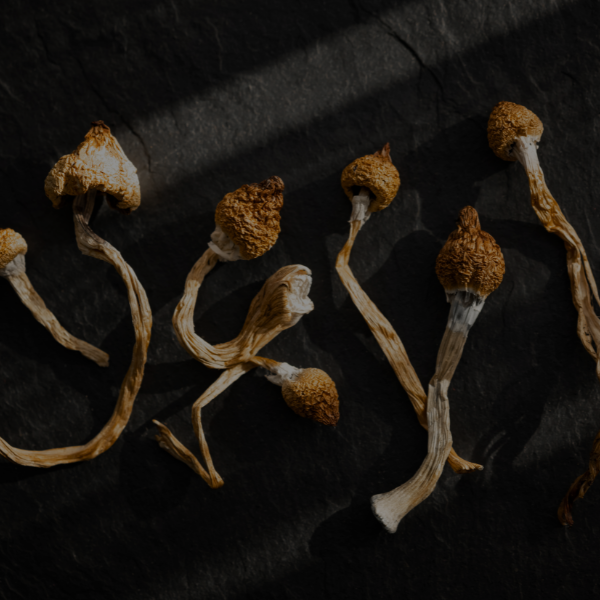

Typing “mushrooms near me” usually means you want an answer fast. You’re curious, maybe cautious, and probably already noticing that search results mix together wild foraging tips, local shops, wellness products, and delivery services without making the differences clear.
That confusion makes sense. Mushrooms now sit at the intersection of food culture, wellness, specialty retail, and adult use. The space is bigger than one might realize, and it’s growing quickly enough that a simple local search can lead you into very different worlds depending on what you want.
Your Guide to the World of Mushrooms

Mushrooms aren’t a niche category anymore. The global mushroom market reached USD 65,618.7 million in 2024 and is projected to hit USD 156,261.1 million by 2033, growing at a 10.2% CAGR, with the U.S. holding 77.27% of North American revenue. That tells you something important right away. If you’re looking into mushrooms near me, you’re not off on some fringe search. You’re participating in a much broader shift in how people shop for wellness and specialty products.
Some people want functional mushrooms like Lion’s Mane, Reishi, coffee blends, or capsules for a daily routine. Others are trying to find psilocybin products and want a source that feels private, straightforward, and clear about what’s being sold. A smaller group is thinking about wild mushrooms, farmers markets, or local gourmet suppliers. Those are completely different paths, and they shouldn’t be treated as interchangeable.
Practical rule: Start by deciding what kind of mushroom experience you’re actually looking for. Local fresh food, daily wellness support, or a specialty adult-use product each require a different sourcing strategy.
The most useful approach is simple. Check your local area first, compare in-person options with online delivery, and then vet the seller before you buy anything. That sequence saves time and cuts down on bad decisions.
A lot of people reverse it. They find a product first, then try to figure out whether the source is trustworthy. That usually leads to rushed choices, vague listings, and avoidable risk.
Understanding Your Local Mushroom Landscape
A local search only works if you understand what “local” means in your area. In one city, it might mean a gourmet mushroom grower or a health shop with powders and capsules. In another, it might mean community chatter, gray-market referrals, or listings that don’t tell you much at all.
Start with official local signals
Before trusting any map listing or social media recommendation, search your state and city terms directly. Use combinations like:
- City name plus policy terms such as “mushroom policy,” “public health advisory,” “city ordinance,” and “adult use”
- State-level health terms like “department of public health mushrooms” or “state health mushroom advisory”
- Local access terms including “support center,” “healing center,” “wellness mushrooms,” and “functional mushrooms near me”
This doesn’t give you a perfect answer every time, but it does tell you what kind of environment you’re shopping in. If public guidance exists, read it before you rely on reviews or posts in local groups.
Read search results like a buyer, not a browser
A lot of “mushrooms near me” pages are built to capture traffic, not help you make a decision. Look for signs that a result is useful:
- Does it identify the product type clearly? Fresh culinary mushrooms, functional products, and psilocybin products shouldn’t be blended into one vague listing.
- Does it name the business model? Retail store, support center, growers market vendor, or online delivery service.
- Does it explain who it serves? A first-time buyer needs different information than a gourmet cook or an experienced psychonaut.
- Does it mention safety and verification? If a seller avoids specifics, that matters.
One practical example is looking at city-specific educational pages like this guide on magic mushrooms in Chicago. Even if you don’t live in Chicago, pages like that can help you see how local demand, buyer questions, and sourcing options tend to be framed.
Don’t confuse local visibility with local reliability. A business can rank well in search results and still tell you very little about what it offers or how it handles customers.
Know what local search does poorly
Local search is strongest when you need a physical place. It’s weaker when you need privacy, product detail, or consistent availability. Small vendors can disappear, change communication methods, or list limited menus that don’t tell you much about potency, form, or sourcing standards.
That’s why a local search should be treated as background research, not automatic validation. Your job at this stage is to figure out whether nearby options are useful to you, not just whether they exist.
Finding Sources Local In-Person vs Online Delivery
You search mushrooms near me, find a few map pins, and realize the actual question is not distance. It is whether the source fits what you need. A nearby option can be useful for quick pickup or fresh culinary mushrooms. It can also mean limited hours, thin product detail, and less privacy than you expected.

What local in-person access does well
In-person buying makes sense in a few clear cases. You may want same-day access, a face-to-face conversation, or fresh mushrooms for cooking. Some buyers also prefer seeing a product environment before they spend money.
Search terms that can surface useful nearby options include:
- “mushroom dispensary near me”
- “functional mushroom store near me”
- “mushroom chocolate near me”
- “Lion’s Mane capsules near me”
- “specialty mushroom shop near me”
Use those results carefully. A map listing is only a starting point. Look for a real website, posted hours, clear product categories, and a working customer contact method. If you want a stronger screening process, this guide to finding a real mushrooms brand lays out what to check before you trust a seller.
Where in-person access gets frustrating
Local access can be uneven. Some shops carry a narrow menu. Others operate through limited windows, private consultations, or informal communication channels that make routine ordering harder than it should be.
That trade-off shows up in emerging local markets. As Axios Denver reported, decriminalization led to physical support centers with limited hours and legal gray areas, even as interest surged, while nationwide online delivery offers a private, lower-risk alternative for adults 21+ who want convenience and privacy. For adults outside those local hubs, online ordering often solves the practical problems that a nearby listing does not.
A storefront can feel reassuring. It still may not give you better selection, better privacy, or a better buying process.
Why online delivery often fits better
Online delivery is usually the stronger option when privacy, product range, and time to compare matter more than immediate pickup. You can review dried mushrooms, chocolates, gummies, capsules, and blends at your own pace instead of making a rushed decision in a shop.
Here is the trade-off in plain terms:
| Option | Works well for | Main drawback |
|---|---|---|
| Local in-person | Same-day pickup, face-to-face questions, fresh products | Limited hours, smaller menus, uneven privacy |
| Online delivery | Broader selection, discreet ordering, at-home convenience | You need to wait for shipping |
For many adults, that is a fair exchange. A short shipping wait is often easier to manage than driving across town, working around limited hours, and still leaving with incomplete information.
If privacy, a wider menu, and careful comparison matter to you, online delivery usually makes more sense than forcing a local result to work.
A practical way to choose
Use a simple filter:
- Choose local if you want in-person interaction, need fresh culinary mushrooms, or already know a nearby source you trust.
- Choose online delivery if local options look vague, inconsistent, or hard to verify, or if you want discreet access from home.
- Skip the seller if the process feels murky, the listings are unclear, or basic business details are missing.
The best source is the one you can verify, understand, and use with confidence.
How to Vet Your Mushroom Vendor for Trust and Safety
A polished website or a friendly person at a counter doesn’t prove much. Trustworthy mushroom sourcing comes down to verification. If a seller can’t show you what they’re offering and how they handle quality, keep moving.

Why this matters more than people think
Wild mushroom mistakes can be catastrophic. The Point Reyes mushroom safety writeup notes that Amanita phalloides, the Death Cap, is found in California’s Bay Area and can be mistaken for edible varieties, which underscores why sourcing from vetted, expert suppliers matters. Even if you’re not foraging, the lesson carries over. Mushrooms are not a category where “probably fine” is a good standard.
The vendor checklist that actually helps
Use a short checklist and stick to it.
- Product clarity: The listing should tell you exactly what the product is. Not just a creative strain or flavor name, but the form, intended use, and any handling guidance.
- Dosing guidance: A serious vendor gives buyers a way to approach products carefully, especially if the form is gummies, chocolates, or capsules.
- Responsive support: Send a simple pre-sale question. If the answer is evasive or generic, that tells you a lot.
- Real customer feedback: Look for reviews that mention packaging, communication, and product form in concrete terms.
- Educational content: A seller that invests in basic buyer education is easier to trust than one that only pushes checkout.
For a deeper look at what separates a legitimate seller from a sloppy one, this guide to finding a real mushrooms brand is worth reading.
Red flags that deserve a hard no
Some warning signs show up again and again:
- Everything sounds secretive: If a vendor refuses to explain basics, that isn’t sophistication. It’s opacity.
- The menu is all hype: Strong branding without plain product information usually means the buyer has to do too much guesswork.
- No process, no policy: If there’s no mention of age checks, shipping communication, or customer support, the business may not be built for reliable fulfillment.
- Wild-picked claims without proof: Unless you really know the source and the handler, this is not where you want to take chances.
Buy from people who make the buying process clearer, not more mysterious.
A good vendor reduces uncertainty at every step. A weak one asks you to tolerate it.
Choosing the Right Mushroom Product for Your Goals
The hardest part for many buyers isn’t finding mushrooms near me. It’s deciding what kind of mushroom product matches the reason they searched in the first place.

First separate functional from psilocybin
This is the biggest point of confusion. Mile High Fungi notes that many wellness seekers mix up psilocybin mushrooms with functional adaptogens like Reishi and Lion’s Mane, while the functional mushroom market grew 15 to 20 percent year over year, showing separate demand for non-psychedelic daily wellness products.
That distinction matters because the shopping logic is different.
| Product type | Typical use case | What to focus on |
|---|---|---|
| Functional mushrooms | Daily wellness routines, non-psychedelic support | Ingredient format, blend style, convenience |
| Psilocybin products | Intentional adult-use experiences | Form, dosing clarity, setting, comfort level |
If your goal is a morning routine, a workday supplement, or a non-psychedelic stack, look at coffees, capsules, or powdered blends. If your goal is a psilocybin experience, then product form and dose management become the main decision points.
How the common product forms compare
Different formats solve different problems.
Dried mushrooms
These are the most direct format. They appeal to buyers who want the least processed option and prefer to control portioning themselves. The upside is flexibility. The downside is that some first-time buyers don’t love the taste, texture, or lack of convenience.
Dried mushrooms usually suit experienced users or anyone who wants a straightforward product without added ingredients.
Gummies
Gummies are easy to portion and easy to store. They’re often the most approachable option for people who don’t want to deal with raw mushroom texture. The catch is that buyers need to read the label carefully and not treat them like casual candy.
They’re useful when convenience matters more than tradition.
Chocolates
Chocolate is popular because it smooths over taste and feels familiar. That familiarity can be helpful, but it can also make people less careful than they should be. The form is pleasant. The discipline still matters.
A chocolate product often fits buyers who want a more curated experience and cleaner portioning than loose dried material.
Capsules
Capsules work especially well for people who want consistency and simplicity. They remove most of the sensory side of the product, which some buyers appreciate. They’re also a natural fit for microdosing routines or for anyone who wants a more measured, less ceremonial format.
Match the product to your actual behavior
Ask yourself practical questions, not aspirational ones.
- Do you want a daily, non-psychedelic routine? Choose functional capsules, coffee, or powder blends.
- Do you dislike strong taste or texture? Start with gummies, chocolates, or capsules.
- Do you prefer direct control over form? Dried mushrooms make more sense.
- Are you brand new and nervous about overdoing it? Choose a format with clear serving guidance and a vendor that explains how to approach it slowly.
The right product isn’t the most interesting one. It’s the one you’re most likely to use carefully and consistently.
People often buy for the version of themselves they imagine they’ll be. Buy for the version of yourself who will stick to the instructions, measure sensibly, and pay attention.
The Ordering Process and Discreet Delivery
Once you’ve picked a vendor and product, the process should feel boring in a good way. Clean ordering is a trust signal. Confusing ordering usually predicts confusing fulfillment.
A reputable seller will usually begin with age verification for adults 21+. That’s a good sign, not a hassle. It shows the business has some basic guardrails and isn’t treating the transaction like an improvised side channel.
What the order flow should look like
Most solid online orders follow a clear sequence:
- Browse by category so you can compare dried mushrooms, capsules, gummies, chocolates, or functional products without guessing.
- Review the product page for serving guidance, basic product details, and shipping expectations.
- Complete checkout and verification if required.
- Receive order confirmation with some form of communication about processing and shipment.
If you want a better sense of what faster fulfillment can involve, this overview of how same-day delivery works gives a useful picture of the logistics behind local-speed ordering.
What discreet delivery usually means
Discreet packaging doesn’t mean theatrical secrecy. It usually means plain outer packaging, standard shipping presentation, and no obvious product branding on the outside. That’s what most adults want. Low drama, low visibility, clear tracking.
Shipping speed depends on location, order timing, and the service level offered by the vendor. Some stores offer next-day, 2-day, or tracked shipping options. The important part is that the seller communicates what to expect and doesn’t leave you wondering whether the order exists.
If checkout feels clumsy or support goes silent after payment, treat that as a process problem, not a minor inconvenience.
Frequently Asked Questions About Mushroom Sourcing
Good mushroom sourcing usually comes down to one question. Can you verify who you are buying from, what you are buying, and how it will reach you before you pay?
How do I know if a mushroom seller is legitimate?
Look for clear product details, age checks where appropriate, responsive customer support, and plain language about shipping and fulfillment. A seller should make it easy to understand what they carry and how the process works. If the site is vague, overly hyped, or evasive about basic questions, move on.
Is local always better than delivery?
Local access can work well if you already know a reliable shop or community source and want to ask questions in person. Online delivery often gives adults a wider product selection, more privacy, and more time to compare options without pressure. The better choice depends on what matters more to you: face-to-face access or convenience and discretion at home.
What’s the safest way to avoid bad mushroom sourcing?
Stick with sellers that behave like established retailers. That means labeled products, visible policies, and a buying process that feels organized from start to finish. Avoid random referrals, unlabeled items, and wild-picked assumptions unless you have real identification skills and know exactly what you are doing.
How should first-time buyers choose a product?
Start with the format you are most likely to use consistently. Dried mushrooms suit people who want the least processed option, while capsules, gummies, and chocolates can be easier for portioning and taste. If your goal is daily wellness support rather than psychedelic effects, functional blends, powders, and capsules are usually the better fit.
What does discreet packaging actually look like?
It usually means plain outer packaging with no obvious product branding on the exterior. You still want normal order communication and tracking. Privacy matters, but so does a clear delivery process.
Should I start with a low amount?
Yes. A lower starting amount gives you room to judge how a product and format feel without rushing the experience. Read the product guidance, give it time, and avoid taking more out of impatience.
If you want one place to compare dried mushrooms, chocolates, gummies, capsules, and functional products with age verification and discreet nationwide shipping, The Magic Mushroom Delivery is one practical option to review, as noted earlier in this guide.