
Magic mushrooms don't grow from seeds. They grow from spores, which are microscopic single-celled propagules, and cultivation usually works best only when temperature and humidity are tightly controlled around 75–80°F (24–27°C) for colonization and 90–95% relative humidity during fruiting.
If you searched for magic mushroom seed, you're in good company. A lot of beginners use that phrase because seeds are familiar. Plants have seeds, so it seems natural to assume mushrooms do too.
But mushrooms aren't plants, and that one difference changes everything. Once you understand what spores are, what mycelium does, and why growing fungi is more like running a tiny biological lab than planting herbs on a windowsill, the whole topic becomes much easier to make sense of.
What Is a Magic Mushroom Seed
You type “magic mushroom seed” into a search bar, expecting something like basil or tomato seeds. That wording makes sense at first. Gardening gives people a familiar map. Fungi follow a different one.
A magic mushroom seed usually means a mushroom spore. A spore is a microscopic reproductive cell, not a tiny mushroom and not a plant embryo. The visible mushroom comes much later, after those spores help start a living network called mycelium.
Why people call them seeds
The confusion comes from analogy. Seeds are the standard starting point for plants, so people borrow the same word for fungi.
A seed works like a packed starter kit. It contains a young plant plus stored food to help early growth. A spore is much simpler. It carries genetic material, but it does not work like a self-contained plant starter. That difference shapes everything that follows, from how spores are handled to why cultivation takes patience, sterile technique, and the right setup.
If you're looking at psilocybin mushroom spores, that distinction helps you read product descriptions more clearly and avoid plant-based assumptions.
Simple rule: “Magic mushroom seed” is casual language for spores.
A term with cultural history
The phrase magic mushroom also has a history of its own. A historical overview explains that the term entered mainstream English through R. Gordon Wasson's 1957 Life magazine article, “Seeking the Magic Mushroom,” which brought broad public attention to ceremonial mushroom use in Mexico, as described in this historical overview.
That helps explain why popular language often comes before biological accuracy. People learn the cultural phrase first, then sort out the science later.
The clearest mental model
A helpful mental model for beginners is:
- Seeds are plant structures. They contain an embryo and stored nutrition.
- Spores are fungal reproductive cells. They are much simpler and microscopic.
- Mycelium is the main fungal body. The mushroom is the fruiting structure you notice above the surface.
- Spores are only a starting point. Getting from spores to mushrooms takes much more than “planting” them.
That last point matters. Spores can spark curiosity, but cultivation is closer to a careful lab hobby than a beginner gardening project. For many people, that is exactly why ready-to-use mushroom products feel simpler and more reliable when the goal is the experience, not the challenge of growing fungi from scratch.
From Spore to Mushroom The Fungal Lifecycle
Fungi have been around for a very long time. According to a University of Utah summary of psilocybin mushroom evolution, the genus Psilocybe likely arose about 65 million years ago, and the ability to produce psilocybin first emerged in that genus before later moving to other mushroom lineages.
That long evolutionary story helps explain why fungi operate so differently from plants. They follow their own biological rules.
Spores vs seeds at a glance
A seed is like a packed lunch plus instructions. A spore is more like a tiny biological blueprint that still needs the right environment before anything useful happens.
| Characteristic | Fungal Spore | Plant Seed |
|---|---|---|
| Basic structure | Single-celled propagule | Multi-part plant structure |
| Embryo present | No | Yes |
| Food reserve | Not like a plant seed | Yes, typically stored |
| Size | Microscopic | Usually visible to the eye |
| What it starts | Fungal growth | Plant growth |
If you're browsing psilocybin mushroom spores, this distinction is the first thing to understand. A spore isn't a miniature mushroom waiting to unfold on its own.

How the lifecycle actually works
The fungal lifecycle makes more sense when you break it into stages.
Spore release
A mature mushroom releases spores into the environment.Germination
If conditions are suitable, a spore begins producing thread-like growth.Mycelial expansion
Those threads become a larger network called mycelium. This is the main working body of the fungus.Substrate colonization
The mycelium spreads through a food source, often called a substrate.Fruiting
When conditions line up, the mycelium forms small pins that develop into mushrooms.Maturation and new spores
The mature mushroom releases spores, and the cycle continues.
Why mycelium matters more than the mushroom
Beginners usually focus on the visible mushroom because that's the part they recognize. In fungal biology, the more important part is often hidden.
Mycelium is the engine. It feeds, spreads, and organizes the conditions needed for fruiting. If the mycelium is weak, contaminated, or stressed, the mushroom stage may never happen.
The mushroom is the fruit. The mycelium is the organism doing the heavy lifting.
That's why people who assume a "magic mushroom seed" works like a basil seed often feel surprised later. The visible result comes at the end of a much more delicate process.
How to Source Mushroom Spores Safely
A beginner usually starts the same way. You search for a “magic mushroom seed,” expect to find something like a packet of tomato seeds, and instead run into listings full of words like microscopy, taxonomy, and spore syringe.

That confusion makes sense. Spores are not sold like ordinary garden seeds. They are usually presented as research material, and the language around them reflects that. As noted earlier, spores themselves do not contain the active compounds people associate with psilocybin mushrooms, but laws still vary by state and country, so the legal context can change depending on where you live.
What the market usually looks like
If you look at listings for buying shroom spores, the pattern becomes clearer. Sellers often describe products in terms of specimen quality, microscopy use, species identification, or fungal genetics.
That wording gives you an important clue. The product is being framed less like a beginner hobby kit and more like biological material that calls for careful handling and clear boundaries.
Some vendors follow that framing closely. A separate market source describes sellers that restrict spores to microscopy and taxonomy use, apply age checks, and present them as research items rather than plug-and-play grow products, as outlined in this discussion of seeds and spores marketplace practices.
What to check before placing an order
A careful buyer treats the listing like a label on lab equipment, not like a casual garden-center purchase.
Look for a few simple signals:
- How the seller describes the product: Research, microscopy, and taxonomy language usually tells you how the item is being positioned.
- What form it comes in: A spore print and a spore syringe are not the same thing, and beginners often confuse them.
- Age verification: Clear age checks suggest the seller is trying to follow category rules.
- Shipping and location limits: Some sellers will not ship to certain states or regions.
- Packaging and labeling: Clean labeling reduces mistakes and helps you know exactly what you ordered.
Buying spores is one step. Knowing the legal limits, the format, and the practical difficulty is the part that saves frustration.
A short explainer can make the market language easier to decode:
Why safe sourcing still does not make cultivation simple
Safe sourcing only gets you to the starting line. It does not remove the complexity that comes after.
That is where many beginners get tripped up. They finally find a legitimate spore listing, then assume the hard part is over. In reality, cultivation is often a precise, contamination-sensitive hobby with more in common with a small home lab than a windowsill herb project.
So yes, learning how to source spores safely matters. But if the goal is a reliable, lower-friction experience, many people eventually decide that ready-to-use mushroom products make more sense than trying to turn spores into a successful grow.
Understanding the Cultivation Process
The idea of a magic mushroom seed really falls apart. Spores alone don't produce a result by magic. The transition from spore to fruiting body depends on sterile preparation, a workable substrate, and careful environmental control.
A practical cultivation guide reports that colonization is typically optimized around 75–80°F (24–27°C) and that fruiting often needs 90–95% relative humidity, as described in this cultivation overview.
Why cultivation feels more like a lab hobby
Growing mushrooms is often compared to gardening, but home brewing is the closer comparison. Small mistakes can throw off the whole batch.
A cultivator has to manage several variables at once:
- Sterility matters: Competing molds and bacteria can take over fast.
- Substrate quality matters: The growing medium has to be prepared correctly.
- Temperature matters: Colonization tends to work best in a fairly narrow warm range.
- Humidity matters: Fruiting needs very moist air.
- Patience matters: Biology doesn't follow a perfect schedule.
If you're exploring magic mushroom substrates, it's worth understanding that substrate isn't just filler. It's the food source and growth environment that the mycelium has to colonize successfully.
Where beginners usually stumble
The first mistake is assuming spores equal results. They don't. A spore is only the beginning.
The second mistake is underestimating contamination. Fungi aren't growing in an empty world. Other organisms are always trying to occupy the same resources.
Practical reality: Clean technique and stable conditions matter more than beginner enthusiasm.
The third mistake is treating cultivation like a shortcut. It can be a rewarding hobby for people who enjoy process, troubleshooting, and repetition. It isn't the easiest route for someone who wants only a predictable outcome without weeks of setup and monitoring.
The honest tradeoff
Cultivation offers control. Some people enjoy dialing in substrate choices, environmental conditions, and timing. That hands-on side is part of the appeal.
But it also asks for time, attention, and tolerance for failure. If that sounds fascinating, the hobby can be highly satisfying. If it sounds like work, that's because it is.
Exploring Ready-to-Enjoy Mushroom Products
For many adults, the attraction of the phrase magic mushroom seed is convenience. They want an easy entry point. The surprise is that spores usually lead to a complicated hobby, not a simple experience.
That's why ready-to-enjoy mushroom products appeal to a different kind of user. Instead of dealing with sterile technique, substrate preparation, waiting periods, and environmental control, people can choose a format that fits their preferences.
Two very different paths
One path is about cultivation and process. The other is about immediacy and simplicity.

Here's the practical contrast:
| Path | What it involves |
|---|---|
| Cultivation | Learning spores, mycelium, substrate, sterility, and environmental control |
| Ready-to-enjoy products | Selecting a finished format and following product guidance |
Common finished formats people choose
Different products suit different preferences and routines.
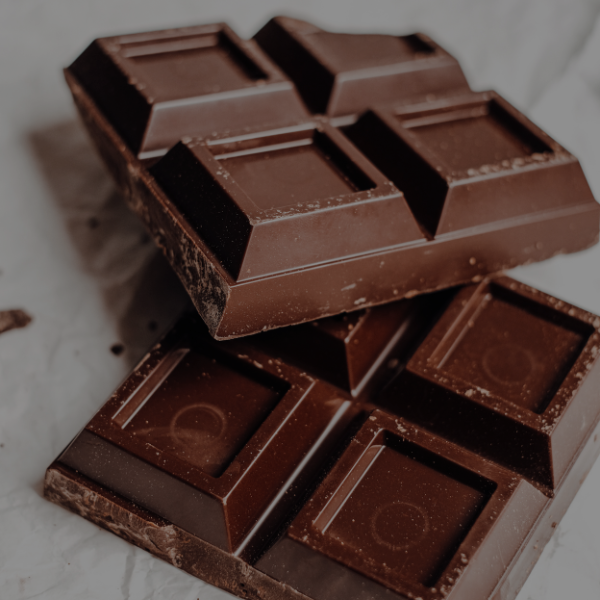
- Chocolates: Familiar format, easy to portion, approachable for many first-time adults.
- Gummies: Convenient and discreet.
- Capsules: Useful for people who prefer a measured, straightforward format.
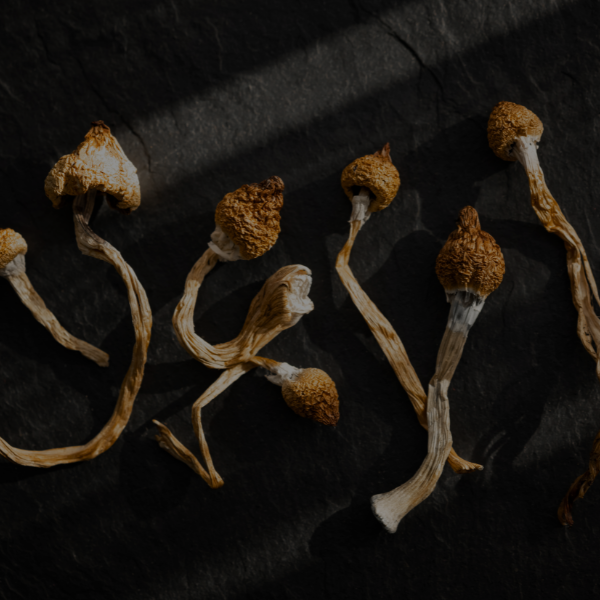
- Raw mushrooms: More direct and less processed.
- Mushroom coffee or blends: Popular with people interested in broader mushroom wellness categories.
Some readers love the science of fungi and want the hands-on experience of growing. Others want a more accessible option that doesn't require turning part of their home into a controlled growing environment.
What makes finished products feel simpler
The difference usually comes down to friction.
With cultivation, you need to source biological material, understand setup, maintain conditions, and accept that things can go sideways. With finished products, the process is shorter and easier to understand.
That doesn't make one path morally better or more authentic than the other. It just means they serve different people. A hobbyist may enjoy the challenge. A busy adult may want convenience, consistency, and less guesswork.
Some people want to learn mycology. Some people just want a product they can understand without learning mycology.
If you've been searching for a magic mushroom seed because you hoped for the easiest route, that distinction is worth sitting with.
Common Questions About Mushroom Spores
A few questions tend to pop up once the basic biology clicks.
Are spores the same as mycelium
No. Spores are the reproductive starting cells. Mycelium is the larger thread-like fungal network that develops afterward.
Think of spores as the beginning of the process, and mycelium as the living structure that spreads through the substrate.
Why don't spores guarantee mushrooms
Because the outcome depends on conditions. Contamination, poor substrate preparation, unstable temperature, and weak environmental control can interrupt the process before fruiting ever begins.
That gap between starting material and finished mushroom is why beginners often underestimate cultivation.
Why do sellers talk about microscopy
Because spores are often presented as research-oriented material. You'll frequently see language related to observation, taxonomy, or lab use. That reflects how the category is commonly described in the marketplace.
Is a spore print the same thing as a spore syringe
They serve a similar broad purpose, but they aren't the same format. A spore print is a collected deposit of spores. A spore syringe is a liquid suspension format. Beginners often confuse the two because both are discussed under the umbrella term of spores.
Why does strain language matter so much
Because people use strain names to organize expectations, identity, and product choice. In practice, what's most useful for a beginner is understanding the product format, handling requirements, and intended context, rather than getting lost in names too early.
So what should a beginner take away from all this
Three things usually matter most:
- Use the right term: Magic mushroom seed usually means spores.
- Respect the complexity: Cultivation is a real hobby, not a houseplant shortcut.
- Choose your path: If you enjoy biology and process, spores may interest you. If you want simplicity, finished products may make more sense.
The biology behind spores is fascinating. Fungal life cycles are unlike anything in the plant world, and even the language around them carries decades of cultural history. But practical decisions get easier once you stop thinking in terms of seeds and start thinking in terms of spores, mycelium, environment, and effort.
If you're an adult looking for a simpler, more straightforward way to explore mushroom products, The Magic Mushroom Delivery offers a curated selection with educational resources, discreet shipping, and easy-to-browse formats including chocolates, gummies, capsules, raw mushrooms, and mushroom coffee.