
If you're in Chicago and you've noticed more people talking about mushrooms, microdosing, or psychedelic wellness, you're not imagining it. What used to feel like a niche topic now shows up in podcasts, group chats, wellness circles, and late-night searches from people trying to separate hype from useful information.
A lot of newcomers start in the same place. They want simple answers. What are magic mushrooms, what kinds of products exist, how do people in Chicago talk about sourcing, and what does safer use look like in real life? Most online content either gets too technical too fast or stays so vague that it doesn't help.
An Introduction to Magic Mushrooms in Chicago
Interest in magic mushrooms chicago is part of a much bigger shift in the U.S. In 2023, approximately 8 million American adults reported using psilocybin, making it the most popular hallucinogen, and searches for microdosing increased by 1,250% since 2015, according to NPR Illinois coverage of RAND survey findings and search trend research. That helps explain why the subject feels more visible now than it did even a few years ago.
Chicago fits naturally into that broader conversation. It's a city with strong wellness communities, a large population of curious adults, and a fast-moving digital culture where people compare products, ask practical questions, and look for more private ways to learn. For many people, curiosity starts small. They hear about microdosing capsules from a friend, see mushroom chocolates online, or wonder whether dried mushrooms and edibles feel different.
Why the topic feels confusing
The confusion usually comes from three places:
- Product variety: Raw dried mushrooms, capsules, gummies, chocolates, and extracts all sound similar until you try to understand how they're used.
- Mixed language online: Some websites talk like clinical research papers. Others sound casual but leave out important safety basics.
- Local context: Advice that applies somewhere else doesn't always match the current Chicago environment.
Helpful mindset: Treat this topic the way you'd treat any strong mind-altering substance. Curiosity is fine. Going in blind isn't.
A good beginner guide should make the topic feel manageable, not mysterious. That means using plain language, distinguishing product types clearly, and putting harm reduction at the center instead of treating it like a footnote.
Chicago readers also tend to want practical details. They want to know how online ordering works, what discreet delivery usually means, why age verification matters, and how to think about set and setting before trying anything. Those are the questions that matter most when you're moving from curiosity to informed choice.
Understanding the Local Regulatory Landscape
Anyone looking into magic mushrooms chicago needs a clear picture of the current rules in Illinois. This isn't just background information. It shapes how products are discussed, how people assess risk, and why discretion and informed decision-making matter so much.
In Illinois, psilocybin is a Schedule I substance, and the state framework creates a high-risk environment around possession and distribution. According to this Illinois psilocybin legal overview, possession of up to 200 grams is classified as a Class 4 felony, and amounts above that threshold rise to a Class 1 felony. That same overview also notes that HB 1143 aims to create a path toward decriminalization and regulated access for adults 21+.
What that means in practice
For a Chicago resident, the main takeaway is simple. The local situation is still unsettled, and people should understand that before they make decisions.
That affects a few real-world behaviors:
- People lean toward privacy. That's one reason online research, discreet shipping, and age-gated stores get so much attention.
- Product education matters. If someone doesn't understand what they're buying, they also can't assess personal risk well.
- Rules may change, but today's framework still matters. Reform discussion is active, but discussion and current handling are not the same thing.
If you want a broader explainer on how these rules are commonly interpreted, this guide to psilocybin mushroom legality gives additional context.
Why reform conversations still matter
Chicago readers often hear terms like decriminalization, regulated access, and licensed facilitators used interchangeably. They aren't the same. Decriminalization usually refers to reduced penalties or lower enforcement priority. Regulated access points toward a structured system with rules around who can provide services, who can participate, and under what conditions.
That distinction matters because it explains why public conversation can feel more open even when the day-to-day framework hasn't fully caught up. You may hear more people talking about mushrooms in wellness or mental health terms, while the local system still handles psilocybin through a stricter legal category.
Knowing the framework doesn't make the topic more intimidating. It makes your decisions more grounded.
A practical way to think about the landscape
If you're new to this, use a three-part filter:
- Current status: What does Illinois currently classify psilocybin as?
- Local reality: How are Chicago consumers navigating privacy, information, and access?
- Possible change: Are there active proposals that could reshape the space for adults later on?
That filter keeps you from making a common beginner mistake, which is assuming cultural openness means a fully settled market. It doesn't.
Another point that often confuses people is the difference between psychoactive mushroom products and non-psychoactive mushroom wellness products. Functional mushrooms like Lion's Mane or Reishi are discussed very differently in commerce and wellness spaces. Psilocybin products sit in a separate category entirely, which is why language around sourcing tends to be more careful and more deliberate.
Why adults in Chicago should slow down before acting
A lot of mistakes happen when people jump from interest to action without pausing to ask basic questions. What product am I viewing? Is the seller transparent about age gating? Does the store provide educational material? Is the product category clearly labeled?
Those questions don't solve everything, but they help you avoid the least informed choices.
Chicago's mushroom scene is best understood as an evolving situation. Public interest is high. Education is uneven. Reform discussion is active. The practical environment still requires caution, privacy awareness, and careful judgment.
How to Source Magic Mushrooms in Chicago
Chicago buyers who want privacy usually start online. That doesn't just mean convenience. It means being able to compare product categories, read descriptions slowly, check age requirements, and avoid rushed in-person decisions.

What online sourcing usually looks like
Most adults researching magic mushrooms chicago follow a similar path. They browse a site, compare formats like dried mushrooms or capsules, review shipping details, complete age verification, then place an order for delivery in discreet packaging.
That process can feel more manageable than dealing with informal, face-to-face channels because it gives you time to slow down and read. You can compare listed product forms, serving guidance, and support information without someone pressuring you in the moment.
One example of an education-focused retail page is this guide on where to get mushrooms, which shows the kind of product browsing flow many consumers now expect from modern online stores.
What to look for in a vendor
Not every site deserves the same level of trust. A careful buyer pays attention to the basics first.
- Clear age gate: Look for a visible 21+ requirement rather than a vague, hidden disclaimer.
- Straight product labeling: You should be able to tell whether you're looking at dried mushrooms, capsules, edibles, or functional mushroom products.
- Discreet shipping language: Privacy-focused packaging should be explained in plain terms.
- Customer support access: A real store should give customers a way to ask pre-purchase questions.
- Educational content: Good sellers usually explain product categories, general use expectations, and beginner considerations.
A website doesn't need fancy design to be useful. It does need to be understandable.
A simple step-by-step buying flow
For first-timers, the sourcing process gets less intimidating when broken into stages.
Browse by format, not hype
Start with the product type that fits your comfort level. If you dislike earthy taste, edibles may seem easier. If consistency matters most to you, capsules often make more sense. If you want the least processed form, dried mushrooms are the traditional option.
Avoid choosing based on branding alone. Start with function.
Read the product page carefully
Check whether the store describes what's inside, how the item is packaged, and whether it gives general guidance for adults. If the page is all marketing language and no practical detail, that's a warning sign.
A newcomer also benefits from checking whether the same store sells both psychoactive products and non-psychoactive mushroom items. When a site clearly separates those categories, it's usually easier to find your way around.
Confirm delivery and privacy details
Before ordering, people usually want answers to ordinary questions:
- How is the package labeled?
- Will tracking be provided?
- Is signature or age confirmation required?
- How do support requests work if something arrives damaged or delayed?
Those details matter because the appeal of online sourcing in Chicago often comes down to discretion and predictability.
Practical rule: If a seller makes it hard to understand the order process before payment, don't expect clarity after payment.
Why people prefer modern delivery channels
Online sourcing appeals to adults who want more control over the experience. They can compare options privately, order on their own schedule, and receive products without awkward in-person logistics.
That matters in a city like Chicago, where people often live in apartment buildings, manage busy work schedules, and prefer digital-first shopping in general. A modern ordering flow feels familiar because it works like other e-commerce experiences. Browse, verify age, select shipping, pay, track, receive.
One brand in this space, The Magic Mushroom Delivery, presents a curated online catalog of raw mushrooms, chocolates, gummies, capsules, and functional mushroom products, along with age verification and discreet shipping details. That's useful as an example of how today's mushroom retail model is increasingly organized around privacy, product categories, and educational support rather than informal sourcing.
A newcomer's sourcing checklist
Before you buy anything, pause and ask:
- Do I understand the product form I'm ordering?
- Am I buying because I'm informed, or because the website made it look easy?
- Does the store explain privacy, support, and age requirements clearly?
- Do I have enough knowledge about use and setting to make a responsible choice after the package arrives?
Sourcing is only the first step. The harder and more important part is knowing what you've bought and how to approach it carefully.
A Guide to Different Mushroom Product Types
People often use the word "shrooms" as if it refers to one single product. It doesn't. In Chicago, you'll usually see interest grouped around raw dried mushrooms, edibles, and microdosing capsules. Each format changes the experience before anything is even consumed, because taste, convenience, and dose consistency all shape how approachable a product feels.
Before modern retail formats existed, mushroom use had a very different context. Archaeological evidence from Guatemala dating to 1000-500 BCE and later Aztec reverence for mushrooms as "the flesh of the gods" show that these fungi have a long ritual and cultural history. Today's gummies, chocolates, and capsules are modern packaging layered onto a much older human relationship with psychoactive mushrooms.

Comparison of Magic Mushroom Product Types
| Product Type | Dosage Control | Onset Time | Taste | Best For |
|---|---|---|---|---|
| Raw dried mushrooms | Less precise without careful measuring | Varies by person and use method | Strong earthy flavor | People who want the traditional form |
| Edibles | Often easier to portion consistently | Can feel less predictable to beginners because digestion varies | Usually more approachable | Adults who dislike mushroom taste |
| Microdosing capsules | Usually the most consistent format | Subtle expectations are common | Minimal taste | Routine-oriented users who want convenience |
Raw dried mushrooms
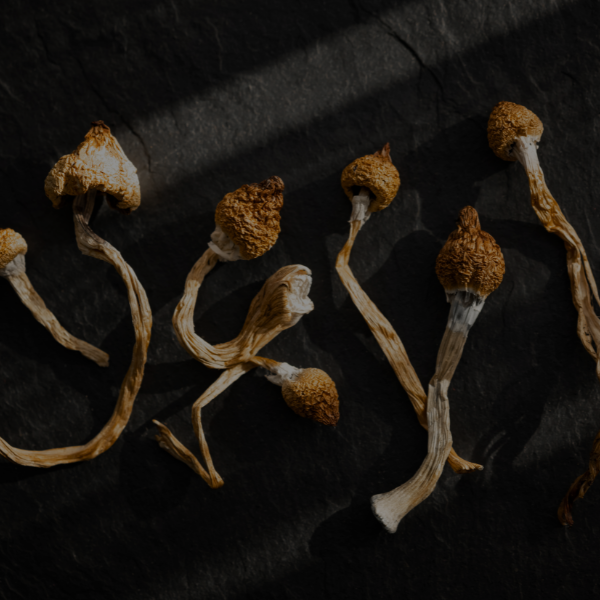
This is the classic form often pictured first. You see the mushroom itself, which appeals to buyers who want something less processed and more direct. For experienced users, that simplicity can be part of the appeal.
The tradeoff is that dose control can feel less straightforward, especially for beginners. Potency can vary from one mushroom to another, and the taste is often the first complaint newcomers mention. If someone buys dried mushrooms without a plan for measuring and setting, they can end up guessing when they should be deliberate.
Edibles like chocolates and gummies
Edibles are popular because they lower two beginner barriers at once. They often improve taste, and they make the product feel more familiar. A chocolate square or gummy is easier for many adults to approach than chewing dried mushrooms.
That said, familiar format doesn't always mean simpler experience. New users can falsely assume a candy-like product is automatically light or casual. It still deserves the same respect and planning.
Common reasons people choose edibles include:
- Better taste: The earthy mushroom flavor is often reduced or masked.
- Approachable format: The product looks and feels closer to something people already know how to use.
- Portion awareness: Many buyers feel more comfortable when servings are pre-divided.
Edibles can seem less intimidating than raw mushrooms. That doesn't make them less important to dose thoughtfully.
Microdosing capsules
Capsules attract a different kind of buyer. These are often the people who care most about consistency, convenience, and keeping things simple. Instead of dealing with taste or cutting up edible pieces, they want a format that fits neatly into a personal routine.
Microdosing usually refers to taking a sub-perceptual amount, meaning a dose intended not to produce a full psychedelic experience. That's one reason capsules are a common format in online catalogs. They match the goal of repeatability better than eyeballing dried mushrooms.
Some shoppers also compare capsules with concentrated products. If you're trying to understand how extracts fit into the product space, this overview of magic mushroom extract formats helps clarify how they differ from whole-mushroom products.
Psychoactive mushrooms versus functional mushrooms
This distinction trips up a lot of newcomers.
Psilocybin mushrooms are psychoactive. People seek them out for perceptual, emotional, reflective, or psychedelic effects. Functional mushrooms like Lion's Mane or Reishi are non-psychoactive and are usually discussed in wellness terms rather than psychedelic ones.
A store may carry both categories, but they aren't interchangeable. Someone shopping casually can misunderstand this if they only look at packaging style and not the actual product description. Mushroom coffee, capsules, and gummies exist in both worlds. The label matters.
How to choose the right format for yourself
Instead of asking which format is "best," ask which one matches your actual needs.
If you value tradition and don't mind the taste, dried mushrooms may feel most natural. If you want easier flavor and a more familiar format, edibles may be more approachable. If you care most about consistency and routine, capsules often make the most sense.
A good choice usually comes from honesty, not ambition. You're better off picking the format you can understand and use responsibly than the one that sounds most interesting online.
Guiding Principles for Safe and Responsible Use
Most problems start before the product is consumed. They start with poor planning, vague expectations, or the false belief that mindset doesn't matter. With mushrooms, your mental state and your environment can shape the experience as much as the product itself.

Start with set and setting
People often hear the phrase set and setting without really understanding it.
Set means your internal state. Your mood, stress level, expectations, recent life events, and overall emotional stability all matter. If you're overwhelmed, panicked, or trying to use mushrooms to outrun a bad week, that's not a neutral starting point.
Setting means your external environment. The room, the people around you, the noise level, the time pressure, the privacy, and the general sense of safety all count. A quiet apartment with a trusted person nearby is very different from a loud social setting where you feel watched or rushed.
A beginner-safe way to prepare
New users do better when they keep the plan simple.
- Choose one calm location: Don't plan to move between multiple places.
- Clear your schedule: Give yourself enough time so you don't feel rushed.
- Stay with trusted people only: Avoid mixing unfamiliar personalities into the experience.
- Keep basics nearby: Water, comfortable clothes, a blanket, and easy access to a bathroom matter more than people think.
- Decide your intention: You don't need a profound spiritual goal. Even "I want a calm, reflective first experience" is enough.
A well-prepared light experience is usually more useful than an impulsive heavy one.
Start low and go slow
This is the most repeated safety advice for a reason. Beginners often focus on whether they'll feel anything at all, then make the mistake of escalating too quickly. That can turn uncertainty into overwhelm.
A slower approach helps because mushroom effects aren't always immediate in the way people expect. Different product formats can feel different. Digestion, food intake, body variability, and mindset all affect how the experience unfolds.
The safer approach is patience. Pick a modest starting point, wait, and resist the urge to "fix" uncertainty by adding more too soon.
Know the general arc of the experience
Even without focusing on exact timing, it helps to know that a mushroom experience usually has phases.
The beginning
Early effects may feel subtle. Some people notice body sensations first. Others notice mood shifts, sensory changes, or a sense that attention is becoming more inward.
This stage can create anxiety for beginners because they start asking, "Is it working?" That question alone can make people restless.
The middle
The central phase is where perceptual and emotional effects are usually more noticeable. Thoughts can feel more layered. Music, light, and surroundings may feel amplified. Emotions may rise more quickly than usual.
Preparation pays off. If the space feels safe, people usually have an easier time staying grounded.
The return
Effects gradually soften. Some people feel peaceful. Others feel mentally tired and want quiet. It's wise not to schedule demanding social plans right after.
What responsible use looks like
Responsible use isn't about sounding cautious. It's about doing ordinary things well.
- Measure instead of guessing
- Avoid chaotic environments
- Don't mix the experience with pressure to perform socially
- Treat edibles with the same seriousness as raw mushrooms
- Give yourself recovery time afterward
A lot of newcomers think safety means having the right product. Product matters, but preparation matters more. The most helpful habit is learning to slow your own pace.
Frequently Asked Questions for Chicago Residents
Can I get same-day mushroom delivery in Chicago
Availability depends on the vendor, the product category, and how that seller handles fulfillment. Some online mushroom retailers focus on next-day or standard tracked shipping rather than promising immediate local drop-off. If speed matters to you, check the shipping page before adding items to your cart and look for clear notes about processing times, age verification, and tracking.
For most adults, privacy and predictability matter more than shaving a few hours off delivery.
What's the difference between decriminalization and full legalization
People mix these terms up all the time. Decriminalization usually means reduced penalties or a lower enforcement priority. Legalization usually means a formal system exists for allowed access, rules, providers, and oversight.
That difference matters because public conversation may sound more open than the actual system feels on the ground. If you're following Chicago policy discussions, pay attention to whether people are talking about reduced penalties, supervised access, licensed facilitators, or broader retail availability. Those are different models.
Are mushroom grow kits a practical option in Illinois
For most beginners, grow kits create more confusion than clarity. They require more knowledge, more patience, and more attention to details that many first-time buyers don't understand yet. People often underestimate contamination issues, storage concerns, and the gap between curiosity and actual cultivation competence.
If you're still learning the basics of product types, sourcing, and safer use, a grow kit usually adds complexity rather than solving a problem.
How do I know which product type fits me best
Start with your real priorities, not internet trends.
If taste is your biggest concern, edibles may feel easier. If you want a traditional format and don't mind more hands-on measuring, dried mushrooms may appeal to you. If convenience and repeatability matter most, capsules are often the simplest to understand.
A lot of confusion disappears when you ask one basic question: Do I want familiarity, flexibility, or consistency? Your answer usually points to the right format.
What's the biggest mistake first-timers make
They rush. Sometimes they rush the buying decision. Sometimes they rush dosage. Sometimes they rush the setting and assume the experience will take care of itself.
Slow decisions tend to produce steadier experiences.
The people who usually handle a first experience better are the ones who research the product, prepare their environment, and don't treat mushrooms like a casual add-on to a busy day.
Your Journey Forward With Trusted Resources
The Chicago mushroom conversation is changing, but the smartest approach stays the same. Learn the local context. Understand what you're buying. Choose product formats intentionally. Put safety ahead of novelty.
That combination matters more than any single trend.
If you're exploring magic mushrooms chicago for the first time, don't try to learn everything at once. Start with the basics that have the biggest effect on your decisions: the current local situation, the difference between dried mushrooms and edibles, the role of capsules in microdosing routines, and the importance of set and setting. Those fundamentals will do more for you than endless scrolling through opinions.
Reliable education also helps you separate psychoactive mushroom products from functional mushroom products, which is one of the most common beginner mix-ups. The more clearly you can identify what category you're looking at, the easier it becomes to make calm, informed choices.
Keep your standards simple. Look for transparent product labeling, visible age requirements, privacy-conscious shipping practices, and educational material written in plain English. If a store can't explain itself clearly, it hasn't earned your confidence.
If you want a practical place to continue learning, The Magic Mushroom Delivery offers product categories, educational blog content, and customer support designed for adults 21+ who want clearer information on mushroom formats, ordering, and responsible use.