
You're probably here because you've seen mushrooms and truffles listed side by side in a shop, a guide, or a conversation, and the labels didn't help much. One says mushrooms. Another says truffles. A third says “magic truffles,” even though culinary truffles also exist. If you're trying to make a careful, informed choice, that mix of terms gets confusing fast.
That confusion makes sense. These products come from fungi, but they aren't all the same part of the organism, they don't always look alike, and they aren't handled the same way in real life. Add capsules, chocolates, gummies, and dried products, and many adults end up comparing forms before they even understand what they're comparing.
Clear education matters because interest is no longer niche. More than 5 million adults in the U.S. used psilocybin in 2023 alone, with numbers rising according to a study published in early 2026 (coverage of the CU Anschutz findings). That means more first-time buyers, more returning users, and more people asking the same practical questions: Which is stronger? Which is easier to dose? Which product form fits the experience you want?
Your Introduction to Mushrooms and Truffles
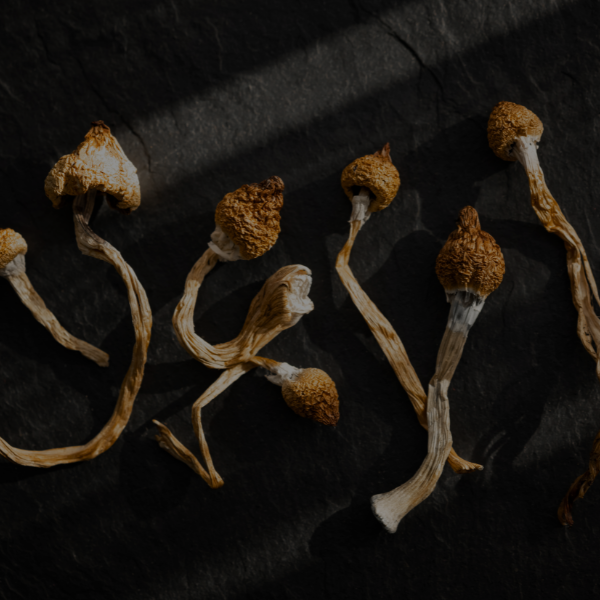
A simple way to start is this. Magic mushrooms are the visible, above-ground part of a psilocybin-producing fungus. Magic truffles are usually underground masses called sclerotia. They come from the same broad fungal world, but they're different structures with different textures, appearances, and buying habits.
People often mix up three categories that shouldn't be blended together:
- Psilocybin mushrooms are psychoactive fruiting bodies.
- Psilocybin truffles are sclerotia from certain fungi.
- Culinary truffles are a separate underground fungi category valued for aroma and food use.
That last category matters because culinary writing has flooded the internet with “truffle” content that has nothing to do with psilocybin. Culinary mushrooms and truffles are a huge global category. Global production of mushrooms and truffles reached an estimated 50 million metric tons in 2023, although that figure groups them together and culinary truffles make up only a tiny part of that total (Statista global production summary). For someone shopping for psychoactive products, that broad food data doesn't answer the pertinent question.
The useful comparison isn't “mushrooms versus luxury food truffles.” It's psilocybin fruiting bodies versus psilocybin sclerotia.
If you keep that distinction in mind, most of the rest gets easier. Mushrooms are usually thought of in dried caps and stems. Truffles are often sold fresh-looking, dense, and nugget-like. The experience can overlap because the active chemistry is related, but the form, handling, and user expectations can differ enough that it's worth learning the basics before you buy.
The Fungi Family Tree Unpacked
The most helpful analogy is an orchard. A mushroom is like an apple on a tree. A sclerotium is more like a potato underground. They come from the same living system, but they serve different jobs.

What a mushroom actually is
A psilocybin mushroom is the fruiting body of the fungus. It appears above ground or above the growing substrate when conditions are right. This is the reproductive structure, the part that develops caps, stems, and spore-bearing surfaces.
Scientists have found that fruiting bodies of Psilocybe mushrooms contain significantly higher levels of indole alkaloids and tryptophan than the diffuse underground mycelium, which helps explain why the visible mushroom is the main consumed form (study on alkaloid distribution in Psilocybe). If you want a species-level overview, a practical reference is this mycologist's guide to 10 types of Psilocybe.
What a truffle means in psilocybin use
In the psilocybin context, “truffle” usually means sclerotium. That's a compact underground mass the fungus forms as a survival structure. It stores nutrients and helps the organism endure poor conditions. It isn't the same thing as the above-ground mushroom, even when both come from related fungal life.
That difference explains the look and feel:
- Mushrooms tend to be fibrous, light, and recognizable by caps and stems.
- Sclerotia tend to be dense, irregular, and nugget-like.
- Mycelium is the thread-like network that supports both.
Where people get mixed up
The word “truffle” also refers to prized culinary fungi. Those are a separate story. The National Wildlife Federation describes truffles as underground fungi that grow in symbiosis with tree roots and notes that they're considered a luxury food because they can't be farmed the way common mushrooms can (National Wildlife Federation truffle guide).
Recent reporting adds another layer. Researchers identified newly described U.S. truffle species including Leucangium cascadiense, Imaia kuwohiensis, and Leucangium oneidaense, and noted market values in the hundreds of dollars per pound for some wild truffles (University of Florida news report on truffle discovery). That has nothing to do with psilocybin sclerotia sold for psychoactive use, but the shared word causes endless confusion.
Practical rule: When a shop says “magic truffles,” read it as “sclerotia,” not as a culinary truffle shaved over pasta.
Potency and Chemical Consistency
Biology explains the shape. Chemistry explains the experience.
The two names that matter most are psilocybin and psilocin. Psilocybin is the more stable starting compound. Your body converts it into psilocin, which is the compound most directly tied to the psychoactive effect.

The simple chemistry
Researchers describe psilocybin as a prodrug that is converted into psilocin, and they note that psilocin is approximately 1.4 times more potent than psilocybin due to molecular weight differences. The same review reports that psilocybin typically makes up about 1% of a dried mushroom's weight, though actual levels can vary by species, strain, and growth conditions (review of psilocybin and psilocin chemistry).
A useful analogy is this:
- Psilocybin is the stored form.
- Psilocin is the active form your body uses.
- The experience depends on how much active material is present, how your body responds, and how the product was stored.
Why one batch can feel different from another
People often expect fungi to behave like a pharmaceutical tablet. They don't. Natural products vary. Genetics, cultivation conditions, maturity at harvest, and storage can all shift how strong a mushroom feels.
Drying changes handling but doesn't automatically ruin potency. Research on Psilocybe chemistry suggests total tryptamine content can remain broadly similar per unit mass after drying, while water loss concentrates what remains. That's one reason dried products feel easier to compare than fresh ones. Fresh material contains much more water, so visual size can be misleading.
Mushrooms versus truffles in day-to-day use
Users often describe truffles as easier to think about in practical terms because they're sold in compact portions and can feel more uniform from piece to piece. Mushrooms can vary more visibly. One cap and one stem from the same bag may not look alike, and that can make eyeballing a dose a poor idea.
That doesn't mean truffles are automatically “better” or mushrooms are automatically “stronger.” It means consistency depends on form, storage, and careful weighing.
Store dried products in a cool, dark, dry place and measure with a scale. Fungi aren't a category where guessing works well.
Understanding Access and Local Policies
You read that psilocybin mushrooms are decriminalized in one city, then see fresh truffles sold openly on a website based somewhere else, and the whole topic starts to blur. That confusion is common because mushrooms and truffles belong to the same broader psilocybin conversation, but access rules often focus on local policy, product form, and enforcement choices rather than a simple yes-or-no national rule.
In the United States, access is a patchwork. A major early shift came in 2019, when Denver became the first U.S. city to decriminalize psilocybin mushrooms. Similar approaches later appeared in Oakland, Santa Cruz, Seattle, and Detroit, creating real differences from one city to another (U.S. News summary of the policy trend). If you want a location-specific starting point, this 2026 guide to legal psychedelic mushrooms shows the kind of legal overview people use before making any decisions.
What decriminalization means in plain language
Decriminalization usually means personal possession is treated as a lower law-enforcement priority for adults. It does not create one shared rulebook. It also does not mean every product sold under the broad label of "magic mushrooms" or "truffles" is treated identically in practice.
A helpful way to frame it is to separate three questions people often mix together:
- What does local policy say? City and state rules can differ sharply.
- What product is being discussed? Whole mushrooms, truffles or sclerotia, capsules, and edibles may be presented differently to buyers.
- How is access happening in real life? Some places are more open, while others remain quiet and uncertain.
That distinction matters because modern users are often comparing mushrooms and truffles as products, not just as organisms. A headline about mushrooms in one city does not automatically tell you how truffles are viewed there, how sellers describe them, or how consistently products are labeled.
How to approach access responsibly
Treat access as local, specific, and subject to change.
Check current local guidance before you buy or carry anything. Read the product description carefully. Confirm whether the seller is offering dried mushrooms, fresh truffles, microdose capsules, or another format entirely. That step sounds basic, but it prevents a lot of confusion because policy language, seller language, and user slang do not always match.
Good signs include plain labeling, age limits, storage information, and a clear description of what the product is. Poor signs include vague names, no form listed, or claims that make legality sound broader than it is.
A careful buyer verifies local rules, product form, and labeling before making a purchase.
Dosing Mushrooms vs Truffles for a Safe Journey
Dosing is where most confusion turns into avoidable mistakes. The biggest trap is comparing fresh truffles to dried mushrooms as if the numbers should look the same. They shouldn't. Water content changes weight dramatically.
That's why a dose should always be tied to the form you're holding. A gram of dried mushroom and a gram of fresh truffle are not interchangeable in practical use.
Start with the form, not the name
A good personal checklist looks like this:
- Confirm the product form. Is it dried mushroom, fresh truffle, dried truffle, capsule, or edible?
- Use a scale. Visual estimates are unreliable.
- Start low. If it's a new batch, a new species, or a new format, be conservative.
- Be patient. Redosing too early is one of the most common judgment errors.
- Plan your setting. Calm environment, trusted company if needed, no rushed schedule.
A more detailed comparison of product categories appears in this guide to magic truffles vs mushrooms.
Mushroom vs Truffle Dosing Equivalency Guide
Because exact potency can vary, the table below is best used as a cautious orientation tool, not a promise of identical effects.
| Dose Level | Dried Mushrooms (grams) | Fresh Truffles (grams) |
|---|---|---|
| Microdose | Low amount, often a fraction of a gram | Small fresh portion |
| Low | Light measured amount | Moderate fresh portion |
| Medium | Noticeable measured amount | Larger fresh portion |
| High | Strong measured amount | Substantial fresh portion |
The point of this table is not fake precision. It's to reinforce the rule that fresh truffles are usually weighed and approached differently from dried mushrooms. If a seller provides batch-specific guidance, use that over a generic internet chart.
Responsible user checklist
Some safety habits matter more than the exact dose number:
- Mindset first: If you're stressed, sleep-deprived, or emotionally overloaded, waiting is often the better choice.
- Environment matters: Familiar, quiet spaces reduce friction. So does having water, simple food, and a clear schedule.
- Don't stack substances casually: Combining products makes the experience less predictable.
- Label and store clearly: Especially if you live with other adults or have visitors.
Why patience matters more than bravado
People often focus on “stronger or weaker,” but the better question is “more or less predictable for me, in this setting, from this batch?” A lower, well-planned dose in a calm environment is usually more useful than a large, rushed one.
“Start lower than your ego wants to.”
That advice helps both beginners and experienced users. Familiarity can tempt people to skip the basics, but potency varies and context changes. If your goal is insight, enjoyment, or careful exploration, measured restraint usually gives you a better outcome than chasing intensity.
A Guide to Common Mushroom and Truffle Products
You open a shop menu and see dried mushrooms, fresh truffles, capsules, chocolates, gummies, and even drink mixes. At first glance, they can look like small variations of the same thing. They are not. The form changes how easy a product is to measure, store, taste, and use responsibly.
As noted earlier, this category has grown quickly, which helps explain why so many product types now appear side by side. That variety can be useful, but it also creates confusion. The key question is not which format looks most appealing. It is which format makes the active material easiest for you to understand and handle.

Raw forms versus processed forms
Raw dried mushrooms are the closest to the original fruiting body. People often choose them because they can inspect the material directly and weigh it themselves. The downside is simple. Many users dislike the taste, and whole pieces can vary in size and density, which means careful weighing matters.
Fresh truffles are different in a more basic way. They are not little mushrooms shaped differently. They are sclerotia, dense nutrient stores formed by the fungus. That matters because buyers often compare them like culinary substitutes, when the more useful comparison is practical. Truffles are usually sold fresh, handled differently, and measured on a different weight basis than dried mushrooms.
Capsules work well for people who want routine and less sensory friction. They remove much of the earthy taste and can make small, repeated amounts easier to track. Still, capsules depend heavily on clear labeling and trustworthy preparation, because you cannot inspect the contents the way you can with whole material.
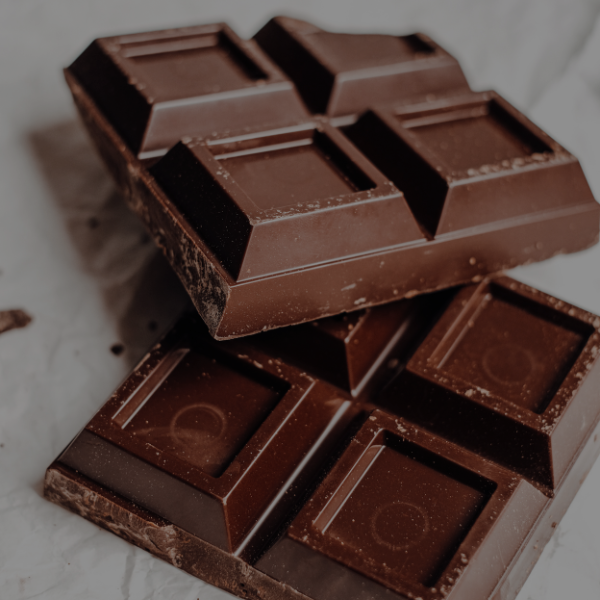
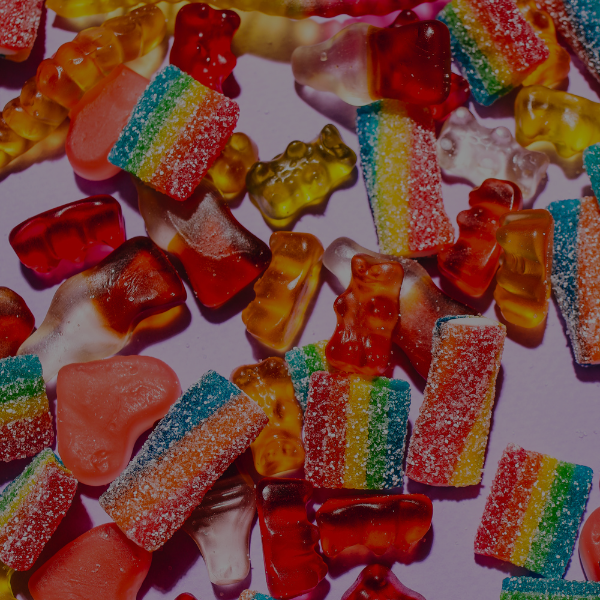
Chocolates and gummies solve the flavor problem for many people. They also introduce a different risk. A product that tastes like candy can make it easier to forget that it contains an active substance, especially if portions are small or the package design feels casual.
Some retailers, including The Magic Mushroom Delivery, list these formats side by side. That reflects the current market, but the menu style can hide an important fact. A mushroom chocolate, a truffle pouch, and a capsule bottle may all contain psilocybin-related compounds, yet they ask different things from the user in terms of storage, labeling, patience, and dose awareness.
Choosing by goal
A simple filter helps.
- For clear measurement: Capsules and clearly labeled pre-portioned products are often easiest to track.
- For direct inspection: Raw dried mushrooms let you see exactly what you have.
- For people comparing mushrooms and truffles: Fresh truffles make sense only if you remember they are usually sold and weighed differently from dried mushrooms.
- For taste masking: Chocolates and gummies are easier for many adults to consume, but they require extra attention to serving size.
- For minimal prep: Pre-made products reduce handling, though they also ask for more trust in the maker.
This short video gives a visual look at the broader product conversation:
A practical buying filter
Before choosing any format, ask four questions:
- Can I measure it clearly?
- Do I trust the labeling?
- Will taste or texture affect how comfortably I use it?
- Does this form fit the setting and pace I want?
The product form does not decide the outcome by itself. A gummy is not automatically a better choice than a mushroom. A capsule is not automatically a safer choice than a truffle. The better option is the one you can understand, measure, store, and respect without guesswork.
Your Top Questions Answered
How should I store mushrooms and truffles
For dried mushrooms, think cool, dark, dry, and sealed. Moisture, heat, and light are the main enemies. For fresh truffles, refrigeration and prompt use matter more because fresh products are less forgiving.
If you ever can't tell whether a product has been stored well, that's a reason to pause rather than gamble.
Does tolerance build quickly
Yes, many users notice that repeated use close together feels less effective. That's why back-to-back experiences often feel flatter than expected. Instead of forcing the issue with more product, it's wiser to leave space between sessions and let your system reset.
Which form is best for beginners
Usually, the best beginner format is the one that makes measurement and moderation easiest. For some people that's a capsule. For others it's a clearly labeled dried product and a scale. Products that taste pleasant can be convenient, but they can also make it easier to forget that you're consuming an active substance.
Are culinary truffles part of this same conversation
Not really. Culinary truffles are prized food fungi with a very different use case. They're famous enough to create language confusion, but they don't serve the same purpose as psilocybin mushrooms or psilocybin truffles.
Choose the form you can measure, store, and respect properly. That's usually the right form for you.
If you want a single place to compare product formats, read educational guides, and browse mushroom options with clear categories, The Magic Mushroom Delivery is one practical starting point for adults 21+ who want to learn before they buy.