

The journey into mushrooms for wellness often begins with a very ordinary problem. You're tired but wired. Your mind won't fully settle at night, but coffee doesn't fix the afternoon slump either. You want something that supports resilience without making big promises it can't keep.
That's where adaptogenic mushrooms tend to enter the conversation. They sit inside the broader world of functional mushrooms, yet not every functional mushroom is a true adaptogen. That distinction matters. It changes how you think about benefits, how you shop, and what kind of results are realistic.
Some mushrooms are studied for stress response and recovery. Others are better known for cognitive support, immune modulation, gut support, or energy. And a separate group of mushrooms is used for psychoactive effects, which is a completely different conversation from day-to-day wellness support. Mixing those categories together creates confusion fast.
The practical value of learning about adaptogenic mushroom benefits is that it helps you sort signal from marketing. Which mushrooms have stronger human evidence? What does “adaptogen” mean? How long do they take to work? What should you look for on a label? And when should you pause and ask a clinician before trying them?
Your Introduction to Adaptogenic Mushrooms
You buy a mushroom powder because the label promises stress support, focus, immunity, and energy in one scoop. Two weeks later, you are not sure whether it helped at all. That outcome is common, and it usually starts with a category problem rather than a product problem.
Adaptogenic mushrooms belong to the larger world of functional mushrooms, but those two labels do not mean the same thing. Functional mushrooms is the broad shelf at the store. Adaptogens are a narrower group inside that shelf, chosen for how they may support the body's response to stress. Some functional mushrooms are studied more for cognition, endurance, or immune signaling than for true adaptogenic effects. A clear primer on what adaptogenic mushrooms are and how they differ from other wellness mushrooms can help if the terms still feel blurry.
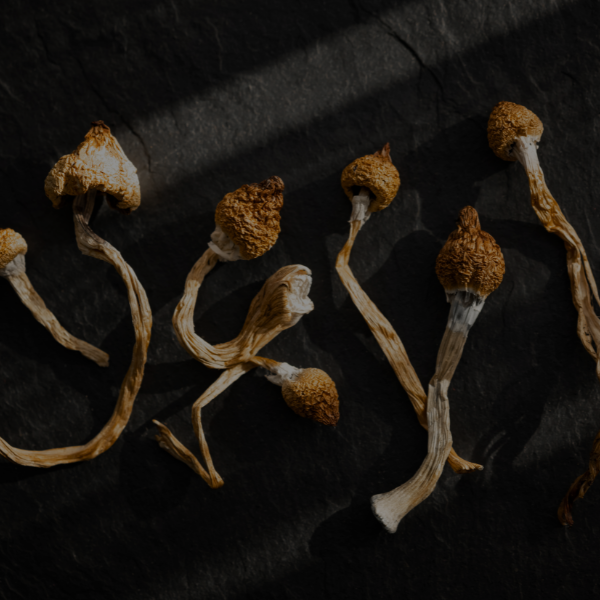
Another source of confusion is the jump from functional to psychoactive mushrooms. These are separate categories. Functional mushrooms are used in everyday wellness routines for goals like stress resilience, focus, or immune support. Psychoactive mushrooms are discussed for entirely different reasons. Keeping those groups separate makes the adaptogen conversation much easier to follow.
It also sets more realistic expectations.
Adaptogenic mushroom benefits are usually gradual. They are closer to training recovery than flipping a switch. You are looking for small, steady changes in how you handle pressure, sleep, energy dips, or mental fatigue over time, not a dramatic effect after a few doses.
Research summaries published in recent years note that human evidence varies a lot by species. Reishi tends to have more direct clinical research than many other mushrooms in this category, while others remain earlier in the evidence pipeline. Those same reviews also raise a practical shopping point. Clinical studies often test single-species extracts in defined amounts, while many commercial blends split a serving across several mushrooms. If a formula includes ten mushrooms, the useful question is not how long the ingredient list is. It is how much of each mushroom you are getting, and whether the form matches what has been studied.
A simple way to make this category useful is to sort mushrooms by their main job. Some are better matched to calm and sleep support. Others fit cognitive support, stamina, or immune balance. Once you stop treating all mushroom products as interchangeable, the phrase adaptogenic mushroom benefits starts to mean something practical instead of sounding like marketing.
Understanding the Adaptogen Concept
The word adaptogen gets used loosely, but it has a specific meaning. A true adaptogen isn't just any plant or mushroom associated with wellness.
What qualifies as a true adaptogen
Adaptogenic mushrooms are scientifically defined by three strict criteria. They must be non-toxic, create non-specific resistance to diverse stressors, and have a normalizing effect regardless of the direction of pathological change. Research also indicates that these mushrooms support the body's stress response by influencing the HPA axis and modulating cortisol levels, as explained in this overview of the scientific definition of adaptogenic mushrooms.

If that sounds abstract, use a thermostat analogy. A stimulant is more like flooring the gas pedal. A sedative is more like pressing the brake. An adaptogen is closer to a thermostat that helps keep the internal environment from drifting too far in one direction.
The thermostat analogy for stress
Your HPA axis is one of the body's core stress-response networks. It helps regulate how you respond to pressure, recover from it, and return to baseline. When people talk about adaptogens “balancing” the body, this is usually what they mean. The goal isn't to push you up or down. It's to support steadiness.
That distinction is why true adaptogens are different from products that feel activating or relaxing. They aren't meant to force a single effect in every person.
For a broader primer on this category, this guide on what adaptogenic mushrooms are offers a useful starting point.
Adaptogens make the most sense when you think of them as regulators, not as quick-fix mood changers.
Why the label gets overused
Marketing often lumps many functional mushrooms into the adaptogen bucket. But the standards are narrower than that. Some mushrooms may still be valuable for immunity, gut health, or cognition without cleanly fitting the classical adaptogen definition.
That's not a reason to dismiss them. It's a reason to be precise. Precision helps you choose the right mushroom for the right job.
Meet the 5 Key Adaptogenic Mushrooms
You are standing in front of a shelf of mushroom coffees, capsules, and powders. Every label promises something slightly different. Calm. Focus. Energy. Immunity. The useful question is not which mushroom is "best." It is which job each mushroom is known for, and whether it rightfully belongs in the adaptogen category.

A practical way to sort these five is to picture a toolkit. Some mushrooms are used mainly for stress resilience. Others are chosen for cognition, exercise support, or immune function. They may all be functional mushrooms, but they do not all do the same work, and they do not all fit the stricter adaptogen definition equally well. If you want a broader overview of how functional mushrooms are commonly used for different wellness goals, that distinction becomes easier to spot.
Reishi
Reishi is the clearest place to start because it sits closest to the traditional adaptogen idea. It is commonly associated with stress support, steadier sleep, and a calmer overall response to pressure.
If adaptogens are the mushrooms most closely tied to helping the body stay steady under stress, Reishi is the example people usually mean. It is less about a noticeable "boost" and more like turning down background noise over time.
Lion's Mane
Lion's Mane belongs in this conversation, but for a different reason. People usually reach for it to support memory, concentration, and mental clarity, not because it is the strongest stress-focused mushroom.
Confusion often arises with this distinction. A mushroom can be highly functional without being a textbook adaptogen. Lion's Mane is a good example of that gray area. It is widely respected, but its popular use centers more on brain-related support than on classic stress adaptation.
One practical note matters. Small amounts sprinkled into broad blends may not match the doses typically discussed in cognition-focused research, so product format and serving size matter more here than many labels suggest.
Cordyceps
Cordyceps is usually the daytime option. It is commonly used for energy, stamina, and exercise support, especially by people who want something that feels steadier than caffeine.
Cordyceps also helps clarify the "true adaptogen" question. Among the mushrooms discussed in wellness products, Reishi and Cordyceps are often treated as the closest fits to classical adaptogen criteria. By contrast, many brands market nearly every functional mushroom as adaptogenic. Pique Life's guide to adaptogenic mushroom classification and ingredient forms explains that fruiting body, mycelium, and category labels are often blended together in ways that can confuse shoppers.
Chaga
Chaga has a strong reputation for antioxidant and immune support. That reputation is part of why it shows up so often in wellness blends.
Its evidence story is still more preliminary than many marketing claims make it sound. Chaga may still be useful, but it makes more sense to choose it for its traditional use and general functional profile than to treat it as one of the most proven adaptogenic mushrooms.
Practical rule: Choose Chaga for broad wellness interest, not because you expect the deepest human evidence for stress adaptation.
Turkey Tail
Turkey Tail is best known for immune and gut-related support. It is one of the most recognized functional mushrooms, but it is not usually the first name in a stress-support discussion.
That difference matters. Calling every beneficial mushroom an adaptogen can blur what each one does well. Turkey Tail still has a clear place in a wellness routine. Its role is different from Reishi's.
A quick comparison
| Mushroom | Most associated with | Evidence takeaway |
|---|---|---|
| Reishi | Calm, stress, sleep | Closest fit to the classic adaptogen role in this group |
| Lion's Mane | Cognition, memory | Often used for brain support, not primarily for stress adaptation |
| Cordyceps | Energy, stamina | Commonly used for performance and vitality, and often grouped among the clearest adaptogenic fits |
| Chaga | Antioxidant, immune interest | Popular in wellness products, with a more early-stage human evidence picture |
| Turkey Tail | Immune and gut support | Functional mushroom with a distinct role outside classic stress-focused adaptogen use |
The Science Behind the Benefits
Once you separate the mushrooms by job, the biology gets easier to follow. Different compounds interact with different systems. That's why one mushroom is better known for sleep support while another is linked to focus or stamina.

Stress and sleep support
Reishi is the clearest example here. A 2024 meta-analysis of 17 randomized controlled trials involving 971 participants found that Reishi at 1,000 to 5,400 mg per day significantly improved markers including sleep quality, anxiety reduction, and fatigue, with effects stronger than placebo. The same source explains that beta-glucans and triterpenes in Reishi modulate the HPA axis, reduce cortisol, and lower oxidative stress. It also notes that benefits require consistent daily intake over 4 to 8 weeks.
That timing matters. Adaptogenic mushroom benefits usually build the way exercise capacity builds. You don't do one workout and become fit. You don't take one capsule and become resilient.
Cognition and nerve support
Lion's Mane is commonly linked to cognition because its compounds are studied in relation to nerve health and brain function. A broad health review of adaptogenic mushroom benefits and functional thresholds notes that Lion's Mane has shown beneficial effects on cognition in older adults at 3,000 mg per day, while Reishi is mainly linked to stress and sleep and Cordyceps to energy.
That same source highlights beta-glucans as important compounds with effects that go beyond “antioxidant” shorthand. Beta-glucans have been evidenced to support cardiovascular protection and improve glucose and lipid metabolism.
Energy and immune modulation
Cordyceps is usually placed in the energy lane because its compounds are associated with cellular energy support. In plain language, people use it when they want physical readiness rather than a calming effect.
Turkey Tail and other immune-focused mushrooms are often discussed through the lens of beta-glucans. These compounds interact with immune pathways, which helps explain why some mushrooms show up in immune and gut support formulas more often than in products aimed at stress.
For readers sorting options by outcome rather than hype, this overview of functional mushroom benefits can help frame the category more practically.
The simplest way to think about the science is this. Reishi speaks most directly to stress regulation, Lion's Mane to cognition, Cordyceps to energy, and Turkey Tail to immune support.
Functional Versus Psychoactive Mushrooms
A lot of confusion comes from the fact that people use the word “mushrooms” as if it refers to one wellness category. It doesn't. Functional mushrooms and psychoactive mushrooms are distinct groups with different compounds, different mechanisms, and different intended effects.
Functional mushrooms
Functional mushrooms are used for physiological support. They contain compounds such as beta-glucans, triterpenes, and other bioactives that interact with systems involved in stress response, immunity, metabolism, and cognition. Their role is usually about homeostasis, which means helping the body maintain balance.
Adaptogenic mushrooms are relevant. Even then, not every functional mushroom is automatically a true adaptogen. Some are useful because they support the immune system or cognitive function, not because they meet the stricter adaptogen criteria.
Psychoactive mushrooms
Psychoactive mushrooms are used for a different reason. Their defining compounds act primarily on brain signaling involved in perception, mood, and consciousness. That is a different mechanism from supporting HPA-axis regulation or immune modulation.
The practical takeaway is simple. If you're shopping for stress support, sleep support, daily focus, or general wellness, you're usually looking at the functional category. If you're talking about altered perception or consciousness, you're in a separate category entirely.
Why this distinction helps
When people blur these categories, they often expect the wrong kind of outcome. A functional mushroom isn't meant to create a dramatic shift in consciousness. A psychoactive mushroom isn't usually chosen as a routine “immune support” supplement.
Keeping the categories separate makes the conversation cleaner, safer, and more useful. It also helps you read labels with a more informed eye.
How to Use Adaptogens Safely and Effectively
Knowing what a mushroom does is only half the job. The other half is choosing a product that resembles the form studied and using it with enough consistency to judge it fairly.

Start with the label
Forms vary. You'll see capsules, powders, tinctures, teas, coffees, and blends. The label should tell you whether the product uses fruiting body, mycelium, or both. That matters because bioactive compounds can be concentrated differently depending on the source material, and many clinical trials use standardized extracts rather than raw powder.
Look for a label that clearly states the mushroom species, extract form, and amount per serving. Vague proprietary blends make it hard to compare a product with the way mushrooms were used in research.
Use dosing context, not guesswork
A review of randomized studies from 2020 to 2025 on adaptogenic mushroom supplementation reports that standardized protocols showing a significant decrease in cortisol often used 1,000 to 3,000 mg daily, spread through the day, over 4 to 6 weeks. That's useful context for expectations. It tells you two things. First, consistency matters. Second, very low doses may not resemble the trial conditions people cite in marketing.
If you're checking medication overlap before trying any supplement, a drug interaction database is a sensible place to start, followed by a conversation with a qualified healthcare professional.
Some people shouldn't self-experiment with mushroom supplements. If you take prescription medication, are pregnant, have an autoimmune condition, or use blood thinners, get personalized guidance first.
A short walkthrough can also help if you're new to the category.
A practical checklist
- Choose one target outcome: Pick calm, sleep, focus, energy, or immune support first. Don't chase every benefit at once.
- Start with a single mushroom: A single-species product makes it easier to tell what's helping.
- Give it time: Judge results after steady use, not after one or two servings.
- Watch for tolerance or mismatch: If a product makes you feel off, stop and reassess the dose, timing, and form.
- Talk to a clinician when needed: This matters most if you have a condition or take medications.
Your Questions on Adaptogens Answered
How long does it take to notice benefits
Don't expect same-day transformation. The better way to think about adaptogenic mushroom benefits is cumulative support. Some people notice subtle shifts earlier, but the research and clinical framing point toward consistent use over weeks, not instant effects.
Is it safe to combine different adaptogenic mushrooms
Many people do combine them, often called stacking. The logic is straightforward. Reishi may be chosen for calm, while Lion's Mane is used for cognition or Cordyceps for daytime energy. The caution is practical rather than dramatic. If you combine several products at once, it becomes harder to tell which one is helping and which one isn't.
Start simple when possible. One mushroom, one clear goal, one consistent routine.
Should I take breaks from using them
This is one of the least discussed parts of the topic. Emerging discussion around the cortisol paradox suggests that some people may benefit from off-cycles rather than assuming continuous use is always best. This review of adaptogenic mushrooms, cycling, and possible HPA axis desensitization notes that benefits require consistent use for weeks, while also raising the issue of hormonal buffering or diminished efficacy over time.
That doesn't mean everyone needs the same schedule. It means blind, indefinite use isn't the only reasonable option. If you notice benefits flattening out, cycling may be worth discussing with a knowledgeable practitioner.
If you're exploring both functional and psychoactive mushroom products and want a retailer that also offers educational support, The Magic Mushroom Delivery is worth a look. Their site includes product categories, learning resources, and guidance that can help adults make more informed decisions about mushroom use.