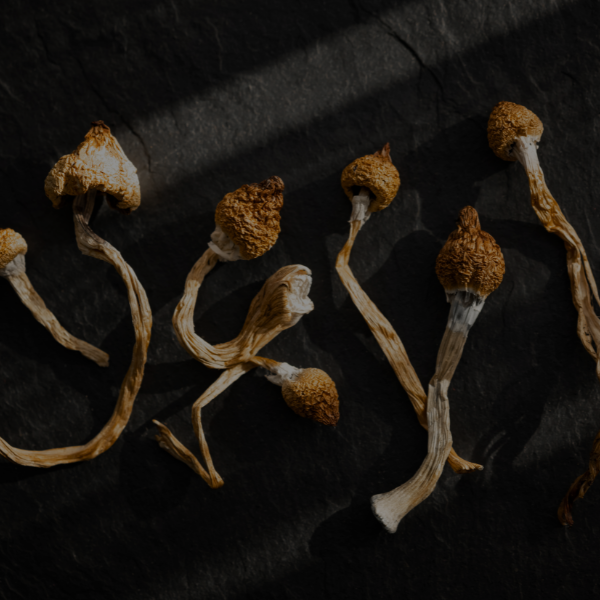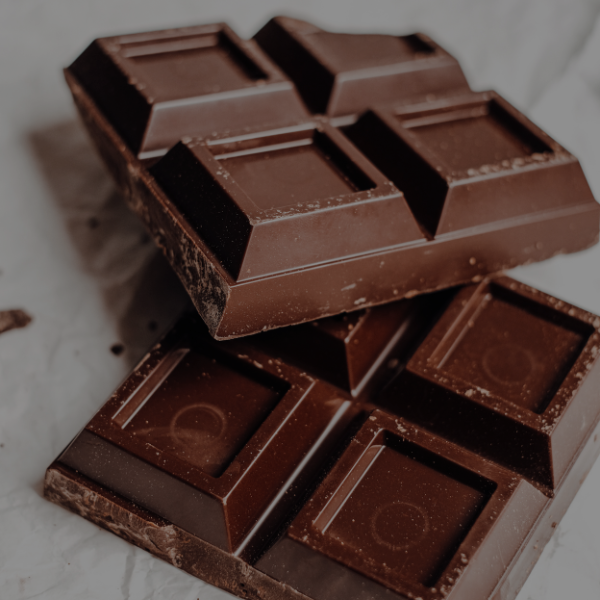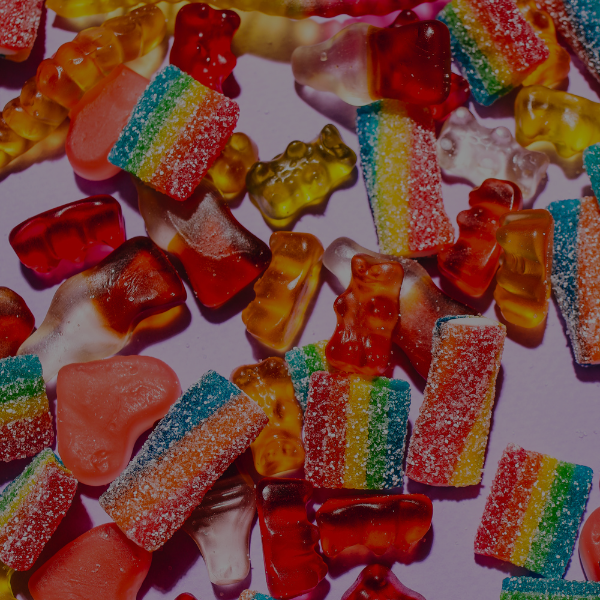

Edibles can be made from different mushroom strains, but the strain label rarely predicts the experience. Dose, extraction, and your own body usually do far more of the work.
You may be looking at a chocolate bar or gummy right now, comparing names such as Golden Teacher and Penis Envy and wondering whether one will feel more visual, more intense, or more relaxing. That comparison feels reasonable because strain names matter in some parts of the cannabis market, and coffee drinkers often use bean origin to anticipate flavor. With mushroom edibles, however, the wrapper can suggest more certainty than the product chemistry supports.
The useful question isn't only “Do edibles have different strains?” It's “Which parts of the mushroom remain meaningful after processing, and what information can help me judge the product?” Once you separate the original mushroom from the finished edible, the label becomes easier to read and the decision becomes less dependent on branding.
What the Question Really Means
People usually ask whether edibles have different strains because they want a name to predict a result. They hope a strain label can answer practical questions such as whether the edible will feel gentle or powerful, mentally stimulating or physically heavy, short or long lasting. That expectation makes sense when a product presents a familiar mushroom name in large type.
The question contains three smaller questions:
- Did the producer start with a different cultivated mushroom lineage?
- Does that lineage still matter after drying, grinding, heating, or extraction?
- Can a consumer reliably notice the difference in the finished chocolate or gummy?
The first answer can be yes. Producers can use different cultivated mushrooms as starting materials. But a mushroom strain, understood as a cultivated lineage, isn't the same thing as a strain name printed on a finished candy. The first describes biological source material. The second may function mainly as a product identifier or marketing promise.
That distinction matters because an edible isn't a preserved piece of the original mushroom. It's a prepared delivery format. A manufacturer may process the starting material, combine it with a carrier, divide it into servings, and label the final product according to the compounds it intends to deliver. Two products that began with different mushrooms can therefore become much more alike after processing.
A helpful guide to edible psychedelic mushrooms can provide context about formats, but the wrapper still needs careful interpretation. A named strain may tell you what the producer says went into the product. It doesn't automatically tell you what your body will feel.
The practical distinction: the mushroom name describes the starting material, while the dose and preparation describe much of the finished experience.
So the answer isn't a clean yes or no. Different starting materials can exist, but the label rarely works like a precise chemical profile. The rest of the decision should focus on what survives production, how much is in each serving, and how your own circumstances affect the result.
The Core Idea Behind Edibles
An edible is a delivery system for psilocybin and related compounds, not a direct slice of a mushroom placed inside a sweet. That difference explains why strain-based expectations often weaken between the raw material and the final product.
Think about coffee. Beans can come from a named region, but brewed coffee and instant coffee made from those beans won't deliver the compounds in exactly the same way. The water temperature, extraction process, concentration, and serving size all change what reaches the cup. The bean's origin may still matter, but preparation becomes part of the experience.
Mushroom edibles follow a similar logic. Producers may dry and grind mushrooms, heat the material, prepare an infusion, or incorporate an extract into chocolate, gummies, capsules, or another carrier. Each step can change the mixture, the concentration, and how evenly the active material is distributed. The finished product measures what remains available in that preparation, not the full identity of the original mushroom as it existed before processing.

Why processing changes the comparison
A whole mushroom contains a broader physical matrix than a measured extract. Grinding can make the material easier to distribute. Infusion can move compounds into a fat or liquid carrier. Division into pieces can make serving sizes more consistent, provided the producer has mixed the batch thoroughly and tested the result.
That creates an important possibility. Two chocolates made from different named strains can end up chemically similar if the manufacturer extracts and standardizes them toward a similar target. Conversely, two products with the same strain name can feel different if their preparation, concentration, serving uniformity, or storage differs.
The label therefore gives you only part of the story. It may identify the source material, but it can't show how efficiently the material was processed or how evenly the active compounds were distributed. A consumer needs to treat the edible as its own product rather than assuming it behaves like the original mushroom.
A strain name tells you where the product may have started. It doesn't tell you everything about where the active compounds ended up.
This is why the most useful comparison moves away from the name and toward serving amount, extraction method, testing, and personal sensitivity. Those details connect the raw material to the experience more directly than a colorful wrapper or a familiar cultivar name.
What Actually Shapes an Edible Experience
The strongest predictors usually sit closer to the finished product than the strain name does. A simple way to think about the label is to assign your attention in layers. Start with the amount per serving, then examine preparation and testing, then account for your own body and surroundings. Treat color, flavor, and strain branding as secondary information.
Dose comes first
Look for the amount of psilocybin assigned to one serving and the total amount in the package. A product can have a dramatic strain name, but the portion you eat determines how much active material enters your system. Even a 25 percent difference in dose can change perceived intensity sharply, so “roughly the same” isn't always close enough for a sensitive user.
A product's serving size also affects how easily you can make a careful comparison. If one bar has clearly divided pieces and another has an uneven mixture, the printed serving number may not translate into equal portions in practice. A dedicated edibles milligram limit guide can help readers understand why serving-based labeling matters.
Preparation affects delivery
Extraction method matters because it determines how the mushroom material enters the edible matrix. The treatment may involve drying, grinding, heating, or infusion, and the producer's process affects distribution and consistency. Questions about whether psilocybin has been converted into psilocin through processing are technical, but the practical point is simple. The route from mushroom to edible can alter onset, intensity, and duration.
Your body adds another layer. Stomach contents, metabolism, sleep, previous use, mood, and the environment can all influence how the same product feels. Two people can consume an identical serving and describe different experiences without either person being mistaken.
| Factor | Typical impact | Why it matters or does not |
|---|---|---|
| Dose per serving | High | Determines how much active material you consume |
| Total dose | High | Matters if you eat more than one serving |
| Extraction and mixing | High | Affects delivery and serving consistency |
| Food and metabolism | Moderate to high | Changes how your body processes the edible |
| Sleep and prior use | Moderate | Shapes sensitivity and subjective response |
| Strain name | Uncertain | May identify source material but rarely proves a predictable effect |
| Color and flavor | Low | Usually describe presentation, not active chemistry |
Marketing often highlights what shoppers want to imagine, such as creativity, calm, or a particular mood. Those descriptions may be useful as a producer's expectation, but they aren't the same as a verified chemical profile. If a wrapper gives you a strain name but no meaningful testing or extraction information, the name should carry limited weight.
The best mental weighting is straightforward: dose first, production details second, personal context third, branding last. That approach doesn't eliminate uncertainty, but it puts your attention on the variables most likely to explain what happens.
Comparing Edibles From Different Starting Materials
Consider two hypothetical products. The first is a chocolate bar labeled Golden Teacher. The second is a gummy labeled Penis Envy. If both products provide the same stated psilocybin amount per serving, the names alone don't justify expecting one to be dramatically stronger, faster, or longer lasting.
The products may still differ. The Golden Teacher bar might use a full-mushroom preparation, while the Penis Envy gummy might use an extract. The chocolate and gummy may also differ in how thoroughly the active material was mixed, how the serving was divided, and how each product was stored. Those production details offer more plausible explanations for a perceived difference than the printed names by themselves.
Now take the concrete comparison of a 3g Penis Envy chocolate and a 3g Golden Teacher chocolate. Their parent mushrooms may have had different potency before processing, but the two chocolates can converge after the producer standardizes the finished servings into the same milligram amount. The number of grams associated with the starting material doesn't necessarily tell you the active amount in the portion you eat.
| Attribute | Edible A, Golden Teacher Bar | Edible B, Penis Envy Gummy |
|---|---|---|
| Starting label | Golden Teacher | Penis Envy |
| Format | Chocolate bar | Gummy |
| Expected comparison | Similar if the stated active dose matches | Similar if the stated active dose matches |
| Possible source of difference | Chocolate matrix, mixing, extraction | Gummy matrix, mixing, extraction |
| What the name proves | Claimed starting material | Claimed starting material |
Where differences might remain
A full-spectrum preparation may preserve more of the original fungal matrix than a highly refined extract. That can leave room for subtle differences in how products feel, but it still doesn't turn a strain name into a dependable prediction tool. The finished formulation remains the key object of comparison.
Set and setting can also make two similar products seem different. Expectations influence attention, while the room, company, activity, and emotional state shape how sensations are interpreted. If someone expects a Penis Envy gummy to feel intense, that expectation can color the experience before chemistry has been separated from perception.
The comparison with magic truffles versus mushrooms reinforces a broader lesson. Consumers often compare names and physical forms first, but the meaningful question is what compounds are present, how much is delivered, and how the body receives them.
When two products share a standardized active dose, start by looking for differences in preparation and context, not by assuming the strain name explains everything.
Rethinking How You Choose an Edible
Shopping by strain name feels natural because people use names to choose coffee, cannabis flower, and other plant products. With psilocybin edibles, however, the strain label often acts more like a brand name than a complete chemical profile. It may help identify the producer's source material, but it shouldn't outrank the information that describes the finished serving.
A more useful decision process asks four questions.
Check the serving amount
First, identify the psilocybin amount per serving. Don't rely on the total amount in the package if the serving size isn't clear. A large package can contain multiple portions, and an attractive strain name doesn't tell you how much active material is in the piece you plan to eat.
Next, ask whether the product has credible third-party testing. A test report should help connect the printed serving information to an actual analysis of the finished product. If the product offers no meaningful verification, uncertainty remains high even when the packaging looks professional.
Examine the preparation
Look for information about whether the product uses whole mushroom material, a broader extract, or a more refined preparation. The label may not answer every technical question, but a transparent description gives you more useful context than a strain name alone. Consider the edible format too, since a chocolate, gummy, capsule, and liquid can differ in mixing and delivery.
Finally, account for your own sensitivity and experience. Someone new to edibles shouldn't copy another person's portion just because that person had a comfortable experience. Your recent sleep, food intake, mood, and surroundings can change the way your body responds.
Run this checklist before buying:
- Serving amount: Can you identify the active amount in one clearly defined portion?
- Testing: Does the seller provide credible third-party verification?
- Preparation: Does the product explain whether it uses whole material or an extract?
- Personal context: Do you know how sensitive you are, and can you choose a calm setting?
- Record keeping: Can you note what you took, when you took it, and how it felt?
A product that answers these questions clearly is easier to evaluate than one that offers only an evocative name. The name can remain part of your preference, but it should function as a soft clue rather than a promise.
The Magic Mushroom Delivery offers raw mushrooms, infused chocolates, gummies, capsules, and mushroom coffee, with product information, educational resources, discreet packaging, and age verification for customers 21+. Those features make it one option for readers who want to compare formats while keeping the focus on product details rather than strain branding.
The video below adds another perspective on reading edible information and thinking about the product as a prepared experience.
Putting It All Together for Your Next Edible
The clearest answer to do edibles have different strains is this: they can begin with different mushroom lineages, but the finished edible is shaped more strongly by its dose, preparation, and your body than by the name on the front. A strain label may describe the source material, yet it doesn't automatically predict intensity, onset, or mood.
Keep three ideas in view:
- The edible is the vehicle, not the mushroom. Processing changes how the active compounds are distributed and delivered. Compare finished products as finished products.
- Dose per serving beats strain name. A clear, verified serving amount gives you a practical basis for comparison. A dramatic cultivar name doesn't.
- Your body and setting matter more than the wrapper. Food, sleep, prior experience, metabolism, mood, and surroundings can all change the way the same product feels.
Use a simple personal record
For a first experience, choose a clearly labeled serving, take it in a familiar and calm place, and avoid rushing to judge the result. Give yourself enough time to notice how the edible develops before deciding whether your expectations matched reality. If you use a product again, keep the conditions as similar as practical so you can compare observations rather than memories.
Write down the product name, format, stated serving amount, preparation details, time taken, food intake, mood, and the effects you noticed. Also record whether the experience felt stronger, weaker, faster, or slower than the packaging suggested. This turns vague strain shopping into a personal evidence log.
Experienced users can use the same method when changing formats. A gummy and a chocolate may carry similar stated amounts but differ in texture, mixing, or digestion. Recording the details helps you identify repeatable patterns without assuming every difference comes from genetics.
As testing standards and product transparency improve, strain-specific edibles may become more meaningful. For now, the strain label is often the least useful piece of information on the package. Read the serving amount, look for verification, understand the preparation, and choose a setting that supports careful observation.
The Magic Mushroom Delivery offers raw magic mushrooms, infused chocolates, gummies, capsules, and functional mushroom products, along with educational resources and discreet delivery options for verified adults 21 and older. Visit The Magic Mushroom Delivery to compare edible formats and review product information before choosing based on dose and preparation rather than strain name alone.