
You've got a bulk bag of dried functional mushrooms, a fresh batch of cultivation substrate, or a season's worth of pantry staples sitting in smaller containers that don't seal well. Every day they stay there, they pick up humidity, odors, dust, or accidental contamination. That's usually when people start shopping for “a bucket” and assume any white plastic pail will do.
It won't.
A 10 gallon food grade bucket is one of those pieces of gear that seems simple until you lose product because the plastic was wrong, the lid leaked, or the container held onto old residue you couldn't fully remove. For sensitive organic materials, the bucket matters because storage conditions affect cleanliness, moisture exposure, and long-term stability. If you're handling mushroom powders, dried fruiting bodies, grain, dry ingredients, or substrate components, the right container is part of the process, not an afterthought.
Beyond Basic Storage Why You Need a Real Food Grade Bucket
A lot of people reach for the cheapest container they can find after they've already invested real money and labor into what's going inside it. That's backwards. The container should protect the work you've already done.
If you're storing dried functional mushrooms, the goal isn't just “put it somewhere.” The goal is to keep the material dry, clean, and protected from off-odors and environmental exposure. If you're storing substrate ingredients, the goal shifts slightly. You need a container that handles bulk volume, repeated opening, and reliable cleaning without becoming a contamination risk itself.

The 10 gallon format didn't become common by accident. The 10-gallon food-grade bucket became a standard in the mid-20th century with the mass adoption of high-density polyethylene (HDPE), which the FDA codified as food-safe under 21 CFR 177.1520 in the 1970s, making it a default for bulk food in commercial kitchens according to this background on the history of standard bucket use.
Where it actually earns its keep
A 10 gallon bucket works well when you need one container to do three jobs:
- Protect bulk material: It keeps dry goods and sensitive organics together in one controlled space.
- Simplify handling: One sturdy container is easier to move and stack than a pile of weak bags or mixed tubs.
- Support repeat use: A proper bucket can be cleaned, sanitized, relabeled, and reused with confidence.
Practical rule: If the contents would be expensive, annoying, or impossible to replace, don't trust them to a generic utility bucket.
That applies to mushroom powders, dried whole mushrooms, grains, mineral supplements, fermentation ingredients, and backup pantry stock. In all of those situations, the bucket isn't just storage. It's a protective barrier between your material and everything that can degrade it.
Decoding Food Grade What It Really Means
“Food grade” gets thrown around loosely, and that creates expensive mistakes. People see a recycling symbol, spot a white bucket, and assume it's safe. That's like assuming every steel tool is surgical-grade stainless. The base material matters, but so do the additives, the manufacturing environment, and whether the final container was intended for food contact.
A real 10 gallon food grade bucket is typically made from HDPE (#2) or PP (#5) that's formulated for food-contact use. That's the important distinction. Not all plastic with the same recycling code is made to the same standard.

The recycling symbol isn't enough
The symbol on the bottom tells you the plastic family. It does not prove the bucket is suitable for direct food contact. A bucket can be HDPE and still be unsuitable if the resin mix, colorants, additives, or recycled content don't meet food-contact requirements.
That matters more with sensitive organic materials than people think. Mushroom powders and dried fruiting bodies can pick up odors and contamination from poor storage choices. Substrates can also be compromised if the container wasn't clean to begin with or if the plastic isn't appropriate for repeated use.
Here's the version I trust in practice:
- Look for explicit food-contact language. If a seller doesn't clearly state FDA-compliant or food-grade construction, keep moving.
- Prefer virgin resin over recycled content for anything that will hold consumable material.
- Treat unlabeled utility buckets as non-food buckets unless the manufacturer says otherwise.
Why the material spec matters
Food-grade buckets aren't just “safer plastic.” They're built for repeated use and for resisting moisture exchange. According to a technical overview from ePackageSupply on food-grade bucket construction, food-grade buckets are made from FDA-compliant HDPE or PP resins with wall thicknesses of 80–100 mil (2.0–2.5 mm), creating a barrier with low water vapor permeability (<0.5 g·mm/m²·day·atm) to prevent moisture exchange and mold growth in sensitive materials.
That's exactly why they work for dry mushroom storage and for ingredients that need a clean, stable environment.
What to verify before buying
Use this quick filter before you buy:
- Material listed: HDPE or PP should be stated clearly.
- Compliance language present: Look for FDA food-contact wording from the seller or manufacturer.
- Intended use stated: Ingredient storage, food service, bulk dry goods, or similar language is a good sign.
- Origin makes sense: Buckets made for paint, solvents, hardware, or utility use aren't substitutes.
- Surface quality: Smooth interior walls are easier to wash and less likely to trap residue.
Food grade is a manufacturing standard, not a color, shape, or recycling stamp.
That one distinction saves people from most bucket mistakes.
The Critical Choice Lid and Seal Options
The bucket body matters, but the lid decides if your storage setup will work. I've seen good buckets fail because the lid was wrong for the job. If you're storing dry mushrooms, powders, grains, or ingredients that need protection from ambient moisture and odors, the seal is where you either preserve quality or slowly lose it.
Three common lid styles
The three primary lid styles are standard snap-on lids, gasketed snap-on lids, and Gamma Seal lids. They all fit a 10 gallon food grade bucket differently, and they don't solve the same problem.
A standard snap-on lid is the budget option. It's serviceable for short-term storage, transport, or materials you cycle through quickly. The downside is obvious once you use one for anything valuable. It's harder to open, less forgiving with repeated use, and not the lid I'd choose when moisture control matters.
A gasketed snap-on lid is generally a better all-around choice. The gasket improves the seal, which makes it more useful for dry bulk storage, especially in garages, pantries, and utility spaces where conditions fluctuate. If you're trying to keep powders dry or prevent dry mushrooms from pulling moisture from the room, this is a practical upgrade.
A Gamma Seal lid is built for frequent access. You install an outer ring once, then open and close the center screw lid as needed. That convenience matters when you're working from the bucket often instead of sealing it away and forgetting it.
Lid Type Comparison for 10-Gallon Buckets
| Lid Type | Airtightness | Ease of Access | Best For |
|---|---|---|---|
| Standard snap-on lid | Basic | Lower | Short-term storage, transport, low-cost setups |
| Gasketed snap-on lid | Better | Moderate | Dry goods, sensitive powders, long-term pantry storage |
| Gamma Seal lid | Strong for repeated use | High | Buckets opened often, working inventory, daily access |
What works and what doesn't
What works is matching the lid to the access pattern.
- Use standard lids when the bucket is sealed, moved, and opened infrequently.
- Use gasketed lids when storage quality matters more than shaving a little cost.
- Use Gamma Seal lids when you'll open the container often and need the seal to stay reliable over time.
What doesn't work is buying a premium bucket and treating the lid as an afterthought. That's especially true with mushroom materials. Every unnecessary opening, poor reseal, or loose-fitting lid increases the chance of humidity creep and odor transfer.
My rule for sensitive materials
If the contents are dry, potent, aromatic, or contamination-sensitive, don't choose the cheapest lid by default. Choose based on how often you'll open the bucket.
For long storage, the best lid is the one people won't avoid using correctly. A perfect seal doesn't help if the bucket is such a hassle to open that it gets left ajar.
That's one reason Gamma lids are popular for working stock. They make good habits easier. For backup reserves, though, gasketed snap-on lids often strike the better balance between cost and protection.
Versatile Uses for Preppers Growers and Fermenters
A 10 gallon food grade bucket earns its place because it solves several storage problems at once. It's large enough for bulk handling, manageable enough for one person to move, and durable enough for repeated cleaning and reuse. That makes it useful across preparedness, cultivation, and fermentation.

For emergency storage
Preppers often think first about calories, but storage condition is what keeps bulk supplies usable. A 10 gallon bucket works well as an outer shell for dry staples, bagged ingredients, and backup pantry goods that need protection from dust, pests, and rough handling.
For a working pantry, I like buckets that can separate reserve stock from daily stock. That keeps the main supply cleaner because you're not opening it every day. If you're storing mushroom powders or dried functional materials as part of a wellness cabinet, the same logic applies. Keep the larger reserve closed and pull from a smaller day-use container.
For growers handling substrates and dry inputs
Growers use these buckets for more than final storage. They're useful during staging, mixing, transport, and keeping dry ingredients contained before use. Bulk substrate components, grains, and supplements all benefit from being kept together in a washable, sealable container rather than open bags.
If you're building a more complete setup, it helps to understand the broader workflow around cultivation. This guide on growing your own magic mushrooms gives useful context on how storage decisions fit into a larger process.
Here's where buckets help most in cultivation spaces:
- Dry ingredient control: Bran, gypsum, grain, and other inputs stay cleaner when they're not sitting in torn bags.
- Staging materials: A dedicated bucket reduces cross-contact between clean supplies and shop clutter.
- Batch separation: One bucket per material or batch is easier to track than mixed containers.
A bucket used for cultivation should have a single job. Don't store grain in it one week, compost tea the next, and dried mushrooms after that.
That kind of multitasking is how smells linger and contamination problems start.
For fermenters and bulk food handling
Fermenters appreciate capacity and easy cleaning. A 10 gallon bucket can hold brined vegetables, ingredient batches, or prep volume that would overwhelm smaller containers. The key is making sure every part that touches the product is food-contact appropriate and easy to sanitize.
This quick video gives a practical visual sense of bucket use cases and setup basics:
For dried mushrooms and powders
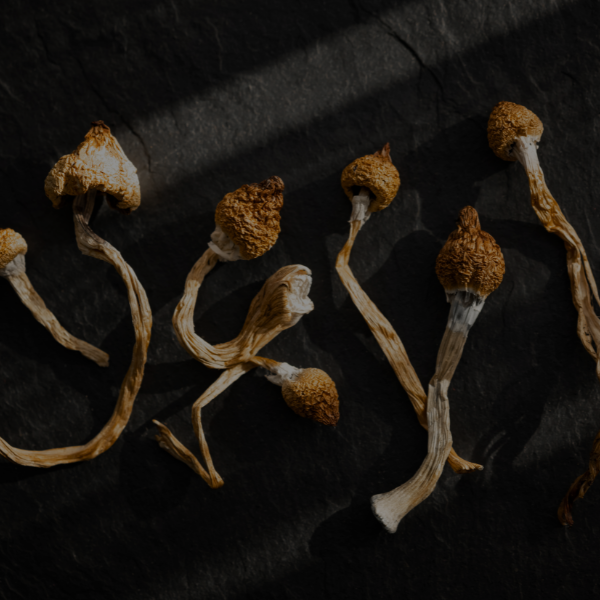
When storing dried mushrooms and mushroom powders, people need to be more careful than generic food storage guides usually suggest. Dried mushrooms and mushroom powders are light, aromatic, and moisture-sensitive. They don't just need “a container.” They need a dry, clean environment with a reliable seal and minimal odor carryover.
Best practice is simple:
- Use the bucket as protective bulk storage, not a dirty catch-all.
- Keep opening frequency low if you're preserving quality over time.
- Dedicate the container to one category of product so you don't fight odor transfer later.
That same principle applies whether you're storing functional blends, dried culinary mushrooms, or dry cultivation inputs. Cleanliness and separation preserve quality better than any clever hack.
A Clean Start Sanitizing Buckets for Purity
A food-grade bucket isn't automatically clean enough to use straight out of the box, and a reused bucket needs even more scrutiny. Dust, factory debris, handling residue, and old odors can all undermine what you put inside. For sensitive organic material, sanitation is part of storage, not a separate chore.
New bucket first-use routine
Start by washing the bucket and lid with warm water and a mild detergent. Use a soft sponge or non-abrasive brush, and pay attention to the bottom seam, interior wall, rim, and underside of the lid. Rinse thoroughly until there's no slippery feel left.
Then sanitize. Many growers and fermenters use food-safe sanitizers such as Star San, while others use a properly diluted unscented bleach solution. Follow the product directions if you use a commercial sanitizer, and always use potable water for the final rinse when the sanitizing method requires rinsing.
Repurposed bucket checklist
A reused bucket only makes sense when you know what was in it before and you can remove all residue and odor. If the previous contents are uncertain, industrial, heavily scented, or greasy, I'd skip it for consumable storage.
Use this sequence:
- Inspect first: Look for scratches, staining, warping, and trapped residue under the rim.
- Wash completely: Clean both the bucket and lid. Don't ignore handles, grooves, or gasket areas.
- Rinse well: Soap left behind is its own contamination problem.
- Sanitize after cleaning: Cleaning removes grime. Sanitizing addresses what you can't see.
- Air dry fully: Don't trap moisture inside a sealed bucket.
If your setup includes filtered airflow or other clean-handling tools, keeping those components in good condition matters too. This guide to a 0.2 micron filter is useful for anyone building a cleaner workflow around storage and cultivation.
What people get wrong
The biggest mistake is rushing from “looks clean” to “safe to fill.” That shortcut causes more trouble than people admit.
- Skipping the lid: Lids collect residue and often get less attention than the bucket body.
- Using abrasive pads: Scratches make future cleaning harder.
- Sealing while damp: That invites odor and microbial growth.
- Cross-using buckets: A bucket that held one pungent material can affect the next one.
Clean first, sanitize second, dry last. Change that order and you're only pretending to be careful.
For dried mushrooms, powders, and substrate ingredients, that sequence protects both purity and shelf stability.
Smarter Buying and Storing Your Buckets
Buying a proper 10 gallon food grade bucket gets easier when you ignore the marketing fluff and check the few details that matter. Sellers know shoppers look for white plastic and a #2 stamp, so weak listings often lean on those cues instead of giving real compliance information.
That's where people get burned.
What to look for at purchase
One of the most useful warnings comes from this article on food-grade vs regular buckets, which notes that many consumers wrongly assume any white HDPE #2 bucket is food-safe, but FDA compliance depends on using virgin, non-recycled resin and approved additives, a detail often missed in generic online guides.
That means a bucket can look right and still be wrong.
Use these buying filters:
- Read the product description carefully: “Food grade” should be stated clearly, not implied.
- Check intended application: Ingredient storage, food service, or food-contact language is stronger than generic household use.
- Be wary of repurposed industrial buckets: Paint, adhesives, chemicals, and utility products don't belong in your food or mushroom workflow.
- Prefer sellers who disclose more, not less: Material, compliance language, and compatible lids should be easy to find.
Good storage habits after you buy
Even a quality bucket can degrade if you store it poorly. Plastic doesn't like neglect. Heat, sunlight, and bad stacking habits shorten its useful life and make it harder to trust later.
Store empty or filled buckets in a place that's:
- Cool: Less stress on the plastic and less temperature swing for the contents
- Dark: Direct light can age plastic and warm the interior
- Dry: Exterior moisture invites grime and messy handling
If you're also storing finished mushroom products or infused items elsewhere, these broader principles line up well with practical advice on how to store edibles.
The stacking problem
People love stacking because it saves floor space. That's fine, but don't overdo it and don't stack carelessly. Lids can deform, rims can take stress, and a bucket that no longer seals well stops being a good storage tool.
What works is simple. Keep the stack stable, keep the area clean, and inspect buckets before each refill. If a bucket gets brittle, cloudy, cracked, scratched, or permanently odorous, retire it from sensitive storage.
A cheap replacement bucket costs less than ruined material.
Frequently Asked Questions About 10 Gallon Buckets
Are colored food-grade buckets safe
They can be, but only if the manufacturer states food-contact compliance for the finished bucket. Color alone doesn't tell you enough. The safer move is to verify the product listing or manufacturer spec instead of assuming any colored pail is acceptable.
Is an NSF listing worth looking for
Yes. Beyond FDA compliance, look for third-party certifications like an NSF listing, which provides independent verification that the bucket's materials and design meet strict sanitary standards for food-contact applications, as shown in this NSF-listed food-service bin example.
That extra layer of verification is useful when you want more than seller claims.
Can you reuse a deli pickle bucket
Sometimes, but only after careful judgment. If it was used for actual food service and the plastic is still in good condition, it may be reusable. The main question is odor. Pickle smell can linger, and if you're storing dried mushrooms or powders, that odor transfer matters. If the smell won't leave after full cleaning and drying, don't use it for sensitive contents.
How do you remove a stubborn odor
Wash thoroughly, rinse well, sanitize if appropriate, and let it air dry completely. If the odor remains, keep the bucket for non-sensitive tasks. Don't force a borderline container into a clean-storage role just because it technically still holds a lid.
What's the safest quick test before filling a bucket
Use your eyes and your nose. Look for scratches, haze, stains, or warped sealing surfaces. Smell the interior and lid. If you pick up chemical, sour, stale, perfumed, or leftover product odor, it's not ready for anything delicate.
If a bucket leaves you unsure, that's already your answer.
Do all food-grade buckets need premium lids
No. They need the right lid for the job. Reserve storage can do well with a solid gasketed lid. Working inventory often benefits from a Gamma-style setup. Match the lid to your use pattern, not to hype.
If you're exploring premium mushroom products and want a trusted place to learn and shop, The Magic Mushroom Delivery is worth a look. Their site combines a curated selection with educational resources that help adults make more informed decisions about mushroom use, storage, and product formats.