
You've got your order in hand, and the first question is usually simple: how do you keep it as close as possible to the day it arrived?
That's the right question. Psilocybin shelf life isn't just about whether a product is still technically usable. It's about whether it still delivers the quality, consistency, and feel you expected when you bought it. A dried whole mushroom, a capsule, a chocolate square, and a gummy all age differently, and they don't fail in the same way.
Most storage mistakes happen because people think in terms of an expiration date instead of a preservation system. Psilocybin products hold up best when you control the conditions around them. If you don't, potency can drift, texture can change, and in some formats spoilage can become the bigger issue than simple age.
Why Proper Storage Is Key to a Quality Experience
You open the package to check color, aroma, and condition. Then it sits on a kitchen shelf for the afternoon, half-sealed, catching light and humidity. That small lapse is one of the fastest ways to shorten usable life, especially with formats that contain sugar, fats, or residual moisture.
Good storage protects consistency. It helps the product hold its intended strength, texture, and handling qualities so the experience stays closer to what you paid for.
Shelf life is really about stability
Psilocybin products do not all age the same way because the ingredients around the active compounds matter. A dried mushroom, a capsule, a gummy, and a chocolate bar each respond differently to air, heat, and moisture. That is why generic advice falls short.
Part of the reason is chemistry. If you understand the difference between psilocybin and psilocin, the storage logic makes more sense. These compounds are sensitive to environmental stress, and the product format can either buffer that stress or make it worse.
Water activity is a good example. Fresh material has a short window because moisture supports faster breakdown and, in some cases, microbial growth. Fully dried material usually stores better because removing water slows those processes. Edibles add another layer. Gummies can pull in moisture or dry out. Chocolates can soften, bloom, or pick up odors if they are stored poorly. Capsules can cake if humidity gets into the bottle.
Storage is less about chasing a printed date and more about controlling the conditions that push a product off-spec.
Practical rule: Treat psilocybin products like sensitive botanical goods with format-specific weak points. Dried items need protection from air and humidity. Chocolates need stable, cool temperatures. Gummies need moisture control and a tight seal.
What good storage protects
Proper storage helps protect several parts of the experience at once:
- Potency retention: Lower exposure to heat, light, oxygen, and moisture slows degradation.
- Format integrity: Chocolates can bloom or melt, gummies can sweat or harden, capsules can clump, and dried mushrooms can regain moisture.
- Product safety: Moisture problems can shift the issue from simple aging to spoilage.
- Your investment: Better storage reduces waste and lowers the chance of an inconsistent dose later.
Experienced buyers pay attention to the environment as much as the product itself. That habit usually makes the difference between something that stays reliable and something that declines long before it should.
The Four Enemies of Psilocybin Potency
You buy a product for a certain kind of experience. Then it sits for a few weeks in a warm kitchen drawer, a half-open pouch, or a clear jar on a shelf. Same product, different storage, and often a different result.
The four forces behind that drop-off are light, heat, oxygen, and moisture. Every effective storage recommendation is designed to limit one or more of them.

Light breaks down sensitive compounds
Light exposure is easy to shrug off because the damage is gradual. You usually will not see a dramatic change after one afternoon on the counter. Over time, though, repeated exposure adds up, especially with clear packaging or containers left near windows.
That matters because psilocybin products contain compounds that do better in darkness than in direct or repeated light exposure. For dried mushrooms, the fix is simple. Use an opaque container or keep the jar inside a closed cabinet. For capsules, avoid clear bottles if they will sit out. For chocolates and gummies, the wrapper helps, but the outer storage spot still matters.
Display storage looks good. It is rarely the best choice for preserving potency.
Heat speeds up decline
Heat increases the rate of chemical change. In practical terms, products age faster in a hot apartment, glove box, or cabinet above the stove than they do in a cool, stable room.
Format matters. Heat does not just affect active compounds. It also affects the product around them. Chocolate can soften, bloom, and lose its snap. Gummies can sweat, stick together, or dry into a tougher chew. Capsules can trap moisture once the bottle warms and cools repeatedly. Dried mushrooms may still look usable after heat exposure, but they often hold up better when temperatures stay steady and moderate.
A common mistake is focusing only on “cold” versus “room temperature.” Stability matters just as much. Frequent temperature swings create more stress than a consistently cool storage spot.
Oxygen is the slow problem people underestimate
Oxygen exposure is usually less obvious than heat or moisture, but it is one of the main reasons potency slips over time. Every time a container is opened, fresh air enters. Every bit of extra headspace in a jar leaves more oxygen sitting with the product between uses.
This is one reason whole dried mushrooms often keep better than ground material. Grinding increases surface area, which gives oxygen more contact with the active material. Capsules and powdered blends are convenient, but convenience comes with a trade-off. They need tighter sealing and better moisture control after opening. If you want a clearer chemistry background, this explanation of psilocybin vs psilocin helps explain why exposure matters.
Use the smallest airtight container that fits the amount you have. A half-empty large jar is not ideal storage.
Moisture creates the biggest risk
Moisture is the enemy that changes the conversation from simple aging to possible spoilage.
With dried mushrooms, moisture can restart the conditions that allow faster breakdown and microbial growth. With capsules, it can lead to clumping and a musty smell. With gummies, moisture migration can make them sweat, stick, or turn grainy. With chocolates, humidity can affect texture and appearance, especially if the product is also dealing with heat.
The practical point is straightforward. Dry products need to stay dry. If a product format already contains water or soft ingredients, such as gummies or fresh mushrooms, storage discipline matters even more because the margin for error is smaller.
These enemies rarely show up alone
Poor storage is usually a stack of small mistakes, not one dramatic failure. A clear jar invites light. A loose lid lets in oxygen. A warm room raises the speed of degradation. Humid air adds another problem on top.
That is why the best storage setups work so well. They handle all four threats at once, and they do it in a way that matches the format you bought.
Expected Shelf Life for Different Product Formats
A common storage mistake starts on day one. Someone buys dried mushrooms, capsules, and a couple of infused chocolates, then puts all of them in the same drawer and expects them to age the same way. They do not. Shelf life depends as much on the format as the ingredient itself, because each format exposes psilocybin and related compounds to air, moisture, heat, and handling in a different way.
That is the part generic storage advice often misses. A whole dried mushroom, a ground capsule, a gummy, and a chocolate may contain similar actives, but they break down along different paths.
A quick comparison by format
| Product Type | Estimated Shelf Life | Primary Storage Concern |
|---|---|---|
| Fresh mushrooms | About 5 to 10 days refrigerated | Moisture and mold |
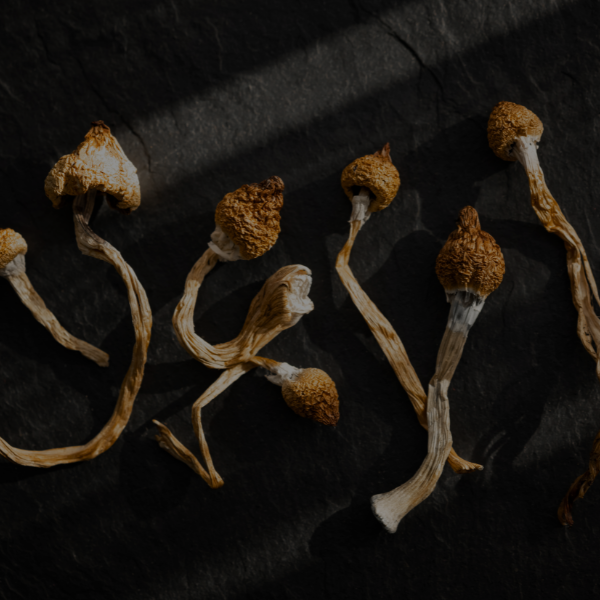
| Dried whole mushrooms | Often around 6 to 12 months in good storage, sometimes longer | Oxygen and humidity |
| Capsules | Often shorter than whole dried mushrooms if opened often | Oxygen exposure after grinding |
| Chocolates | Can hold quality well if kept cool and sealed | Heat, texture change, and fat bloom |
| Gummies | Can hold quality well if kept cool, dry, and sealed | Moisture migration and texture changes |
| Liquid extracts | Stability depends heavily on formula and packaging | Light, oxygen, and temperature |
Fresh mushrooms have the shortest window because they already contain water, which gives microbes and enzymatic change a head start. Properly dried whole mushrooms usually last the longest because removing water slows those same problems down.
Whole dried mushrooms and capsules
Whole dried mushrooms are usually the easiest format to keep stable. Less processing means less exposed surface area, and that matters. Once you grind mushrooms into powder for capsules, more of the material is in contact with oxygen every time the container is opened.
That does not make capsules a poor choice. It means convenience comes with a storage trade-off. Buyers who want easy portioning often prefer capsules, but they should expect better results from tight seals, smaller containers, and less day-to-day opening.
If you keep infused sweets and capsules in the same stash, this guide on how to store edibles without ruining texture or potency covers the handling details that matter most for mixed-format storage.
Chocolates and gummies
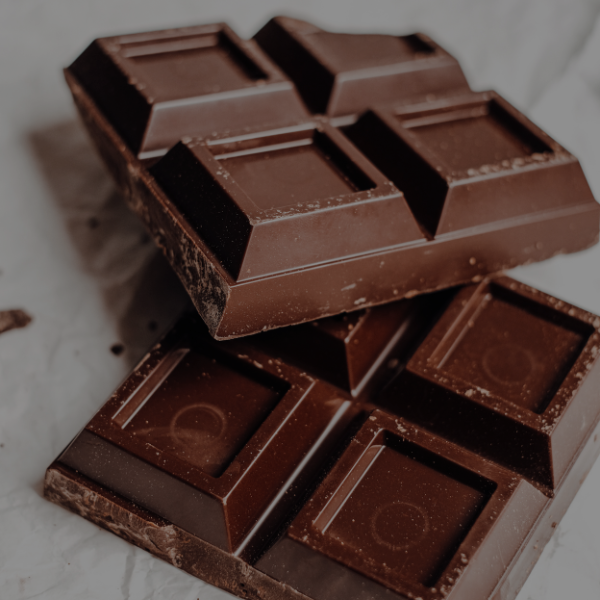
Chocolates usually protect the active material better than loose powder does, but chocolate brings its own vulnerabilities. Heat softens it, reshapes it, and can separate the fat structure enough to cause bloom. A bloomed chocolate is not automatically spoiled, but it tells you the product has been through temperature stress, which is rarely good for long-term consistency.
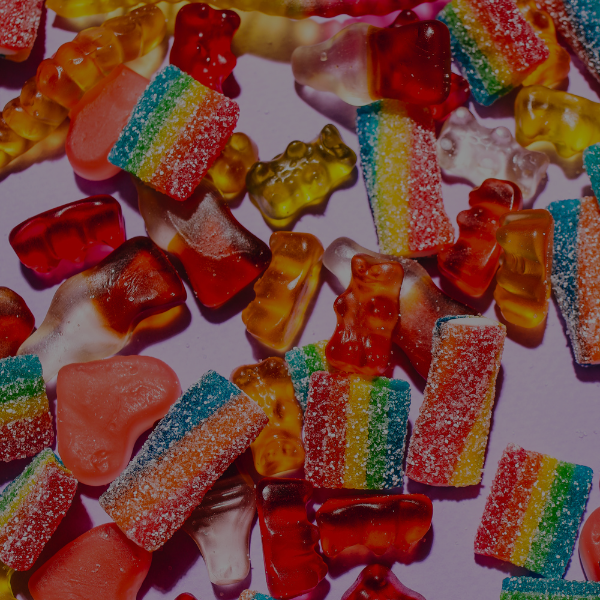
Gummies age differently. Their texture depends on a narrow moisture balance. In humid conditions, they can sweat, stick together, or turn slick. In very dry conditions, they can harden and lose their original chew. Repeated opening speeds that process up because the candy keeps exchanging moisture with the room.
Soft formats ask for more discipline.
Powders, blends, and extracts
Powders and blended products are practical for microdosing, but fine particles give oxygen more access. That is why powdered products often lose quality faster than intact dried material when storage is casual. The smaller the grind, the less room there is for sloppy sealing.
Liquid extracts vary the most. Solvent choice, bottle color, fill level, and cap quality all affect how well the product holds up. In real retail settings, extracts stored in light-blocking bottles with minimal headspace usually fare better than products in clear containers with lots of air above the liquid.
The practical takeaway by buyer type
For buyers who want the longest, simplest storage window, whole dried mushrooms are usually the safest bet. For buyers who want portability and pre-measured portions, capsules work well if they are kept dry and opened sparingly. For buyers who prefer edibles, chocolates and gummies can hold up nicely, but they need more format-specific care because texture changes often show up before obvious spoilage.
The main rule is simple. Store based on format, not category. Psilocybin products do not all age for the same reason, so they should not all be stored the same way.
Your Guide to Optimal Psilocybin Storage
You buy a product, use part of it, toss the rest in a kitchen cabinet, and come back a month later expecting the same result. Sometimes that works. Sometimes the texture shifts, the aroma flattens, or the effects feel less predictable. The difference usually comes down to storage discipline, and the reason is simple. Psilocybin products do not break down the same way across formats.
Storage works best when the setup matches what the product is vulnerable to. Dried mushrooms need protection from humidity. Chocolates need protection from heat swings. Gummies need a stable moisture balance. Capsules and powders need tighter control of air exposure because more surface area means more opportunity for oxidation.

Start with the right container
The container sets the baseline. If it leaks air or moisture, the rest of your storage plan has to work harder.
For dried mushrooms and capsules, glass jars with tight sealing lids are a dependable choice. Amber or opaque containers give extra protection from light, but a clear jar stored in a dark place also works well. Mylar bags are useful for longer storage if the seal is secure and the bag is not being opened constantly. Thin plastic bags are a short-term option at best because they let in more air and humidity than many buyers realize.
Match container size to product volume. Extra headspace means extra oxygen, and that matters more for powders, ground material, and partially used packages.
A few format-specific rules help:
- Whole dried mushrooms: Use airtight glass or sealed mylar. Avoid crushing them during transfers.
- Capsules and powders: Keep them in the original sealed container if it is high quality, or move them to a smaller airtight jar.
- Chocolates: Wrap or seal them so they are protected from odor transfer and humidity, then keep them in a cool, dark place.
- Gummies: Use a container that seals tightly enough to limit moisture exchange, especially after the original bag has been opened.
If you are storing whole dried mushrooms, properly dehydrating mushrooms before storage matters as much as the jar you choose. Packaging cannot fix material that went in with residual moisture.
Choose a location with stable conditions
A good storage spot stays boring all year. That is what preserves quality.
Closet shelves, drawers, and cool pantry areas usually work better than counters, windowsills, or bathroom cabinets. Kitchens cause problems because temperature and humidity swing more than people expect. A cabinet near the stove may feel normal day to day, but repeated heat exposure adds up. Bathrooms are even worse because steam cycles can reach the container every morning and night.
The main goal is consistency. A slightly cool, consistently dry cabinet usually protects product better than a spot that shifts from warm to cold or dry to damp.
| Storage spot | Best for | Main caution |
|---|---|---|
| Dark closet or drawer | Dried mushrooms, capsules, sealed edibles | Must stay dry |
| Pantry shelf | Short to medium storage if cool and shaded | Watch for heat fluctuations |
| Refrigerator | Some edibles or sealed products | Condensation if opened too soon |
| Freezer | Long-term, tightly sealed storage under moisture control | Moisture and condensation mistakes |
Use desiccants and vacuum sealing for the right jobs
Desiccant packs help dried products stay dry. They are useful for mushrooms, capsules, and some powdered products that will sit for a while. They are less useful for soft edibles because those products are not supposed to become bone dry, and moisture loss can damage texture before it protects potency.
Vacuum sealing helps most with dried formats. It reduces oxygen exposure and limits humidity exchange, which is why it is a strong option for longer-term storage of fully dried mushrooms. It is less practical for delicate chocolates and gummies because pressure can deform the product, and it can create a mess if the edible softens later.
This short video gives a useful visual overview of preservation habits and handling:
Refrigeration and freezing need clean technique
Cold storage can help, but only if the product is sealed well and protected from condensation. That is where people lose quality.
For chocolates, refrigeration may help in warmer homes, but the product needs a moisture-resistant wrap or container so it does not pick up fridge odor or surface moisture. Gummies can also benefit from cooler storage in some cases, though frequent temperature changes often cause texture issues. Dried mushrooms generally do better in a cool, dry cabinet unless you are storing them for a long stretch and have the packaging dialed in.
Freezing is more specialized. It can preserve dried products well when they are fully dry, portioned first, and sealed against moisture. It can also ruin a batch if you freeze material that still has internal moisture or if you open the package before it warms up. In practice, freezing rewards careful prep and punishes shortcuts.
If you freeze products, follow this order:
- Dry first: Freeze only material that is fully dry.
- Seal tightly: Use vacuum sealing or a very good airtight, moisture-resistant container.
- Portion before freezing: Smaller units reduce repeat thawing and refreezing.
- Warm before opening: Let the sealed package come closer to room temperature before breaking the seal.
The best storage setup is usually the one you will maintain. A well-sealed jar in a stable, dark cabinet beats an ambitious system that gets opened, moved, and mishandled every week.
How to Identify Spoilage Versus Normal Changes
A lot of people throw away good product because they misread normal changes. Others keep bad product because they assume every odd color shift is harmless. You need a simple filter.
The first thing to know is that blueing isn't the same as mold. Bruising in dried mushrooms can show up as blue or blue-gray areas, especially where the material was handled or compressed. That kind of color change is commonly mistaken for contamination.

What normal changes can look like
Stored products often change a little with time, even when they're still acceptable.
You might see slight darkening, mild blue bruising, minor drying in edibles, or some change in aroma intensity. Chocolate may develop surface bloom. Gummies may firm up or become a bit tacky depending on the environment. Those are quality signals, not automatic spoilage signals.
What you usually can't see clearly is gradual potency loss. That's one reason storage discipline matters so much. Potency drift often happens before obvious visual failure.
What spoilage looks, smells, and feels like
Spoilage is more about contamination and breakdown than harmless cosmetic change. Use your senses together, not one at a time.
- Look for fuzzy growth: White, green, or black fuzzy spots are a major warning sign.
- Check the surface: Sliminess, wet patches, or visible moisture inside the package suggest trouble.
- Smell the product: Musty, sour, stale, or sharply off odors are different from a natural earthy smell.
- Feel the texture: Dried mushrooms should feel dry and brittle, not bendy and damp. Gummies and chocolates should feel stable, not sweaty or leaking.
If a product looks wet when it should be dry, or smells off when it should smell earthy or neutral, don't try to rationalize it.
When in doubt, trust the simplest rule
You don't need to over-diagnose every small change. If the product shows signs of contamination, discard it. If the product looks dry, smells normal, and has been stored well, minor visual variation usually isn't the issue.
The hard part is that spoilage can be visible, while potency loss often isn't. That's why people who want consistent results focus less on “Can I save this?” and more on “How do I prevent this from happening at all?”
Frequently Asked Questions About Psilocybin Longevity
Is it better to freeze or refrigerate my products
It depends on the format and how carefully you can manage moisture. Refrigeration can help some products, especially certain edibles, but only if the container is sealed tightly and you avoid condensation when opening it. Freezing can be stronger for long-term preservation, but only when the product is fully dry, tightly sealed, and protected from moisture before and after thawing.
If you can't control condensation well, a cool dark storage spot is often the safer everyday choice.
Does grinding mushrooms into powder affect shelf life
Yes, usually in a negative way from a preservation standpoint. Grinding increases surface area, which gives oxygen more contact with the material. That's why powdered mushrooms and capsules need more careful sealing than whole dried mushrooms.
For long storage, keep mushrooms whole until you're close to using them. Grind only what you need when practical.
Can I test the potency of my stored products at home
Not in a precise way with normal household methods. You can inspect for spoilage, dryness, aroma, and texture, but those checks don't give you a reliable potency measurement. A product can look fine and still have lost strength over time.
That's why the best approach is preventative. Buy formats you can store well, seal them properly, keep them cool and dark, and avoid unnecessary opening.
Do gummies and chocolates last the same way as dried mushrooms
No. They can remain in good condition when stored well, but their ingredients change the preservation picture. Chocolate is more sensitive to heat and texture shifts. Gummies are more sensitive to moisture movement and repeated air exposure. Dried whole mushrooms are usually easier to preserve because the format is simpler and drier.
What's the simplest way to improve psilocybin shelf life right now
Move the product into an airtight container, keep it in a cool dark dry place, and stop opening it more often than necessary. Those three changes solve most avoidable storage problems.
If you want well-made products and practical education in one place, The Magic Mushroom Delivery is a solid resource for adults 21+ exploring dried mushrooms, chocolates, gummies, capsules, and other mushroom products. Their site also offers straightforward guides that make storage, handling, and product selection easier to get right from day one.