
Psilocybin use among U.S. adults rose from 10.0% in 2019 to 12.1% in 2023, and the increase was especially pronounced among adults over 30, whose past-year use rose by 188% according to the CU Anschutz survey summary. That rise matters because psilocybin mental health is no longer a fringe topic. It now sits inside a broader search for relief from depression, anxiety, chronic pain, and other difficult conditions that are often hard to treat.
A person scanning headlines about “magic mushrooms” can easily come away with a one-sided view, either all hype or all danger. The clearer view is more useful. Psilocybin is being studied in controlled clinical settings, while everyday use is expanding faster than many readers may expect. Those two realities create the central tension in this topic. The science is promising, and the questions about safety, setting, and who may or may not be a good fit matter just as much.
Researchers want to understand how a single compound can influence mood, perception, and meaning-making. Clinicians want to know which patients may benefit, which patients may be at higher risk, and how to separate supervised care from unsupervised use. Public-health experts are also paying attention because the people using psilocybin are not a single group. They include adults with mental-health concerns, people living with chronic pain, and others who are trying to find relief outside standard care.
This guide begins with what psilocybin is and how it works, then examines the clinical evidence, the brain mechanisms, the main safety concerns, and the practical steps that matter before, during, and after any supervised experience. By the end, you'll have a clearer sense of what the research shows, where the gaps remain, and why careful integration matters as much as the substance itself.
Introduction to Psilocybin and Mental Health
Psilocybin is drawing attention because it sits at the intersection of clinical research and everyday use. That makes the conversation more complicated than a simple yes-or-no question. People are asking whether it changes mood in the brain, what controlled trials show, and how real-world use compares with supervised care.
Why this compound keeps coming up
A useful way to approach psilocybin mental health is to keep three questions separate. First, what does the compound do in the brain. Second, what do clinical trials show. Third, what happens when people use it outside a medical setting. Online discussions often blend those questions together, which makes the topic harder to understand than it needs to be.
Researchers are interested because some supervised studies report fast changes in mood and perspective after a single session. Clinicians are interested because the people seeking psilocybin are not all the same, they may be living with depression, anxiety, chronic pain, or other burdens that do not respond easily to standard care. Public-health experts are interested for the same reason, because a compound studied in clinics is also being used by people in ordinary settings, with different levels of support, preparation, and risk.
A practical way to read the evidence is to treat psilocybin like a tool that only works well under the right conditions. A microscope can reveal details, but only if it is focused correctly. Psilocybin research raises a similar question, whether a specific person, with a specific history, in a specific setting, might benefit from a carefully structured process.
What Psilocybin Is and How It Works
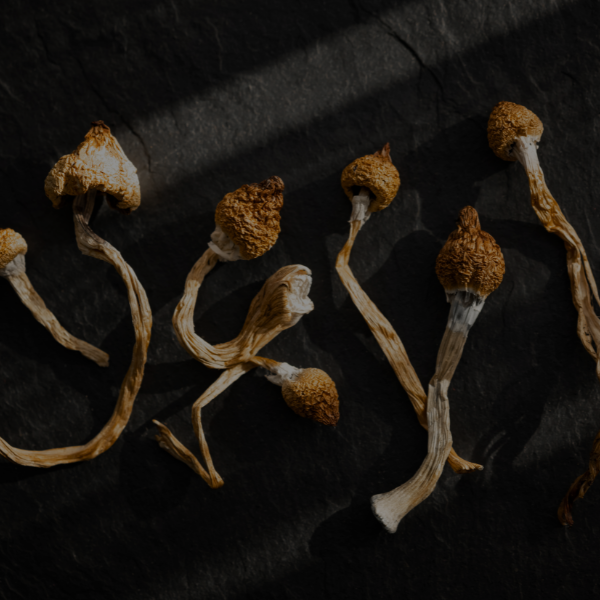
Psilocybin is a naturally occurring psychedelic compound found in more than 200 mushroom species. In the body, it is converted into psilocin, the active form that interacts with serotonin receptors in the brain. The process is easier to follow if you separate the substance from its effect. Psilocybin is the starting compound, psilocin is the form that does the signaling, and serotonin receptors are part of the brain's communication system that helps shape perception, mood, and attention.

Forms, doses, and the role of context
People encounter psilocybin in several forms, including raw mushrooms, capsules, chocolates, gummies, and other infused products. The form changes convenience and dosing consistency, but it does not change the core point that the active ingredient is still psilocybin. Dose matters, and so does set and setting, meaning the person's mindset and the physical and social environment around them.
Microdosing is often framed as a productivity or mood strategy, while higher doses are more likely to produce pronounced perceptual shifts and emotional intensity. That difference matters, but dose alone does not determine the experience. Two people can take the same amount and still have very different outcomes depending on sleep, stress, expectations, support, and whether they are in a calm, supervised environment.
Practical rule: psilocybin is not just a substance, it is an experience shaped by preparation, surroundings, and the person taking it.
That is why preparation matters nearly as much as chemistry. A carefully guided session can feel structured and tolerable, while a poorly planned one can become disorienting or unsettling. The molecule opens the door, but the context determines how safely someone walks through it.
For readers who want a closer look at duration, aftereffects, and other considerations, this overview of long-term effects is a useful companion reference.
Reviewing Clinical Evidence for Psilocybin Mental Health
The clinical picture for psilocybin mental health is clearer than the headlines sometimes suggest. Controlled trials matter more than anecdotes because they let researchers compare psilocybin with placebo conditions, supportive care, and different dose levels in a structured way. In a 2023 BMJ meta-analysis of seven studies with 436 participants, psilocybin produced a large antidepressant effect, with Hedges' g = 1.64 and P < 0.001 as summarized in the research review. That is a strong signal, but it still leaves room for differences in who benefits, how much support is needed, and which settings are appropriate.
Depression and related mood outcomes
Several randomized trials show that a single 25 mg oral dose paired with psychological support can improve depressive symptoms in a meaningful way. In one 104-participant randomized, placebo-controlled 6-week study, the 25 mg dose beat active placebo, with rapid and sustained benefits and no serious treatment-emergent adverse events reported in the JAMA trial. In another phase 2 study of treatment-resistant depression, 25 mg outperformed 1 mg at 3 weeks, while 10 mg did not separate clearly from the low-dose control. That pattern points to a dose-response threshold, where a dose may need to cross a certain level before the clinical effect becomes clear.
The broader pooled evidence supports that pattern. A meta-analysis of 6 randomized controlled trials with N=427 found a 1-week between-group standardized mean difference of -0.72 for depression ratings, and the effect remained similar at later follow-up points in the PubMed meta-analysis. In a trial summarized by Dana-Farber, 50% of participants were in full remission one week after a single dose, and 80% had a positive response that lasted at least 8 weeks as reported in the PubMed-linked summary. For readers who want a broader look at what can happen after treatment, including persistence and follow-up questions, this overview of long-term effects adds useful context.
Anxiety in life-threatening illness and other conditions
The cancer literature matters because it shows psilocybin studied with emotional support and structured follow-up, not just as a standalone substance. In one randomized, double-blind, crossover study of patients with life-threatening cancer, participants received either very low doses of 1 or 3 mg/70 kg or high doses of 22 or 30 mg/70 kg, with 5 weeks between sessions and a 6-month follow-up period. The high-dose condition produced substantial and enduring decreases in depressed mood and anxiety as described by the National Cancer Institute.
A phase 2 open-label cancer trial paired a 25 mg dose with therapist support before, during, and after dosing, and the published protocol describes both individual and group therapeutic support in the PubMed record. Another cancer-focused randomized trial used three 2-hour preparatory psychotherapy sessions over 2 weeks, an 8-hour supervised medication session, and four 2-hour debriefing and integration sessions over the following 8 weeks as summarized by the National Cancer Institute. That structure helps explain why the same compound can look promising in one setting and much less predictable in another. The support model is part of the intervention, much like a surgery outcome depends on both the operation and the recovery plan.
Where the evidence is thinner
The biggest gap is not whether psilocybin can help some people, but whether the current evidence represents the people most likely to seek it. Reviews note that vulnerable or underserved groups have been neglected in the clinical literature, and one evidence review found no trials for PTSD and no trials for racial trauma in the review indexed here. That matters for real-world use because trial participants are often carefully screened, relatively homogeneous, and supported by trained clinicians. Someone from a group that has been left out of the research, such as people living with racial trauma, complex trauma, unstable housing, or limited access to specialty care, may face different risks, different stressors, and different barriers to integration than the average trial participant.
For those readers, the gap is practical, not abstract. It means the evidence can inform a decision, but it cannot fully predict how psilocybin will interact with cultural context, trauma history, medication access, or the availability of follow-up care. A person in an underrepresented group should look for settings that include careful screening, clear support before and after dosing, and clinicians who can adapt preparation and integration to lived experience rather than assuming one protocol fits everyone.
The fairest summary is straightforward. Psilocybin has a credible antidepressant signal, supportive data in anxiety tied to serious illness, and early evidence in other areas. It also has gaps in representation, durability, and real-world generalizability that still need serious study.

How Psilocybin Works in the Brain
At the receptor level, psilocin's action on serotonin systems seems to loosen rigid patterns in how the brain talks to itself. The most useful metaphor is traffic. Some networks function like busy highways with fixed routes, and psilocybin temporarily opens side streets and alternative pathways, which can make thoughts feel less locked in and emotions feel less stuck.
From receptors to networks
That shift helps explain why people describe altered perspective, increased emotional openness, or a sense that old patterns can be seen from a distance. The molecule doesn't magically “solve” a problem. It appears to change how strongly the brain holds certain assumptions in place, which can make room for new interpretations during therapy and integration.
A lot of public conversation focuses on the trip itself, but the more important process is what happens after. If a person can revisit the experience in a calm setting, reflect on it, and connect it to behavior change, the brain state becomes clinically meaningful rather than just unusual.
The value of psilocybin isn't only in unusual perception. It's in whether that temporary flexibility leads to durable insight, better emotional regulation, and healthier action afterward.
That's also why the same session can feel helpful to one person and destabilizing to another. The brain changes are real, but how those changes get used depends on support, timing, and the person's baseline mental health. For a deeper neuroscience-oriented overview, this brain-focused explainer is a helpful companion.
Safety Risks and Contraindications
Psilocybin can affect mood, attention, and perception in ways that are not always predictable. The NIH's NCCIH notes that microdosing can cause insomnia, increased anxiety, poor mood, headache, and impaired focus in its safety guidance. That is a useful correction to the idea that natural products automatically mean gentle effects.

Who needs extra caution
People with a personal or family history of psychosis should be screened carefully before any psilocybin exposure. The same caution applies to anyone with unstable cardiovascular concerns or medication combinations that could complicate a supervised session. These issues do not automatically rule out every possibility, but they do point to the need for expert review instead of self-directed experimentation.
A clinic is like a checkpoint before a long drive. It helps catch problems that are easy to miss if someone only looks at the road ahead.
Unsanctioned use creates a different kind of risk. Public-health reporting has linked psilocybin-related poison-center calls with sharp increases over time, including especially large rises in adults, teens, and children in the CU Anschutz summary. Those figures do not explain every case, but they do show that accidental exposure, dosing mistakes, and poor supervision are real concerns.
Screening questions worth asking
Before any use, a person should ask:
- Do I have a personal or family history of psychosis or bipolar instability?
- Am I taking medications that a clinician should review first?
- Is my heart health stable enough for a supervised session?
- Do I have support if anxiety, confusion, or a bad reaction shows up?
- Am I seeking clinical care, or trying to self-manage symptoms without guidance?
The safest answer usually starts with a clinician, not a guess. Even in promising studies, benefits came with structure, screening, and follow-up. That is the difference between treatment and gamble.
Navigating Legal Access and Clinical Pathways
A supervised psilocybin pathway begins with setting, credentials, and screening, not with the product itself. In the U.S., access is still limited to research clinics, regulated state programs, and approved trials rather than casual self-selection. The first question is simple: is the provider working inside a supervised framework, or outside it?
How to look for a legitimate pathway
A careful screening process usually starts with three checks. First, ask whether the service is part of a clinical trial, a licensed facilitation program, or another supervised model. Second, confirm who handles medical screening and psychological preparation. Third, read the consent materials closely so you understand what is monitored, what follow-up looks like, and what support exists if symptoms worsen afterward.
That matters because a psilocybin session is more than the compound alone. The people present, the screening process, and the follow-up shape the whole experience, much like the frame and support determine whether a bridge can carry weight safely. A clinic that cannot explain those parts clearly is giving a warning sign.
Where careful consumers can start
Some people will qualify for research participation, while others will be better served by waiting for more established clinical pathways or by using other treatments first. If you are comparing options, look for plain-language descriptions of preparation, supervision, and integration. As an example of a consumer-facing resource, sites like The Magic Mushroom Delivery often pair product information with educational materials, but any buyer is still responsible for their own due diligence, including product handling, local rules, and medical guidance.
Good access is transparent access: clear screening, clear supervision, clear follow-up.
If you are unsure where to start, begin with informed consent questions. Who is present during dosing. What happens if anxiety rises. How is dose chosen. What clinical training does the facilitator have. Those answers tell you more than marketing ever will.
A practical planning aid can also help organize the basics before a supervised session, especially when someone is trying to compare options or prepare questions for a clinician. The trip preparation checklist is one way to structure that conversation.
Practices for Harm Reduction and Integration
A psilocybin session does not begin when the substance is taken, and it does not end when the acute effects fade. Preparation lowers confusion, support during the session can keep fear from spiraling, and integration helps translate a temporary experience into a lasting change in habits or perspective. The sequence matters because insight without follow-through can become little more than a vivid memory.

Three phases that keep the process grounded
Preparation. Set a clear intention, choose a trusted sitter or trained facilitator, and make the setting calm and familiar. A cluttered or unpredictable room can pull attention away from the experience and make it harder to settle.
Support during the session. Use grounding tools such as slow breathing, reassuring language, and simple sensory anchors. Music can be helpful, but it should be chosen with care, since the wrong playlist can feel distracting or even unsettling.
Integration. Write down what stood out, talk it through with a therapist or another trusted professional, and connect one insight to one concrete habit. Small changes are easier to maintain than broad resolutions that never get put into practice.
A practical planning aid can help with the basics before a supervised session, especially for people who are comparing options or preparing questions for a clinician. The trip preparation checklist gives a simple way to organize those details before dosing.
Cultural context matters here, too. Care needs can differ for people whose experiences with trauma, trust, or healing are shaped by race, identity, or community history, so integration should not be treated as one-size-fits-all. Good practice makes room for those differences instead of assuming that everyone arrives with the same background or the same path to meaning.
Conclusion and Next Steps for Psilocybin Mental Health
Psilocybin mental health research now sits on a serious foundation, not just a cultural trend. The evidence shows a meaningful antidepressant signal, promising results in anxiety tied to serious illness, and a clear need for better data in underrepresented groups. It also shows that safety, screening, supervision, and integration are not side issues, they're the conditions that make the topic clinically meaningful.
If you want to keep learning, focus on sources that separate trial data from marketing. Look for clinical trial registries, hospital or university psychiatry programs, and professional organizations that discuss psychedelic therapy with nuance. Pay special attention to whether a program explains preparation, contraindications, and post-session support in plain language.
The most responsible path forward is the one that treats psilocybin as a tool, not a shortcut. Used carefully, it may expand treatment options and personal insight for some people. Used casually, it can create avoidable problems.
If you want a straightforward place to explore psilocybin products and educational resources in one place, visit The Magic Mushroom Delivery. Their site combines product categories with guidance on effects, dosing considerations, and responsible use, which can help adults compare options while keeping safety in view.