
You're holding a chocolate square, gummy, or capsule and trying to answer a deceptively simple question: how many milligrams is this? That number can determine whether the experience feels manageable or far stronger than expected. The challenge is that “mg” only helps when you know which active compound it measures, whether it applies to one serving or the whole package, and how the product was made.
THC edibles offer a useful reference because regulated markets have developed clear rules around serving size and total container content. Psilocybin and functional-mushroom products require more careful interpretation, since the same milligram language doesn't automatically describe the same kind of effect. This guide builds a practical framework for reading labels, comparing formats, and making conservative decisions without treating any number as a guarantee of safety.
Why the Mg Limit Is the First Number You Need to Learn
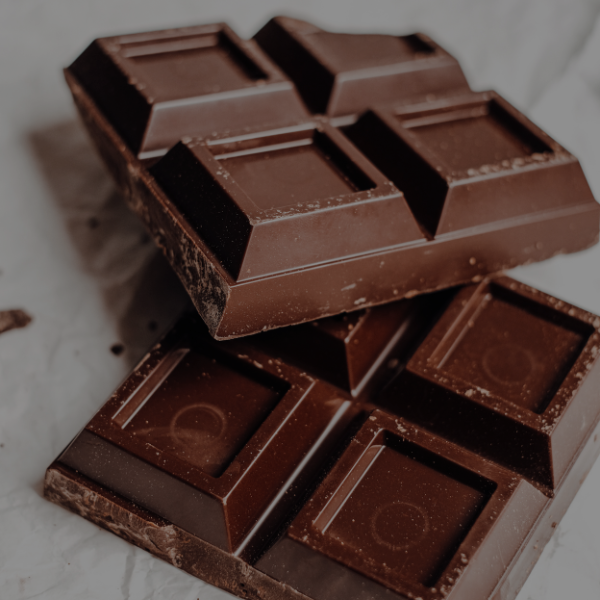
A friend passes you a chocolate bar and says, “Try a square.” Before you eat it, you ask how many milligrams it contains. That question matters more than the shape, flavor, or product name because the square itself doesn't tell you how much active ingredient is present.
A small-looking piece might contain a clearly measured serving, or it might be part of a bar whose total contents are divided unevenly. Counting pieces without reading the label can create a false sense of precision. One square from a carefully portioned product and one hand-cut piece from homemade chocolate may look identical while delivering very different amounts.
Milligrams create a common reference point
Milligrams are the basic measurement for comparing edible doses. They let you evaluate a gummy, chocolate, drink, tea product, or capsule using the same starting question: how much of the named active ingredient is in this serving?
That doesn't mean the compounds behave identically. THC, psilocybin, and compounds found in functional mushrooms differ in chemistry, onset, duration, and subjective effects. The number gives you a measurement, not a prediction.
Practical rule: Read the active ingredient and the milligrams per serving before deciding whether a product is appropriate for you.
A useful calculation is simple: total active milligrams in the package divided by the number of servings equals milligrams per serving. A label may already provide this information, but checking the arithmetic can reveal whether you're looking at package content or individual-unit content. A dedicated mushroom dose calculator can also help organize the label math, especially when a package contains several pieces.
The first decision should therefore be measurement, not consumption. Once you know the serving number, you can consider your experience level, the product format, food timing, and the possibility of delayed effects.
What an Edibles Mg Limit Means in Plain Language
Think about coffee. A small espresso and a large Americano can contain different total volumes while still being discussed in terms of the coffee compound delivered. With edibles, the important question is not how large the gummy or chocolate looks. It's how much active ingredient is contained in the serving you're considering.
The phrase edibles mg limit can refer to two different boundaries. A serving limit applies to one portion, such as one gummy or one marked chocolate square. A package limit applies to everything in the container. Confusing those terms is one of the easiest ways to underestimate a dose.
For example, a bar containing 100 mg divided into ten 10 mg squares gives you smaller, identifiable portions. A single 100 mg gummy presents the entire amount as one unit. The package total is the same, but the practical risk is different because the serving structure changes how easily someone can control the amount.

Use a three-question label check
Before interpreting any number, ask:
- What compound does the number measure? THC milligrams aren't interchangeable with psilocybin milligrams or the total milligrams of a functional-mushroom blend.
- Is the number per serving, per piece, or per package? These labels can describe very different quantities.
- Are the servings physically separated? Scored squares, individually wrapped pieces, and clearly portioned capsules make measurement easier than an unmarked bar.
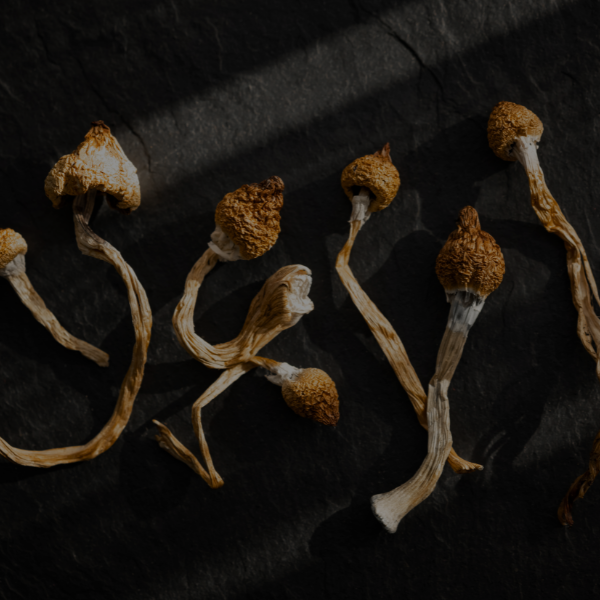
The same logic applies across edible psychedelic mushroom products, but the interpretation still depends on the active compound. A functional-mushroom product may list the combined weight of mushroom material or extracts, while a psychoactive product may identify a specific active compound. Treat the label as a starting point for understanding, not as proof that two products with the same number will feel alike.
Dose Ranges and What Each Mg Tier Feels Like
A familiar THC label can provide a useful starting framework, but it cannot be copied directly onto mushroom edibles. Consumer dosing guidance describes THC ranges such as 1–3 mg as a microdose, 3–5 mg as a novice starting dose, 5–10 mg as moderate, and 10–20 mg as strong, with advice to wait at least 2 hours before taking more because effects may continue increasing. These ranges come from consumer dosing guidance, not from a universal psilocybin standard.
Use the framework to ask better questions, not to convert one compound into another. A psilocybin milligram amount does not equal the same THC amount, and the total weight of a functional-mushroom blend may measure mushroom material or extract rather than a specific active compound. Species, extraction method, alkaloid concentration, and formulation all affect what the number represents.
The table below uses the dried-equivalent examples specified for this guide. Read it as a map of possible intensity, not a forecast. Onset and duration can vary substantially between products and individuals.
Psilocybin edible dose tiers compared
| Dose Tier | Mg Range, approximate | Dried Equivalent | Onset | Duration | Typical Effects |
|---|---|---|---|---|---|
| Microdose | Product-dependent | 0.5–1 g dried-equivalent example | Delayed and variable | Variable | Subtle changes in mood, attention, or body awareness |
| Low perceptual | Product-dependent | 1–2 g dried-equivalent example | Delayed and variable | Variable | Noticeable sensory or emotional changes with greater impairment potential |
| Moderate | Product-dependent | Above a low perceptual amount | Delayed and variable | Variable | More pronounced perceptual, cognitive, and emotional effects |
| High exploration | Product-dependent | 3 g-plus dried-equivalent example | Delayed and variable | Variable | Intense effects requiring careful planning and support |
The practical rule is simple: compare only products using the same measurement system. First identify the compound, then confirm whether the amount describes an active ingredient, mushroom material, extract, serving, or package. A psilocybin dosage guide offers further context, while still leaving uncertainty when labels are inconsistent or sensitivity differs.
Body Weight, Tolerance, Food, and Potency Factors
The same labeled amount can land differently for two people. Body size and composition may influence distribution, but they don't create a dependable formula for converting weight into a universally correct edible dose. A 130-pound first-time user and a 200-pound experienced user could consume the same stated 2 g dried-equivalent amount and report very different experiences.
Experience matters because repeated use can change perceived intensity. Someone who has developed tolerance may notice less from a familiar amount, while a person without prior exposure may find it unexpectedly powerful. Tolerance also doesn't make a product predictable, especially when the label describes total mushroom material rather than a measured active compound.
Food and metabolism change the picture
Stomach contents can affect how quickly an edible begins to feel noticeable. Rich or fatty food may also influence absorption for some mushroom preparations, while an empty stomach can produce a different timing experience. These variables make it risky to compare two sessions unless you record what and when you ate.
Individual metabolism adds another layer. Liver enzyme variation can affect how the body processes orally consumed compounds, and hydration can influence comfort, nausea, headache, and general wellbeing. None of these factors can be reduced to a precise adjustment that works for everyone.

Product consistency may matter most
A professionally portioned product with a clear serving statement is easier to interpret than an unmarked homemade chocolate. Extraction methods and mushroom species can alter potency, while uneven mixing can leave one piece stronger than another. A package that lists only “500 mg mushrooms” may be describing mushroom material, not 500 mg of a psychoactive active compound.
That's why label numbers never tell the full story. You still need to ask whether the serving is measured consistently, whether the product identifies the active ingredient, and whether the stated amount refers to one piece or the entire package.
Serving Limits Versus Package Limits Across Markets
THC regulation shows why serving limits and package limits must be read separately. In Canada, legal edible cannabis cannot exceed 10 mg of THC per immediate container, a cap established in the 2018 regulations for newer cannabis categories that came into force in 2019, according to Health Canada's classification guidance. A container may hold multiple pieces only when their combined THC remains within that ceiling.
Current Canadian consumer guidance continues to state the 10 mg maximum per container, while British Columbia gives an example showing that a larger multipack can contain multiple sealed low-dose packages without allowing a high-dose package structure. The distinction protects against treating the number of pieces as permission to increase total THC, as explained by Health Canada's intoxicating-cannabinoid guidance.
Massachusetts uses a different structure. Its rules allow no more than 5.5 mg of active THC per serving, and a package may contain no more than 20 servings or 110 mg of active THC. The regulation also requires the THC to be homogeneous throughout the edible, according to Massachusetts cannabis regulations.
The market comparison
| Jurisdiction | Max per Serving | Max per Package | Legal Status |
|---|---|---|---|
| Canada | 10 mg THC | 10 mg THC per immediate container | Regulated edible cannabis framework |
| Massachusetts | 5.5 mg active THC | 110 mg active THC | Regulated adult-use framework |
| Connecticut | 5 mg THC | Depends on product and sale format | Regulated serving framework |
| Other U.S. states | Varies | Varies | Rules differ by jurisdiction |
A review of U.S. state rules found 13 states with a 10 mg edible serving limit and 3 states with a 5 mg limit. It also reported that all 17 states with potency restrictions capped total THC per product or package, as summarized in this public health policy review. Connecticut law sets a standardized edible or beverage serving at no more than 5 mg THC, and products without clearly separable servings may contain no more than 5 mg per unit of sale, under Connecticut's cannabis statute.
These THC models inform label discipline, but they don't establish a universal psilocybin limit. A legal ceiling, where one exists, is a boundary for manufacturing or sale, not a personal dosing recommendation.
A Safe Escalation Plan for First-Time and Returning Users
A cautious approach starts with the smallest clearly measured amount that matches your goal. For the dried-equivalent framework used here, that may mean beginning with a 0.1 to 0.3 g equivalent microdose, then observing the result instead of assuming the next increase is necessary.
Use one session as an information-gathering exercise. Record the product, stated serving, time taken, food, mood, anxiety, sleep, and body sensations. If you change several variables at once, you won't know which factor caused the difference.
Build the session around patience
A conservative plan can follow this sequence:
- Check the label. Confirm active compound, serving amount, package amount, and whether pieces are evenly portioned.
- Choose a clear setting. Avoid driving, demanding obligations, unfamiliar environments, and situations where you must make important decisions.
- Start low. Use the smallest measured amount that fits your experience level.
- Wait before judging. Edible effects can be delayed, and guidance for orally ingested THC advises waiting at least 2 hours before taking more because effects may intensify over 2 to 3 hours, as described in British Columbia consumer guidance.
- Change one variable. Don't increase the amount, switch products, and alter your food timing in the same session.
For a stronger experience, a sober, trusted person can provide practical support. Keep water available, protect the product from children and pets, and avoid combining intoxicating substances. Returning users should also recognize that repeated use can change tolerance, so a previous comfortable session doesn't guarantee the same response after a break or product switch.

The proposed escalation ladder should remain gradual rather than chasing a named “hero dose.” Stay at the microdose level until your response is familiar, move toward a perceptual level only when the product and setting are understood, and reserve intense experiences for situations with appropriate preparation and support. If anxiety, sleep disruption, or unpleasant body load appears, treat that as useful feedback to pause rather than a challenge to overcome.
Common Mistakes and Misconceptions About Mg Limits
Higher milligram numbers don't automatically mean a better experience. They may mean more impairment, stronger anxiety, or a greater chance that the product overwhelms your plans. The number must be interpreted alongside the active compound, serving format, and consistency of the product.
A 10 mg psilocybin chocolate and a 500 mg functional-mushroom capsule aren't interchangeable. The first label may refer to a psychoactive compound, while the second may refer to the combined weight of mushroom ingredients or extracts. Treating both as the same kind of “strength” is a category error.
Errors that create avoidable surprises
- Confusing package and serving content: A package total doesn't tell you what one piece contains unless the serving count is clear.
- Redosing too soon: Delayed onset can tempt people to add more before the first serving has fully developed.
- Mixing substances: Alcohol and stimulants can complicate impairment, anxiety, heart-rate sensations, and judgment.
- Ignoring the setting: A familiar amount can feel harder to manage in a crowded, stressful, or unfamiliar environment.
- Trusting homemade extraction math: Uneven mixing can make two pieces from the same bar differ substantially.
There's no universally established safe THC dose for every person, and GoodRx's dosing overview notes that official safe-amount recommendations don't exist. Clinical-style guidance can describe ranges, but those ranges don't turn individual reactions into predictable outcomes. The same caution applies even more strongly when mushroom products use inconsistent terminology or don't disclose a specific active compound.
A label is a hypothesis about dose until you understand what the milligrams measure and how reliably the product is portioned.
The most useful mindset is conservative escalation. Start with information, not bravado, and treat discomfort as a reason to stop and reassess.
Putting It All Together Before Your Next Experience
Before taking an edible, run through the label in a fixed order. First identify the active compound. Then find the amount per serving, the total amount in the package, the number of servings, and whether each unit is separated or evenly marked.
Next, match the product to your experience and circumstances. A first-time user should favor a clearly measured, low starting amount rather than selecting a product because its package displays a larger total. Body size, tolerance, food, metabolism, and product consistency all influence the result, so the label can guide the decision without making it for you.
A simple evening checklist
- Read the serving statement: Don't rely on piece count or package appearance.
- Plan food timing: Note what you've eaten and when, since stomach contents can affect onset.
- Protect the schedule: Keep the rest of the day free from driving and important obligations.
- Set a redose boundary: Wait until the initial serving has had enough time to develop. For cautious planning, use a minimum interval of 90 minutes before considering any change, while recognizing that oral effects can continue rising beyond that point.
- Arrange support: A sober sitter is sensible for higher-intensity experiences or unfamiliar products.
- Write down the result: Record amount, timing, food, mood, anxiety, sleep, and body load.
The right edibles mg limit isn't the largest amount a package permits. It's the smallest measured amount that fits your intended effect while leaving a comfortable margin for uncertainty. That principle works across THC-style label discipline, psilocybin products, and functional-mushroom formulas, even though the compounds themselves aren't equivalent.
Keep the process consistent. Change one product or variable at a time, wait long enough to observe the full response, and use your notes to make future decisions more predictable.
The Magic Mushroom Delivery offers raw mushrooms, infused chocolates, gummies, capsules, and mushroom coffee, alongside educational resources about effects, duration, and dosing considerations. Review the product information carefully, compare serving and package amounts, and visit The Magic Mushroom Delivery to explore clearly organized mushroom product categories and discreet delivery options.