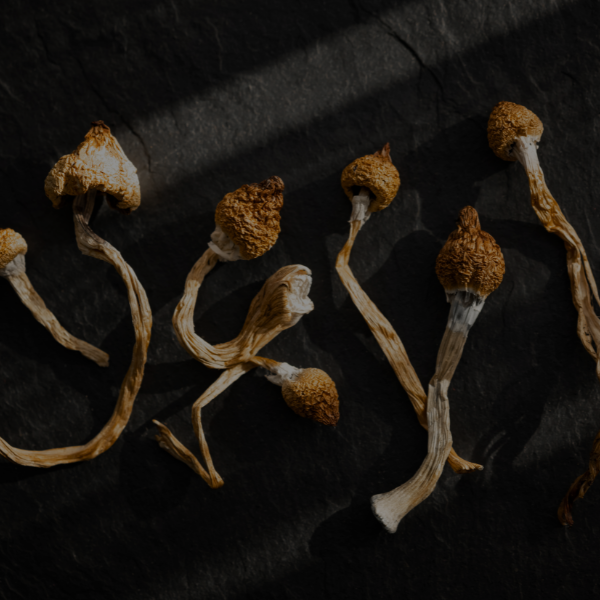

You've just finished harvesting a fresh flush. The mushrooms look healthy, but they're heavy, soft, and already beginning to change. That window after harvest matters because fresh fruiting bodies contain roughly 90% water by weight, and residual moisture gives enzymatic and microbial spoilage room to work. Research on Psilocybe mushroom chemistry connects incomplete drying and oxygen exposure with oxidation of psilocybin and psilocin, including the formation of blue-colored polymeric derivatives.
The practical objective isn't to make the mushrooms lighter. It's to remove enough available water, gently enough, that the dried material becomes stable before heat, oxygen, light, and humidity erode its quality. The best approach combines an efficient first stage with a controlled finishing stage, followed by disciplined storage.
Why Proper Drying Determines Your Mushroom Experience | How to Dry Psilocybin Mushrooms
A harvest can look finished while its preservation is only beginning. After weeks of managing substrate, humidity, and fruit development, cultivators often treat drying as cleanup. That shortcut can decide whether the final material stays stable or loses quality before it is stored.
Fresh mushrooms contain roughly 90% water. A cracker-dry mushroom usually reaches about 7–10% moisture or lower after dehydration, according to this review of Psilocybe mushroom preservation. Water supports chemical reactions and gives microorganisms room to grow, particularly when thick stems or caps are sealed before their centers finish drying. The practical target is a moisture-to-potency threshold: remove enough available water to stabilize the material without exposing it to unnecessary heat, oxygen, or light.

The first preservation decision
A dense harvest spread on a towel in a warm room may feel dry on the surface before the interior is ready. Thick stems and caps hold moisture longer. Once sealed, that moisture migrates outward, softening the batch and increasing spoilage risk.
Use a two-stage workflow instead. First, remove surface moisture with steady airflow or a controlled dehydrator setting. Then finish the mushrooms until the thickest pieces snap cleanly rather than bend. This staged approach limits the time wet tissue spends exposed while preventing premature packaging.
Air exposure also affects surface chemistry. Bruising alone does not prove potency loss, but wet tissue left exposed creates conditions where oxidation can become more significant. The comparison of dried and fresh mushrooms shows the practical distinction: fresh material remains perishable, while properly dried material can be packaged and monitored.
Practical rule: Treat drying as part of cultivation, not as a storage chore after cultivation ends.
Why visual appearance isn't enough
A mushroom can look dry and still bend at its thickest point. That is an unfinished batch, not a reliable endpoint. Check the largest stems and caps, because thin pieces often reach the finish first.
The useful test is structural. Properly dried material should snap cleanly instead of flexing or feeling leathery. The workflow matters as much as appearance: quality can decline during surface drying, finishing, packaging, and the early storage period. A controlled finish gives the batch a better chance of crossing the stability threshold before it enters an airtight container.
The Science Behind Moisture and Potency Loss
A mushroom may feel dry in your hand and still carry enough available moisture to soften in storage. Water activity, written as aw, measures how much water remains available for microbial growth and chemical reactions. Moisture percentage measures water by weight, so it cannot define storage stability on its own. For long-term storage, aim for water activity below 0.6. Below 0.5 is better, while 0.3 or lower is preferred for maximum shelf life, according to this water activity storage guide.
That distinction sets the moisture-to-potency threshold. Thick stems and dense caps dry last, and an airtight container traps any residual moisture brought into it. A batch can therefore pass a visual check while remaining vulnerable to softening, microbial growth, and faster chemical change. For a practical explanation of what causes shrooms to lose potency, focus on moisture, oxygen, heat, and light acting together rather than on appearance alone.

Moisture and oxidation work together
Wet tissue exposed to air creates a poor preservation environment. Oxidation can affect psilocybin and psilocin, and blue-colored polymeric derivatives may form. Bruising alone does not establish a specific potency loss, but prolonged exposure while tissue remains wet increases the conditions for unwanted chemical change.
Psilocin is less stable than psilocybin under unfavorable storage conditions. The practical response is a two-stage workflow: remove surface moisture first, then finish the thickest pieces until they reach a completely dry, stable endpoint. Limit oxygen and light during handling, and avoid unnecessary heat.
The useful thresholds
A cracker-dry endpoint is more dependable than a timer. Fresh mushrooms can contain roughly 90% moisture, while independent dehydration analysis has reported dried samples around 7–8%. The exact result varies with size, density, and airflow, so use those figures as context rather than a substitute for checking the batch. The preservation review explains why water activity matters beyond visible dryness.
Temperature control remains conservative. Keep a dehydrator at 95°F, or 35°C, or lower, with approximately 90–95°F, or 32–35°C, commonly used to remove moisture while limiting damage to active compounds. This low-temperature drying guide covers that range. A warmer setting may shorten drying time, but speed does not guarantee better preservation. Check the largest pieces before packaging, because the stability threshold is set by the wettest part of the batch.
Three Proven Methods to Dry Psilocybin Mushrooms
A reliable batch depends on reaching the moisture threshold without unnecessary heat. Separate surface drying from final moisture removal: airflow clears moisture from the exterior, desiccant draws out what remains in a sealed space, and a dehydrator provides controlled airflow when its temperature stays low. The thickest stem, not the crispest cap, determines when the batch is ready.

Food dehydrator method
A temperature-controlled food dehydrator gives the most repeatable results for larger fruits or thicker harvests.
- Prepare the batch: Clean the trays and arrange the mushrooms in a single layer. Leave gaps between fruits so air can reach the stems and undersides.
- Set conservative heat: Use a low setting, generally around 90–95°F, or 32–35°C. Keep the maximum at 95°F, or 35°C, to limit unnecessary heat exposure. Follow this temperature guide for the recommended range.
- Monitor the thickest pieces: Drying time changes with fruit size, density, and airflow. A crisp cap does not confirm that a dense stem is dry.
- Test the endpoint: A fully dried mushroom should snap with an audible crack. If it bends, compresses, or feels leathery, continue drying.
Avoid an oven unless it can hold a low, stable temperature. Cycling and hot spots can expose parts of the batch to more heat than the control setting suggests.
Fan and screen pre-dry
For a small flush, place the mushrooms on a clean mesh screen or drying rack above the work surface. Position an oscillating fan about 18 inches away, directing air across the batch instead of concentrating it on one spot.
Keep the room dark and ventilated. Turn or rearrange the mushrooms when needed so one side does not remain pressed against the screen. This stage may take 24–72 hours, depending on humidity and fruit size. Expect visible shrinkage and less flexibility, but plan on a finishing stage if the thickest pieces still give under pressure.
Desiccant finishing
After surface drying, move the mushrooms into a sealed container with fresh silica gel desiccant. Use packets made for moisture control and keep them physically separated from the mushrooms. The two-stage drying guide supports fan drying followed by desiccant finishing, a workflow that removes residual moisture without depending entirely on heat.
Leave enough room to avoid crushing the batch. Close the container, keep the desiccant away from direct contact, and inspect the thickest fruit after finishing. The infographic describes a sealed desiccant stage lasting 48–72 hours, although the required time depends on how dry the mushrooms were at sealing and on the container conditions.
Use the same endpoint test regardless of method. Snap beats bend. If a mushroom flexes, return it to airflow or desiccant before storage instead of relying on the container to finish drying it.
Choosing the Right Drying Approach for Your Setup
Choose the workflow around batch size, room humidity, available equipment, and how closely you can monitor moisture. A fan and screen cost little and suit a small harvest in a dry room, but ambient humidity can slow drying and leave thicker fruits flexible. A dehydrator gives more consistent conditions for repeated batches, although excessive heat can trade speed for greater alkaloid degradation.
The moisture endpoint matters more than the equipment label. Surface dryness is not enough if the center still bends. A two-stage process often gives the best balance: use airflow to remove exterior moisture, then finish in a sealed container with fresh silica gel kept separate from the mushrooms. This reduces the need to rely on high heat while targeting the residual moisture most likely to undermine storage stability.
Drying Method Comparison by Setup
| Method | Equipment Cost | Time to Dry | Potency Retention | Best For |
|---|---|---|---|---|
| Fan and screen | Low | 24–72 hours, depending on humidity and fruit size | Depends heavily on complete finishing and storage | Small flushes and dry environments |
| Food dehydrator | Moderate | Often several hours, with timing determined by size and dryness | Consistent when operated at conservative heat | Repeated batches and thicker fruits |
| Two-stage fan and desiccant | Low to moderate | Air stage followed by sealed finishing | Strong moisture control without depending on high heat | Cultivators prioritizing gentle preservation |
Match the workflow to the operator
For a first harvest, a screen and fan followed by silica gel finishing keeps the setup simple. It requires patience and inspection, but no specialized drying machine. Check the thickest fruit rather than judging the batch by its smallest pieces.
Repeated harvests justify a temperature-controlled dehydrator. Spread mushrooms evenly, avoid crowding, and keep the heat conservative. Use the snap test to decide whether drying is complete instead of applying an identical cycle to every load.
Larger operations need repeatability from batch to batch. A dehydrator at conservative heat, followed by sealed packaging with separated desiccant and clear batch labels, limits variation. Higher settings may shorten the cycle, but they also increase the risk of unnecessary heat exposure.
Choose the workflow that reaches a true cracker-dry finish while controlling temperature, light, and humidity.
Storing Dried Mushrooms for Long-Term Potency
A batch can leave the dryer crisp and still lose quality in storage if its interior retains moisture. The finished endpoint is a clean break through the thickest stem, followed by immediate protection from humid air. Once drying is complete, container choice, light, oxygen, and temperature determine how well potency holds.
Use an airtight glass jar when possible. Amber or opaque glass reduces light exposure and usually seals more reliably than a loosely closed plastic bag. Add a desiccant packet, keeping it separate from the mushrooms, then place the jar somewhere cool, dark, and stable.

Control the storage environment
Heat and light speed deterioration, while oxygen provides another path for oxidation. Keep the container away from windows, warm appliances, and areas with repeated temperature changes. A cupboard held around 15–20°C may suit storage for up to 6 months, according to this long-term dried mushroom storage guide.
For extended storage, the same guide identifies refrigeration at 4°C as supporting approximately 12–18 months. Freezing at -18°C or colder may support storage beyond 2 years when the mushrooms are well sealed and stored with desiccant. Treat these as storage expectations rather than guarantees. Label each batch with its drying date and inspect it before use.
Use a two-container system
Keep a small working jar for occasional access, while the main supply stays sealed in storage. Opening one large jar repeatedly introduces fresh air and humidity each time. Dividing the batch limits that exposure for the reserve.
Condensation is the main risk after freezing. Let a sealed container return to room temperature before opening it, preventing moisture from forming directly on cold mushrooms. The storage guidance from The Magic Mushroom Delivery also emphasizes airtight containers, desiccant, and cool, dark conditions as the practical foundation of preservation.
The Oregon stability document reports that drying fruiting bodies in the dark at room temperature was the most suitable condition for preventing degradation during sample processing. Its findings support treating darkness and controlled moisture as core storage controls, not optional refinements. Review the Oregon stability findings before selecting a storage workflow.
Common Drying Mistakes That Destroy Active Compounds
Mushrooms can look finished while still carrying enough internal moisture to lose quality in storage. Surface crispness is not the endpoint. The batch needs a reliable moisture-to-potency check before it is sealed.
Five mistakes to eliminate
- Using excessive heat: Temperatures above 40°C can degrade alkaloids. A gentler two-stage workflow is safer: begin with low-temperature airflow, then finish slowly until the thickest stems snap cleanly.
- Stopping at the bend test: A flexible stem still contains moisture. Test the thickest section and continue drying until it breaks with a clean snap rather than bending.
- Sealing surface-dry mushrooms: Residual moisture redistributes inside the container and creates conditions that reduce quality. Return the batch to airflow, separate crowded pieces, or use desiccant before packaging.
- Leaving fresh material in light and oxygen: Undried mushrooms are more exposed to oxidation of psilocybin and psilocin. Keep the drying area dark, handle the material only when necessary, and avoid leaving it exposed after harvest.
- Freezing before proper drying: Fresh material placed in cold storage before drying can perform worse than dried biomass kept in the dark at room temperature. Dry the batch completely first, then choose cold storage only when the container is well sealed and the mushrooms are protected from humidity.
The practical correction is straightforward: remove moisture gradually, confirm the snap at the thickest point, and package tightly away from light, oxygen, and humidity.
A low-temperature dehydrator gives consistent airflow. A fan and screen provide gentler initial drying, while desiccant helps finish the batch. For adults seeking prepared mushroom products alongside preservation education, The Magic Mushroom Delivery offers dried mushrooms and other mushroom products with educational resources to support informed storage decisions.