
So, what exactly are entheogens? In simple terms, they are natural psychoactive substances people use specifically to spark spiritual, religious, or mystical experiences. The word itself comes from the Greek for ‘generating the divine within,’ and that’s a perfect way to think about it.
This name sets them apart from substances used just for fun. It frames them as powerful tools for looking inward.
Defining Entheogens Beyond the Buzzword
While "entheogen" might sound like a modern term, the practice is as old as human history. It describes a very specific kind of relationship with psychoactive plants and fungi—one built on respect, clear intention, and a search for deeper meaning. Think of it less like an escape and more like a key for unlocking new doors of perception and self-awareness.
This is what separates entheogens from the much broader "psychedelic" category. While all entheogens are technically psychedelic, not all psychedelic use is entheogenic. The real difference? It all comes down to purpose. An entheogenic journey is one you take with a clear spiritual or self-exploratory goal, often inside a structured, ceremonial setting.
The Core Idea of Entheogens
At their heart, entheogens are catalysts. They are known for helping people achieve:
- Spiritual Insight: Finding a profound sense of connection to the universe, nature, or what you might call a higher power.
- Personal Healing: Facing and working through deep-seated emotional wounds or psychological patterns.
- Self-Exploration: Tapping into different states of consciousness to better understand your own mind and your place in the world.
This map helps visualize how these natural plant medicines are tied to both their spiritual purpose and their organic roots.

As you can see, the idea of "plant medicine" is directly linked to both spiritual growth and its natural sourcing.
A Rich History and Modern Interest
People have been using entheogens for thousands of years. We have evidence from ancient Mesoamerican cultures showing that psilocybin mushrooms—which the Aztecs called teonanácatl, or ‘flesh of the gods’—were a core part of their rituals as far back as 1500 BCE.
Today, there’s a huge wave of new interest in their potential. This has caused the global psychedelic market to boom, with projections showing it could hit $8.75 billion by 2031. A huge driver of this growth is psilocybin, which has a projected annual growth rate of 17.85%. You can dig into more of the numbers on the psychedelic market’s expansion on Mordor Intelligence.
Key Distinction: Entheogens are defined by their use in a spiritual or sacred context, not just their chemical properties. The intention behind the experience is what truly matters.
Getting this difference is key. To help clear up any confusion, this table breaks down the main purpose and features of entheogens compared to general psychedelics and non-psychoactive functional mushrooms.
Entheogens vs Psychedelics vs Functional Mushrooms
| Category | Primary Purpose | Core Examples | Typical Experience |
|---|---|---|---|
| Entheogens | Spiritual, religious, or mystical insight. | Psilocybin, Ayahuasca, Peyote | Profound, introspective, often ceremonial. |
| Psychedelics | Broader term; can be therapeutic, recreational, or spiritual. | LSD, MDMA, Psilocybin | Varies; can be perceptual, emotional, or analytical. |
| Functional Mushrooms | Health and wellness support (non-psychoactive). | Lion's Mane, Reishi, Cordyceps | No altered states; subtle, cumulative wellness benefits. |
As you can see, while there's some overlap (like with psilocybin), the purpose and the experience are what really set these categories apart.
A Journey Through the Cultural History of Entheogens
Entheogens are far from a modern fad. Their story is woven deeply into the fabric of human history, a rich tapestry of ritual, healing, and spirituality.
For thousands of years, cultures all over the world have worked with these powerful plants and fungi, not for recreation, but with a deep sense of respect and intention. This long history is really the key to understanding what entheogens are all about.
Their journey spans from the thick jungles of the Amazon to the high deserts of North America. These substances weren't just used; they were core to ceremony, spiritual communion, and the very health of the community.

Ancient Roots and Sacred Rituals
The connection between humans and entheogens goes back millennia. We see hints of it in ancient stone carvings and murals, suggesting these powerful allies have been with us for a very, very long time.
Early societies knew these plants could connect them to the divine, to their community, and to the natural world in a profound way.
Take psilocybin mushrooms, for example. They were sacred in many Mesoamerican cultures. The Aztecs even called them teonanácatl, which translates to "flesh of the gods," using them in holy ceremonies for divination and spiritual insight. These weren't casual affairs—they were structured rituals, often led by a priest or shaman guiding the experience.
The goal was never to escape reality, but to dive deeper into it. People sought wisdom and healing, viewing the experience as a sacred conversation with a powerful teacher.
Meanwhile, in the Amazon Basin, Indigenous communities were brewing the potent ceremonial tea known as Ayahuasca. By combining two specific plants, they created a powerful visionary experience that has been the cornerstone of Amazonian shamanism for generations. They turn to Ayahuasca for deep physical and spiritual healing, seeing it as a master plant that teaches and cleanses.
Enduring Traditions in North America
Here in North America, the peyote cactus has long been a central sacrament for numerous Indigenous peoples. Peyote contains mescaline, a psychoactive compound that facilitates spiritual connection and community bonding during sacred ceremonies.
These traditions are alive and well today, most visibly within the Native American Church. Their all-night ceremonies are intricate spiritual events filled with prayer, song, and contemplation. Peyote acts as a sacred guide, helping them connect with the Creator and the spirit world.
Let's look at how these three historical pillars compare:
- Psilocybin Mushrooms (Teonanácatl): Used in Mesoamerica by groups like the Aztecs for connecting with divine knowledge and for divination.
- Ayahuasca: An Amazonian ceremonial brew used by shamans for deep psychological healing, treating illness, and receiving spiritual guidance.
- Peyote: A sacred cactus used by North American Indigenous groups for community-focused ceremonies, prayer, and spiritual connection.
Reintroduction to the West
For a long time, these practices stayed within their traditional cultural homes. That all changed in the mid-20th century when entheogens were reintroduced to the Western world, kicking off a firestorm of curiosity and research.
This rediscovery sparked what many now call the modern psychedelic renaissance. Researchers, artists, and spiritual seekers began exploring what substances like psilocybin could do, not just for the spirit, but for the mind.
This era laid the foundation for the renewed scientific interest we're seeing today, building a bridge between ancient wisdom and modern medicine. It set the stage for the wave of clinical studies and decriminalization movements that are changing the conversation right now.
A Look at Common Entheogens and What Makes Them Unique
While the word "entheogen" is a broad umbrella for many natural substances, a few really stand out because of their long history and distinct personalities. Getting to know the differences between them is the key to understanding why they’re used for specific spiritual or healing purposes. Each one offers a different path to insight, shaped by where it comes from, how it’s used, and the kind of journey it creates.
Think of it this way: if you want to explore new territory, you have options. You could take a gentle hike on a well-marked trail, go for a deep-sea dive, or attempt a challenging mountain climb. Each journey is completely valid, but your gear—hiking boots, scuba equipment, or climbing ropes—is going to define the experience. The same goes for psilocybin, ayahuasca, and peyote.

Psilocybin: A Gentle Guide for Looking Inward
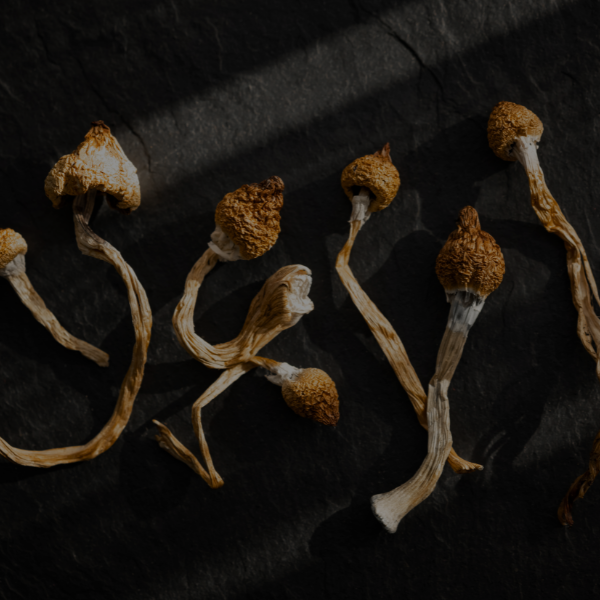
Psilocybin is probably the most famous entheogen out there. It’s the psychoactive compound in over 100 species of fungi, which most people know as "magic mushrooms." For thousands of years, these mushrooms have played a role in rituals all over the world, from ancient Mesoamerica to Siberia.
After you ingest it, your body converts psilocybin into psilocin, which then gets to work on the serotonin receptors in your brain. The experience is often described as gentle but deeply profound. People report heightened emotions, a burst of creative thinking, and a powerful sense of connection to nature and themselves. Many find it's an incredible tool for self-reflection.
This approachability and reputation for fostering personal insight have made psilocybin a major focus for modern researchers—and investors. The global mushroom market, which includes both psychedelic and functional types, was valued at USD 56 billion in 2022 and is expected to hit USD 136 billion by 2032. The psychedelic-specific market is also exploding, projected to grow from USD 3.12 billion in 2025 to USD 8.50 billion by 2032, with North America holding over 45% of that market.
Ayahuasca: A Deep Psychological Cleanse
Ayahuasca is a traditional brew from the Amazon with a history that goes back at least a thousand years. Unlike other entheogens that come from a single plant, it’s a sophisticated combination of two: the Banisteriopsis caapi vine and the leaves of the Psychotria viridis shrub. This specific pairing is the secret to its power.
The B. caapi vine contains compounds that temporarily inhibit an enzyme in your gut (MAO). This allows the powerful psychoactive compound DMT, found in the P. viridis leaves, to become orally active. Without this incredible natural synergy, the DMT would be broken down before it ever reached the brain.
The journey that follows is almost universally described as an intense and deeply transformative psychological and spiritual cleanse.
Ayahuasca is often called "La Purga" (The Purge) because it commonly leads to physical purging, like vomiting. Shamans and participants don't see this as a bad side effect; they view it as a vital release of negative energy, emotional baggage, and even physical toxins.
This process is considered a core part of the healing. People often report having incredibly complex and vivid visions, profound emotional releases, and direct, face-to-face encounters with their deepest personal struggles. The experience is almost always guided by an experienced shaman in a ceremonial setting, where sacred songs and a protected space help you navigate the intense journey. If you're curious about how it stacks up against mushrooms, we explore this in our guide on Ayahuasca vs Psilocybin.
Peyote: A Catalyst for Connection
Peyote (Lophophora williamsii) is a small, spineless cactus that grows in the deserts of Mexico and the southwestern United States. Its active ingredient is mescaline, a potent psychedelic known for producing rich visual effects and a profound sense of empathy and connection. For centuries, peyote has been a central sacrament for many Indigenous peoples, most famously in the ceremonies of the Native American Church.
Peyote ceremonies are communal events, often lasting all night and filled with prayer, singing, and drumming around a sacred fire. The experience is less about the intense, internal visions of ayahuasca and more about building a deep connection—to the divine, to the community, and to the Earth itself.
Here’s a quick rundown of their unique profiles:
- Psilocybin: A versatile mushroom that offers introspective and emotionally connective experiences, often used for personal reflection.
- Ayahuasca: A powerful Amazonian brew that helps facilitate a deep, and often challenging, psychological and spiritual cleanse.
- Peyote: A sacred cactus that fosters a sense of communal and spiritual connection, typically in a structured, all-night ceremony.
Understanding these differences makes it clear why someone might choose one over the other based on their goals. Whether you’re seeking gentle introspection, a deep spiritual reset, or a stronger sense of community, each of these natural substances opens a unique door to the inner world.
The Modern Renaissance of Therapeutic and Spiritual Use
After spending millennia woven into the fabric of sacred traditions, entheogens are now at the center of a modern wellness revival. Therapists, researchers, and everyday spiritual seekers are all taking a fresh look at how these powerful natural compounds can offer real, tangible benefits for the mind and spirit. The conversation is finally shifting from what are entheogens to what can they actually do for us.
This isn't just a trend built on good vibes and personal stories, either. This movement is backed by serious scientific research. Prestigious institutions are now confirming what ancient cultures have understood for centuries: when used with respect and intention, these substances can be incredible tools for healing and personal growth.
The Clinical Breakthroughs in Mental Health
Modern medicine is in the middle of a massive shake-up in its approach to mental health, and entheogens are leading the way. For decades, conditions like treatment-resistant depression and severe anxiety have left both patients and doctors with very few effective options. Now, substances like psilocybin are bringing a new sense of hope.
Clinical trials are uncovering some truly remarkable potential. One of the most powerful areas of study is in treating depression that simply hasn't gotten better with other methods. In groundbreaking trials from institutions like Johns Hopkins, psilocybin has shown stunning effectiveness.
In some of these pioneering trials, a staggering 80% of participants with treatment-resistant depression showed significant and rapid reductions in their symptoms after just two guided psilocybin sessions. These effects often lasted for months, sometimes up to a year.
That level of success blows the typical 30-40% efficacy rate of traditional antidepressants out of the water. This has ignited a firestorm of interest, with the global market for psychedelic therapeutics projected to climb from USD 3.41 billion in 2026 to USD 11.03 billion by 2034.
Beyond depression, researchers are also looking into psilocybin’s ability to ease end-of-life anxiety for terminal patients, help people break free from addiction, and address post-traumatic stress. The key is creating structured, supportive settings where these substances can help facilitate profound psychological healing. You can explore our guide to understand more about the psilocybin effects on the brain that make these outcomes possible.
The Path to Spiritual Growth and Self-Discovery
While the clinical applications are grabbing headlines, the spiritual use of entheogens remains a deeply meaningful path for countless individuals. In a world that often feels fragmented and disconnected, people are turning to these ancient teachers for a renewed sense of purpose and meaning. The experiences they offer can be intensely personal and are often described as nothing short of life-changing.
To understand the potential benefits, it helps to see what people are actually reporting. The outcomes range from profound psychological relief to deep spiritual insights.
Reported Benefits of Entheogenic Experiences
| Benefit Category | Description | Associated Entheogens |
|---|---|---|
| Mental Health Relief | Significant reduction in symptoms of depression, anxiety, and PTSD, even in treatment-resistant cases. | Psilocybin, Ayahuasca |
| Addiction Cessation | Increased success rates in quitting substances like nicotine, alcohol, and other drugs. | Psilocybin, Ibogaine |
| Spiritual Connection | Experiences of profound interconnectedness, ego dissolution, and mystical-type events. | Psilocybin, Ayahuasca, Peyote |
| Increased Well-being | Lasting improvements in life satisfaction, mood, and overall outlook. | Psilocybin, Peyote |
| Reduced Fear of Death | A significant decrease in end-of-life anxiety for terminally ill patients. | Psilocybin |
These are not just fleeting feelings but documented shifts in perception and well-being that can persist long after the experience itself.
One of the most frequently mentioned spiritual benefits is the experience of ego dissolution. This is the temporary quieting of that inner narrator—the "self"—that is constantly chattering in our minds.
Ego Dissolution: This isn't about losing your identity, but about expanding beyond its narrow confines. Many people describe it as feeling a profound sense of unity with everything—nature, other people, the entire universe.
Profound Interconnectedness: This feeling of oneness can melt away feelings of isolation and loneliness. It often leads to a lasting increase in empathy, compassion, and a deeper appreciation for life itself.
Mystical Experiences: Users often report experiences that align with classic descriptions of mystical events—a sense of sacredness, timelessness, and coming into contact with a reality or intelligence far greater than themselves.
These spiritual journeys aren't just moments of awe and wonder; they often catalyze lasting changes in how people see the world and live their lives. People frequently report a diminished fear of death, a clearer sense of purpose, and a more positive outlook long after the experience is over. It’s this potential for deep, lasting change that truly defines the modern entheogenic renaissance, perfectly bridging ancient wisdom with contemporary wellness.
How to Ensure a Safe and Responsible Experience
A meaningful journey with any entheogen isn’t just about what you take—it’s about how you take it. Responsible use is the bedrock of a positive outcome, and this section is all about harm reduction and safety to help you make informed choices. By focusing on your mindset, your environment, and a few practical steps, you can create a supportive container for your experience.
The two most critical pillars for a safe journey are set and setting. Think of them as the internal and external coordinates that map out your entire experience. Getting them right is probably the single most important thing you can do.

Understanding Set: Your Mental and Emotional State
Set is just another word for your mindset. It’s everything you bring with you into the experience—your thoughts, mood, intentions, and even your expectations for the day. Your internal landscape has a massive influence on the character and direction of your journey.
If you go in with a calm, curious, and open mind, you're paving the way for a positive and insightful session. On the other hand, starting out with significant anxiety, fear, or unresolved emotional turmoil can make a challenging time much more likely.
Key Principle: Your internal state is the lens through which you'll see everything. A clear, stable lens gives you a much clearer view. Preparing your mind is every bit as important as preparing the room around you.
Understanding Setting: Your Physical Environment
Setting is your physical environment and anyone who might be in it with you. This covers everything from the comfort of the room to the music playing in the background. An ideal setting is one where you feel completely safe, comfortable, and free from any unexpected interruptions.
When you're creating your space, think about these elements:
- Comfort: Is the space physically inviting? Think soft blankets, comfortable pillows, and a good spot to lie down if you want to.
- Safety: Do you feel totally secure and unthreatened? This means a private space where you know you won't be disturbed by a knock on the door or a phone call.
- Ambiance: Gentle lighting, calming music or nature sounds, and a tidy space can go a long way in creating a peaceful atmosphere.
A chaotic, unpredictable, or public place is simply not the right venue for a deep, introspective journey. Your setting should feel like a sanctuary that supports your exploration, not a source of added stress.
Practical Steps for a Safe Journey
Beyond nailing your set and setting, a few other practical steps are crucial for a responsible experience. This checklist covers the essentials, from preparation all the way through to post-journey care.
Start with a Low Dose: If you are new to a substance, always begin with a low dose. You can always take more another time, but you can never take less once it’s in your system. This “start low, go slow” approach is a cornerstone of harm reduction.
Know Your Substance and Source: Be absolutely clear about what you are using and its typical effects. Sourcing from a trusted provider is vital to ensure you're getting a quality product without any unknown or unwanted additives.
Choose a Trusted Sitter: A sitter is a sober, trustworthy friend who hangs out to offer support if you need it. Their job isn’t to guide the experience, but to be a calm, reassuring presence. They can help with practical things (like getting a glass of water) and offer a comforting word during difficult moments.
Prepare for Challenging Moments: Difficult experiences, sometimes called "bad trips," are a possibility. Instead of fighting them, it's often more helpful to surrender to the feelings and explore them with curiosity. A good sitter is invaluable here, as they can remind you that the experience is temporary and that you are safe.
Plan for Integration: The journey doesn't just stop when the effects fade. Integration is the process of making sense of what happened and applying any insights to your daily life. Plan to have a quiet, restful day afterward. Things like journaling, walking in nature, or talking it over with a good friend can be incredibly helpful.
Navigating the Evolving Legal Landscape
Trying to make sense of the laws around entheogens can feel like navigating a maze, where the map seems to change every few months. For anyone exploring these substances responsibly, getting a handle on the rules is a must.
The biggest thing to understand in the United States is the split between federal law and what’s happening in individual states and cities. While most entheogens are still restricted on a national level, a powerful wave of reform is washing over the country from the ground up.
This shift is clearest in places like Oregon and Colorado, states that have taken bold steps to create entirely new frameworks for access. They're acting as the test kitchens for what the future might look like. Following their lead, a growing number of cities are also completely reshaping their local laws.
The Rise of Decriminalization
Cities such as Oakland, Santa Cruz, Denver, and a handful of others have embraced a policy called decriminalization. It’s really important to know what this actually means on a practical level.
Decriminalization doesn't make entheogenic plants and fungi legal to buy or sell like cannabis in a dispensary. What it does is instruct local police to make personal possession and use of these substances their lowest enforcement priority.
This simple policy change dramatically lowers the legal risk for individuals using entheogens for their own personal or spiritual growth, creating a much safer environment. These local measures are creating pockets across the country where the age-old use of these substances is finally being met with more understanding.
This messy, state-by-state approach means the rules can be completely different from one town to the next. Staying informed about the specific laws where you live is absolutely essential. If you want to take a closer look at how these changes impact psilocybin specifically, you can learn more about psilocybin mushroom legality in our detailed guide. As science and public opinion keep moving forward, you can bet this legal landscape will continue to change.
Common Questions About Entheogens
As you start to explore the world of entheogens, it's natural for questions to pop up. Think of this section as a quick-reference guide, where we’ll tackle some of the most common curiosities to help you build a solid and practical understanding.
What Is the Difference Between a Psychedelic and an Entheogen?
You’ll often hear these two terms used as if they mean the same thing, but the real difference comes down to intention. The word psychedelic literally means "mind-manifesting." It’s a broad, umbrella term for any substance that alters consciousness, whether it's for therapy, recreation, or spiritual reasons.
Entheogen, on the other hand, is a more focused term meaning "generating the divine within." It specifically refers to using one of these substances with a clear spiritual, mystical, or religious goal in mind. So, while all entheogens are technically psychedelics, not every psychedelic experience is an entheogenic one.
How Long Do the Effects of Psilocybin Typically Last?
A journey with psilocybin mushrooms generally lasts between four to six hours. You'll usually start to feel the peak of the experience about one to two hours after you've taken them.
After the peak, the effects will gently taper off, allowing for a gradual return to your normal state of mind. Because of this timeline, it's always a good idea to clear your schedule for the entire day. This gives you plenty of time not just for the journey itself, but for some quiet reflection afterward.
Key Takeaway: Integration is the crucial process of translating the insights and feelings from your experience into your everyday life. It’s how you make sense of the journey and turn powerful revelations into sustainable, positive change.
What Does Integration Mean After an Entheogenic Experience?
Many experienced guides will tell you that what you do after the journey is just as important as the journey itself. That’s integration. It's the active process of weaving the lessons from your experience into the fabric of your daily life.
This can look different for everyone, but some common practices include:
- Journaling: Writing down your thoughts, feelings, and memories from the experience to help you process everything.
- Creative Expression: Drawing, painting, or making music to give form to insights that are hard to put into words.
- Time in Nature: Spending quiet time outside to feel grounded and connected to the world around you.
- Discussion: Talking through what happened with a trusted guide, therapist, or friend who can listen without judgment.
Are There Any Medications That Interact With Entheogens?
Yes, absolutely—and this is a critical point for safety that should never be ignored. Certain prescription medications can have very real and sometimes dangerous interactions with entheogens.
Antidepressants, especially SSRIs and MAOIs, are a top concern. SSRIs might significantly dull the effects of substances like psilocybin. Combining MAOIs with many entheogens, however, can be incredibly dangerous and may lead to serotonin syndrome, a serious medical emergency. It is essential to speak with a knowledgeable healthcare professional about any medications you’re taking before ever considering an entheogenic experience.
Ready to explore the world of mushrooms with confidence? The Magic Mushroom Delivery offers a curated selection of high-quality psilocybin and functional mushroom products, delivered discreetly to your door. From delicious edibles to precisely dosed capsules, we provide safe, reliable access for your wellness journey. Discover our collection at https://themagicmushroomdelivery.com.