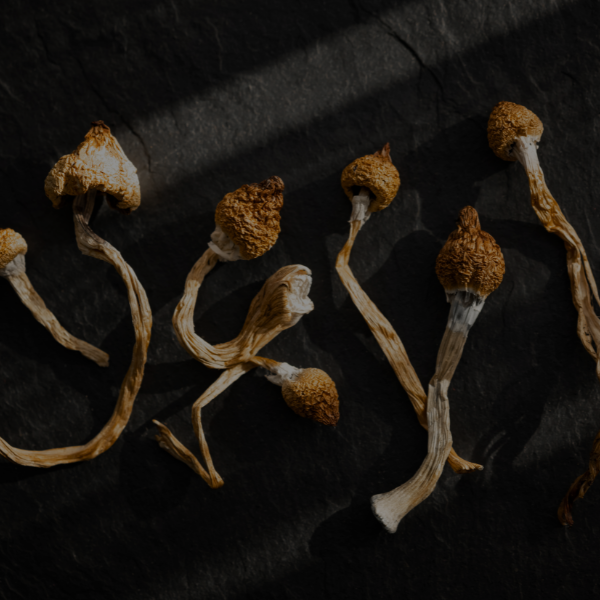


Embarking on a psilocybin journey opens the door to profound sensory and emotional awareness. But what are the best things to do when high to channel that heightened state into something meaningful, safe, and memorable? The right activity can turn a good experience into an exceptional one, fostering creativity, insight, and a deeper connection with yourself and the world around you. Planning ahead ensures you can fully immerse yourself without the distraction of indecision, allowing your attention to remain on the present moment.
This guide offers a detailed roundup of 10 thoughtfully curated activities, organized to help you find the perfect match for your intentions. Whether you are seeking quiet introspection, creative expression, or a shared connection with others, there is an option here for you. We will cover the essential groundwork of 'set and setting,' emphasizing how a prepared mind and a comfortable environment are the cornerstones of a positive journey. From there, we'll explore activities suitable for solo explorers, groups, and both indoor and outdoor settings.
Whether you're new to this space or an experienced psychonaut, this list provides practical, actionable ideas to help you move through your experience with purpose and care. The goal is to provide a structured yet flexible framework, giving you the tools to shape a journey that feels authentic and supportive. Let's explore how to make your next experience as enriching as possible.
1. Nature Walks and Forest Bathing
Engaging with the natural world while in an altered state can be a profoundly grounding and visually stunning experience. Nature walks and forest bathing, or shinrin-yoku, are not about intense hiking but rather about slow, mindful immersion in a natural setting. The goal is to absorb your surroundings through all your senses, an activity that pairs exceptionally well with psilocybin, which can heighten sensory perception and foster a deep sense of connection.
How to Approach Your Nature Experience
Instead of focusing on a destination, the journey is the point. This practice is about noticing the intricate patterns on a leaf, the sound of wind rustling through trees, or the feeling of sunlight on your skin. These simple observations can become mesmerizing and meaningful, making it one of the most rewarding things to do when high.
- Choose Familiar Ground: For your first time, stick to a local park or a well-marked trail you know well. Places like the botanical gardens in a city or a nearby state park are ideal. This familiarity reduces anxiety and allows you to relax into the experience.
- Go with a Trusted Companion: Having a sober or equally experienced friend can provide a sense of security and shared wonder. They can help navigate and ensure you both stay safe and comfortable.
- Time It Right: Plan for a two- to four-hour window during daylight hours with clear weather. This provides ample time to explore without the pressure of a setting sun or unexpected rain.
Practical Tips for a Successful Outing
Proper preparation ensures your focus remains on the beauty around you, not on discomfort. Simple considerations can make a significant difference in your overall enjoyment.
- Essentials to Bring: Pack a small bag with water, light snacks, and a fully charged phone.
- Dress Comfortably: Wear sturdy, comfortable shoes and dress in layers to adapt to changing temperatures.
- Set an Intention: Before you start, take a moment to set a simple intention, such as "to be present" or "to find beauty in small things." This helps frame your mindset for a more mindful experience.
2. Creative Arts and Music Creation
Channeling heightened sensory input into a creative outlet can be an incredibly rewarding and insightful activity. Engaging in artistic expression, whether through painting, writing, or making music, allows you to translate the abstract feelings and unique patterns you perceive into something tangible. Psilocybin often amplifies creative thinking and emotional expression, making it a powerful catalyst for artistic breakthroughs and one of the most fulfilling things to do when high.

How to Approach Your Creative Session
The focus here is on the process, not the final product. Allow yourself the freedom to experiment without judgment, exploring colors, sounds, or words that feel right in the moment. The goal is to tap into a state of creative flow, where your inner critic is quiet and you can simply create. This non-judgmental approach can lead to surprising and deeply personal works of art.
- Choose Your Medium: Select a creative activity that feels intuitive and enjoyable to you. This could be anything from watercolor painting and digital art on a tablet to playing an instrument or simply journaling your thoughts in a notebook.
- Set Up Your Space: Prepare all your materials before your experience begins. Having your paints, instruments, or notebook ready to go eliminates any friction and allows you to dive in as soon as inspiration strikes.
- Embrace the Abstract: Don’t worry about creating something realistic or perfect. Focus on expressing feelings and ideas through abstract shapes, colors, and sounds. This removes pressure and encourages pure, unfiltered expression. The intensity of your experience can also influence your creative output; you can learn more about the different levels of a high to better prepare your session.
Practical Tips for a Successful Session
A little preparation can help you stay immersed in your creative flow and make the most of the experience. The right environment and mindset are key.
- Essentials to Have Ready: Keep your creative tools easily accessible. For music, have your instrument tuned and ready; for art, have your canvases, paper, and colors laid out.
- Curate a Playlist: Put on some instrumental or ambient music to create a supportive atmosphere that doesn’t distract with lyrics.
- Capture Fleeting Ideas: Keep a voice recorder or a notebook handy to jot down sudden insights, lyrics, or concepts that might arise. These can be valuable seeds for future sober projects.
3. Meditation and Breathwork Practices
Pairing psilocybin with structured mindfulness practices can open pathways to profound introspection and emotional clarity. Meditation and breathwork are not about emptying the mind but about observing its activity with gentle curiosity. Psilocybin can amplify this process by quieting the ego’s defenses, making it easier to access deeper states of awareness and process feelings that may otherwise remain just below the surface.
How to Approach Your Inner Exploration
The intention is not to force a specific outcome but to create a safe container for self-inquiry and presence. Practices like body scans or following the breath can become incredibly absorbing, providing a stable anchor as you navigate your inner world. This makes meditation an exceptionally powerful activity to do when high, supporting self-discovery and a sense of inner peace.
- Start with Guidance: Unless you have a seasoned practice, begin with a guided meditation. Apps like Calm or Insight Timer offer thousands of options, from simple breathing exercises to complex body scan meditations.
- Establish a Comfortable Space: Designate a quiet, comfortable spot where you won't be disturbed. Use cushions, blankets, or an eye mask to create a secure and relaxing environment dedicated to your practice.
- Practice Sober First: Familiarize yourself with a specific meditation or breathing technique, like the 4-7-8 method, before your experience. Having a pre-established routine provides a familiar structure to return to if your thoughts begin to wander.
Practical Tips for a Successful Session
Simple preparation can help you surrender to the experience without distraction. A few thoughtful steps ensure that your focus remains on your inner journey rather than on external disturbances.
- Set a Gentle Timer: Decide on a duration beforehand, such as 15 or 20 minutes, and set a soft alarm. This frees you from checking the time and allows for deeper immersion.
- Journal Afterward: Keep a notebook and pen nearby to capture any insights, feelings, or ideas that arise. This act of reflection helps integrate the experience.
- Stay Hydrated: Have a glass of water within reach. Taking a few sips before and after your meditation can be a simple, grounding ritual.
4. Listening to Curated Music and Sound Experiences
Music can be a powerful guide during an altered state, shaping the emotional landscape of your experience. Immersive listening involves more than just putting on some background tunes; it's about using carefully selected soundscapes to deepen introspection, reduce anxiety, and guide your journey. Research in therapeutic settings has shown that specific types of music, particularly ambient, classical, and instrumental pieces, can create a supportive container for profound emotional exploration, making this one of the most accessible and impactful things to do when high.

How to Approach Your Sound Experience
The right playlist can act as an anchor, helping you navigate the ebbs and flows of your consciousness. Instead of passively hearing music, this practice is about actively listening and allowing the sounds to evoke feelings and imagery. The goal is to let the auditory experience carry you, influencing your inner world without the distraction of lyrical interpretation, which can sometimes steer your thoughts in unintended directions.
- Curate Your Playlist in Advance: Fumbling with your phone to pick the next song can disrupt your flow. Create a long playlist beforehand, considering a gentle start, a more intense middle, and a calming finish to mirror a natural emotional arc.
- Focus on Instrumental Music: For a deeper inward journey, begin with instrumental tracks. Music without lyrics prevents your analytical mind from focusing on words and meanings, allowing for a more primal, emotional response. Artists like Brian Eno, Ólafur Arnalds, and Tycho are excellent starting points.
- Explore Beyond Traditional Music: Consider alternative soundscapes like binaural beats or isochronic tones, which are designed to influence brainwave patterns and can encourage states of relaxation or meditation.
Practical Tips for a Successful Outing
Setting up your listening environment correctly is key to a truly immersive session. A few simple preparations can prevent technical glitches or discomfort from pulling you out of the moment.
- Invest in Quality Audio: Use high-quality, comfortable headphones to create a personal, enveloping sound world. This blocks out external distractions and allows you to catch the subtle nuances in the music. If listening with others, a good speaker system can create a shared ambient atmosphere.
- Set a Comfortable Volume: The volume should be loud enough to be immersive but not so loud that it becomes jarring or uncomfortable. Test your setup and volume levels before you begin your session.
- Test Playlists While Sober: Give your chosen playlist a listen a day or two before your experience. This ensures there are no surprising or unsettling tracks that might create a negative mood while you're in a more sensitive state.
5. Journaling and Reflective Writing
The internal landscape revealed during a psychedelic experience can be rich, complex, and fleeting. Journaling offers a powerful method to anchor these insights, providing a bridge between your inner world and your sober consciousness. It’s not about crafting perfect prose but about externalizing thoughts and emotions as they arise, creating a raw, honest record of your journey. This makes it one of the most insightful things to do when high for personal growth.
How to Approach Your Writing Experience
Stream-of-consciousness writing is an ideal practice here, allowing you to bypass your internal editor and capture unfiltered thoughts. The goal is to let the words flow freely, whether they form coherent sentences, fragmented ideas, or even poetry. This process helps in processing emotions and integrating the profound realizations that can occur, making sense of them long after the experience ends.
- Embrace Analog: During the peak of an experience, a physical pen and notebook are often more grounding and less distracting than a digital screen. The tactile sensation of writing can be a centering activity in itself.
- Keep It Accessible: Have your journal and a pen within easy reach before you begin your session. This simple preparation means you can capture a thought the moment it appears without disrupting your state.
- Use Guided Prompts: If free-form writing feels intimidating, simple prompts can open the door. Questions like "What am I feeling in my body right now?" or "What does this color/sound make me think of?" can initiate the flow.
Practical Tips for a Successful Session
Setting up a comfortable space and a supportive mindset is key to making your journaling session productive and healing. The focus is on documentation, not judgment, a principle that helps ensure a good mushroom trip.
- Write Without Judgment: Don't worry about spelling, grammar, or making sense. The primary audience for this writing is your future self.
- Set an Intention: Before you begin, you might set an intention to be open and honest with yourself on the page. This helps create a safe container for your thoughts.
- Revisit with Patience: Allow some time to pass, perhaps a week or two, before rereading your entries. This distance provides a fresh perspective, helping you identify patterns and integrate lessons into your daily life. For more tips on setting the stage for a positive journey, learn how you can prepare for a good mushroom trip.
6. Intimate Conversation and Emotional Sharing
Engaging in deep, intentional conversation with a trusted person can be an exceptionally profound experience while in an altered state. The focus here is on authentic emotional sharing and vulnerability, moving beyond surface-level chats to create meaningful connections. Psilocybin can often lower emotional barriers and heighten empathy, making it easier to communicate with clarity and heart.
How to Approach Your Conversation
This activity is less about debate or discussion and more about mutual understanding and connection. The goal is to listen with your full attention and share from a place of honesty. These moments of genuine exchange can strengthen relationships and provide psychological relief, making it one of the most constructive things to do when high.
- Choose the Right Person: This is crucial. Opt for a sober, calm, and supportive partner, friend, or guide. Their role is to hold space for you, not to direct your experience.
- Establish Boundaries First: Before you begin, set clear agreements. This might include topics that are off-limits, a safe word if things become too intense, or simply agreeing to listen without judgment.
- Build Gradually: Avoid diving into heavy or traumatic topics right away. Start with lighter subjects and allow the conversation to deepen naturally as you feel more comfortable and connected.
Practical Tips for a Successful Exchange
A secure and comfortable environment is essential for fostering the vulnerability required for this kind of deep sharing. Careful preparation ensures the focus remains on the connection, not on external distractions or anxieties.
- Create a Safe Space: Choose a private, comfortable, and distraction-free setting. Dim lighting, soft blankets, and minimal noise can help create a sense of calm and safety.
- Practice Active Listening: When the other person is speaking, give them your full attention. Reflect back what you hear them saying to ensure you understand, using phrases like, "It sounds like you're feeling…"
- Plan a Follow-Up: The insights gained during the experience can be powerful. Plan to have a follow-up conversation a day or two later, when you are no longer high, to integrate what was discussed. For particularly sensitive topics, consider involving a professional guide.
7. Gentle Yoga and Somatic Movement
Connecting with your body through mindful movement can be an incredibly profound and centering activity while high. Gentle yoga and somatic practices like qigong are not about athletic performance but about exploring your internal landscape. The focus is on embodiment, allowing you to tap into heightened sensory awareness and release emotions stored in the body, making it a perfect bridge between quiet stillness and more active engagement.
How to Approach Your Mindful Movement
Instead of aiming for perfect form or a strenuous workout, the goal is to feel and listen. This practice is about noticing the subtle sensations of a stretch, the rhythm of your breath, or the flow of energy through your limbs. These internal experiences can become deeply insightful and calming, offering a beautiful way to process thoughts and feelings physically.
- Choose Gentle Styles: Stick to slow, grounding practices. Yin yoga, restorative yoga, tai chi, and qigong are excellent choices. Intuitive dance, where you simply move how your body feels called to, is another powerful option.
- Practice Sober First: If you plan to follow a specific sequence or video, try it once while sober. This familiarity builds confidence and allows you to focus on sensation rather than worrying about what comes next.
- Create a Calming Space: Set up a comfortable, uncluttered area where you have enough room to move freely. Dim the lights, put on some calming ambient music, and remove any potential distractions.
Practical Tips for a Successful Session
A little preparation ensures your experience remains fluid, safe, and focused on self-discovery. Simple considerations can elevate your practice from a good idea to a deeply rewarding journey.
- Move Slowly and Intentionally: The key is to move at a pace that allows you to feel everything. Avoid rushing or pushing yourself into difficult poses.
- Prioritize Sensation Over Form: Don't worry about what the pose looks like. Instead, focus entirely on what it feels like in your body. Let your breath guide you.
- Listen to Your Body: Pay close attention to your body’s signals. Avoid inversions (like headstands) or complex balancing poses that could lead to dizziness. If anything feels uncomfortable or unstable, gently ease out of it.
8. Contemplative Gazing and Visual Observation
Focused, meditative observation can turn heightened visual perception into a profound introspective journey. Contemplative gazing is about channeling the mind’s enhanced pattern recognition capabilities toward aesthetically meaningful subjects, such as fractals, art, or natural patterns. This practice supports a meditative state that feels both effortless and deeply engaging, making it one of the most accessible things to do when high.

How to Approach Your Visual Experience
The goal is to allow your mind to follow the intricate details of a visual subject without active effort. You might find yourself mesmerized by the repeating geometry in a mandala or the shifting colors in a light projection. This passive activity allows for deep reflection and can be a beautiful way to explore your internal landscape.
- Prepare Your Visuals: Have your chosen visuals ready beforehand. This could be a fractal video queued up on a high-quality screen, a beautiful art book, or a kaleidoscope. Preparation ensures a seamless transition into the experience.
- Create a Comfortable Space: Settle into a safe, controlled environment where you can sit or lie down without interruption. A cozy chair or a soft rug can make a significant difference in your ability to relax and focus.
- Embrace Silence or Sound: This activity pairs well with either complete silence or gentle, non-lyrical background music. Ambient soundscapes or binaural beats can help deepen the meditative state.
Practical Tips for a Successful Session
A few simple considerations can help you stay centered and get the most out of your contemplative gazing. Proper setup minimizes distractions and maximizes comfort.
- Essentials to Have: Keep visuals at a comfortable distance and adjust screen brightness to avoid eye strain. Have water nearby to stay hydrated.
- Set a Gentle Timer: To avoid losing track of time completely, you might set a soft, unobtrusive timer for 30-60 minutes.
- Transition Slowly: When you are ready to move on, do so gradually. A jarring shift to another activity can be disorienting. Take a few moments to stretch and reorient yourself to your surroundings.
9. Snacking and Mindful Eating
Engaging your sense of taste while in an altered state can be a delightful and surprisingly profound activity. Snacking and mindful eating shift the focus from simple consumption to a full sensory exploration. The aim is to appreciate the intricate flavors, textures, and aromas of food, an experience that is often amplified, making it one of the most comforting and enjoyable things to do when high.
How to Approach Your Mindful Eating Experience
Instead of just grabbing a quick bite, this practice is about intentionality and presence. The goal is to fully experience each morsel, noticing the burst of sweetness from a fresh berry or the rich, complex notes of dark chocolate. These simple sensory details can become incredibly fascinating and satisfying, providing both physical nourishment and a moment of grounded meditation.
- Prepare in Advance: The best time to prepare your snacks is before your experience begins. Having a colorful platter of fruits, nuts, and other treats ready to go removes any hassle and makes the experience feel more special and effortless.
- Choose Intuitively: Select foods that feel nourishing and appealing to you. Your body often knows what it needs, so listen to your intuition. Light, natural foods are generally better than heavy, processed ones.
- Go Slow and Savor: Eat slowly, paying close attention to each bite. Chew thoughtfully and notice how the flavors evolve. This turns a simple snack into a deeply meditative and pleasurable event.
Practical Tips for a Successful Outing
A little preparation ensures your focus stays on the sensory pleasure of eating, not on an upset stomach or last-minute kitchen chaos. Small choices can make a big difference in how you feel.
- Essentials to Bring: Keep a variety of textures and flavors on hand. Consider fresh fruits like mango and raspberries, high-quality dark chocolate, or herbal teas such as chamomile or peppermint.
- What to Avoid: Steer clear of heavy, greasy, or overly processed foods, which can feel unpleasant. It’s also wise to avoid alcohol and excessive caffeine, as they can complicate the experience.
- Stay Hydrated: Drink plenty of water, juice, or herbal tea throughout your journey. For potential nausea, keeping some ginger tea or candied ginger nearby is a great idea.
10. Sleep Preparation and Rest Integration
The psychedelic experience doesn't end when the primary effects fade; the period that follows is critical for integration and recovery. Creating an optimal environment for rest is one of the most beneficial things to do when high, as quality sleep supports the neuroplasticity and emotional processing that make the insights gained more meaningful. A deliberate wind-down routine helps your mind and body transition from a state of heightened awareness to one of deep, restorative rest.
How to Approach Your Rest Integration
The goal is to signal to your body that the experience is concluding and it's time to recover. This involves more than just lying down; it's about mindfully creating a sanctuary for sleep. By focusing on comfort, quiet, and calm, you help your brain consolidate memories and process the day's events, ensuring you wake up feeling refreshed and clear-headed instead of drained.
- Plan Ahead: Schedule your experience so you have at least eight hours available for sleep before any responsibilities. Ideally, allow for a full day of gentle activity and reflection afterward.
- Create a Sleep Sanctuary: Prepare your bedroom in advance. Ensure it's cool (around 65–68°F), completely dark with blackout curtains or an eye mask, and as quiet as possible.
- Establish a Wind-Down Ritual: Dedicate the final 60-90 minutes of your experience to calming activities. This helps ease the transition, especially if you are wondering about the best ways for coming down from shrooms. Learn more about how to come down from shrooms gently and effectively to make this phase smoother.
Practical Tips for a Successful Wind-Down
Small, intentional actions can significantly improve your ability to rest and integrate your journey. These practices are designed to calm the nervous system and clear the mind.
- Screen-Free Zone: Avoid all screens for at least 30-60 minutes before you intend to sleep. The blue light can interfere with melatonin production.
- Sip Calming Tea: Brew a cup of caffeine-free herbal tea, such as chamomile, valerian root, or passionflower, to promote relaxation.
- Journal Your Thoughts: Spend a few minutes writing down any lingering thoughts, feelings, or insights. This mental "off-loading" can prevent your mind from racing once you lay down.
- Try Guided Meditation: Use an app like Calm or Headspace for a guided sleep meditation, Yoga Nidra, or a simple body scan to release physical tension.
10-Item Comparison of Activities When High
| Activity | 🔄 Implementation Complexity | ⚡ Resource Requirements | ⭐ Expected Outcomes | 📊 Ideal Use Cases | 💡 Key Advantages / Tips |
|---|---|---|---|---|---|
| Nature Walks and Forest Bathing | Low — simple planning, weather-dependent | Outdoor access, comfy clothes, water | ⭐ Grounding, enhanced sensory awareness, anxiety relief | Nature-focused sessions; grounding during peak intensity | 💡 Choose familiar safe routes; 4–6 hrs into experience |
| Creative Arts and Music Creation | Low–Moderate — prep materials and quiet space | Art supplies, instruments or digital tools, headphones | ⭐ Enhanced creativity, emotional expression, memorable output | Creativity-driven trips; insight capture at 2–4 hrs | 💡 Set up beforehand; favor non-judgmental mediums; review sober |
| Meditation and Breathwork Practices | Moderate — guided practice recommended | Quiet space, recordings/apps, cushion | ⭐ Deep introspection, emotional processing, reduced anxiety | Integration and healing; useful throughout or at 1–2 hrs | 💡 Start with 15–20 min guided practice; use breath techniques |
| Listening to Curated Music and Sound Experiences | Low — playlist preparation required | Quality headphones/speakers, pre-made playlists | ⭐ Emotional guidance, anxiety reduction, enhanced depth | Onset-to-peak guidance; broadly accessible | 💡 Prepare playlists in advance; use instrumental progression |
| Journaling and Reflective Writing | Low — minimal setup but timing matters | Notebook and pen (preferred), quiet space | ⭐ Externalizes insights, aids integration and memory | Come-down or post-session reflection | 💡 Keep a notebook within reach; write without judgment |
| Intimate Conversation and Emotional Sharing | Moderate — needs trust, boundaries, and consent | Trusted companion or guide, private comfortable space | ⭐ Deepened bonds, increased empathy, conflict resolution | Relationship work, first-time support during 2–4 hrs | 💡 Establish boundaries; have a sober supportive companion |
| Gentle Yoga and Somatic Movement | Low–Moderate — practice sober first recommended | Yoga mat/space, optional guided video/instructor | ⭐ Body awareness, emotional release, grounding | Early-to-mid peak for somatic processing (2–4 hrs) | 💡 Move slowly, avoid complex poses, stop if unwell |
| Contemplative Gazing and Visual Observation | Low — prepare visuals and environment | Quality screen/prints, comfortable seating, dim lighting | ⭐ Meditative absorption, enhanced pattern recognition | Visual-peak periods (2–5 hrs) for passive insight | 💡 Prep visuals, set a timer, control brightness to avoid overstimulation |
| Snacking and Mindful Eating | Low — snack prep recommended | Light fruits, dark chocolate, herbal tea, water | ⭐ Sensory pleasure, grounding, nausea relief, energy support | Any time; helpful 2–3 hrs in or during come-down | 💡 Avoid heavy meals/alcohol; keep ginger for nausea |
| Sleep Preparation and Rest Integration | Low — requires scheduling and environment setup | Dark, cool bedroom, sleep aids (white noise, tea) | ⭐ Memory consolidation, emotional integration, recovery | Post-experience recovery; essential evening after session | 💡 Allow 8+ hrs, dim lights 60 min before bed, journal before sleep |
Bringing Your Insights Back: The Art of Integration
The experience doesn't truly end when the sensations fade. The real value often comes in the days and weeks that follow, through a process known as integration. This is the art of weaving the insights, feelings, and fresh perspectives gained during your journey into the fabric of your everyday life. The list of things to do when high isn't just about passing the time; each activity, from journaling to mindful eating, is a tool for discovery. But what you do after is what anchors these discoveries and turns a fleeting experience into lasting personal growth.
The hours spent in an altered state can open new doors in your mind, but integration is the act of walking through them. It’s about taking the abstract feelings and making them concrete, translating the profound into the practical. Without this crucial step, even the most meaningful moments can evaporate like a dream, leaving behind only a faint memory instead of a new way of being. By dedicating time and intention to integration, you honor the experience and give its benefits room to blossom in your sober, daily reality.
Actionable Steps for Meaningful Integration
So, how do you bridge the gap between your journey and your daily routine? It starts with simple, consistent practices. The goal is not to cling to the experience, but to carry its lessons forward with grace and intention.
Revisit Your Creations: Look back at any art you made or journal entries you wrote. What themes emerge? Do the words or images hold a different meaning for you now? This material is a direct line back to your mindset during the experience and can be an invaluable source of clarity. Don't analyze it too hard; just observe what you captured.
Continue the Conversation: If you shared your experience with friends, keep talking about it. Discussing your realizations can help solidify them. Hearing their perspectives can also offer new angles you hadn't considered. If you were solo, consider sharing your thoughts with a trusted, non-judgmental friend or partner now.
Embody the Physical Lessons: Did you practice gentle yoga or connect with your breath? Try incorporating a short, five-minute stretching or breathing routine into your mornings. The physical "memory" of calm and presence you cultivated can be a powerful anchor during a stressful day.
Observe the Subtle Shifts: Pay attention to how you interact with the world in the following days. Do you notice more beauty in nature on your commute? Are you more patient with a coworker? These small changes are the tangible fruits of your inner work. Acknowledging them reinforces their presence.
The Lasting Value of a Well-Integrated Experience
Mastering the art of integration transforms a recreational activity into a powerful tool for self-development. It’s the difference between a fun afternoon and a genuine catalyst for change. When you thoughtfully integrate, you learn to see your own life with new eyes, identifying old patterns and opening up to new possibilities for connection, creativity, and contentment. This process builds a more resilient, aware, and intentional you.
The activities we've explored, from listening to curated music to contemplative gazing, are more than just a list of things to do when high; they are invitations to connect more deeply with yourself and the world around you. By choosing your activities with intention and following through with integration, you create a cycle of growth that can ripple positively through every area of your life. Your journey is uniquely yours, and with careful planning and mindful reflection, it can be a profound and rewarding path to greater well-being.
Ready to curate your next intentional experience? At The Magic Mushroom Delivery, we provide premium, carefully selected products designed to support your entire journey, from preparation to integration. Explore our collection of infused edibles and microdose capsules, all crafted with quality and your well-being in mind. Visit The Magic Mushroom Delivery to find the right products to complement your path of discovery.