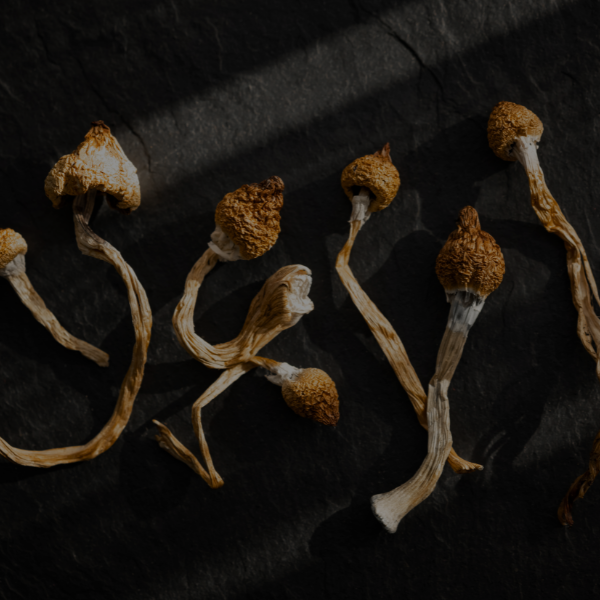


A psilocybin microdosing schedule isn't a rigid set of rules—it's a personal rhythm you build to gently weave the benefits of psilocybin into your daily life. Think of it as a structured routine of taking tiny, sub-perceptual doses to hit your goals, whether that's boosting creativity or finding more focus, all while cleverly avoiding tolerance.
Most people land on a cycle of "on" days and "off" days. A classic approach is one day on, followed by two days off. This rhythm is the key to unlocking subtle, long-term benefits without ever feeling overwhelmed.
Finding Your Personal Microdosing Rhythm
The real magic of microdosing happens when you find a schedule that clicks with your lifestyle and what you’re hoping to achieve. It’s less about following a strict formula and more about discovering a flow that feels right for you. This personal rhythm is designed to subtly enhance your mood, sharpen your focus, or unlock creative insights over time.
The whole idea behind any microdosing schedule boils down to the balance between dose days and rest days. This structure is non-negotiable for two huge reasons: it prevents your body from building a tolerance, and it gives you the space to integrate the changes.
- Preventing Tolerance: If you were to dose every single day, the effects would quickly diminish. You’d need to take more just to feel the same subtle shift. Those off-days are a necessary reset for your system.
- Observing and Integrating: The days you don't dose are just as important as the days you do. They’re your chance to notice the afterglow and see how the positive shifts are taking root in your life, free from the direct influence of the psilocybin.
It’s like a quiet conversation with your own mind. On dose days, you introduce a gentle catalyst. On off-days, you get to sit back and watch how that catalyst creates positive ripples through your thoughts, feelings, and actions. This process is what makes the benefits stick.
The Importance of a Sub-Perceptual Dose
A core concept here is that the dose must be sub-perceptual. What does that mean? It means the amount is so small you don’t feel any overt psychedelic effects. You should be able to crush your workday, hang out with friends, or hit the gym without any impairment.
The goal isn't to "feel" it kick in. It's about noticing gentle, positive shifts over the course of weeks.
A proper microdose works in the background. The changes are often so subtle that you may only recognize them when looking back at your journal entries after a few weeks. It's about cumulative progress, not an immediate effect.
At a Glance: Popular Microdosing Schedules
To help you get started, let’s look at some of the most common frameworks people use. These aren't rigid rules but fantastic starting points for finding your own rhythm.
| Schedule Protocol | Cycle | Best For |
|---|---|---|
| The Fadiman Protocol | 1 day on, 2 days off | Beginners, general well-being, and tracking subtle changes. |
| The Stamets Stack | 4-5 days on, 2-3 days off | Cognitive enhancement, neurogenesis, and pairing with other supplements like Lion's Mane. |
| Two-A-Week | 2 non-consecutive days per week (e.g., Mon/Thurs) | Simplicity, maintenance, and those with busy or unpredictable schedules. |
Each of these protocols offers a unique cadence. Your job is to experiment and see which one aligns best with your body, your goals, and your daily life.
This timeline gives you a great visual for how a routine takes shape over a few weeks, building consistency through a simple pattern of dosing and resting.

Once you get a feel for this fundamental cycle, you're ready to build a practice that feels intuitive and genuinely impactful. Getting these basics down sets you up for a journey that’s both safe and effective. Now, let’s dive into the specifics of the most trusted schedules out there.
The Fadiman Protocol: A Balanced Approach
If you're just dipping your toes into the world of microdosing, the Fadiman Protocol is almost always where you'll start. It's the most widely known psilocybin microdosing schedule for a reason. Developed by pioneering researcher Dr. James Fadiman, its simple "one day on, two days off" rhythm has become the trusted standard for newcomers.
This cadence isn't random. It’s a deliberate structure designed to let you dose, observe the effects, and then reset your system.

This protocol has been embraced by thousands since it gained traction around 2011. A large survey of 2,347 people found that psilocybin users often took a median dose of about 0.3 grams of dried mushrooms. They also showed an impressive 83% adherence rate to their chosen schedule when tracking their progress.
Even more compelling, research indicates that microdosers were 39% less likely to report having anxiety disorders compared to those who don't microdose. This suggests a real connection between the practice and improved mental well-being. You can dive deeper into these findings in the full study on microdosing practices.
Understanding the Three-Day Cycle
The real magic of the Fadiman Protocol is in its three-day cycle. Each day has a specific job, creating a rhythm that helps you tune into the subtle shifts in your daily life while keeping tolerance at bay.
Day 1: Dose Day. This is when you take your sub-perceptual dose. You’re not looking to feel high—just subtle enhancements. Maybe you feel a bit more focused, a creative spark, or a greater sense of emotional presence while going about your normal day.
Day 2: Observation Day. No dose today. The goal here is to notice any lingering effects or a gentle "afterglow." Many people actually report that Day 2 feels even better than Day 1, with continued mental clarity and an elevated mood.
Day 3: Reset Day. This is a completely normal, non-dosing day. It lets your body return to its baseline, which is absolutely critical for preventing tolerance. This reset ensures that when you dose again on Day 4, the effects stay consistent.
This cycle is typically repeated for four to eight weeks, followed by a longer integration break. It’s a sustainable rhythm that keeps the experience fresh and effective.
Real-World Scenarios and Practical Tips
So, what does this psilocybin microdosing schedule look like in real life? The applications are as unique as the people who use it.
Think about a software developer who's been banging their head against a complex coding problem. They might dose on a Monday to come at it with fresh eyes. On Tuesday, their observation day, the solution might just click into place as they benefit from that lingering cognitive boost. Wednesday is their reset, and they start again on Thursday.
Or consider a writer facing a creative block. Dosing on a Tuesday morning could help them push past mental hurdles and start generating new ideas. On Wednesday, they might find it much easier to organize those scattered thoughts into a solid outline.
The key is to align your dose days with activities where enhanced creativity, focus, or emotional awareness would be most beneficial. Treat your schedule as a tool to support your intentions.
How to Implement the Fadiman Protocol
Getting started is pretty straightforward. The most important ingredients are consistency and mindful observation.
Timing Your Dose
Most people find it best to take their dose in the morning. This lets the effects unfold while you’re most active. Taking it with a light breakfast can also help with absorption and sidestep any potential stomach weirdness.
What to Expect
On dose days, you shouldn't feel "high." Instead, you're looking for subtle shifts in your day-to-day experience:
- An easier time staying on task.
- A feeling of being more present and engaged.
- A slight lift in your mood or a greater appreciation for your surroundings.
One of the most powerful things you can do is keep a simple journal. At the end of each day, just jot down a few notes about your mood, energy, and any notable experiences. Over time, these notes will reveal patterns and help you understand exactly how the protocol is working for you.
The Stamets Stack For Neurogenesis And Cognition
While the Fadiman Protocol is all about finding a balanced, gentle rhythm, some folks are looking for a more targeted boost to their brainpower. If you’re focused on enhancing cognitive function, memory, and creativity, the Stamets Stack is a fascinating and powerful microdosing schedule to explore.
This protocol was developed by the legendary mycologist Paul Stamets. It isn't just a schedule—it’s a specific formula of three ingredients designed to work together, creating an effect greater than the sum of its parts.

The Three Pillars of The Stamets Stack
The real magic of this protocol is how its three components are chosen to support each other. Each one has a specific job to do for your brain health, and understanding their roles makes it clear why this stack has become so popular.
Psilocybin Microdose: This is the catalyst. A sub-perceptual dose of psilocybin is believed to encourage the formation of new neural connections, promoting mental flexibility and fresh perspectives.
Lion's Mane Mushroom (Hericium erinaceus): A powerhouse functional mushroom, Lion's Mane has been used for centuries in traditional medicine. It’s included here for its potential to support Nerve Growth Factor (NGF), a protein vital for neuron survival and growth.
Niacin (Vitamin B3): Niacin is the delivery system. This essential vitamin is involved in over 500 different processes in the body, but here, its ability to dilate blood vessels is key. The theory is that it helps shuttle the other active compounds across the blood-brain barrier, making them more effective.
These three ingredients are combined with the goal of promoting neurogenesis—the actual creation of new brain cells. This process is at the very heart of learning, memory, and your brain's ability to adapt. If you want to dive deeper into this topic, check out our guide on what neuroplasticity is and how to rewire your brain.
The Stamets Protocol Schedule
The Stamets protocol is a bit more intensive than the Fadiman schedule. The most common cycle is four days on, followed by three days off.
This rhythm is designed to provide consistent, sustained support for your brain during the "on" days. The "off" days are just as important, giving your body a reset period to prevent building up a tolerance.
A typical week on the Stamets Stack might look like this:
- Monday – Thursday: Dosing days. Take your stack in the morning.
- Friday – Sunday: Rest days. No stack components.
This schedule is perfect for people who are diving into big projects that demand intense creativity, focus, or problem-solving. It’s all about building and sustaining momentum.
Practical Guidance and The Niacin Flush
Following the Stamets Stack takes a little more planning than other protocols, mostly because of the Niacin.
A key thing to know is that the specific form of Niacin in this stack can cause a "flush." This is a temporary, harmless reddening and tingling of the skin that can feel a bit intense at first.
To manage this, start with a low dose of Niacin (around 50-100mg) to see how you react. Most people find the flush gets less intense or disappears completely with regular use. Taking the stack with a meal can also help soften the effect.
Putting It All Together:
- Get Good Ingredients: Make sure your Lion's Mane is from a reputable source and that you have the right kind of Niacin (nicotinic acid, not niacinamide).
- Measure Carefully: A good digital scale is a must for accurately measuring your psilocybin microdose (usually 0.1g – 0.2g). For Lion's Mane, a common starting dose is 500mg – 1000mg.
- Listen to Your Body: Remember, this is a template, not a strict rule. Pay attention to how you feel. If a four-day cycle feels like too much, try three days on and four days off. The best schedule is the one that works for you.
Calibrating Your Dose And Choosing Your Product
So, you’ve picked out a schedule that looks right for you. Now for the really personal part: figuring out your perfect dose and the best product to deliver it. This is where you get to play scientist, carefully tuning in to find your unique "sweet spot."
The goal is to find a sub-perceptual dose—enough to feel the benefits, but not so much that you feel any distracting psychoactive effects. Think of it as titration: starting low, going slow, and paying close attention. It's not a guessing game; it's a mindful process of learning what your body needs for a smooth and effective experience.
Finding Your Sweet Spot
Your sub-perceptual threshold is the magic number—the highest dose you can take without feeling "trippy." You should be able to crush your workday, run errands, and hang out with friends just like any other day, but with a subtle boost in mood, focus, or creativity. The key is to find this point without accidentally flying past it.
For most people, 0.1 grams (100mg) of dried mushrooms is the perfect place to start. Take this on your first dose day and just observe. You’re not looking for fireworks. Instead, look for the small, positive shifts.
- Did conversations feel a little more engaging?
- Was it easier to stay locked in on a tough project?
- Did you feel a general sense of lightness or optimism?
If you felt absolutely nothing and your journal notes show no changes after a few tries, you can nudge the dose up slightly. On your next dose day, try 0.12g or 0.15g. The rule is to only make one tiny adjustment at a time. If you ever feel a bit anxious, foggy, or tired, you’ve gone a little too far. No big deal—just scale it back next time. When working with raw mushrooms, precision is everything, and we explain why an accurate scale is a microdoser's best friend in our full guide.
Dried Shrooms vs. Capsules vs. Gummies
The product you pick has a huge impact on how easy and accurate your dosing is. Each format comes with its own pros and cons, so it really comes down to your lifestyle and personal preference.
Capsules
Capsules are the king of convenience and precision. They come perfectly pre-measured, which takes all the guesswork out of the equation.
- Pros: Super accurate doses, no mushroom taste, discreet, and perfect for taking on the go.
- Cons: You can't make tiny dose adjustments unless you're willing to make the capsules yourself.
Gummies
If the earthy taste of mushrooms isn't for you, infused gummies are a fantastic and delicious alternative. They make microdosing feel like a treat.
- Pros: Great taste, enjoyable to take, and look just like any other candy gummy.
- Cons: It can be tricky to split them for precise dose adjustments, and they usually come in standard strengths.
Dried Mushrooms
For the purist who wants total and complete control, nothing beats raw dried mushrooms. You can weigh out your dose down to the milligram.
- Pros: You control the exact dose, it's the most budget-friendly option, and you can use them to make your own teas or capsules.
- Cons: You absolutely need a high-precision scale, the taste can be a bit much for some, and they're not very convenient for dosing on the move.
Pro Tip: No matter which product you choose, aim for consistency. The potency of dried mushrooms can vary from cap to cap. A great hack is to grind a larger amount into a fine powder and mix it all together. This creates a uniform blend, ensuring every dose you scoop from that batch is reliably potent.
At the end of the day, the right product is the one that fits into your life without a fuss, helping you stick to your psilocybin microdosing schedule with total confidence.
Tracking Progress To Maximize Your Benefits
The real magic of microdosing isn't just in the dose itself—it's in what you learn along the way. Without paying close attention, you're essentially flying blind. Tracking your experience is what turns a hopeful experiment into a powerful tool for self-discovery, showing you exactly what’s clicking and what needs a little tweak.
Think of it like this: your journal is your personal map. By jotting down a few key notes each day, you’re creating a dataset that reveals hidden patterns in your mood, energy, and creativity. This is the feedback you need to dial in your schedule and dose for the best possible results.
Your Personal Logbook: The Power of Journaling
Don't worry, this isn't about writing a long, soul-searching diary entry every night (unless you're into that!). The best approach is a quick, structured check-in. What matters most is consistency, not how much you write.
I suggest creating a simple template you can fill out in under five minutes. The goal is to get a quick snapshot of your day, making it easy to compare your dose days with your off days and see the bigger picture unfold.
A great place to start is by tracking a few core areas:
- Mood: How did you feel today on a scale of 1-10? Were you generally calm, upbeat, a bit on edge?
- Focus & Productivity: Was it a day of deep work and flow, or were you fighting off distractions?
- Energy Levels: Did you feel a clean, steady energy, or were you hitting that afternoon slump?
- Social Connections: How were your interactions with others? Did you feel more open, empathetic, or withdrawn?
- Creativity & Insight: Any new ideas pop up? Did you find a fresh perspective on a stubborn problem?
After just a week or two, you’ll start to see fascinating trends. Maybe you'll find your best ideas don't come on dose days, but on the day after. Or you might realize a certain dose makes you feel sharp but a little too tired. This is gold. This is the data that helps you perfect your microdosing schedule.
Weaving Insights into Your Daily Life
Tracking is the first half of the equation. The second, and arguably more important, part is integration. This is where you take those little sparks of insight and consciously weave them into the fabric of your life. It’s about building habits that support and amplify the positive shifts you’re noticing.
Your "off" days are the perfect time for this. They give you a chance to connect the dots and see how your microdosing practice translates into real-world changes.
Your microdosing schedule opens the door to change; your integration practices are what walk you through it and make that change last.
This approach is becoming the standard for a reason. One major study found that 69.5% of recent psychedelic users are choosing to microdose with psilocybin. Another survey revealed that 13% of all respondents had microdosed in their lifetime, reflecting a massive interest in the wellness benefits people are chasing with these structured schedules. You can dive deeper into the data on microdosing trends and user demographics to see just how mainstream this has become.
Supportive Habits to Compound Effects
When you pair your microdosing routine with other wellness practices, you create a powerful synergy. You’re essentially reinforcing the new positive mindsets and neural pathways you’re building.
Examples of Integration Practices:
- Mindfulness or Meditation: You might find it easier to drop into a meditative state on a dose day. On an off day, that same practice can help you stay centered and present.
- Time in Nature: Many people report a renewed appreciation for the natural world. A simple walk in the park on a rest day can feel incredibly grounding and restorative.
- Creative Expression: Grab a paintbrush, pick up a guitar, or just start writing. Use that little boost of inspiration to create something, helping to solidify the cognitive benefits.
- Physical Movement: Yoga, running, or even just dancing around your living room can help you connect with your body and process any emotions that bubble up.
At the end of the day, a well-planned psilocybin microdosing schedule, combined with diligent tracking and intentional integration, creates a complete system for personal growth. You're no longer just passively taking a substance; you're actively co-creating your own well-being. For those looking to fine-tune their routine, our magic mushroom calculator can help estimate doses for different goals.
Frequently Asked Questions About Microdosing Schedules

Stepping into the world of microdosing naturally brings up a lot of questions. That’s a good thing. It means you’re being thoughtful and intentional about your journey.
We’ve seen the same questions pop up time and again, so we've gathered the most common ones right here. Think of this as a conversation with an experienced guide, ready to clear up the details so you can move forward with confidence.
When Is The Best Time Of Day To Microdose
For the vast majority of people, morning is the golden hour for a microdose. Taking it early allows you to ride the subtle waves of enhanced focus, creativity, or energy throughout your most productive hours.
It also keeps your routine from messing with your sleep. Some people notice a gentle energizing lift, which is fantastic during the day but not so much when you're trying to wind down at night.
A great little trick is to take your dose with breakfast or at least a small snack. This can help with absorption and sidestep any potential stomach sensitivity. Until you really know how your body reacts, it's wise to steer clear of dosing in the late afternoon or evening.
How Long Should I Follow A Microdosing Cycle
A solid microdosing cycle typically runs for about four to eight weeks. Once you finish a cycle, it's absolutely crucial to take a "reset" break.
Plan for a break of at least two to four weeks. This pause isn't just for show; it serves two vital purposes:
- It keeps your tolerance in check. Taking breaks ensures your body doesn't get too used to the substance, which is key for maintaining its effectiveness if you decide to do another cycle.
- It's all about integration. This is your chance to step back and see which benefits have stuck with you, without the influence of the dose. It’s where you integrate the positive shifts into your baseline self.
The real goal of any psilocybin microdosing schedule isn't to create a long-term habit, but to cultivate lasting positive changes that you carry with you. The reset period is where you see that work pay off.
Sticking to this cycle-and-break structure helps you get the most out of the experience while giving your system the respect and rest it deserves.
Is It Okay To Switch Between Different Schedules
Absolutely. In fact, we encourage it. Your life isn't static, and your microdosing schedule shouldn't be either. Finding what works for you is the name of the game.
You might start with the classic Fadiman protocol for a month just to get your feet wet. But later, if you’re diving into a big project that needs sustained daily focus, you could switch things up to something like the "four days on, three days off" routine.
The key is to make these changes with intention. Finish out your current cycle, take that all-important reset break, and then kick off the new protocol. Your journal is your best friend here—use it to track the differences in how you feel, think, and show up in the world. There’s no single best psilocybin microdosing schedule; your own experience is the only guide that matters.
What If I Don't Feel Anything From My Microdose
If you don't "feel" anything, there's a very good chance you've nailed it. Remember, a true microdose is meant to be sub-perceptual. You shouldn't feel high, intoxicated, or even noticeably different from your sober self.
The magic here is subtle and cumulative. It's a slow burn, not a firework. The real changes show up over weeks of observation in your journal, not in the hours right after you take your dose.
Now, if you've been consistent for a couple of weeks and your journal shows absolutely zero shifts—no changes in mood, creativity, or focus—then you can consider a tiny adjustment. For example, you might nudge your dose up from 0.1g to 0.12g. Stick with that new dose for at least another week and keep observing.
Patience is everything. Making small, methodical tweaks based on your own tracked data is infinitely more effective than making big, impulsive jumps. Trust the process.
Ready to find the perfect products to support your microdosing journey? At The Magic Mushroom Delivery, we offer a curated selection of high-quality capsules, gummies, and more, all designed for precision and convenience. Explore our collection and start building your ideal routine today at https://themagicmushroomdelivery.com.