
The real answer to "how long do mushrooms last?" isn't a simple one. It really depends on what form they're in. Fresh mushrooms might only make it a few days in your fridge, while properly dried shrooms can stick around for years. Then you have edibles like chocolates and powders, which have their own timelines.
A Quick Guide to Mushroom Shelf Life
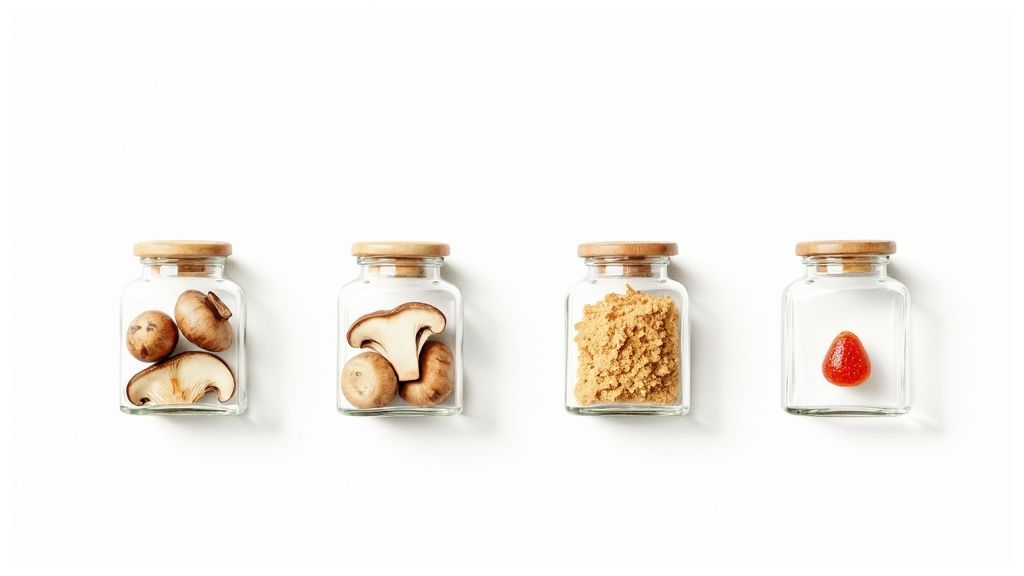
Getting a handle on the lifespan of your mushrooms is the first step to keeping them fresh and potent. The biggest difference between a mushroom that lasts a week and one that lasts a year boils down to one thing: water content. The more moisture it holds, the quicker it's going to degrade.
This is exactly why fresh mushrooms are so fragile. Culinary varieties like shiitake or oyster mushrooms are full of water and have high respiratory rates, which is a recipe for rapid decay. That's why they typically last just 5 to 7 days in the fridge and maybe a day or two if you leave them on the counter. We can dig deeper into the factors influencing fresh mushroom shelf life and how to make them last a bit longer.
Mushroom Shelf Life At A Glance
To keep things simple, here’s a quick rundown of what you can expect from different mushroom products, assuming you’re storing them correctly. Think of this as your go-to reference before we dive into the specific techniques that make these timelines possible.
| Mushroom Form | Optimal Storage Conditions | Estimated Shelf Life |
|---|---|---|
| Fresh Mushrooms | Refrigerator, in a breathable bag | 5-7 days |
| Dried Mushrooms | Airtight container, dark & cool place | 1-3+ years |
| Mushroom Powder | Airtight container, dark & cool place | 1 year |
| Chocolates/Gummies | Cool, dark, and dry place | 6-12 months |
Ultimately, the goal is to stop decay in its tracks by removing the two main culprits—moisture and oxygen. Get those under control, and you can dramatically extend the life and quality of any mushroom product you've got.
Here's a closer look at what those numbers mean in the real world:
Fresh Mushrooms: These are the most delicate of the bunch. Their high water content makes them prone to getting slimy and spoiling fast. You’re looking at 5-7 days in the refrigerator, tops.
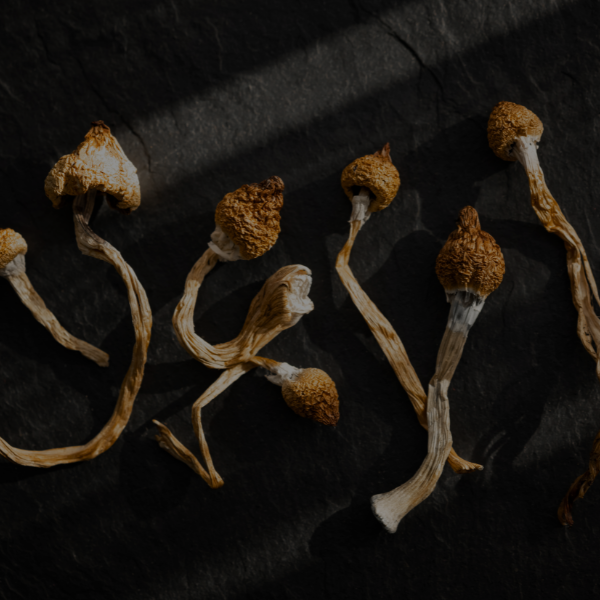
Dried Mushrooms: When they are completely "cracker dry" and sealed in an airtight container away from light, dried mushrooms are incredibly stable. They can easily last for 1-3 years—sometimes even longer—without losing much of their magic.
Mushroom Powder: While still long-lasting, grinding mushrooms into a powder exposes a lot more surface area to air and light. If you store it properly in an airtight container, it will stay potent for at least 1 year.
Mushroom Chocolates & Gummies: With edibles, the shelf life is often determined by the other ingredients. Kept in a cool, dark, and dry spot, most will be good for 6-12 months before they start to melt or go stale.
Why Some Mushrooms Last Longer Than Others
Ever wonder how that pack of fresh mushrooms in your fridge can go from perfect to slimy seemingly overnight, while the dried ones in your pantry look the same year after year? It’s not just random chance—it’s all about the mushroom's basic biology. Getting a handle on these principles is the secret to keeping them fresh and getting the most out of every product.
Think of a fresh mushroom as a living thing, still active long after it's been picked. It's basically a delicate, water-filled sponge. That high water content, which can be up to 90%, is the biggest reason they don't last. It’s the perfect playground for bacteria and mold to set up shop, leading to a quick decline.
But it’s not just the water. Fresh mushrooms are still breathing, in a way. They have a high respiration rate, meaning they continue to take in oxygen and release carbon dioxide even after harvest. This process breaks down their own cells from the inside out, causing them to get soft, turn dark, and decay. This one-two punch of high moisture and constant respiration makes them one of the most perishable things you can buy.
The Four Enemies of Mushroom Longevity
To really get why mushrooms go bad, you need to know what you’re up against. There are four environmental factors that speed up the process, turning a great mushroom into a gooey mess. Each one attacks the mushroom's structure and quality in a different way.
Here’s what you’re fighting:
- Moisture: Any extra moisture on the outside, on top of the mushroom's own high water content, is an open invitation for bacteria. This is what causes that dreaded slimy film.
- Oxygen: Mushrooms need to breathe, but too much oxygen exposure kicks enzymatic browning into high gear—the same thing that happens to a sliced apple. This leads to discoloration and breaks down the good stuff inside.
- Light: Direct light, especially from the sun, can degrade the sensitive compounds in a mushroom. It’s like fuel for chemical reactions that you really don’t want happening.
- Heat: Warmer temperatures make the mushroom’s respiration rate skyrocket. It basically forces the mushroom to "live faster and die younger," speeding up decay.
Think of it like this: trying to preserve a fresh mushroom is like trying to keep an ice cube from melting on a hot day. Your job is to control its environment to slow down the inevitable. By managing moisture, oxygen, light, and heat, you’re essentially putting the mushroom in a state of suspended animation to keep it good for as long as possible.
The Science of Preservation: Drying
So, if water is the main villain, the most obvious solution is to get rid of it. This is exactly why dried mushrooms are the undisputed champs when it comes to shelf life. The process of dehydration sucks nearly all the water right out of the mushroom's cells.
Once the water is gone, all the biological processes that cause decay just stop.
For starters, respiration comes to a complete halt. With no metabolic activity, the mushroom isn't breaking itself down anymore. More importantly, dehydration creates a desert-like environment where mold and bacteria just can't survive. They need water to grow and multiply; take that away, and they’re out of luck.
This simple act transforms a product that lasts a few days into one that can be good for years. A properly dried and stored mushroom becomes incredibly stable, holding onto its key properties until you're ready to add water back into the equation. This is the core reason the answer to "how long do mushrooms last?" changes so dramatically between fresh and dried. Once you get these basics, you can take control and extend the life of any mushroom you have.
The Best Way to Store Every Type of Mushroom
Knowing the science behind why mushrooms go bad is one thing, but actually putting that knowledge to work is what makes all the difference. Every form of mushroom, from fresh-off-the-stem to dried and powdered, faces its own unique set of enemies. This is your practical playbook for perfect preservation, ensuring you get every last bit of quality and longevity out of your mushrooms.
Proper storage isn't just about dodging mold; it’s about protecting the very integrity of the mushroom itself. The ultimate goal is simple: create a stable environment that shields it from its four biggest threats—moisture, oxygen, light, and heat.
This chart breaks down exactly what you’re up against.
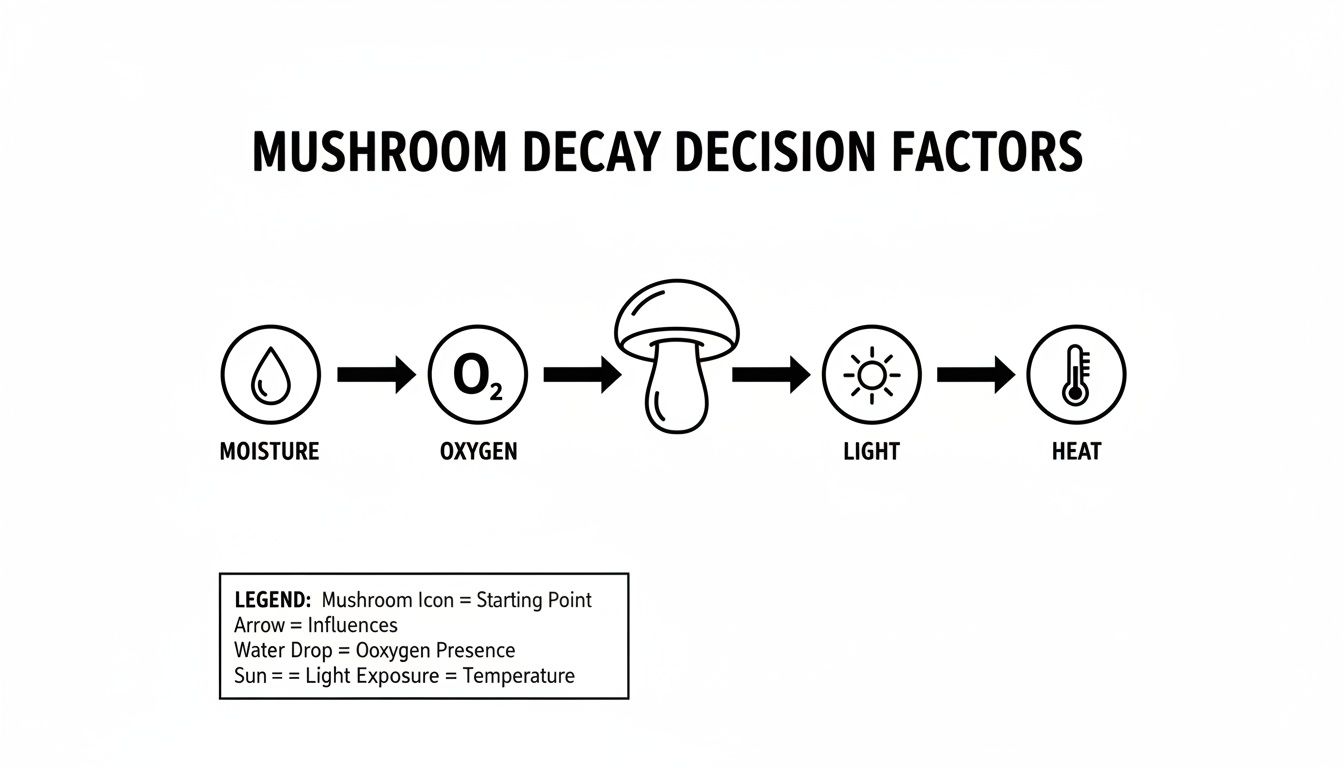
As you can see, winning the storage game is all about controlling these four elements to slow down the natural process of decay.
Storing Fresh Mushrooms
Fresh mushrooms are, without a doubt, the most fragile. Their high water content and the fact that they're still "breathing" makes them a ticking clock. The secret to keeping them fresh is managing moisture without suffocating them.
The most common rookie mistake? Sealing them in a plastic bag. This traps all the moisture and carbon dioxide they release, quickly turning them into a slimy, spoiled mess.
Instead, stick to this tried-and-true method for a solid 5 to 7 days of freshness:
- Clean, Don't Wash: Gently wipe off any dirt with a dry paper towel. Never wash them under water—they'll soak it up like a sponge and get soggy fast.
- Paper Bag is Best: Toss the cleaned mushrooms into a plain brown paper bag. The paper is just porous enough to let them breathe while wicking away any extra moisture.
- Refrigerate Smart: Place the bag in the main compartment of your fridge. Avoid the crisper drawer, as it's designed to hold humidity, which is the last thing you want.
This simple technique strikes the perfect balance, keeping them dry enough to fend off slime but hydrated enough to stay firm and fresh.
Storing Dried Mushrooms
When you need mushrooms to last, drying is the undisputed champion. Dehydration removes the water that mold and bacteria need to survive, so your main job is simply to keep them bone-dry. Moisture is the arch-nemesis here.
A perfectly dried mushroom should be "cracker dry." That means it snaps cleanly when you try to bend it. If it bends or feels leathery, it’s not done yet and needs more time in the dehydrator before you even think about storing it.
To get a shelf life of 1 to 3+ years, your storage setup needs to be airtight and kept in total darkness.
- Airtight Containers: Mason jars with a good rubber seal are your best friend. While plastic containers can work in a pinch, glass provides a much better barrier against moisture and air.
- Add Desiccants: For an extra layer of security, especially if you live somewhere humid, throw in a food-safe desiccant packet (like silica gel). It will act as a tiny moisture magnet, absorbing any rogue humidity that sneaks in.
- Cool & Dark Is Key: Stash your jars in a cool, dark place like a pantry or a deep cabinet. Light and heat are silent killers that will slowly degrade the mushroom's compounds over time.
Storing Mushroom Powders and Extracts
Grinding your dried mushrooms into a powder dramatically increases the surface area, making it far more vulnerable to degradation from oxygen and humidity. This means your storage game has to be even tighter for powders and extracts to prevent clumping and potency loss. The same goes for more concentrated forms, like a potent psilocybin mushroom extract.
To keep powders at their peak for up to a year, you’ll want to follow the same rules as for whole dried mushrooms, but be even more vigilant. An airtight glass jar isn't a suggestion—it's a requirement.
Because those fine particles can suck up ambient moisture in seconds, make it a rule to never leave the container open a moment longer than you need to.
Storing Mushroom Edibles
For goodies like mushroom-infused chocolates and gummies, the shelf life is often dictated more by the other ingredients than the mushroom itself. Chocolate can melt or "bloom" (when the cocoa butter separates), while gummies can get sticky or turn into hard little rocks.
Here, your primary threats are heat and moisture.
- Chocolates: Keep them somewhere cool, dark, and dry. A pantry often works fine, but if you're in a warm climate, the refrigerator is a safer bet. Just be sure to keep them in their original airtight wrapper to stop them from absorbing weird fridge smells.
- Gummies: Just like chocolate, gummies need a cool, dark, and dry home. Their sugar content is a magnet for moisture, so a truly airtight container is crucial to keep them from turning into one giant, sticky blob.
With a little care, most edibles will stay fresh and effective for 6 to 12 months.
It's no surprise that the demand for these processed forms is exploding. The global mushroom market is on track to hit $115.8 billion by 2030, and a big reason is that products like dried mushrooms and edibles solve the biggest problem of fresh ones: they don't last. By extending their usability, they open up a world of possibilities and cut down on waste. You can learn more about the mushroom market's impressive growth on grandviewresearch.com.
Let’s pull all this practical advice together into a quick-reference guide. Storing mushrooms correctly is all about matching the right technique to the right form.
Optimal Storage Techniques By Mushroom Type
| Mushroom Form | Best Container | Ideal Location | Key Tip |
|---|---|---|---|
| Fresh | Brown Paper Bag | Main compartment of the refrigerator | Never use plastic! Let them breathe to prevent slime. |
| Dried (Whole) | Airtight Glass Jar (e.g., Mason) | Cool, dark place (pantry, cabinet) | Add a desiccant packet to absorb any trace moisture. |
| Powders/Extracts | Airtight Glass Jar | Cool, dark place | Minimize air exposure; open the jar only when necessary. |
| Chocolates | Original Airtight Packaging | Cool, dry spot (pantry or fridge) | Keep sealed to prevent absorbing odors if refrigerated. |
| Gummies | Airtight Container | Cool, dry spot | A solid seal is non-negotiable to prevent them from getting sticky. |
Using this chart as your go-to guide will ensure that no matter what form your mushrooms are in, you're giving them the best possible environment to stay potent, fresh, and safe for as long as possible.
How to Spot a Mushroom That Has Gone Bad
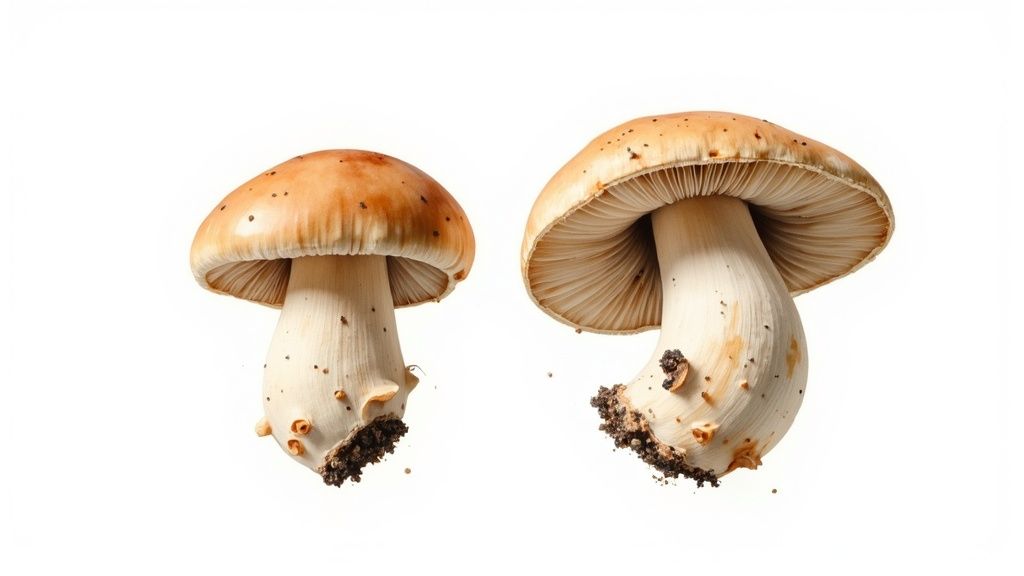
Knowing when your mushrooms have peaked and when they've officially gone bad is a crucial skill. It’s not just about avoiding a funky taste; it’s about safety and making sure you get the quality you paid for. Your best tools for this job are the ones you always have with you: your eyes, your hands, and your nose.
Think of it like being a produce inspector at the grocery store. You wouldn't pick a bruised apple or moldy bread, and the same logic applies here. Learning the red flags for different mushroom forms lets you use them with confidence, knowing they're both safe and effective.
Identifying Spoilage in Fresh Mushrooms
Fresh mushrooms have the shortest fuse, so their signs of decay are usually pretty obvious once you know the tells. A perfect fresh mushroom should be firm to the touch, mostly dry with a slightly spongy feel, and have an even color. Give it a sniff—it should smell mild and earthy.
When they start to turn, you'll see a few clear signs. The absolute biggest giveaway is a slimy film developing on the surface. That’s your number one sign that bacteria are having a party, and it’s time to toss them out.
Here’s a quick mental checklist to run through:
- Look for Dark Spots: A few tiny blemishes are fine, but if you see large, spreading dark patches, that’s a sign the mushroom’s tissue is breaking down.
- Check for a Slimy Texture: If the surface feels slick, sticky, or unpleasantly wet, they've started to spoil. No questions asked, into the compost they go.
- Smell for Off-Putting Odors: Fresh mushrooms smell earthy. Spoiled ones smell… wrong. Think pungent, sour, or even a bit fishy. It’s a distinct and unpleasant shift.
- Feel for a Mushy Consistency: A healthy mushroom is firm. If it feels soft, wrinkled, or squishy, it’s lost its structural integrity and is well past its prime.
Bottom line: trust your gut. If a fresh mushroom looks, feels, or smells off, it’s always better to play it safe and get rid of it.
Checking the Quality of Dried Products
Dried mushrooms are built to last, but they aren't immortal. Their biggest enemy is moisture. If even a little bit gets in, it can ruin an entire stash.
The gold standard for checking a dried mushroom is the "cracker snap" test. A perfectly dried mushroom should be brittle enough to snap cleanly when you bend it. That crispness is your guarantee that the moisture content is low enough to keep mold and bacteria away.
If a dried mushroom bends instead of snapping, or if it feels leathery or pliable, it has either sucked up moisture from the air or wasn't dried properly to begin with. This makes it a perfect breeding ground for mold, even if you can't see any yet.
Beyond the snap test, keep an eye out for these other warning signs:
- Visible Mold: This is a dealbreaker. Look for any fuzzy spots—they can be white, green, or black. If you see mold, the whole batch has to go.
- Clumping (in Powders): If your mushroom powder is forming hard chunks, moisture has found its way in. It might still be usable, but it’s a clear sign that quality is degrading.
- Loss of Color and Aroma: Over time, light and air will cause dried mushrooms to fade and lose that rich, earthy smell. This means they’re losing both quality and potency.
When Edibles and Other Products Go Bad
With products like mushroom chocolates, gummies, or coffee, you’re usually watching for spoilage in the other ingredients. The mushroom extracts are typically very stable, but the food they're mixed into has its own expiration date.
For instance, chocolate can develop "bloom"—that harmless white or grayish film that shows up when cocoa butter separates from temperature swings. It’s safe to eat, but the texture will be off. Gummies, on the other hand, can get rock-hard or unpleasantly sticky if they've been exposed to the elements.
Always check the expiration date on packaged goods, but use your senses as the final judge. If an edible smells rancid, has a weird texture, or shows any visible mold, it’s not worth the risk. By understanding these signs, you can confidently answer the question "how long do mushrooms last?" no matter what form they’re in.
Keeping Mushrooms Fresh During Shipping and Handling
For anyone buying mushrooms online, that trip from the supplier to your front door is a make-or-break moment. All the meticulous work of growing and drying can be completely wasted if the package isn't up to snuff. The whole point of proper shipping is to fight back against the four big enemies of freshness: moisture, oxygen, light, and heat.
This isn't just about throwing some shrooms in a box. It's a science, all about creating a tiny, stable environment inside the package that can withstand temperature swings and the inevitable bumps of transit. When it’s done right, the product that shows up is safe, discreet, and just as potent as when it left.
The Gold Standard for Packaging Dried Mushrooms
To make sure dried mushrooms arrive in perfect shape, top-tier sellers use a multi-layered defense. Each piece of this system has a specific job, all working together to protect the product's quality while it's on the move.
The absolute cornerstone of this process is vacuum-sealing. By sucking out nearly all the air, this one move takes oxygen—a primary cause of degradation—out of the equation. This stops oxidation in its tracks, protecting the mushroom's delicate compounds. As a bonus, it also compresses everything, making the package smaller and less prone to getting crushed.
To really lock in that freshness, two small but powerful helpers are usually tossed in the bag before it's sealed.
- Oxygen Absorbers: These little packets are filled with iron powder that acts like a magnet for any leftover oxygen, creating an environment that's virtually oxygen-free.
- Desiccant Packs: You've seen these before. They're filled with silica gel, which is basically a super-sponge for moisture, pulling any trace humidity out of the air to keep the mushrooms perfectly "cracker dry" and free from mold.
You can think of this trio—vacuum-sealing, oxygen absorbers, and desiccants—as a personal fortress for your mushrooms. This setup essentially puts them in suspended animation, locking in their quality for the entire trip and even longer.
Why Discretion and Light Protection Matter
What's on the outside of the box is just as important as what's on the inside. Best practice is to use plain, boring boxes or mailers that give no hint as to their contents. This protects your privacy and helps the package sail through transit without drawing any unwanted attention.
On top of that, the packaging has to be 100% light-proof. Light, especially the UV kind, is notorious for breaking down the active compounds in mushrooms and tanking their quality. Opaque, well-sealed boxes block out this harmful exposure, keeping the product's integrity intact from start to finish. A professionally packed shipment also says a lot about the supplier. If you want to know more about what a high-quality service looks like, our guide on how fast overnight shipping is offers some great insights.
From the second an order is placed to the moment it lands on your doorstep, every single detail is about protecting your investment. By understanding these industry-standard methods, you can feel confident that the mushrooms you get have been handled with care, ready for you to store them using the tips we’ve already covered.
Common Questions About Storing Mushrooms
Even with a solid game plan, you're bound to have some specific questions pop up when it comes to keeping your mushrooms in prime condition. This is where we tackle those common "what ifs" with clear, straight-to-the-point answers.
Think of this as the final piece of the puzzle. It’s here to give you that extra bit of confidence to handle any storage situation and get the absolute most out of your products.
Can I Freeze Fresh Mushrooms to Make Them Last Longer?
Yes, you can absolutely freeze fresh mushrooms, but there’s a huge catch. Tossing them in the freezer raw is a one-way ticket to a slimy, mushy disaster when they thaw out. That’s because mushrooms are mostly water, and freezing them raw shatters their cell walls.
The right way to do it involves one crucial first step: cooking.
- Sauté First: Cook your mushrooms in a pan with a bit of oil. You want them to release all that moisture and get a little color on them.
- Cool Completely: Spread the cooked mushrooms out on a baking sheet and let them cool all the way down to room temperature.
- Flash Freeze: Pop that baking sheet in the freezer for about an hour. This keeps them from freezing into one giant, inseparable mushroom brick.
- Store Airtight: Once they're frozen solid, transfer them into a freezer-safe bag or an airtight container.
Done this way, they'll keep for up to a year and are perfect for tossing directly into soups, sauces, or stews right from the freezer.
Does Grinding Dried Mushrooms Affect Shelf Life?
Grinding dried mushrooms into a powder definitely changes the game. While it's incredibly convenient, it also massively increases the surface area exposed to air, light, and humidity—the three mortal enemies of potency and freshness.
What this means is that a powder will lose its quality much faster than a whole dried mushroom if you're not careful. To give it the longest possible life, you have to store it in a completely airtight glass container tucked away in a cool, dark place. Throwing in a food-safe desiccant packet is a pro move to fight off any sneaky moisture. While whole dried mushrooms are the undisputed champs of longevity, a properly stored powder can still be perfectly good for over a year.
How Long Do Mushroom Edibles Like Chocolates or Gummies Last?
The shelf life of mushroom edibles is all about their other ingredients, but you can generally expect them to last between 6 and 12 months with proper storage. The biggest threats are the food components going bad—chocolate blooming or melting, gummies getting sticky—and, of course, the active compounds slowly degrading over time.
To keep them fresh, store them in their original airtight packaging in a cool, dark, and dry spot. The refrigerator is a fantastic choice for both chocolates and gummies, as that consistent cool temperature helps maintain their texture and protect their quality. For anyone using edibles for specific wellness goals, like exploring mushroom gummies for anxiety, proper storage is key to ensuring you get the consistent experience you're after.
Does the Cracker Dry Test Really Matter for Dried Mushrooms?
Oh, absolutely. The "cracker dry" test isn't just a suggestion; it's your single most important quality check for long-term storage. If a dried mushroom bends or feels even slightly leathery instead of snapping cleanly in two, it's telling you there’s still moisture hiding inside.
That hidden moisture is a ticking time bomb. It’s the perfect breeding ground for mold and bacteria that will ruin your entire stash, often before you can even see that anything is wrong.
Always test a few pieces from your batch before sealing them away. If they don’t have that satisfying, crisp snap, they need more time in the dehydrator. It’s a non-negotiable step to guarantee they’ll last for years.
At The Magic Mushroom Delivery, we make sure every single product is perfectly prepared and packaged to maximize its shelf life from the moment it leaves our hands. Explore our curated selection of high-quality mushroom products, delivered discreetly to your door.