
Finding dark, discolored spots on your mushrooms can be a bit of a heart-stopping moment, sparking an immediate worry about black mold. But before you toss them out, take a deep breath. The good news is that what you're seeing is often a completely harmless, natural process. While true mold is a definite problem, a lot of other things get mistaken for it.
Is It Really Black Mold on My Mushrooms

Finding something that looks like black mold on your mushrooms can feel pretty alarming, but let's clear the air. More often than not, those dark patches aren't dangerous mold at all. They are typically either harmless bruising or spores—both of which are totally natural for a mushroom.
Think of mushroom bruising like an apple that turns brown after you slice it or a banana that gets dark spots when bumped. This discoloration is just a simple chemical reaction inside the mushroom, usually caused by handling, pressure during shipping, or even temperature shifts. It’s a stain, not spoilage.
What Bruising Looks Like
Bruising on mushrooms shows up as blueish, purplish, or even blackish stains right on the surface of the stem or cap. The key thing to notice is that it’s flat—it looks like the mushroom itself has just changed color in that spot. You won’t see any fuzzy or 3D texture. This reaction is completely normal for many types of mushrooms.
What Spores Look Like
Another common sight is a dark, dusty powder, which you might find collected at the bottom of a bag of dried mushrooms. These are just spores, which are basically the mushroom's version of seeds. It's perfectly normal for mature mushrooms to release their spores during harvesting and drying.
This dark, fine powder is a natural part of the mushroom's life cycle. It's not contamination and does not indicate a problem with the product's quality or safety.
Spores will look like a dark dust that coats other mushrooms, but they won't form fuzzy patches or feel slimy. If anything, they're a sign that you have mature, healthy mushrooms.
How to Spot Real Mold
Now, actual mold is a different story. It’s a contaminant and a clear signal that the product is unsafe and should be discarded. Unlike flat bruising or powdery spores, mold has a distinct and unwelcome appearance. It's a three-dimensional growth on the surface of the mushroom.
These are the red flags for real mold:
- Fuzzy Texture: Mold often looks like a cottony, velvety, or furry patch. You can see it growing on the mushroom, not just being a part of it.
- Color Variation: While some molds are black, they can also be green, white, gray, or blue.
- Slimy Feel: A mushroom that's starting to grow mold may also become slimy or unpleasantly soft to the touch.
- Musty Odor: This is a huge giveaway. Your nose knows. Moldy mushrooms will have a sour, damp, or musty smell, which is completely different from the natural, earthy scent of healthy mushrooms.
To help you quickly tell the difference on the spot, here’s a simple guide to check against.
Quick Guide Bruising Spores vs Mold
Use this table to quickly distinguish between harmless bruising, normal spores, and potentially harmful mold on your mushrooms.
| Characteristic | Bruising (Harmless) | Spores (Normal) | Potential Mold (Unsafe) |
|---|---|---|---|
| Appearance | Flat, stain-like discoloration on the mushroom's surface. | Fine, dark powder, often found at the bottom of the container. | Fuzzy, cottony, or slimy patches growing on the surface. |
| Color | Blue, black, or purplish hues. | Dark brown or black. | Green, white, gray, or black. |
| Texture | No change in texture; feels like the rest of the mushroom. | Powdery and dusty. | Three-dimensional, fuzzy, or slimy to the touch. |
| Smell | Smells like a normal, earthy mushroom. | Smells earthy, like the mushrooms themselves. | A distinct musty, sour, or "off" odor. |
When in doubt, your sense of smell is one of your best tools. A healthy mushroom smells earthy and fresh, while a moldy one will have an unmistakable "off" smell that tells you something is wrong. Trust your instincts—if it seems off, it probably is.
Understanding True Toxic Black Mold
When you hear the phrase “toxic black mold,” your mind probably jumps to one specific culprit: Stachybotrys chartarum. This is the notorious fungus you see in scary news stories about water-damaged homes, often linked to some serious health problems. It's completely natural to worry if this is the same stuff that could pop up on food, like your mushrooms.
Let's clear the air: it's extremely unlikely. Think of Stachybotrys as a very picky eater with a very specific lifestyle. It doesn't just grow anywhere.
The Specific Needs of Stachybotrys
True toxic black mold isn't some random opportunist that colonizes a forgotten orange in your fruit bowl. It demands a unique, consistent environment to even get started—an environment that just isn't found on food products.
Its ideal home is a material packed with cellulose that stays soaking wet for a long time. We're talking weeks, not just a few days of dampness. This is exactly why you find it feasting on building materials after major water damage.
- Drywall that's been drenched by a burst pipe.
- Ceiling tiles sitting under a chronic roof leak.
- Piles of wet cardboard or wood forgotten in a flooded basement.
These spots provide the perfect meal (cellulose) and the constant, waterlogged conditions Stachybotrys needs to establish a colony. A mushroom, even if it's stored badly, just doesn't fit the bill.
Why Mushrooms Are an Unlikely Host
Sure, mushrooms have a lot of water in them, but their makeup and life cycle are worlds apart from a piece of drywall. The molds that thrive on food are typically fast-growing species built to devour sugars and other simple organic compounds. These are the familiar fuzzy green, white, or gray molds you'd find on old bread or fruit.
Stachybotrys chartarum is a slow-growing mold. In most places, it gets easily out-competed by other fungi. On a food source like a mushroom, common molds would take over and win the race long before Stachybotrys could ever get a foothold.
So, while you might find common food molds on improperly stored mushrooms, the chance of encountering the infamous toxic black mold mushrooms are known for is practically zero. Making this distinction helps separate legitimate concern from overblown fear.
What “Toxic Black Mold” Really Means
The "toxic" label comes from the fact that Stachybotrys can produce mycotoxins, which are harmful compounds that can cause issues if you inhale them over a long time. But here's the thing: plenty of common molds can produce mycotoxins, too. The idea of a single, uniquely dangerous "toxic black mold" is more of a media headline than a scientific fact.
In reality, there are over 100,000 types of mold, and many of them can look black. A mold's color is not a reliable ID for what species it is or how dangerous it might be. A black-colored splotch on a mushroom is far more likely to be a common species like Aspergillus niger than the dreaded Stachybotrys.
This doesn't mean you should just ignore mold on your mushrooms. Any mold on food is a clear sign of spoilage, and it means the product is not safe to eat. The key takeaway is that the risk isn't from the headline-grabbing "toxic black mold," but from the more mundane, yet still problematic, molds that spoil our food. The rule is simple—if you see mold, it's time to toss it.
How to Confidently Identify Mold on Mushrooms
Figuring out if your mushrooms have gone bad is way easier than you think. You don't need a microscope or a lab coat—just your own senses. Trusting what you see, smell, and feel is the best way to tell the difference between a quality mushroom and one that's ready for the bin.
Let's walk through how to inspect your mushrooms like a pro.
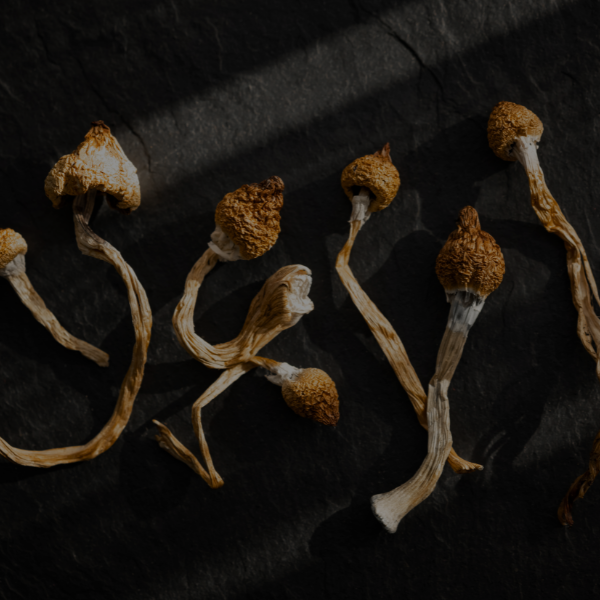
The first thing to do is a simple visual check. Your eyes are your best first defense against spoilage. Healthy dried mushrooms should look pretty consistent, though a few natural imperfections are totally normal. Actual mold, on the other hand, shows up as colors and textures that are definite red flags.
Look for any weird patches that just don't belong. Early mold often looks like cottony white fuzz on the surface. If it's further along, you might see spots of green, gray, or even black. Unlike a simple bruise, which is flat, mold is a 3D growth that looks like it's sitting on top of the mushroom.
This chart helps put the dreaded "black mold" into perspective.

The main takeaway here is that Stachybotrys, the infamous toxic black mold you hear about in water-damaged buildings, is incredibly unlikely to grow on mushrooms. It needs a constantly wet, cellulose-rich environment (like drywall or wood), which just isn't what a dried mushroom provides.
Using Touch to Detect Spoilage
Your sense of touch is another great tool in your toolkit. The texture of a mushroom says a lot about its condition. A properly dried mushroom should feel crisp and snap easily when you try to break it. People often describe this as "cracker dry."
If you pick up a shroom and it feels soft, bendy, or even a little slimy, that’s a huge warning sign. Moisture is mold’s best friend, and a mushroom that has absorbed water from the air becomes the perfect place for it to grow. A slimy texture is an almost certain sign of bacterial growth or advanced mold.
Key Warning Sign: Any mushroom that feels damp, strangely soft, or slimy to the touch should be considered compromised and unsafe. A healthy, well-dried product will always feel brittle and dry.
Don't skip this simple test. If the texture feels off, it's time to investigate more closely, especially with your nose. If you want to see what different kinds of unwanted growth look like, you can check out our visual guide with pictures of mycelium contamination.
The Undeniable Smell Test
Finally, and maybe most importantly, trust your nose. Your sense of smell can pick up on spoilage long before it’s obvious to the eye. A healthy, quality mushroom should have a clean, earthy scent—kind of like rich soil after it rains.
When mold is present, that pleasant smell is gone, replaced by something foul. The smell is a dead giveaway.
- Musty or Damp: This is the most common "off" smell. Think of a damp basement or a pile of wet leaves.
- Sour or Acrid: Some molds give off a sharp, sour scent, a bit like spoiled food.
- Ammonia-like: In some cases, especially with bacteria, you might notice a faint chemical or ammonia-like odor.
If you open the bag and get hit with anything other than that classic earthy aroma, just stop. A musty or sour smell is an undeniable sign that mold is growing, even if you can't see it yet. This simple sniff test is your most reliable way to confirm a product is no longer safe to use.
The Health Risks of Consuming Moldy Food
So, what happens if you accidentally eat a mushroom that's gone a bit funky? It’s a common worry, and while you should definitely be cautious, the reality is often less dramatic than you might imagine. For most healthy people, accidentally eating a tiny bit of mold might not cause any issues at all, or at most, some temporary stomach upset.
Think of your stomach acid as a powerful first line of defense. It's designed to neutralize many of the unwelcome bacteria and mold spores that make their way down there. The most likely outcome is some passing gastrointestinal grumbling, like nausea or indigestion, as your body works to get rid of the intruder.
Allergic Reactions and Sensitivities
For some folks, the reaction can be more immediate and noticeable, a lot like a typical food or seasonal allergy. Mold spores can act as allergens, kicking your immune system into high gear even when you eat them.
This can trigger symptoms like:
- Sneezing or a runny nose
- Watery, itchy eyes
- Skin irritation, such as a rash or hives
These reactions are especially common for people who already know they have a mold allergy. If you're someone who gets sneezy from airborne mold, you're more likely to react to mold on your food. It’s a lot like a pollen allergy—some of us are just more sensitive to these microscopic particles than others.
The Real Concern: Mycotoxins
While a bit of stomach trouble or an allergic flare-up is no fun, the more serious concern with eating moldy food comes from invisible compounds called mycotoxins. These are toxic chemicals that certain types of molds produce, and you can't see them, smell them, or get rid of them by cooking. They can be present even if you just slice off the visibly moldy part.
Not all molds produce mycotoxins, but since it's impossible to tell which ones do just by looking, the only safe bet is that any moldy food is potentially harmful. This is the simple wisdom behind the 'when in doubt, throw it out' rule.
Mycotoxins are the main reason why trying to "save" moldy food is a bad idea. Unlike the mold you can see on the surface, these toxins can seep deep into the food, much like how a single drop of ink will slowly spread through a whole glass of water.
Who Is Most at Risk?
While mycotoxins are a potential risk for anyone, certain groups of people are far more vulnerable to the effects of eating mold and need to be extra careful. Their bodies are just not as well-equipped to fight off contaminants.
Individuals with these conditions should be especially vigilant:
- Weakened Immune Systems: People with compromised immunity (from medical conditions or treatments) have a much harder time fighting off infections, and mold can become a serious threat.
- Asthma and Respiratory Conditions: Ingesting or even inhaling mold spores can trigger severe asthma attacks and other breathing problems.
- Known Mold Allergies: For anyone with a diagnosed allergy, exposure can lead to much more intense and immediate reactions.
For these individuals, mold exposure isn't just a minor issue—it can lead to serious health complications. This is why it’s so critical to be certain about the quality of your products, whether it's bread, cheese, or mushrooms. Trying to save a few bucks on a questionable product is never worth the risk to your health. The potential of finding black mold on mushrooms or any other food makes a careful inspection an absolute must.
A Guide to Proper Mushroom Storage

When it comes to mold on your mushrooms, the best offense is a good defense. Forget about dealing with mold after it appears; the real secret is making sure it never gets a foothold in the first place.
Think of proper storage as your ultimate tool. By creating an environment where contaminants just can’t get comfortable, you’re protecting the quality and safety of your products for the long run. The key is to control temperature, light, and especially moisture.
Moisture is mold’s best friend. Even a little bit of humidity is like rolling out the welcome mat for spores to move in and start a colony. For dried mushrooms, your mission is simple: keep them bone dry.
Best Practices for Storing Dried Mushrooms
The golden rule for storing dried mushrooms is easy to remember: cool, dark, and dry. This trifecta is the perfect recipe for shutting down the life support system for most molds, including the kind that shows up as black mold on mushrooms.
Humidity is the main villain here, which makes an airtight container your hero. It’s your primary defense against moisture from the air trying to sneak in and rehydrate your mushrooms.
Good options include:
- Glass jars with solid, screw-on lids (like a classic Mason jar).
- Food-grade plastic containers that you know have a trustworthy seal.
- Vacuum-sealed bags are fantastic for long-term storage since they pull out almost all the air.
Want to take your storage game to the next level? Toss a food-safe desiccant packet into your container. These little packets are designed to soak up any stray moisture, giving you an extra layer of insurance against mold.
Once they're sealed up, find them a home in a cool, dark place. A pantry or cupboard works perfectly, as long as it’s away from sunlight and heat sources like an oven. Light and heat will degrade your mushrooms over time, even if mold never becomes a problem. For a deeper dive, check out our guide on the best way to store shrooms for more pro tips.
Storing Edible Products Like Chocolates and Gummies
The rules change a bit when you're dealing with edibles like mushroom chocolates or gummies. These products have other ingredients—sugar, fats, oils—that don't do well with temperature swings. For most of these treats, the fridge is your best bet.
Refrigerating them does two important things. First, the cold temperature puts the brakes on any potential microbial growth. Second, it keeps the product itself stable, stopping chocolates from melting or gummies from turning into a sticky mess.
Always keep them in their original sealed package or another airtight container. This protects them from funky fridge smells and keeps them fresh.
Storage Do's and Don'ts
Here’s a quick-reference guide to keep your storage strategy sharp.
| Do | Don't |
|---|---|
| Do use an airtight container for all mushroom products. | Don't store them in an open bag or container. |
| Do store dried products in a cool, dark place. | Don't leave them exposed to direct sunlight or heat. |
| Do refrigerate edibles like chocolates and gummies. | Don't store dried mushrooms in the fridge, as condensation can add moisture. |
| Do add a desiccant packet for extra protection against moisture. | Don't forget to check on your products periodically for any signs of change. |
Following these simple storage rules means you're actively preventing the conditions that mold loves. This approach doesn't just protect your investment—it ensures that when you're ready for an experience, your products are as safe and effective as the day you got them.
What to Do If You Find Mold
It's a frustrating moment: you open a product you were excited about, and something just looks… off. Finding what appears to be mold can be a real letdown, but the steps you take next make all the difference.
The number one rule is also the simplest—your safety is everything. No matter what, do not consume any part of a mushroom that you even slightly suspect is moldy.
First things first, handle the situation calmly. The immediate goal is to contain the product so that microscopic spores don't get a chance to float around your home. They can easily become airborne if you're not careful.
Step 1: Safely Dispose of the Product
Your main mission here is to prevent any cross-contamination. Before you do anything else, gently place the entire product, including its original packaging, into a sealable plastic bag. Squeeze out as much air as you can before sealing it up tight.
Think of it like quarantining a sick plant to protect the rest of your garden. By sealing the bag, you’re creating a barrier that traps the spores inside. Once it's sealed, you can toss it in your household trash without a second thought.
Crucial Safety Tip: Whatever you do, resist the urge to open the bag for a "better look" or to smell the product once you've spotted mold. That can release a puff of spores right into your air, which is exactly what you're trying to avoid.
Step 2: Document the Issue Clearly
Before that sealed bag hits the trash can, pause and take a few clear, well-lit photos of the product inside. Good documentation is your best friend when it comes to getting a smooth and fast resolution from the vendor.
Make sure your photos capture:
- The moldy areas: Get some close-ups that clearly show the fuzzy texture or dark spots.
- The overall product: A wider shot is great for providing context.
- Any batch numbers or packaging details: This info is incredibly helpful for the seller’s quality control team.
These pictures act as clear proof of the problem. They cut through any potential back-and-forth and make it incredibly easy for a customer service rep to see what happened and help you out.
Step 3: Contact the Vendor
With your photos ready to go, it’s time to reach out to the company you ordered from. Any reputable vendor wants to know about quality issues and will value you bringing it to their attention.
To make the process as quick as possible, have this information ready when you call or include it in your email:
- Your full name and order number.
- A short, simple description of the problem (e.g., "I found what looks like black mold on the mushrooms in my recent order").
- The clear photos you just took.
A polite and professional message will always get you the best and fastest results. A good company should be quick to offer a solution, whether that’s a refund or a replacement. Of course, proper storage from the moment you receive your products is key to prevention, and you can learn more in our guide on how long mushrooms last under the right conditions.
Frequently Asked Questions About Mushroom Mold
Even after you know what to look for, a few common questions always seem to pop up. We get it. So, let’s tackle those lingering thoughts to give you complete peace of mind when checking your mushrooms, helping you tell the difference between a harmless quirk and a real concern like black mold on mushrooms.
Can I Just Cut Off the Moldy Part?
It’s always tempting to try and salvage something by just cutting off the fuzzy bit you can see, but when it comes to mold, this is a major safety risk. The simple, non-negotiable answer is no.
Think of that visible mold spot as just the tip of the iceberg. Mold grows in a massive, unseen network of thread-like roots called mycelium. These roots tunnel deep into the mushroom, far beyond what you can see on the surface.
Worse yet, these invisible threads can carry mycotoxins—nasty compounds you can't see, smell, or even cook away. Simply slicing off the fuzzy patch does nothing to remove the contamination that has already spread throughout the entire product.
The only safe move is to discard the entire product. Your health is far more valuable than trying to save a few dollars on a compromised item.
Is the Blue on My Mushrooms Mold?
This is one of the most frequent points of confusion we hear about, and thankfully, the answer is usually a reassuring one. That blue or bluish-green discoloration on many mushrooms is almost always bruising, not mold.
This bruising is just a natural chemical reaction. It’s a lot like how an apple turns brown after you slice it, or how a banana peel gets dark spots when it gets bumped around.
It's simply a stain caused by handling or pressure, and it’s not a sign of spoilage or danger at all. Bruising will look like a flat discoloration right on the mushroom’s surface, while mold will be fuzzy, three-dimensional, and often come with a musty smell.
How Can I Ensure My Mushrooms Are High Quality?
The absolute best way to sidestep any issues with mold is to buy from a reputable source that takes its quality control seriously. A vendor you can trust will be transparent about their practices and will always put your safety first.
Here’s what to look for in a quality vendor:
- Product Safety Standards: They should have clear, established protocols for how they grow, harvest, and store their products to prevent contamination right from the start.
- Transparent Customer Education: A good company wants you to be an informed customer. They offer resources, guides, and clear info about their products and how to use them safely.
- Responsive Customer Service: If you ever do have an issue, they make it easy to get in touch and are quick to solve the problem. They should always stand behind the quality of what they sell.
Choosing vendors who are open about their process and dedicated to quality is your best line of defense. It ensures you get a product that is not only effective but, most importantly, safe.
At The Magic Mushroom Delivery, we are committed to providing only the highest-quality, lab-tested products. Explore our curated selection of mushrooms and edibles, backed by transparent practices and a dedication to your safety and satisfaction. Visit us at https://themagicmushroomdelivery.com to learn more.