
Walk into any health store, and you'll find shelves lined with little dropper bottles promising all sorts of plant-based goodness. For a long time, most of these were traditional tinctures made with alcohol. But there's a gentler, more approachable option that's quickly becoming a go-to for many: alcohol-free tinctures.
These are potent, concentrated liquid extracts of herbs or mushrooms, made completely without alcohol. They offer all the benefits of plant-based wellness in a form that's gentle, easy to take, and fits a much wider range of lifestyles than the sharp, burning taste of traditional formulas.
The Rise of Alcohol-Free Tinctures in Modern Wellness

It’s no secret that people are more focused than ever on clean living and finding health solutions that truly work for them. This shift has pushed alcohol-free tinctures from a small niche right into the mainstream wellness spotlight.
At its heart, a tincture is pretty simple. It's a concentrated liquid made by soaking plant material—like herbs, roots, or mushrooms—in a solvent to pull out all the good stuff. For centuries, alcohol was the top choice because it’s a powerhouse for both extraction and preservation. But let's be honest, its strong taste and the fact that many people avoid alcohol makes it a non-starter for a lot of folks.
A Gentle Alternative for Everyone
This is where alcohol-free options have become a game-changer, opening up the world of herbal and mushroom extracts to just about anyone. These milder preparations are a perfect fit for:
- Anyone with alcohol sensitivities or those in recovery.
- People following specific religious or dietary rules.
- Parents looking for kid-friendly herbal options that don't taste awful.
- Frankly, anyone who just can't stand the harsh bite of an alcohol-based tincture.
Instead of alcohol, these modern formulas use other solvents, most commonly vegetable glycerin. The resulting extract, often called a glycerite, is naturally sweet and has a smooth, pleasant taste. This simple switch makes taking your daily botanicals not just something you have to do, but something you actually enjoy.
It's just common sense: if something tastes good, you're more likely to use it. Studies on supplement habits show that taste and ease of use are huge factors in whether people stick with their routine. The pleasant flavor of glycerin-based tinctures solves this problem, making consistency a whole lot easier.
Perfect for Herbal and Mushroom Extracts
The move away from alcohol is a particularly big deal for functional mushroom extracts. Mushrooms have a complex array of beneficial compounds, and using a mix of water and glycerin can pull out the full spectrum without any alcohol getting in the way.
This dual-extraction process doesn't just preserve the delicate compounds; it also does a fantastic job of masking the sometimes earthy or bitter flavor of mushrooms.
As more of us look for natural ways to feel better—whether it's for managing stress, boosting focus, or supporting immunity—the demand for products that are both effective and easy to use is only going to grow. Alcohol-free tinctures are a key part of this evolution, proving you can have all the potency without any of the compromise.
Here is the rewritten section, crafted to sound human-written and match the provided examples.
How Tinctures Capture a Plant's Essence
Think of making a really, really strong tea. But instead of letting the herbs steep for just a few minutes, you let them soak for weeks, patiently drawing out every last drop of their beneficial compounds. This slow, deliberate process is the heart of tincture making. It's an age-old method designed to capture a plant's very essence in a concentrated, liquid form.
To get how this works, you have to understand the solvent. The solvent is just the liquid used to pull out all the good stuff from the plant material. It's like a key unlocking a treasure chest; different keys (solvents) can open different parts of the chest, revealing the plant's full chemical profile.
The Traditional Gold Standard
For centuries, alcohol has been the undisputed champion of solvents in the world of herbalism. It’s incredibly effective for a few key reasons:
- Exceptional Extraction Power: Alcohol is what’s called a "biphasic" solvent. This just means it can dissolve both water-based and oil-based compounds. This is a huge deal because it allows alcohol to pull a super broad spectrum of active ingredients from a plant, creating a powerful, full-bodied extract.
- Natural Preservative: Alcohol is fantastic at stopping bacteria, mold, and yeast from growing. This gives traditional tinctures a crazy long shelf life—we’re talking years, no fridge required.
- Fast Absorption: When you take a few drops under your tongue, the body can absorb alcohol-based tinctures very quickly, delivering the plant's compounds right into your bloodstream.
But let's be real, alcohol’s sharp taste and potent nature aren't for everyone. This is exactly why finding an alternative is so important for making alcohol free tinctures. The whole game is about finding another liquid that can effectively extract the plant's essence without the downsides of alcohol.
The Science of Extraction
The actual process of making a tincture is called maceration. It’s pretty straightforward: you soak finely chopped or ground plant material (like leaves, flowers, roots, or even mushrooms) in a solvent for a long time, usually anywhere from two to six weeks.
During this soak, the solvent gets to work breaking down the plant's cell walls. As those walls dissolve, the valuable phytochemicals—the plant's active compounds—are released and get suspended in the liquid. The mixture is shaken regularly to make sure every bit of the plant material gets exposed to the solvent, which maximizes the extraction.
The core idea is simple: like dissolves like. Different solvents have different chemical properties, which dictate what they can pull out. A solvent that’s amazing at extracting minerals might be terrible at capturing delicate aromatic oils, and vice versa.
This is why a skilled tincture maker is so picky about their solvent. They’re balancing two main factors:
- The Plant Material: What are the key compounds in this specific herb or mushroom, and which solvent will pull them out best?
- The End User: Who is this tincture for? What do they need when it comes to taste, dietary rules, and their overall lifestyle?
By mastering this balancing act, it's totally possible to create highly effective alcohol free tinctures that are just as potent as the old-school versions but way more accessible. This know-how lays the foundation for exploring the unique non-alcoholic solvents that make these gentle yet powerful products a reality.
Exploring the World of Alcohol-Free Solvents
When you venture beyond traditional alcohol-based tinctures, you discover a whole new world of alternative solvents. Each one brings its own unique strengths to the table, and the choice can completely change the final product.
It’s a lot like cooking. You wouldn’t use olive oil for every single dish, right? Sometimes butter, coconut oil, or even a simple broth is the better call to get the specific flavors and textures you're after. The same logic applies when you're crafting a high-quality alcohol-free tincture.
Choosing the right liquid isn't just about sidestepping alcohol. It’s about carefully matching the solvent’s properties to the plant's compounds and, ultimately, to what the user needs. A skilled herbalist picks their base with purpose, knowing it impacts everything from the taste and potency to the tincture's shelf life. Let's get into the most common players in the non-alcoholic space.
The process itself is straightforward. You take your plant material, steep it in a solvent, and that liquid pulls out the good stuff, creating a concentrated extract.

As you can see, the solvent is the key. It's the vehicle that unlocks the plant’s essence and delivers it in a potent, easy-to-use form.
Vegetable Glycerin: The Sweet and Gentle Extractor
Food-grade vegetable glycerin is, without a doubt, the star of the show when it comes to alcohol-free solvents. This thick, sweet-tasting liquid is usually made from soy, coconut, or palm oil. When it's used as an extraction base, the final products are called glycerites.
Glycerin really shines in a few key areas:
- It Tastes Great: The natural sweetness is a total game-changer. It does an amazing job of covering up the harsh or earthy flavors of many herbs and mushrooms. This makes it a fantastic choice for kids, picky adults, or anyone who just can't stand the burn of alcohol.
- It’s Gentle on Delicate Compounds: Glycerin is much less aggressive than high-proof alcohol. That means it’s better at pulling out and preserving fragile aromatic compounds that a harsh alcohol might otherwise destroy.
- It Has Soothing Properties: As a natural demulcent, glycerin has a soothing, moistening effect on mucous membranes. This can be a nice little bonus for tinctures designed to calm a sore throat or ease an irritated stomach.
Because glycerin is such a versatile solvent and has a pleasant sweet taste, it has become the gold standard for modern alcohol-free tinctures. Many makers find that a blend of 60% glycerin and 40% water strikes the perfect balance for effective extraction and preservation.
But glycerin isn't a perfect substitute for alcohol. It struggles to pull out certain plant compounds like resins and some oils. It’s also a weaker preservative, so glycerites have a shorter shelf life—usually around 1-2 years—and need to be kept in a cool, dark spot.
Apple Cider Vinegar: The Acidic Powerhouse
Apple cider vinegar (ACV) is another fantastic alcohol-free option, particularly for certain kinds of preparations. Its acidic nature makes it a champ at extracting minerals and alkaloids from plants. Think about how vinegar tenderizes meat in a marinade; it uses a similar chemical process to break down tough plant materials and pull out the good stuff.
Using ACV as your solvent is a great idea when you want to:
- Pull Out Minerals: ACV is brilliant at extracting minerals like calcium from herbs such as nettle, oat straw, and red clover.
- Boost Digestion: Since ACV is already famous for supporting digestive health, using it as the base for digestive bitters or other gut-focused formulas creates a powerful synergistic effect.
- Make Oxymels: This is a classic herbal preparation combining herbs, vinegar, and honey. The end result is a tangy and sweet tonic that’s both effective and delicious.
Just like glycerin, vinegar-based extracts don't last as long as alcohol tinctures and need to be stored properly. It's also critical to use glass containers, because the acidity can eat away at metal lids over time.
Oil Infusions: The Fat-Soluble Solution
While they aren't technically "tinctures" in the strictest sense, oil infusions follow the same extraction principle and are a very popular alcohol-free method. This is where you steep your plant material in a carrier oil, like olive, coconut, or MCT oil.
This method is the go-to when you're trying to extract fat-soluble compounds—the parts of a plant that dissolve in fats instead of water. A perfect example is a coconut oil infusion, which is incredibly effective for capturing certain compounds from herbs and mushrooms that other solvents would leave behind.
Oils are fantastic for topical products like salves and balms, but they're also used to create ingestible products, especially for compounds that the body absorbs better alongside fats. The main downside is their shelf life, as oils can go rancid if they aren't stored correctly. If you're interested in giving it a try, you can learn all about making the perfect coconut oil infusion in our detailed guide.
To help you see the differences at a glance, here’s a quick comparison between traditional alcohol tinctures and their alcohol-free cousins.
Alcohol vs. Alcohol-Free Tincture Comparison
This table breaks down the key distinctions, helping you choose the right type of tincture for your specific needs and preferences.
| Feature | Alcohol Tinctures | Alcohol-Free Tinctures (Glycerin, Vinegar) |
|---|---|---|
| Extraction Power | Excellent; extracts a very broad range of compounds | Good; best for water-soluble compounds, minerals, or alkaloids |
| Shelf Life | Very long (5+ years) due to strong preservative qualities | Shorter (1-2 years); requires proper storage |
| Taste | Strong, often harsh or burning taste | Sweet (glycerin) or acidic (vinegar), much more palatable |
| Best For | Resins, oils, tough plant materials, and long-term storage | Children, sensitive individuals, and taste-focused formulas |
| Primary Compounds | Alkaloids, resins, glycosides, and most other constituents | Water-soluble compounds, minerals, volatile oils, alkaloids |
| Absorption Rate | Very fast, absorbed directly into the bloodstream | Slower absorption rate compared to alcohol |
Ultimately, both alcohol and alcohol-free tinctures have their place. Understanding these pros and cons lets you make an informed choice, whether you're buying a ready-made product or experimenting with making your own.
Why Alcohol-Free Tinctures Are a Game-Changer for Mushrooms

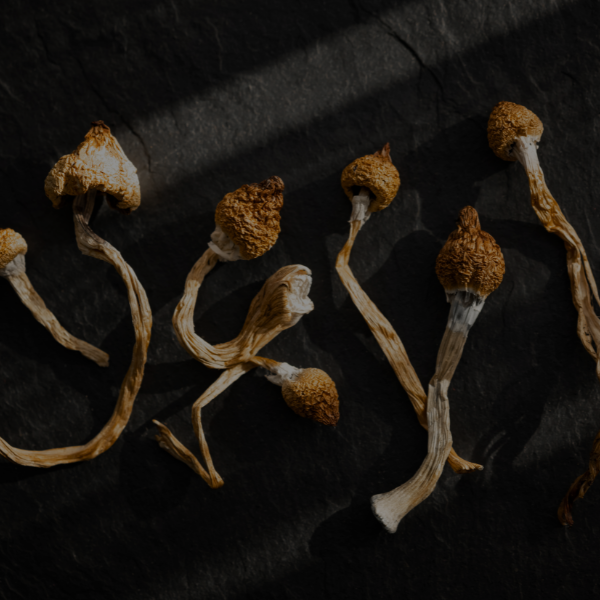
When it comes to getting the good stuff out of mushrooms, the liquid you use to extract it isn't just a minor detail—it's everything. Mushrooms are incredibly complex, packed with a huge range of active ingredients. This is where alcohol-free tinctures really shine, as they are uniquely able to capture the full spectrum of compounds, making them a fantastic choice for both functional and psilocybin mushroom products.
Unlike a lot of simple herbs, mushrooms have a unique cellular structure built from chitin, a tough material that keeps all the valuable compounds locked up tight. To really unlock the benefits of fungi like Reishi, Chaga, or Lion’s Mane, you need a very specific approach. Many of their most desirable compounds fall into two camps: those that dissolve in water and those that don't.
To get a truly complete extract, you have to pull from both of these groups. This is where dual extraction comes in. It’s a two-step process that’s designed to capture the full power of the mushroom.
Mastering Dual Extraction Without Alcohol
Traditionally, a dual extraction means first soaking the mushroom in hot water, then steeping it in alcohol. But here’s the thing: you can get the same, if not better, results using completely alcohol-free methods. This approach is perfect for anyone looking for a more holistic and, frankly, tastier final product.
Here’s what a non-alcoholic dual extraction usually looks like:
- Hot Water Extraction: First things first, the mushrooms are simmered in hot water for a good while. This initial step is absolutely crucial for breaking down those tough chitin walls and pulling out all the water-soluble compounds, like beta-glucans and other polysaccharides. These are the powerhouses for immune support.
- Glycerin Extraction: After the water has done its job, the leftover mushroom material is steeped in vegetable glycerin, sometimes with a bit more water. This second step is all about capturing the non-water-soluble compounds, such as triterpenes, which are celebrated for their adaptogenic and antioxidant properties.
Finally, the two separate liquid extracts are carefully combined. What you end up with is a robust, well-rounded tincture that contains a much broader profile of beneficial compounds than any single-solvent extraction could ever hope to achieve. This comprehensive method ensures you’re getting the most out of every single drop.
The Superior Choice for Psilocybin Mushrooms
For those exploring the wellness side of psilocybin mushrooms, alcohol-free tinctures—especially glycerites—offer some major advantages. Glycerin is a fantastic solvent for preserving the delicate psychoactive compounds in these mushrooms, all while creating a much more pleasant user experience.
The benefits are pretty clear:
- Palatability is a Big Deal: Let's be honest, the earthy, sometimes funky taste of raw mushrooms can be a real barrier for some people. The natural sweetness of glycerin does an amazing job of masking these flavors, making the tincture much easier and more enjoyable to take.
- Gentle on the Good Stuff: Glycerin is a gentle solvent that effectively pulls out and stabilizes psilocybin and other active alkaloids without the harshness of alcohol. This helps keep the compounds intact all the way from the mushroom to the bottle.
- User-Friendly Dosing: A smooth, good-tasting liquid is just more approachable. It makes it easier for wellness seekers and modern psychonauts to measure precise doses and work the tincture into their routine, whether they take it straight or add it to a drink.
By blending efficacy with a much-improved sensory experience, glycerin-based tinctures make the benefits of psilocybin mushrooms more accessible to everyone. The pleasant taste encourages consistent, mindful use, which is fundamental for anyone on a wellness journey.
Whether you're interested in the daily brain boost from Lion's Mane or the profound mental benefits offered by psilocybin, the extraction method matters. A lot. An alcohol-free approach, particularly one that uses a dual-extraction process, respects the mushroom's complex chemistry. It delivers a potent, palatable, and complete product that truly honors the full potential of these amazing fungi. If you want to dive deeper, you might be interested in our complete guide to a quality magic mushroom extract.
How to Use and Store Your Tinctures
So, you've got your hands on a potent, great-tasting extract. Now for the fun part: making it a seamless part of your daily routine. Let's get into the practical side of things—how to take it for the best results, dial in your perfect dose, and store it properly to protect its power.
Think of your tincture as a highly concentrated health shot. A little bit truly goes a long way, and the way you take it can even change how quickly you start to feel the effects. There are two main methods people use, and each has its own perks.
Finding the Right Way to Take Your Tincture
The most direct and popular method is sublingual application. That’s just a fancy way of saying you place the drops directly under your tongue and hold them there for about 30 to 60 seconds before swallowing. This area is packed with blood vessels, which means the active compounds can get into your bloodstream fast, bypassing the digestive system for a quicker kick-in.
Of course, you can also just add your tincture to a drink. This is a fantastic way to fold it into your day without a second thought.
- Add it to your morning coffee or tea: The natural sweetness of a glycerin-based alcohol-free tincture can be a nice complement to your favorite morning brew.
- Mix it into a smoothie or juice: This is an easy win. The flavors will blend right in, and you'll get your daily dose without even noticing.
- Stir it into a glass of water: For a simple, no-fuss approach, just drop it into some water and drink up.
When you add a tincture to a drink, it has to go through your digestive system first, so it might take a little longer for the effects to show up. This method is perfect for that steady, consistent support you're looking for day in and day out.
The Golden Rule of Dosing
When it comes to dosing any active supplement, including alcohol-free tinctures, the best advice you'll ever get is to start low and go slow. Everyone's body chemistry is different. What works wonders for one person might be too much or too little for another.
Begin with the lowest recommended dose on the product label. Stick with that for a few days to see how your body responds. If you feel you need more, you can gradually increase the amount every few days until you find that sweet spot that gives you the effects you're after.
This careful, measured approach lets you find your personal effective dose without overwhelming your system. Think of it as a marathon, not a sprint.
Proper Storage for Maximum Potency and Shelf Life
How you store your tincture is absolutely critical for preserving its effectiveness and making sure it lasts. Heat, light, and air are the ultimate enemies of any botanical extract. They can break down those delicate active compounds over time, leaving you with a less-than-potent product.
To keep your alcohol-free tinctures in prime condition, just follow these simple storage rules:
- Keep It Cool and Dark: A kitchen cabinet, pantry, or medicine chest is perfect. The main goal is to avoid direct sunlight and big temperature swings. You don't need to refrigerate most glycerin or vinegar-based tinctures unless the label specifically tells you to.
- Ensure the Cap is Tight: Always, always seal the bottle tightly after you use it. This simple step prevents oxidation from air exposure and stops the liquid from evaporating, which would make the formula way too concentrated.
- Check the Expiration Date: Alcohol-free tinctures usually have a shorter shelf life than their alcohol-based cousins. Glycerites typically last 1-2 years, while vinegar extracts might have a slightly shorter window. Always give the date on the bottle a quick look.
Proper storage is the easiest thing you can do to protect your investment and make sure every single drop is as potent as the first. By following these straightforward steps for use and storage, you can confidently make alcohol-free tinctures a valuable and effective part of your wellness toolkit.
How to Choose a High Quality Alcohol Free Tincture
With the market flooded with options, figuring out which alcohol-free tincture is actually worth your money can feel like a shot in the dark. Let's be honest: not all products are created equal. This guide is your consumer checklist for spotting the truly premium stuff, helping you see past the slick marketing to choose a tincture that’s pure, potent, and effective.
Shopping with confidence really just comes down to knowing how to read a label like a pro. A brand worth its salt will be transparent about what’s inside the bottle and how they made it. Paying attention to just a few key details can be the difference between a great investment in your health and a total waste of money.
Scrutinize the Source of Ingredients
The quality of any herbal or mushroom extract always begins at the source. The best tinctures are made from plants and fungi that are grown and harvested with exceptional care.
When you're looking at a label, keep an eye out for these terms:
- Organic: This is a big one. It means the ingredients were grown without any synthetic pesticides, herbicides, or fertilizers. It’s a strong signal of a clean, high-quality product.
- Wildcrafted: This term tells you the plants were sustainably harvested from their natural habitat. This often results in more potent botanicals, as they grew in their ideal, wild environment.
If a brand is cagey about where its ingredients come from, that can be a red flag. Always lean towards companies that are proud to show off the origin and quality of their raw materials.
Verify the Solvent and Extraction Method
Next up, turn your attention to the liquid base itself. For a top-tier alcohol-free tincture, you want to see a high-quality solvent listed clearly on the label.
USP-grade vegetable glycerin is widely considered the gold standard for alcohol-free extractions. The "USP" part means it meets the strict purity standards of the United States Pharmacopeia, ensuring it's free from nasty contaminants.
On top of that, transparent brands will often tell you about their extraction process. For mushroom tinctures especially, look for terms like "dual extraction." This is a two-step process using both hot water and glycerin, and it's essential for pulling out the full spectrum of a mushroom’s beneficial compounds. You can dive deeper into how this applies to certain products in our guide to psilocybin mushroom extract.
Demand Third-Party Lab Testing
This might be the most critical step in vetting any tincture you're considering. Third-party lab testing is completely non-negotiable for any brand you plan to trust with your health. It simply means an independent lab, with no skin in the game, has tested the product for purity and potency.
A company that invests in this level of quality control will make the results easy to find, usually through a QR code on the package or a dedicated page on their website. These reports, often called Certificates of Analysis (COAs), confirm that the product contains the active compounds it claims to and is free from harmful junk like heavy metals, pesticides, and microbes.
Ultimately, choosing a product backed by transparent lab results is the single best way to ensure you're getting exactly what you pay for: a safe, clean, and effective alcohol-free tincture.
Of course. Here is the rewritten section, crafted to sound completely human-written, following the specific style, tone, and formatting requirements you provided.
Frequently Asked Questions About Alcohol-Free Tinctures
Diving into the world of herbal supplements can feel a bit overwhelming, and it's natural to have questions. Let's clear up some of the most common queries about alcohol-free tinctures so you can feel confident choosing the right extracts for your wellness routine.
Are Alcohol-Free Tinctures as Potent as Alcohol-Based Ones?
This is a great question, and the answer is yes, they absolutely can be. The key isn't just about the base but the entire extraction process. While alcohol is a fantastic all-around solvent, other bases like glycerin and vinegar shine when it comes to pulling out specific compounds.
For functional mushrooms, a dual-extraction that uses both hot water and then glycerin is often the gold standard. This method ensures you get the full spectrum of beneficial compounds that one solvent alone might miss. A well-crafted glycerite from a quality brand will be just as effective as a traditional alcohol tincture—but with a much smoother taste and none of alcohol's harshness.
Can I Give Alcohol-Free Tinctures to My Children?
One of the biggest advantages of glycerin-based tinctures (or glycerites) is that they are generally considered safe and much more appealing for kids. Their naturally sweet flavor makes them a breeze to administer compared to the bitter, burning taste of alcohol-based formulas.
That said, it is absolutely essential to consult with a pediatrician or qualified healthcare professional before introducing any new supplement into a child's regimen.
How Long Do They Last?
This is one area where there's a clear difference. Alcohol is an incredibly effective preservative, which is why traditional tinctures can last for 5+ years on a shelf.
Alcohol-free tinctures, on the other hand, have a shorter lifespan. A properly made vegetable glycerite will typically last for about 1-2 years. Because glycerin isn't as strong a preservative, proper storage is key. To get the most out of your tincture and maintain its potency, always keep it in a cool, dark place with the lid screwed on tight.
What’s the Best Way to Take Them?
You’ve got a couple of easy options here, and it really comes down to personal preference and how quickly you want to feel the effects.
- Sublingually (Under the Tongue): For the quickest absorption, squeeze the drops directly under your tongue. Try to hold them there for 30–60 seconds before you swallow. This lets the compounds absorb directly into your bloodstream for faster action.
- In a Beverage: For total convenience, just add the drops to your morning coffee, a smoothie, tea, or even a glass of water. The effects might take a little longer to kick in since it has to go through your digestive system, but it's an effortless way to make it part of your daily routine.
Ready to experience the gentle power of premium mushroom extracts? The Magic Mushroom Delivery offers a curated selection of high-quality, effective tinctures designed for modern wellness. Explore our collection and find the perfect product to support your journey today at https://themagicmushroomdelivery.com.