
If you're looking to dive into the world of fungal genetics, the very first thing you need to figure out is where to buy shroom spores. Good online vendors are the gateway, offering sterile, living specimens for anyone interested in taxonomy or microscopy. They typically come in two main forms: easy-to-use spore syringes or spore prints, which last for ages.
Your First Step to Buying Shroom Spores
Welcome to the captivating world of mycology—the science of fungi. For most of us, whether we’re hobbyists or just curious amateur researchers, the adventure starts with something incredibly small: a shroom spore.
The easiest way to think of a spore is as a mushroom's "seed." It holds all the genetic blueprints for a new fungus to grow, which is why it’s the starting point for anyone who wants to study fungal life cycles and unique traits under a microscope.
Buying shroom spores for research isn't some new trend; it has a deeper history than you might think. Even back in the early days of the internet, a surprisingly large market was already taking shape. A fascinating analysis from the early 2000s looked at 800 Google search results and found that a whopping 58% of the links were for websites openly selling psilocybin spores for microscopy. That just goes to show you the demand has been there for a long time. You can actually read the full research about these findings yourself.
Understanding What You Are Buying
When you buy shroom spores, it's crucial to remember you're getting a specimen that's strictly for observation. You’ll mainly find them sold in two ways:
- Spore Syringes: These are simply oral syringes filled with sterilized water and thousands of spores floating inside. They are a huge hit with beginners because they're clean, easy to use, and let you squirt a sample directly onto a microscope slide.
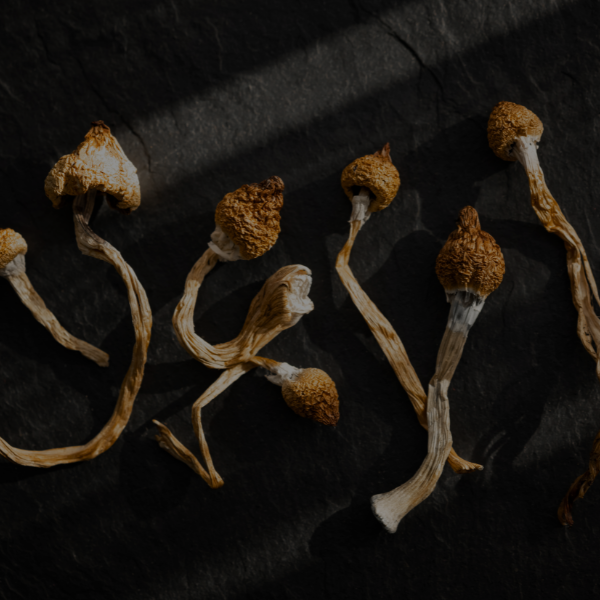
- Spore Prints: This is what it sounds like—a stamp of spores left behind on a sterile surface, usually a piece of foil. It looks like a dusty, intricate pattern of the mushroom's gills and is perfect for long-term storage, making it a favorite for more experienced mycologists.

Why Sourcing Matters
Think about it this way: a botanist needs good seeds, and a mycologist needs good spores. The quality and cleanliness of your sample are everything. This is why picking a solid, reputable vendor is the single most important decision you'll make.
A trustworthy supplier prepares their spores in a sterile lab environment. This is a huge deal because it prevents contamination from bacteria or other random molds, ensuring that what you're looking at under the microscope is exactly what you paid for.
Strains like Golden Teacher are often recommended for people just starting out. They’re known for being resilient and having distinct features that are great for learning. As you get started, just remember that clean, viable spores from a source you trust are your ticket to a rewarding and eye-opening hobby. Your first purchase isn't just a transaction; it's your entry into a whole new scientific world.
The Rich History of Spores in Modern Mycology
Ever wonder how we got from ancient ceremonies to ordering spore syringes online with a few clicks? The path to buying shroom spores today is a fascinating story, blending ancient human curiosity with modern science and a healthy dose of counter-culture.
Long before sterile syringes were a thing, the fungi they grow were central to many cultures. In Mesoamerica, they were part of spiritual practices for centuries, but these traditions were largely a mystery to the Western world for a very, very long time.
That all changed in 1957. An article in LIFE magazine called "Seeking the Magic Mushroom" hit the newsstands, sharing the story of amateur mycologist R. Gordon Wasson and his experiences in Mexico. This one article blew the doors open, sparking a public and scientific fascination that’s still going strong today.
But the story goes back even further. A massive 2023 genomic study dropped a bombshell: psilocybin mushrooms first appeared around 65 million years ago, right after the asteroid that wiped out the dinosaurs. This connects today's online spore vendors to an unbroken chain of natural history, stretching back to the dawn of a new world. Discover more insights about these mycological findings here.
The Rise of Home Mycology Culture
After Wasson's article made a splash, the 1970s and 80s saw interest shift from academic labs to living rooms. This was all thanks to a few key publications that pulled back the curtain on mushroom cultivation for the average person. Books like "Psilocybin: Magic Mushroom Grower's Guide" became underground legends, offering step-by-step guides for anyone with a pressure cooker and a curious mind.
These guides were game-changers. They gave hobbyists the power to see the fungal life cycle for themselves, detailing how to create sterile setups, prepare substrates, and use spores to get started. It took mycology from a far-off academic field and turned it into a hands-on project you could do right in your own home.
This new wave of home mycology created a real demand for high-quality, viable spores. People needed reliable genetics to kick off their research, which led to the very first businesses dedicated to selling them.
From Print to Pixels: The Digital Age of Spores
When the internet came along in the 90s and early 2000s, it took this grassroots movement and blasted it worldwide. Suddenly, online forums and newsgroups were buzzing with mycologists from every corner of the globe, all sharing tips, showing off their results, and—most importantly—finding vendors. For anyone looking to buy shroom spores, this was a massive shift.
What was once a quiet, word-of-mouth community turned into a full-blown online marketplace. Vendors could now reach a huge audience, showing off their clean lab work and incredible libraries of different genetics. This era brought some key developments that we still rely on today:
- Development of Spore Syringes: This incredible innovation made handling spores clean, easy, and almost foolproof. It opened up the hobby to beginners who were nervous about making their own spore prints or solutions.
- Online Storefronts: Professional websites took the place of forum posts and classifieds. They offered detailed strain descriptions, photos, customer reviews, and secure checkout, which built a new level of trust and legitimacy.
- Emphasis on Discreet Shipping: Vendors perfected their packaging to protect customer privacy. This quickly became—and remains—a signature practice of any reputable supplier.
This whole journey, from ancient use to magazine articles, underground guides, and finally to modern online shops, is what shaped the spore market we see today. It’s a community built on decades of shared passion, scientific curiosity, and the simple desire to explore the amazing world of fungi.
Understanding Spore Legality in the United States
Thinking about getting into mycology? One of the first, and most important, questions people have is whether it's actually legal to buy shroom spores. The whole topic can seem a little murky at first, but once you get the hang of a few key ideas, the legal side of things becomes a lot clearer.
It all boils down to a simple bit of biology: the spores themselves don't contain any active psychedelic compounds. Think of it like this—a tomato seed isn't a tomato. It's just the blueprint. This crucial distinction is exactly why shroom spores are widely sold online and can be shipped across most of the country.
The Importance of Intent
This is where things get really specific. The entire legal framework for spore sales in America rests on the concept of "intent." When you buy shroom spores, vendors are operating under the very strict understanding that the spores are intended for a specific, legally-allowed purpose.
The designated use for psilocybin mushroom spores in the U.S. is for microscopy and taxonomy research only. This means their value is purely scientific and educational—for studying their unique shapes under a microscope or identifying different types of fungi.
That's why you always see disclaimers on reputable vendor websites. They aren't just there for show; they're a clear statement of purpose. When you make a purchase, you're essentially agreeing that your intention is to use them for research.
State-Specific Regulations to Know
Now, while spores are fine at the federal level, the U.S. is a classic patchwork of state laws. This means your ability to legally buy and have shroom spores can change from one state line to the next. It's absolutely vital to know what's going on in your own backyard.
For example, a few states have decided to go their own way. While spores are federally permitted since they don't have active compounds, some states have different rules. California, Georgia, and Idaho have laws that specifically regulate the sale and possession of spores, no matter what your intent is. This means that while vendors in 47 states can sell spores for 'microscopy only,' it’s on you to know your local rules. You can explore more details by reviewing the legal status of psilocybin mushrooms across various jurisdictions.
So, before you even think about clicking "buy," your first move should always be to check the laws in your state. Good vendors won't ship to these states anyway, but the responsibility to be informed is ultimately yours.
The Influence of Decriminalization
Adding another layer to the conversation is the decriminalization movement that's gaining steam in cities and counties all over the country. Places like Denver, Colorado, and Oakland, California, have passed local measures to make enforcing laws against entheogenic plants and fungi the lowest priority for law enforcement.
These local changes are helping create a more open environment for scientific research and public discussion. They represent a real cultural shift toward seeing the potential value in psychedelic research, which in turn helps build a more supportive community for amateur mycologists and citizen scientists. If you want to dive deeper into this subject, you can learn more about psilocybin mushroom legality and how it's changing in our detailed guide.
At the end of the day, understanding these legal details is what allows you to make smart, responsible choices. By respecting the "microscopy only" purpose and staying aware of your local laws, you can participate in the fascinating world of mycology with confidence and peace of mind.
How to Find a Reputable Spore Vendor
When you decide to buy shroom spores, you'll quickly see the online market is packed with choices. But just like any niche hobby, not all vendors are created equal. Finding a source you can trust is the most critical part of making sure your microscopy research begins with pure, living specimens.
Think of it like getting ingredients for a complex recipe. You need the absolute best stuff to get the intended result. The same idea goes for spores; the purity and quality of your samples are everything for a successful study. So, how do you tell the pros from the pop-up shops?
Hallmarks of a Professional Vendor
A truly professional spore vendor runs their operation with a level of care that’s easy to see once you know the signs. These aren't just faceless businesses. They’re often run by dedicated mycologists who are passionate about genetic quality and want their customers to succeed.
Here are the key signs of a top-tier vendor:
- Sterile Lab Practices: The best suppliers are open about their lab setup. They use gear like laminar flow hoods and autoclaves to make sure every spore syringe and print is totally free of contamination. This means what you see under the microscope is exactly what you paid for.
- Transparent Customer Reviews: Look for vendors with a long history of feedback on independent sites like Reddit or mycology forums. Real, unfiltered reviews give you an honest look into a company's product quality and how they treat their customers.
- Detailed Product Information: A professional site will have solid descriptions for each strain, covering its origins, research traits, and what makes it special. This demonstrates a deep, hands-on knowledge of their products.
- Responsive Support: Trustworthy vendors are easy to get ahold of and are happy to answer your questions. Quick, helpful customer service is a dead giveaway that they care about their reputation and stand behind their work.
The best vendors know they’re providing a sensitive product for a specific scientific purpose. Their whole process, from the lab to customer service, is built on a foundation of quality, sterility, and professionalism.
Spotting Red Flags
Just as there are good signs, there are also some major red flags that should give you pause. Blowing past these warnings can lead to frustration, wasted money, and contaminated samples. A little caution on the front end saves a ton of headaches later.
Keep an eye out for these common red flags:
- Unprofessional Website: A clunky, hard-to-use website with typos and broken links is a bad sign. It often means that same lack of care extends to their lab work and products.
- Unrealistic Promises: Steer clear of any vendor making wild claims about their spores or hinting at uses other than microscopy and research. It's unprofessional and a huge warning sign.
- Lack of Transparency: If a seller hides reviews, won’t talk about their lab practices, or is impossible to contact, you're better off looking somewhere else.
- Limited Payment Options: Reputable shops usually offer standard, secure payment methods. A site that only takes crypto or other untraceable payment types might have something to hide.
The Importance of Discreet and Reliable Shipping
Finally, the shipping process says a lot about a professional operation. Good vendors get the need for customer privacy and work hard to make sure their packaging is completely discreet. Your order should show up in a plain box or mailer with zero indication of what’s inside or who sent it.
This respect for your privacy, combined with reliable, tracked shipping, proves you’re dealing with a serious, customer-first business. They aren’t just moving a product; they are providing a service built on trust. While many vendors offer spore syringes, you may also be curious about other options. To help with your research, you might be interested in our guide to the differences between liquid culture and spore syringes. By keeping this mental checklist handy, you can navigate the market with confidence and find a vendor who provides high-quality, sterile spores for your research needs.
Choosing the Right Spore Type for Your Research
So, you’ve pinpointed a vendor you can trust. The next move when you buy shroom spores is figuring out which product type lines up with your research goals. You'll mostly see two options: spore syringes and spore prints. Both are packed with the same fascinating genetic material for your microscope, but they’re built for different experience levels and each has its own perks.
Think of a spore syringe as the "plug-and-play" option. It's a sterile oral syringe filled with thousands of spores floating in sterilized water. This format is a huge hit with newcomers because it removes all the hassle from preparing a sample. You can just place a single, precise drop right onto a microscope slide and get to studying immediately. Their sheer convenience makes them the top choice for anyone just starting their journey into mycology.
A spore print, on the other hand, is like getting the "master copy" of a mushroom's genetics. To make one, a mushroom cap is placed on a sterile surface (usually foil), where it drops millions of spores, perfectly mapping out its gills. This incredibly dense concentration of spores is perfect for long-term storage and gives advanced researchers way more flexibility to create their own syringes or study spore structures in high density.
Spore Syringe vs Spore Print
Deciding between a syringe and a print really boils down to a trade-off: do you want immediate convenience or long-term versatility? A syringe is all about being ready to go right now, while a print is about having an archive of genetic material for the future. Getting a feel for their differences will help you lock in the right choice for your microscopy project.
Here’s a head-to-head comparison to help you decide.
Spore Syringe vs Spore Print: Which Is Right for You?
Choosing between a syringe and a print depends on your comfort level with lab work and your long-term research plans. Beginners often start with syringes for their ease of use, while seasoned mycologists might prefer the value and flexibility of prints.
| Feature | Spore Syringe | Spore Print |
|---|---|---|
| Ease of Use | Very High. Ready to use straight from the package. The perfect starting point for beginners. | Moderate. You’ll need to hydrate the spores to prepare a slide. Better suited for experienced users. |
| Shelf Life | Good (6-12 months). Just store it in a cool, dark spot like a refrigerator to keep it viable. | Excellent (Years). Can last for a very long time if you keep it dry, dark, and cool. |
| Cost | Generally more affordable for a one-off research session or a single project. | Often costs more upfront but contains vastly more spores, enough for many projects. |
| Risk of Contamination | Low, since it's prepared and sealed in a professional sterile lab. | Higher during handling, as it’s on you to rehydrate the spores cleanly without introducing contaminants. |
No matter which type you choose, it all starts with finding a great vendor. A good supplier is the foundation of any successful mycology project.
This infographic gives you a quick visual guide on what to look for—and what to avoid—when sizing up a potential source.

Ultimately, the best vendors are all about sterile, professional practices and great communication. If a site looks unprofessional or the communication is off, it’s a major red flag.
Matching a Strain to Your Research Goals
Once you've picked a format, you'll need to choose a specific strain. Each one has its own unique look and feel under the microscope, making some better suited for certain studies than others. Some are famous for being tough and resilient, while others are just plain stunning to look at.
- Golden Teacher: This is a classic for good reason. Researchers love this strain for its gorgeous, golden-capped appearance under the microscope and its incredible resilience. It’s a fantastic subject for beginners learning to spot different spore structures.
- B+: Known for being a powerhouse, this adaptable strain produces large spores that are fascinating to study. It’s a huge favorite in the mycology community for its reliable and visually striking microscopic traits, making it a solid choice for any research project.
By thinking carefully about both the format (syringe or print) and the specific strain, you can set yourself up for a successful and rewarding microscopy experience. The world of mycology is massive, with a huge variety of fungi to explore. You can learn more about the different types of psilocybe mushrooms in our detailed guide. A little homework at this stage goes a long way.
Safe and Ethical Spore Handling Practices
So, your discreet package has arrived. That moment you slice open the box, you’re no longer just a researcher learning how to buy shroom spores—you're an active participant in the fascinating world of mycology. From this point on, how you handle your specimens is everything. It protects your investment and ensures your spores stay clean and viable for study.
Think of it like a biologist handling a delicate cell culture. Your number one goal is to keep things clean. Spores are microscopic and incredibly vulnerable to contamination from everyday airborne bacteria and stray mold. Always wash your hands thoroughly or, even better, wear gloves before touching your spore syringes or prints. A simple step like working in a clean, draft-free area can make a world of difference.

Maximizing Specimen Longevity Through Proper Storage
How you store your spores directly dictates how long they'll last. It's helpful to think of them as being in a state of suspended animation. Your job is simply to keep them dormant and protected until you're ready to put them under the microscope.
The two biggest enemies of spore longevity are heat and light. Luckily, fighting them is pretty straightforward. Here’s the best way to store the two most common types of spore products:
- Spore Syringes: Pop them into a clean, resealable plastic bag and stick them in the refrigerator. Just be sure not to freeze them. The cool temperature, ideally around 35-46°F (2-8°C), dramatically slows down their metabolism. Stored this way, they can easily last for up to 12 months or even longer.
- Spore Prints: These are even more durable. Keep the print folded inside its original foil, place that inside a sealed bag or container, and stash it in a cool, dark place like a dresser drawer or a closet. When stored correctly, a good print can remain viable for many years.
By creating a cool, dark, and dry environment, you are essentially pressing the "pause" button on your spores' life cycle, preserving the precious genetic material for future study whenever you are ready.
Adhering to Ethical and Responsible Practices
Being a responsible member of the mycology community goes beyond just keeping your gear sterile. It means showing a commitment to ethical conduct that respects the vendors, the hobby itself, and the very guidelines that make this research possible in the first place.
One of the most critical ethical pillars is age verification. Any vendor worth their salt will require customers to be 21 years of age or older. This isn't just some arbitrary rule—it’s a vital industry standard designed to make sure all transactions are between responsible, consenting adults. Frankly, it’s a huge green flag that signals you’re dealing with a vendor who takes their role in this community seriously.
Beyond that, it's absolutely crucial to honor the "for microscopy and taxonomy purposes only" agreement. This is the bedrock the entire market for buying shroom spores is built on. When you make a purchase, you're confirming your understanding that these specimens are for scientific observation. Being a well-informed, responsible, and respectful enthusiast is the single best way to support the continued availability of these incredible specimens for everyone.
Frequently Asked Questions About Buying Spores
Jumping into the world of mycology is exciting, but it’s natural to have a few questions before you get started. We get it. When you're ready to buy shroom spores for the first time, you want to feel confident in your purchase. Here are some quick, straightforward answers to the questions we hear most often.
How Long Do Shroom Spores Last?
Think of your spores as being in a deep sleep, and your job is to keep them resting comfortably until you’re ready for your microscopy work. How long they stay viable really comes down to the type you have and how you store them.
- Spore Syringes: These are your go-to for convenience. If you keep them in the fridge—cool, but never frozen—a spore syringe should be good for 6 to 12 months. Sometimes they can even last longer if conditions are perfect. The main thing is to keep them in a dark, cool spot.
- Spore Prints: These are the long-haul champions of the spore world. Kept in a dry, dark, and cool place, a spore print can remain viable for several years. Because there's almost no moisture, they're incredibly stable and perfect for archival purposes.
At the end of the day, proper storage is everything when it comes to getting the most out of your spores for future research.
Is It Safe to Order Shroom Spores Online?
Absolutely. Ordering spores online can be a totally safe and simple process, but it all hinges on choosing a professional and trustworthy vendor. Good suppliers have built their entire business on customer privacy and trust, and they take several key steps to make sure your experience is secure.
Reputable vendors always put your privacy and security first. They use discreet, plain packaging and secure payment methods to protect your info, making the whole ordering process confidential and worry-free.
These vendors know how important a secure transaction is. They invest in professional websites with all the standard security measures and have real customer support you can talk to if you have any concerns. This focus on safety is the mark of a business you can count on.
What Are the Best Spore Strains for Beginners to Study?
For anyone just getting started with a microscope, some spore strains are definitely more forgiving and visually interesting to study than others. The best ones for beginners tend to be tough, have really distinct features under the lens, and are well-known in the mycology community.
We always suggest starting with one of these two crowd-pleasers:
- Golden Teacher: It’s a classic for a good reason. The spores are robust, and its microscopic traits are famous, making it the perfect "teacher" for learning to identify different fungal structures.
- B+: Another huge favorite in the community, the B+ strain is celebrated for its resilience and its big, easy-to-see spores. Its hardy nature makes it a super reliable subject for new researchers.
Either of these strains is a fantastic starting point for the hobby. They give you a great chance of success with your first microscopy projects and help you build up your confidence as you learn.
Ready to begin your mycology journey with high-quality, sterile spores? The Magic Mushroom Delivery offers a curated selection of premium spore syringes and prints perfect for research. Explore our collection and start your scientific adventure today at https://themagicmushroomdelivery.com.